
A Vestry Meeting — History & Facts
The first thing to catch the eye in A Vestry Meeting is the riotous energy that upends any expectation of decorum. Louis Wain transforms a staid parish gathering into a scene of comic chaos, with every figure sporting the unmistakable face of a pug. Suits and waistcoats do little to restrain the animal spirits on display: one pug tumbles over the bench, another pair come to blows, and papers fly in every direction.
The careful rendering of each canine expression—bewildered, indignant, gleeful—invites the viewer to linger over the individuality of each participant, while the stark light and bare walls focus all attention on the action. The scene is both a lampoon and a celebration of disorder, suggesting that beneath the veneer of Victorian respectability, meetings could be as unruly as a pack of dogs. Published in 1892 in The Strand Magazine, this illustration belongs to a moment when periodicals flourished and satire found a home in the illustrated press. Vestry meetings, then a staple of parish life in England, were notorious for their petty squabbles and comic inefficiency, making them ripe targets for artists like Wain.
While history has preserved little about this specific work, it stands as a lively testament to the era’s appetite for anthropomorphic humor and sly social commentary. Wain, known primarily for his cats, here turns his wit to pugs, capturing the spirit of a society that could laugh at its own foibles—if only in the pages of a magazine. Notice how the chaos is contained within the boundaries of the meeting room, as if to remind us that even the wildest assemblies still play out within the rules of their own little world.
More Artworks by Louis Wain
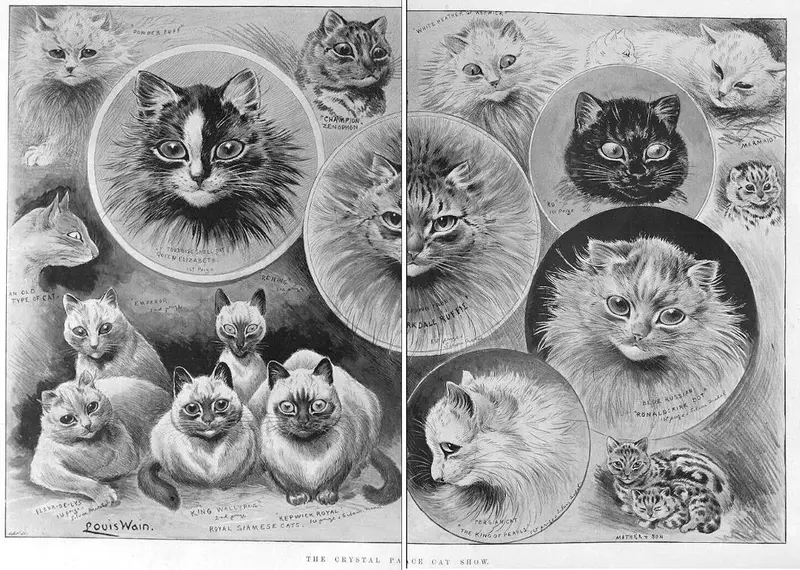
The Crystal Palace Cat Show
Louis Wain

Cats' Christmas
Louis Wain
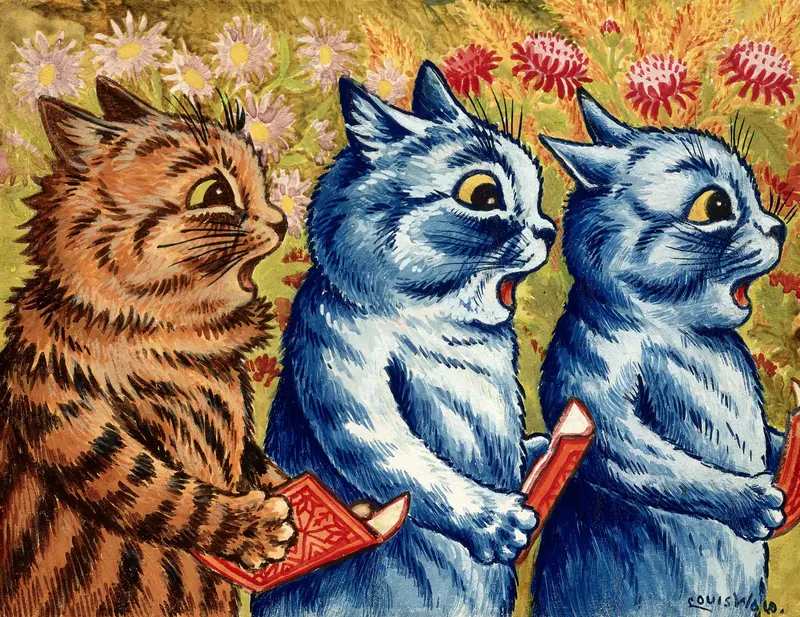
Three Cats Singing
Louis Wain
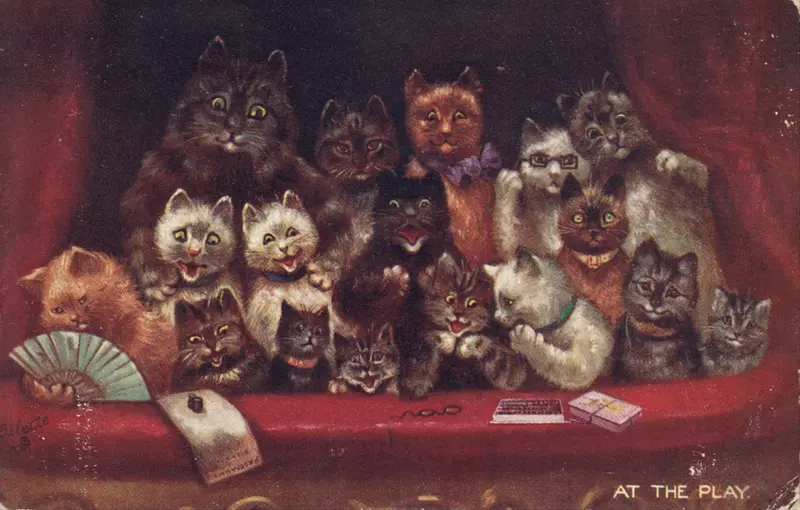
Cats at the Play
Louis Wain
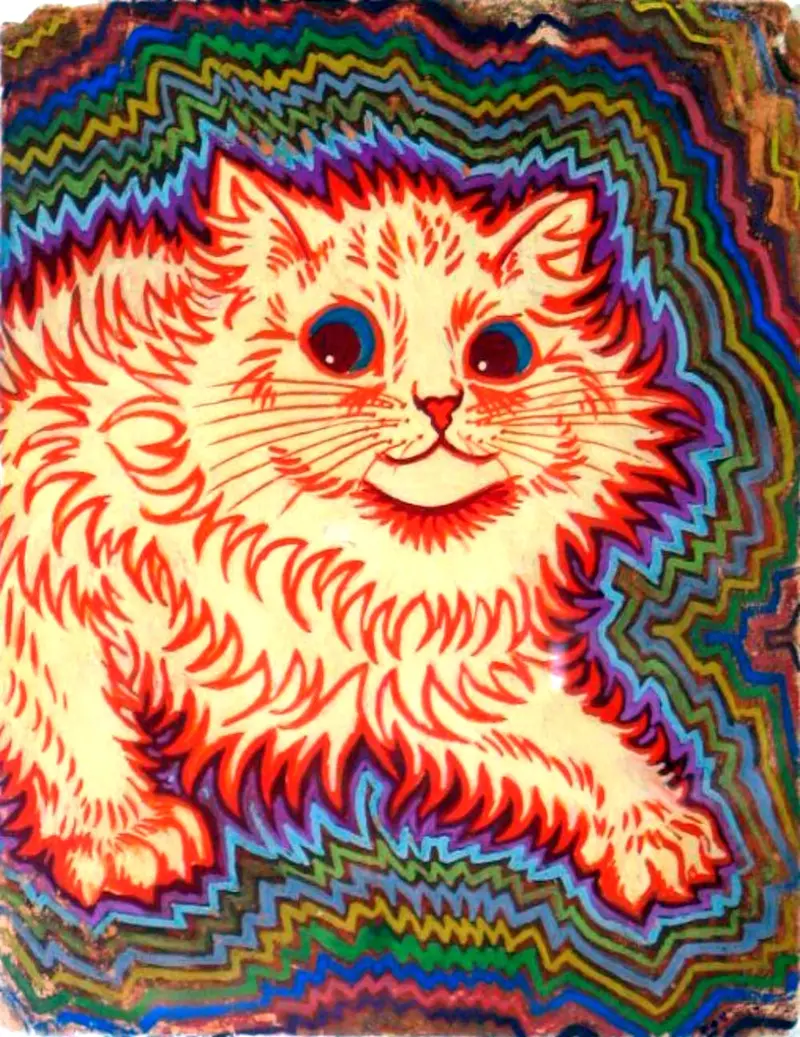
Psychedelic Cat
Louis Wain
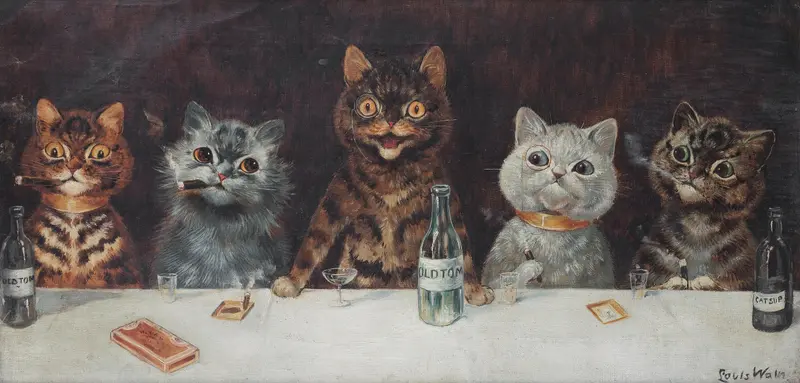
The Bachelor Party
Louis Wain
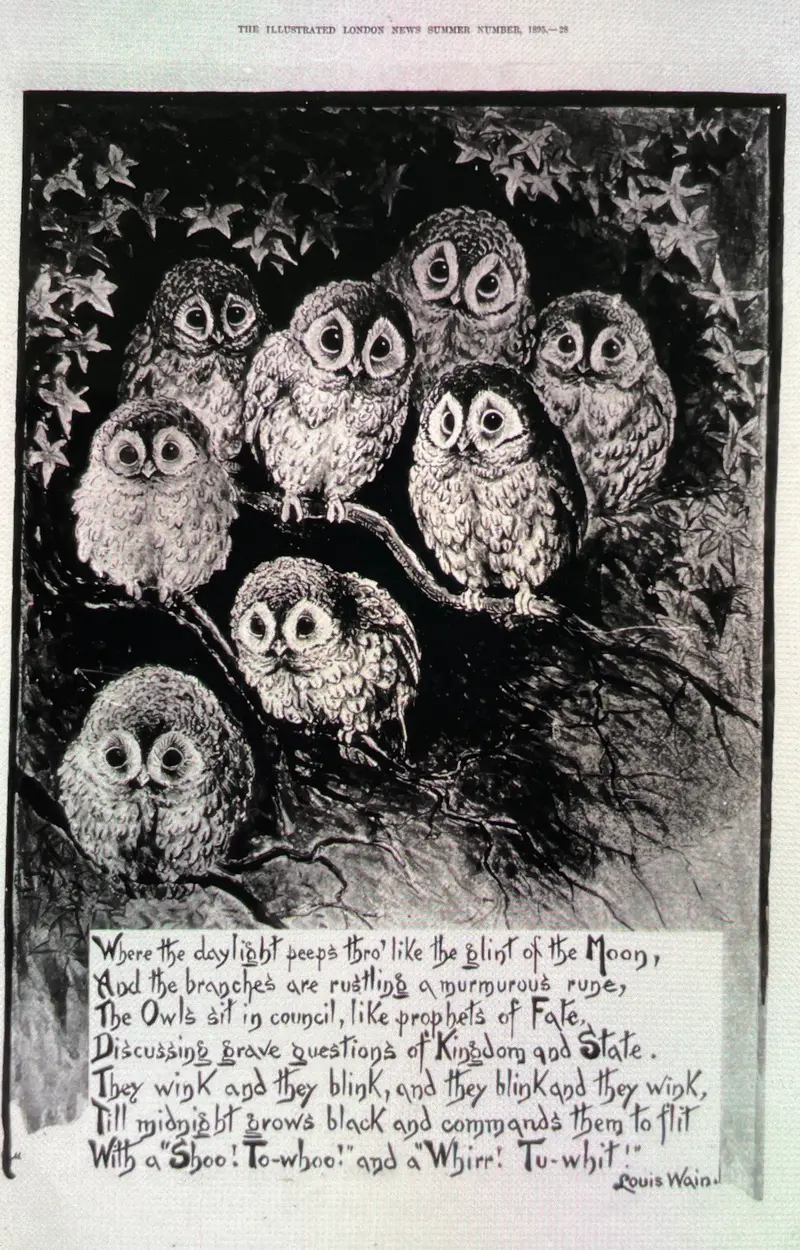
Owls
Louis Wain
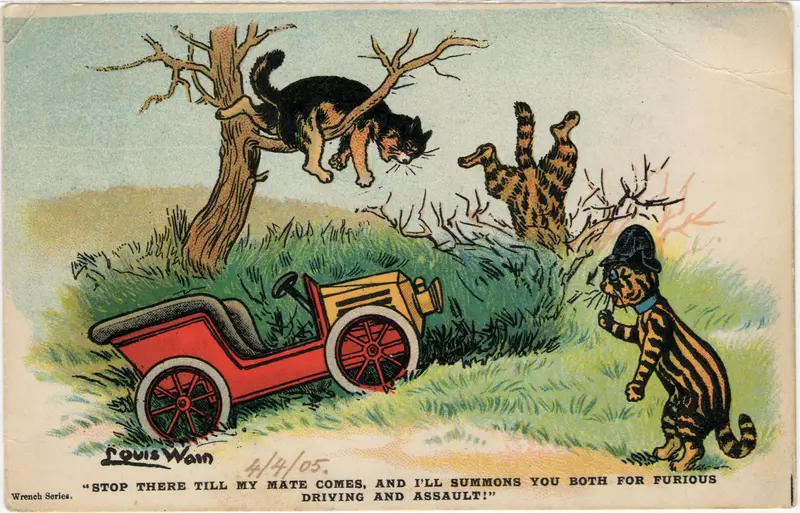
The Cat Car Crash
Louis Wain
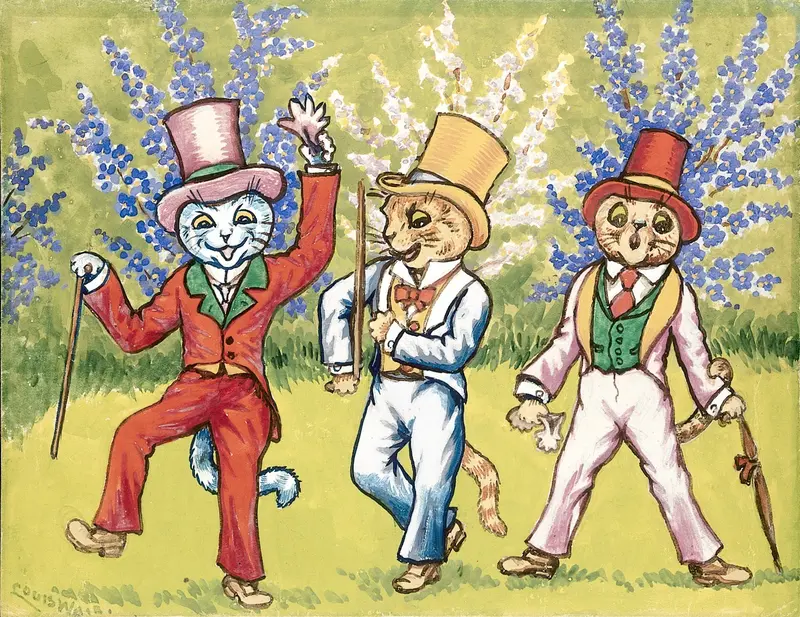
Three Cats Performing a Song and Dance
Louis Wain
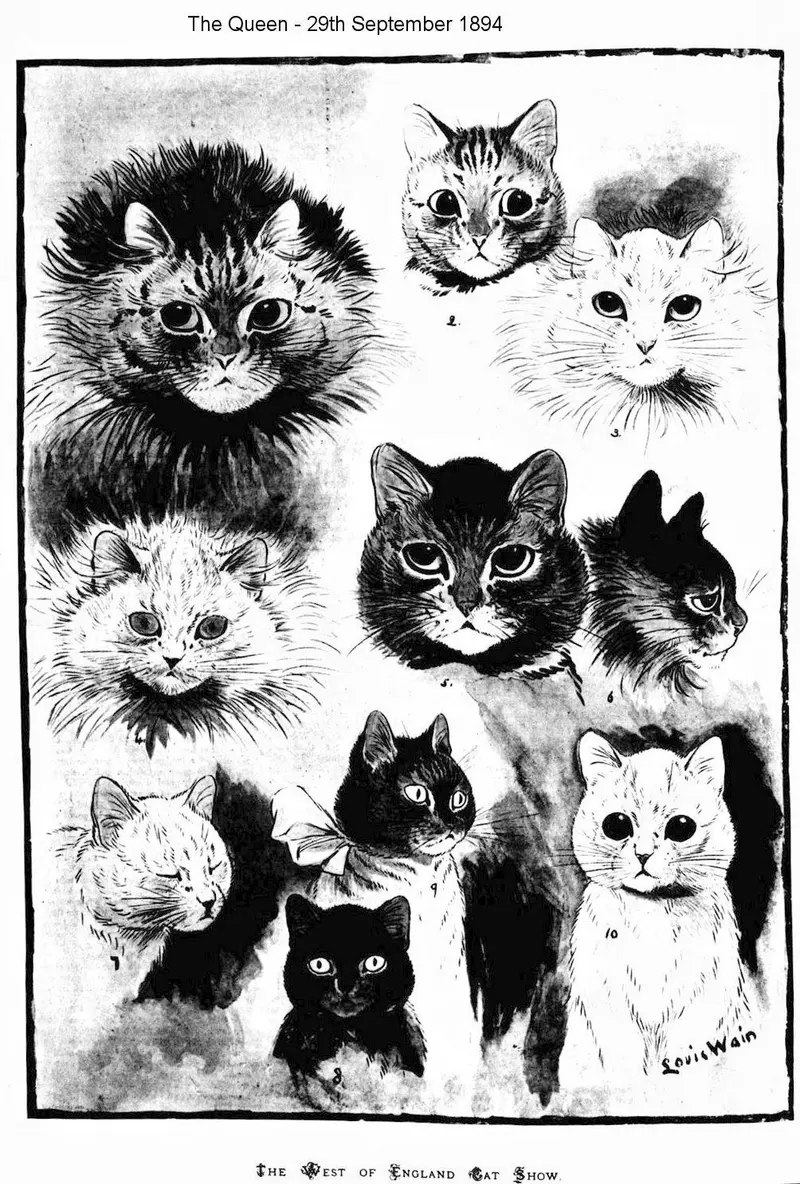
Poster for the National Cat Show, 1894
Louis Wain
More Genre Scene Art

Banquet of the Officers of the St George Civic Guard
Frans Hals

Rembrandt and Saskia in the Scene of the Prodigal Son
Rembrandt van Rijn

Bal du moulin de la Galette
Pierre-Auguste Renoir

Quadrille at the Moulin Rouge
Henri de Toulouse-Lautrec

A Burial at Ornans
Gustave Courbet

When Will You Marry?
Paul Gauguin