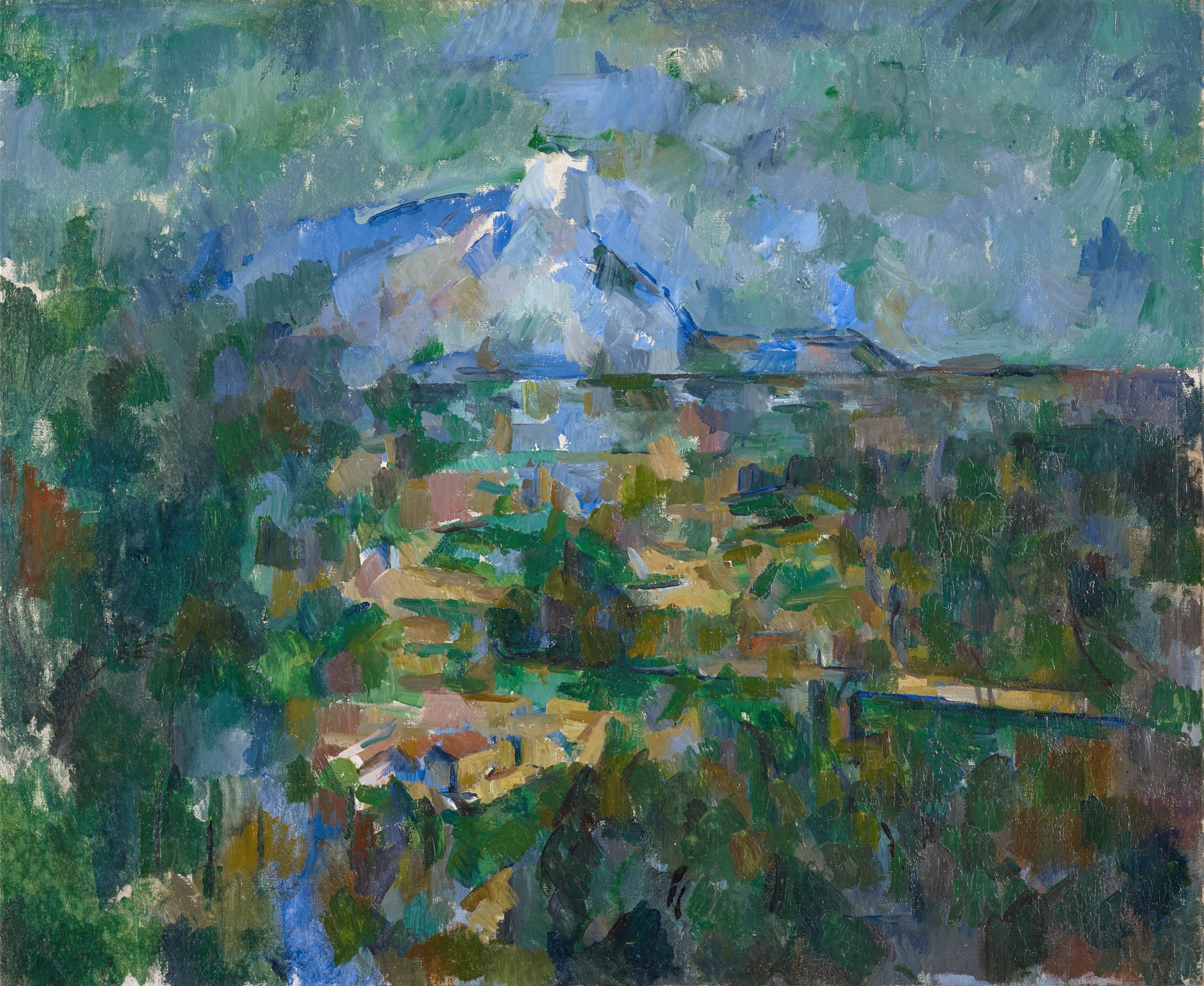
A Village Road near Auvers — History & Analysis
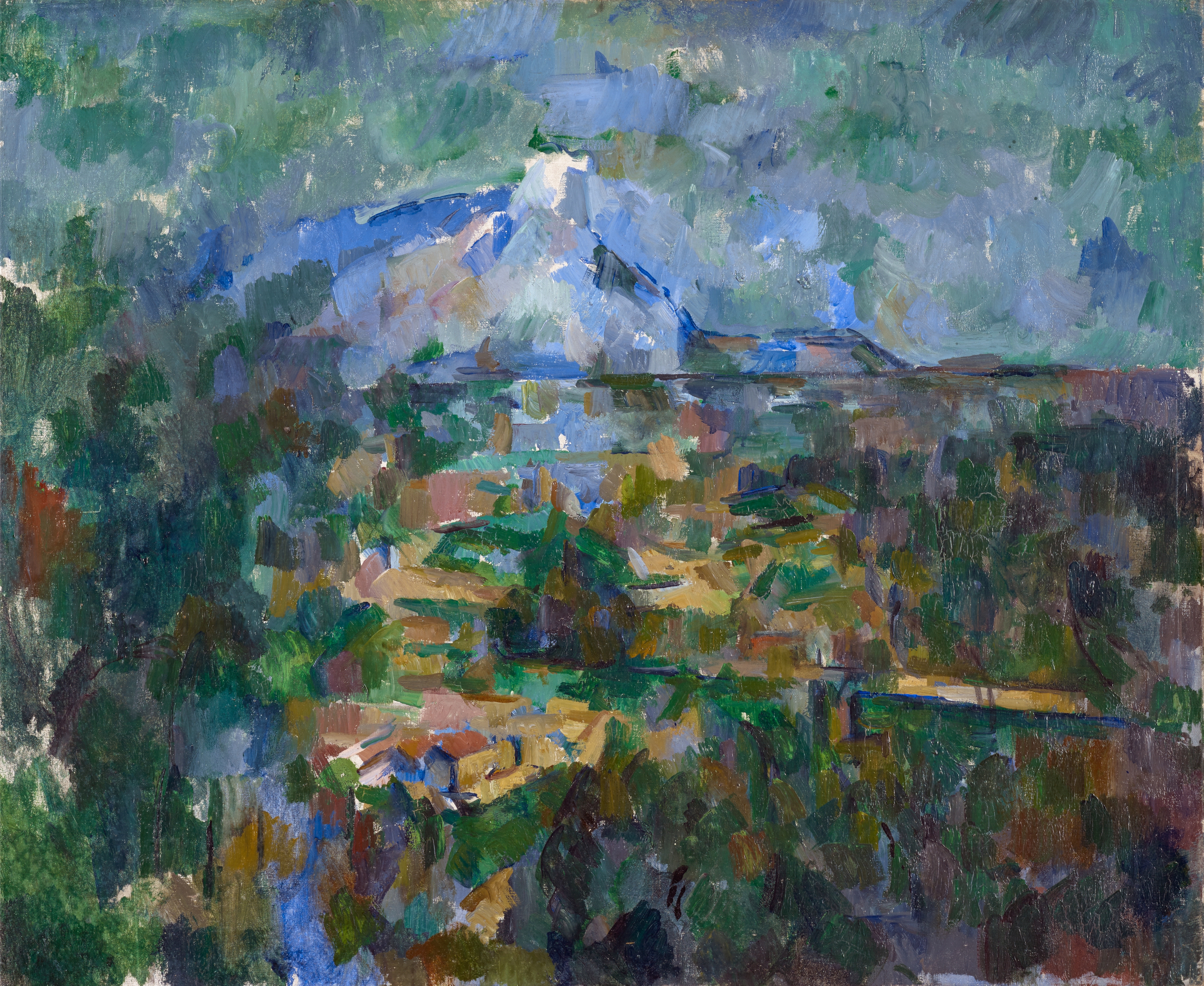
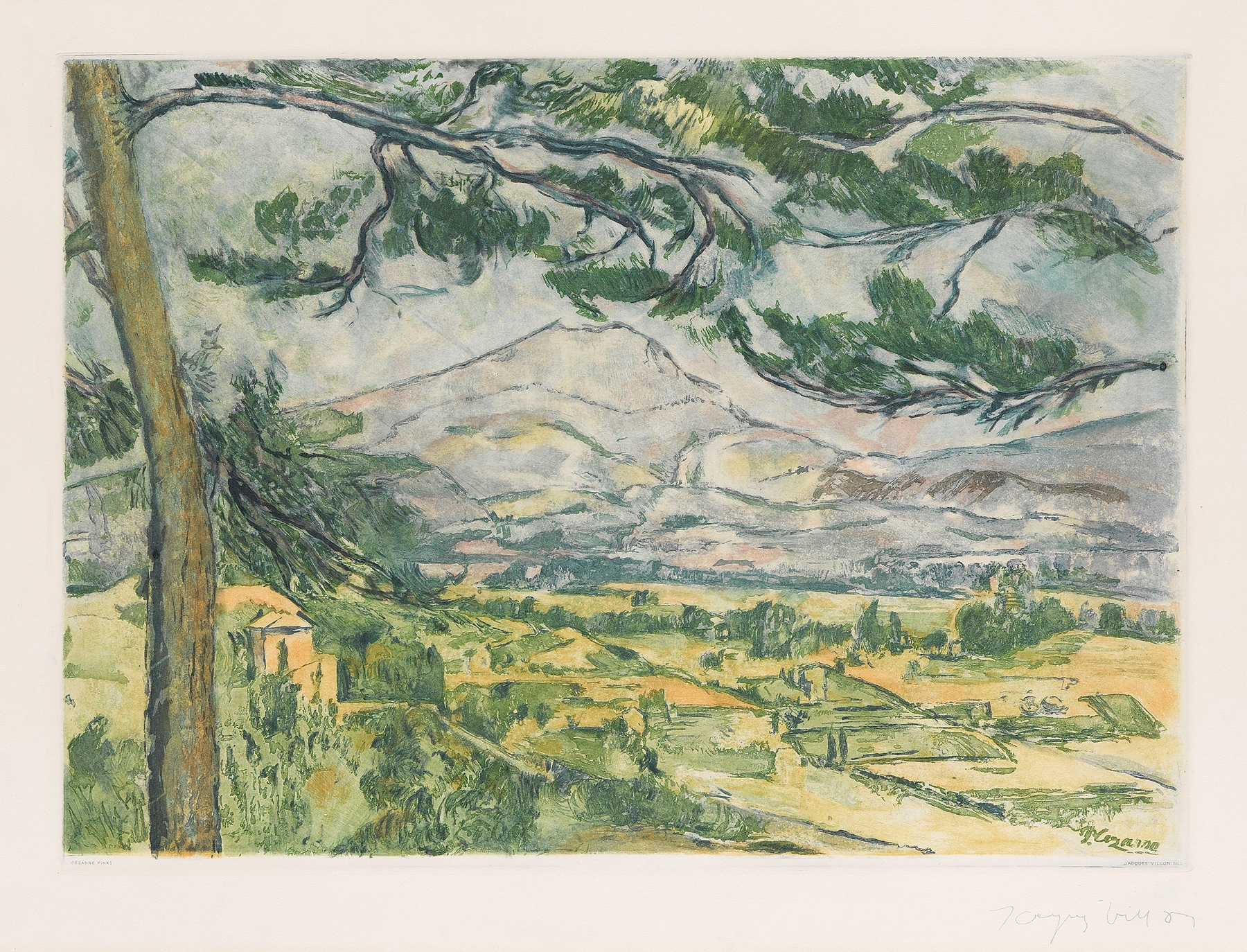
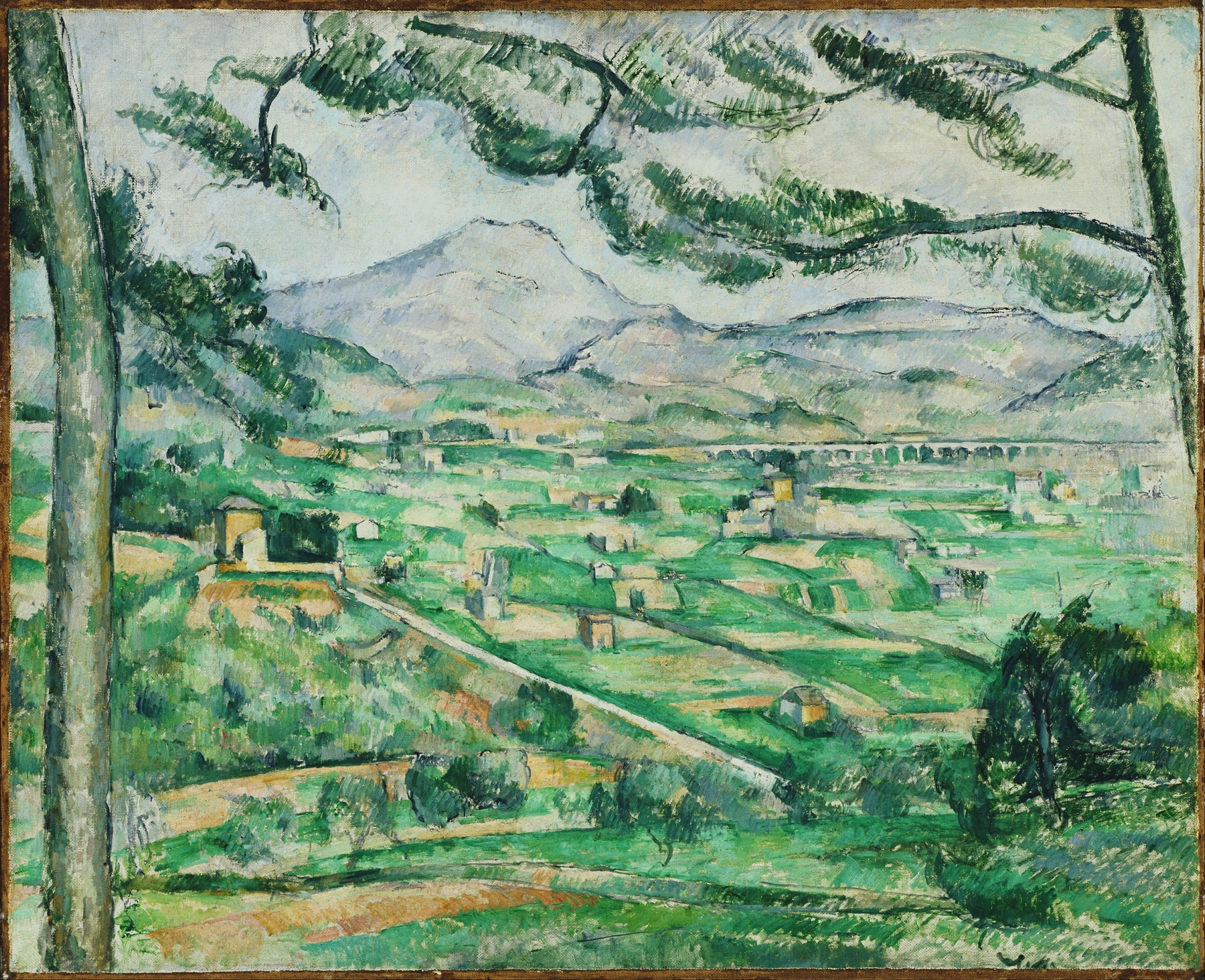
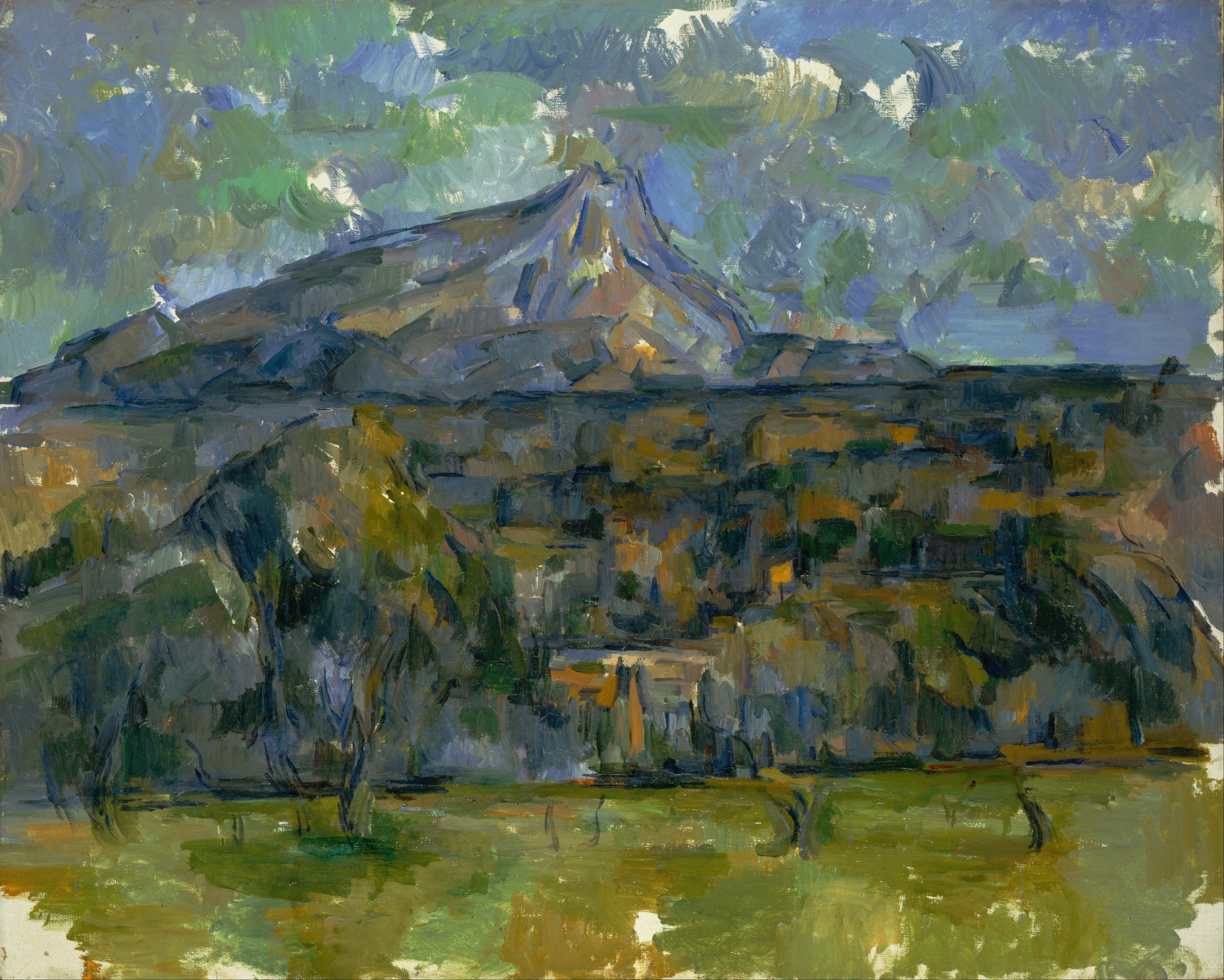
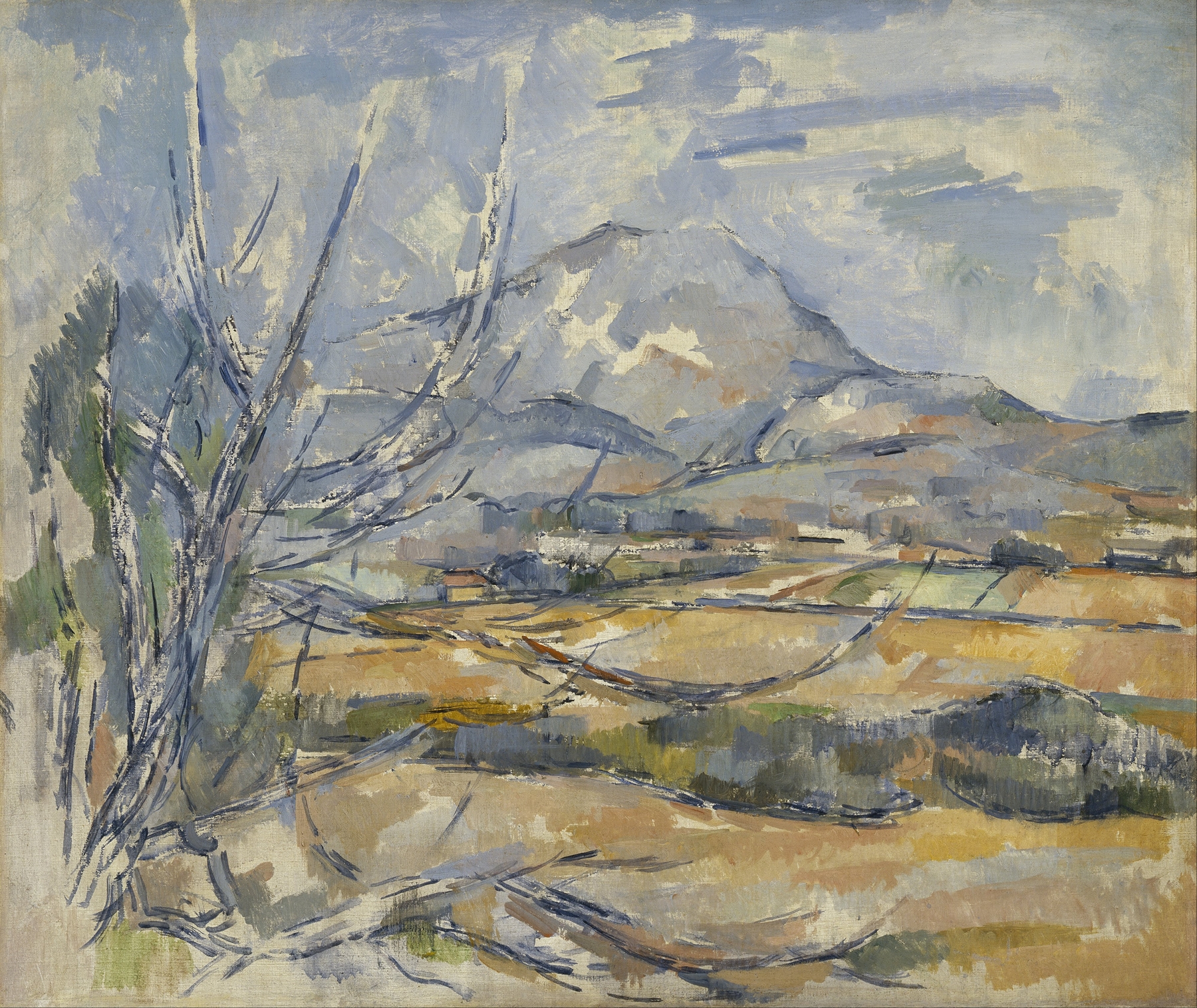
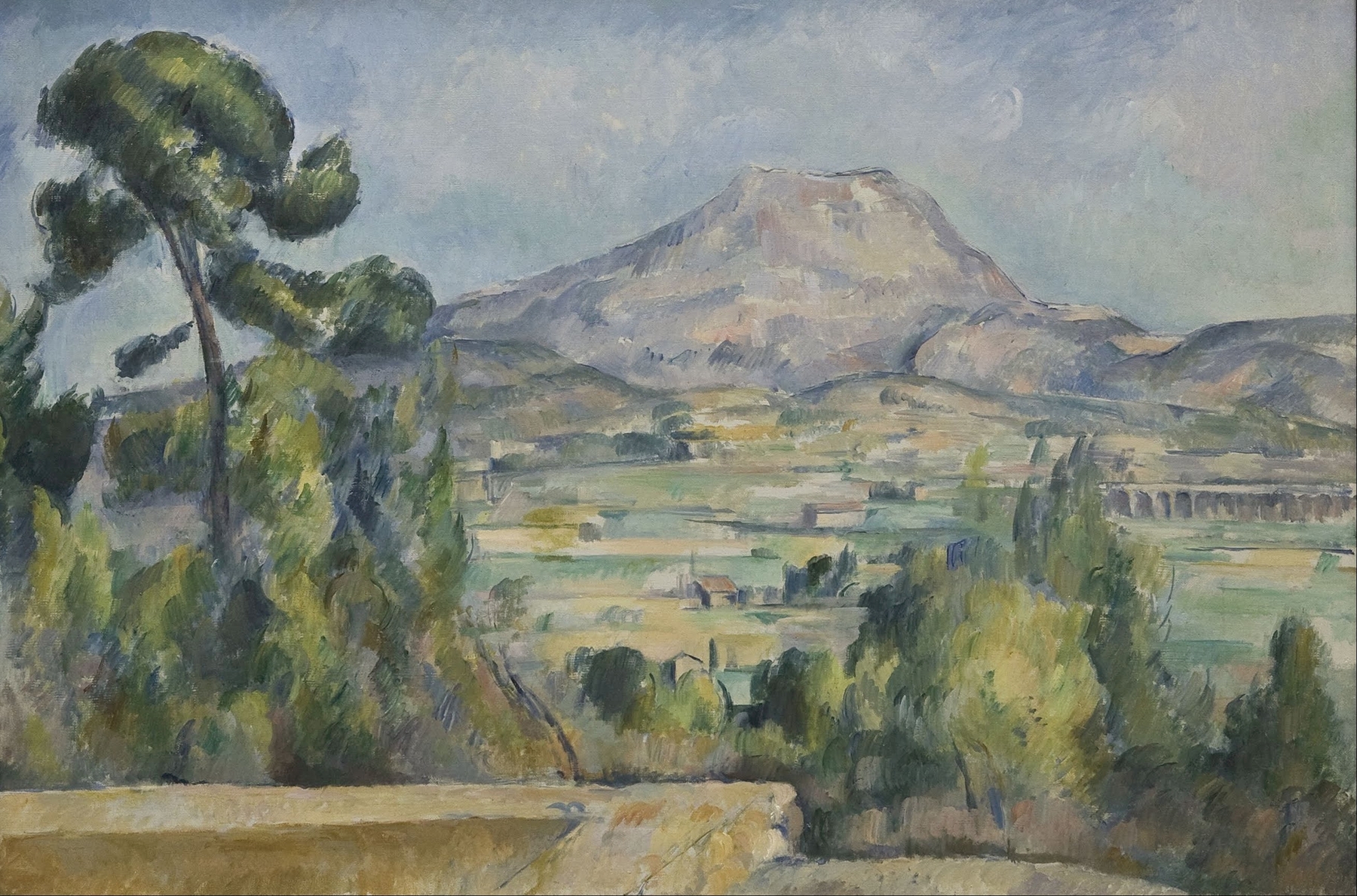
“Every brushstroke is a heartbeat remembered.” In the gentle embrace of nature, a winding path whispers the stories of lives intertwined with hope and resilience. Here, in a rural scene painted with the tenderness of memory, one cannot help but feel the pulse of the landscape echoing our own longing for connection. Look to the left, where the vibrant greens of the foliage brush against the silvery tones of the path, creating a lively contrast that leads your eye down a tranquil journey. Notice how the dappled sunlight filters through the trees, illuminating the textured surface of the road, each stroke evoking a sense of movement and life.
The composition draws you in, inviting you to wander where the brushstrokes come alive, revealing the artist's intimate understanding of nature’s rhythms. Delve deeper into the subtleties of this work, where the interplay of light and shadow embodies hope amid uncertainty. The soft edges and gentle curves of the path suggest an invitation to explore, while the looming trees, strong yet silent, offer both refuge and introspection. The juxtaposition of bright colors against muted tones captures the tension between aspiration and reality, crafting a narrative that speaks to the human experience.
Created in 1872-73, this piece emerged during Cézanne's formative years in Provence, a time when he sought to forge his own path in the art world. The burgeoning movement of Impressionism influenced his approach, as he sought to capture the essence of everyday life with vibrant color and innovative technique. As he stood before the landscape, a complex interplay of personal discovery and artistic evolution was taking place, forging a legacy that would shape modern art.