
Faggot Gatherers in a Wooden Landscape — History & Facts
In the interplay of light and shadow, we find the hidden truths of existence—those quietly flickering moments that reveal more than words ever could. Look to the left at the intricate detailing of the figures, hunched over their task, each brushstroke a testament to their labor. Notice how the soft greens and browns of the wooded landscape wrap around them like a protective cloak, creating an atmosphere that is both serene and isolating. The dappled sunlight filters through the trees, casting gentle shadows that dance across the scene, accentuating the delicate tension between the men’s toil and the surrounding nature. Beneath the surface of this pastoral view lie themes of struggle and survival.
The gathering of faggots, symbolic of humble labor, juxtaposes with the elegance of the natural world, suggesting a deeper commentary on societal class and the often-overlooked burdens of the lower tiers. The shadows weave an intricate narrative, hinting at the obscured identities and lives of the workers who seem to vanish within the landscape itself. This is a meditation on presence and absence, where labor becomes both a necessity and a form of invisibility. In 1862, this piece emerged from the creative mind of Diaz de La Peña while he was in France, a time when the art world was shifting from Romantic ideals to a focus on realism.
The artist found inspiration in the simplicity of rural life, seeking to capture the essence of everyday struggles and beauty against a backdrop of changing societal dynamics. His work reflects the tensions of a world caught between the grandeur of nature and the quiet dignity of laborers.
More Artworks by Narcisse-Virgile Diaz de La Peña
Browse all →
Forest Scene
Narcisse-Virgile Diaz de La Peña
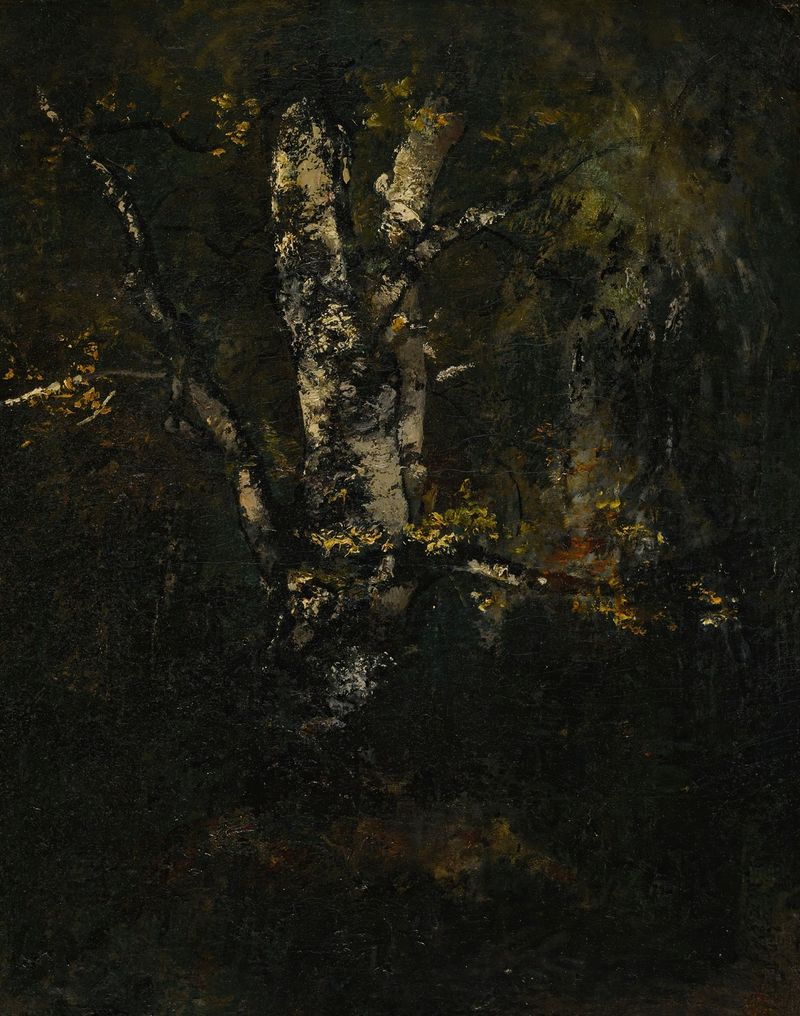
Vieux Troncs De Hêtres
Narcisse-Virgile Diaz de La Peña
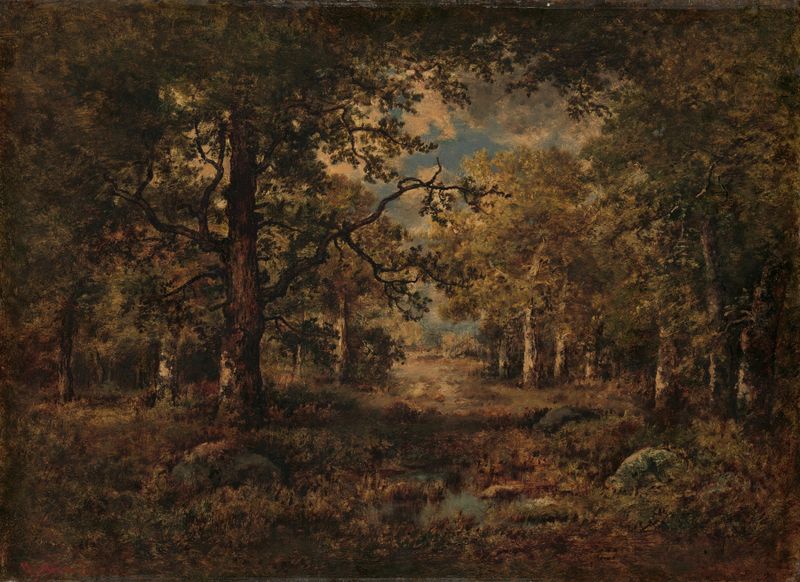
A Vista through Trees; Fontainebleau
Narcisse-Virgile Diaz de La Peña
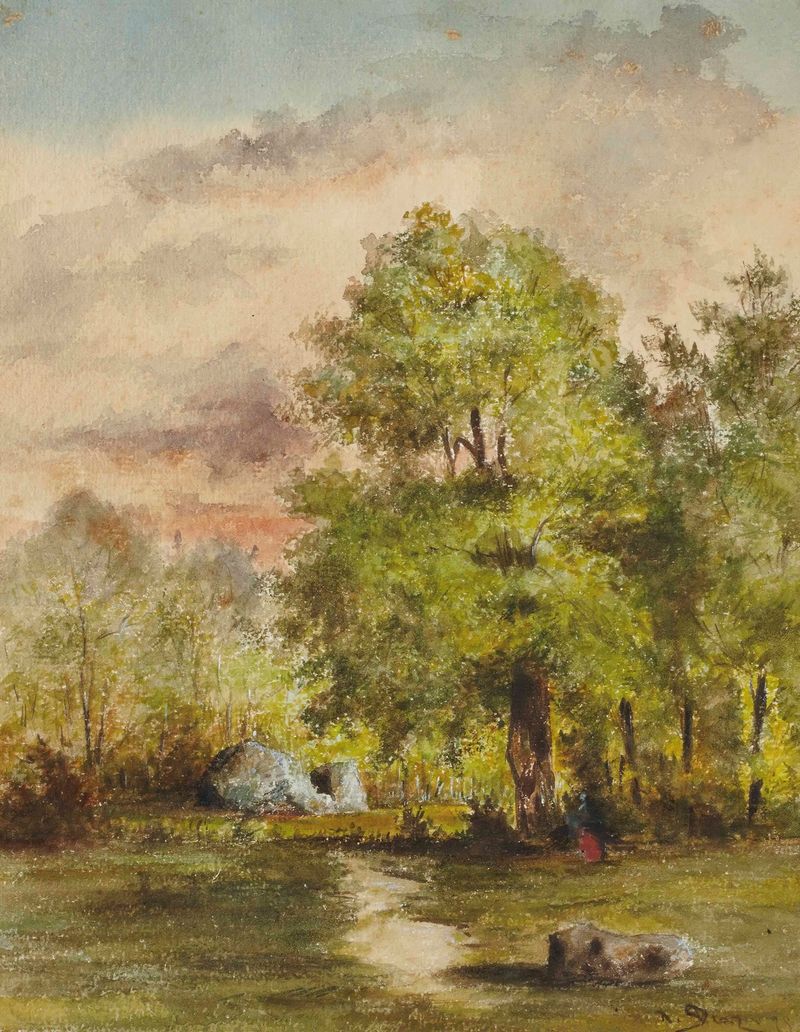
Vue d’une clairière
Narcisse-Virgile Diaz de La Peña

Pond in the Woods
Narcisse-Virgile Diaz de La Peña
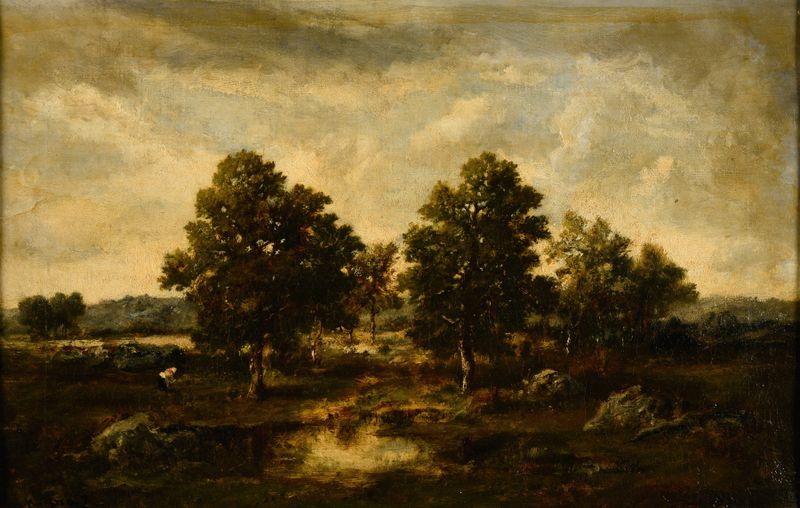
Mare dans une lande
Narcisse-Virgile Diaz de La Peña
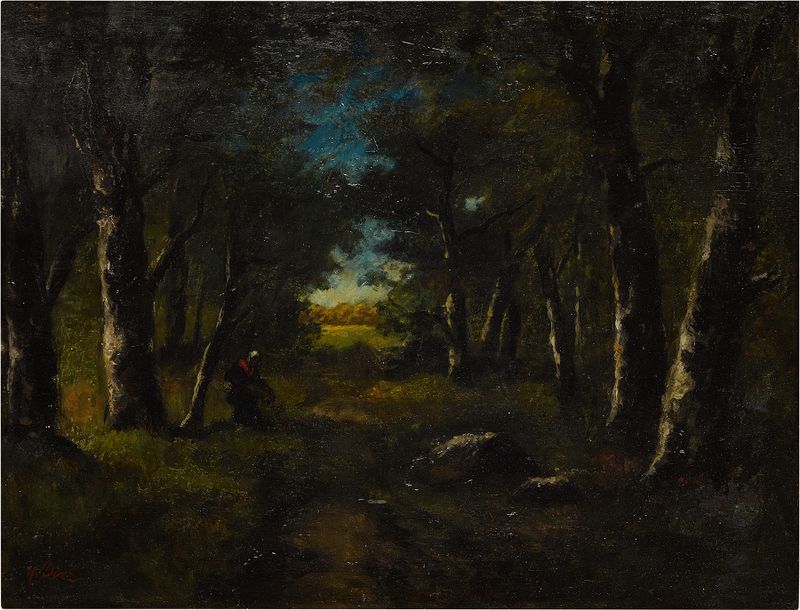
Foraging in the Forest
Narcisse-Virgile Diaz de La Peña
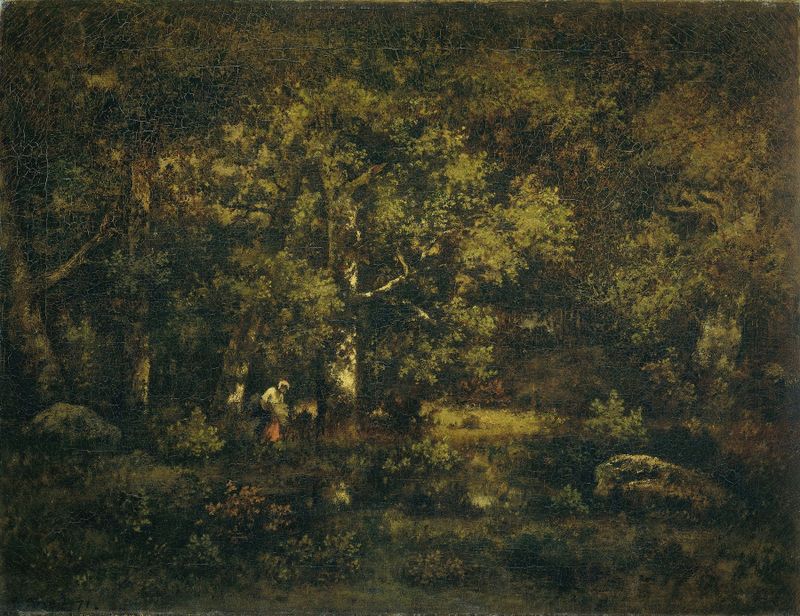
The Forest of Fontainebleau
Narcisse-Virgile Diaz de La Peña

Sous-bois
Narcisse-Virgile Diaz de La Peña

Stormy Landscape
Narcisse-Virgile Diaz de La Peña





