
Sous-bois — History & Facts
Could beauty survive in a century of chaos? Sous-bois invites us into a tranquil woodland, where the ethereal glow of filtered sunlight dances through the leaves above, casting gentle patterns on the forest floor. A solitary figure wanders among the trees, their presence a quiet testament to the enduring allure of nature, even amidst the tumult of life. Look to the left, where the lush greenery bursts forth in varying shades of emerald and jade, each leaf meticulously rendered with delicate brushstrokes. Focus on the vibrant palette that Díaz employs—the soft interplay of light and shadow creates a palpable depth, drawing your eye deeper into this enchanting world.
Notice how the dappled sunlight illuminates patches of wildflowers, their colors vivid against the dark, rich soil, symbolizing hope and resilience in a serene yet dynamic composition. In the heart of this painting lies an emotional tension between solitude and communion with nature. The figure, almost blending in with the surrounding foliage, embodies both an isolation from the chaos of the external world and a deep connection to the tranquil beauty of the woods. The meticulous detailing of flora suggests reverence for the natural world, while the play of light hints at a fleeting moment of transcendence, where time feels suspended and the soul is nourished. Díaz painted Sous-bois during a period of personal exploration, likely in the mid-19th century, when he was deeply engaged with the Barbizon School’s ideals of naturalism.
In the wake of industrialization, he sought to capture the sublime beauty of the French countryside, reflecting a collective yearning for solace amid societal upheaval. This work stands as a testament to his conviction that art could evoke a sense of peace and connection to nature, despite the noise of an uncertain era.
More Artworks by Narcisse-Virgile Diaz de La Peña
Browse all →
Forest Scene
Narcisse-Virgile Diaz de La Peña
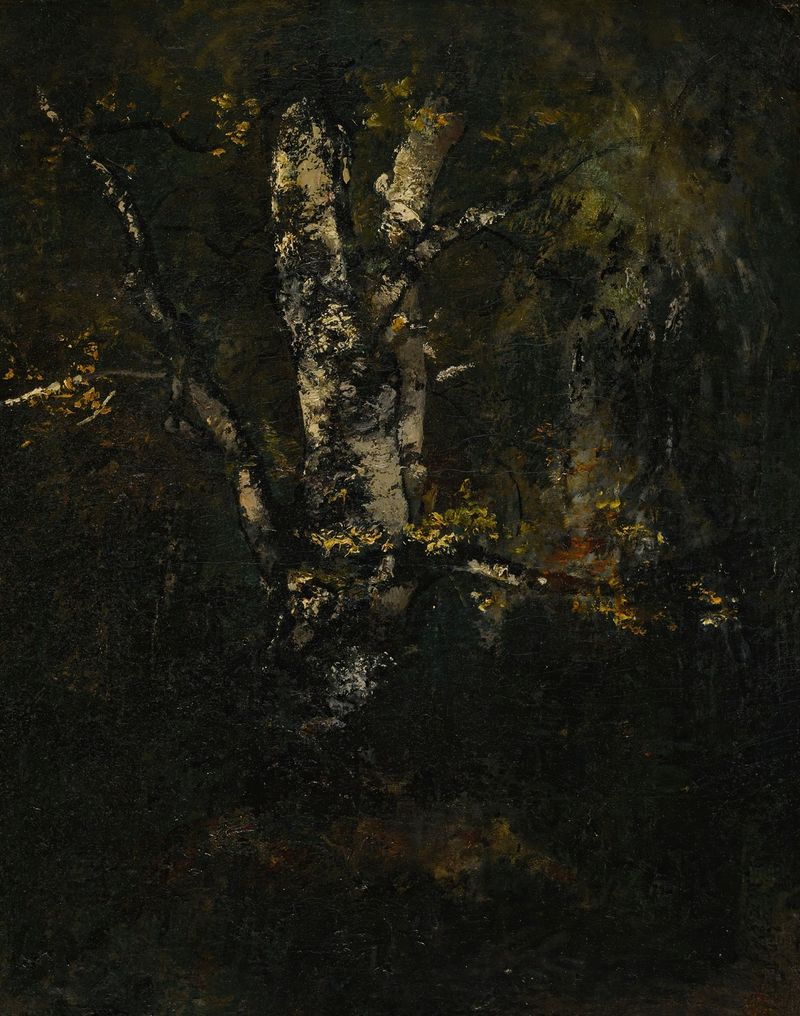
Vieux Troncs De Hêtres
Narcisse-Virgile Diaz de La Peña
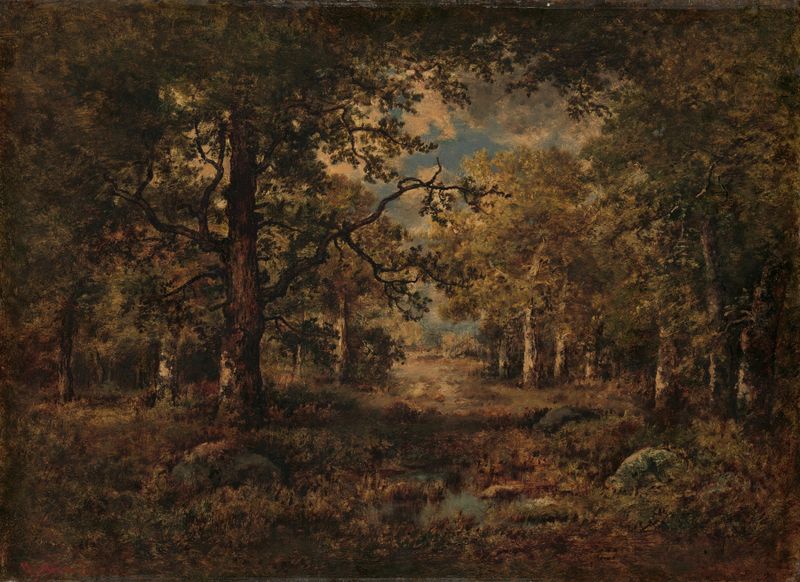
A Vista through Trees; Fontainebleau
Narcisse-Virgile Diaz de La Peña
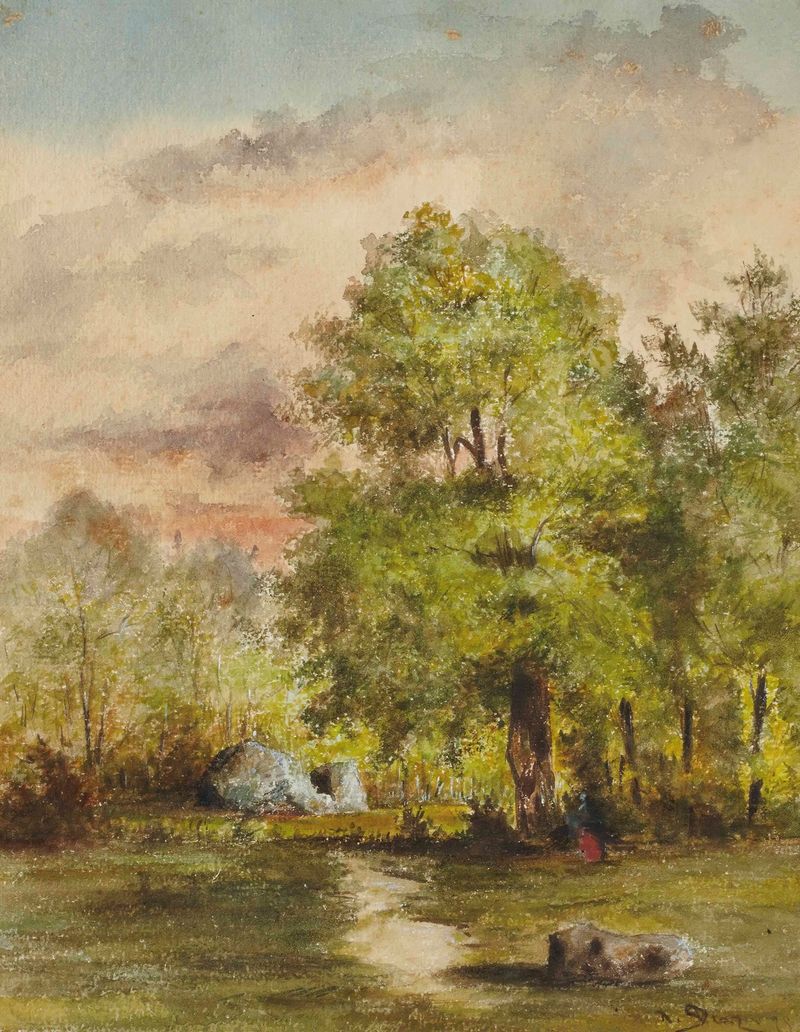
Vue d’une clairière
Narcisse-Virgile Diaz de La Peña

Pond in the Woods
Narcisse-Virgile Diaz de La Peña
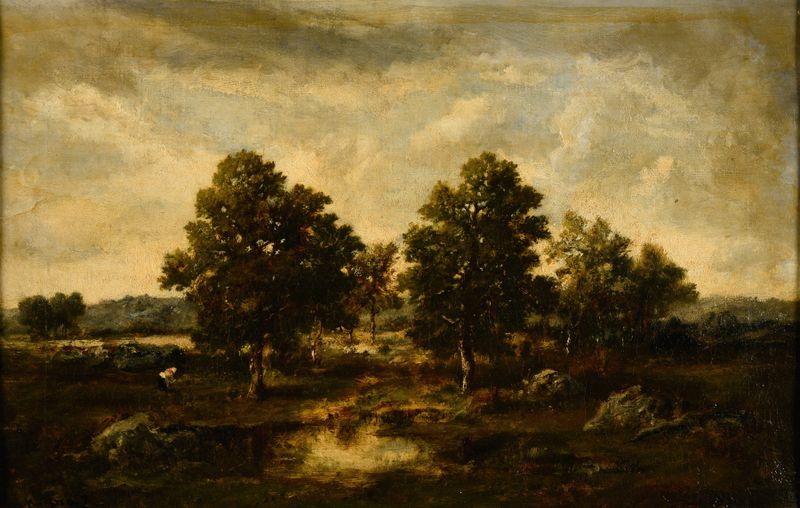
Mare dans une lande
Narcisse-Virgile Diaz de La Peña
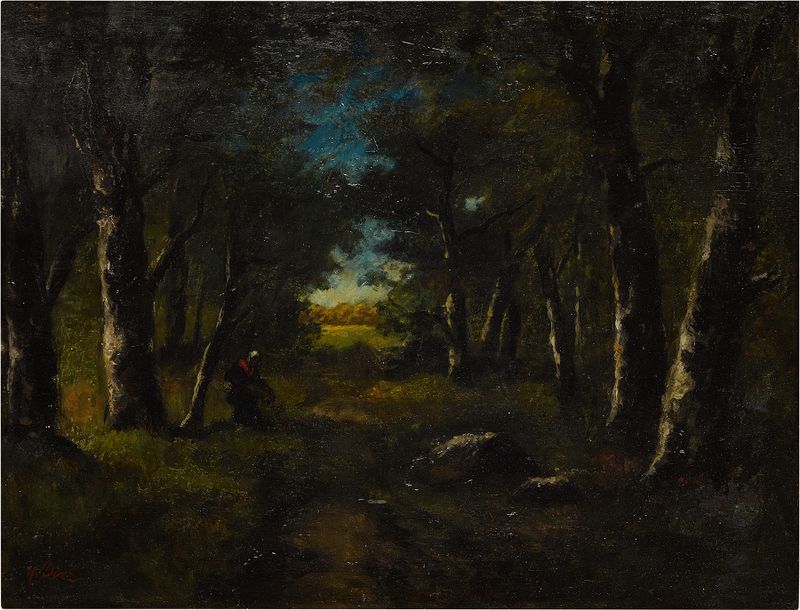
Foraging in the Forest
Narcisse-Virgile Diaz de La Peña
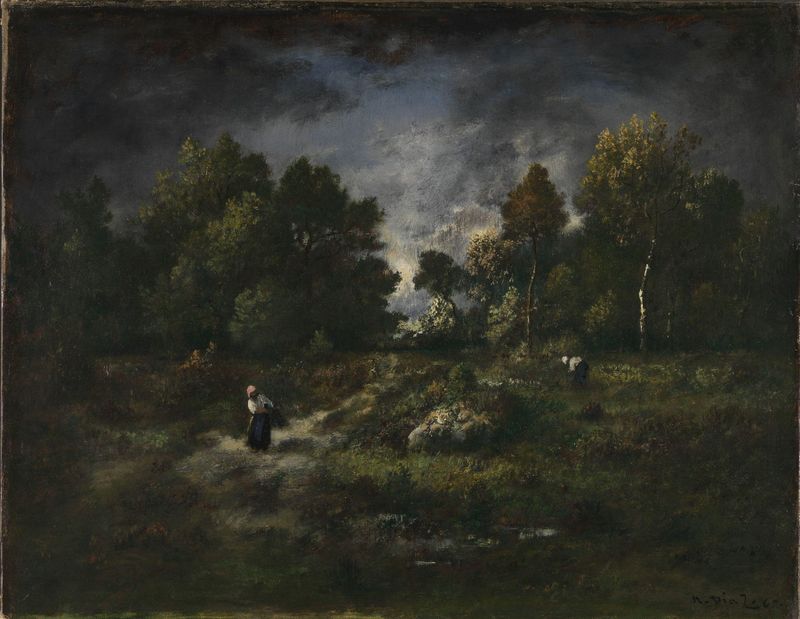
Faggot Gatherers in a Wooden Landscape
Narcisse-Virgile Diaz de La Peña
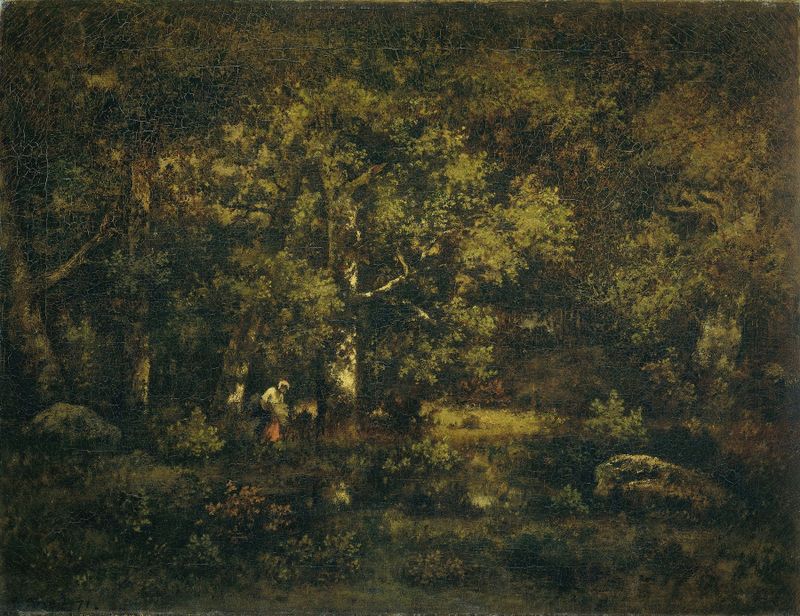
The Forest of Fontainebleau
Narcisse-Virgile Diaz de La Peña

Stormy Landscape
Narcisse-Virgile Diaz de La Peña





