
The Forest of Fontainebleau — History & Facts
In the lush embrace of nature, obsession finds its form through color and light, echoing the whispers of bygone days. Look to the left at the delicate play of greens and browns, where the dappled sunlight filters through the towering trees, casting an ethereal glow upon the forest floor. The brushwork feels both loose and deliberate, imbuing the foliage with life while inviting you to wander deeper into this tranquil realm. The soft palette exudes warmth, while the slightly hazy atmosphere evokes a sense of nostalgia, as if the very air is steeped in memories. Within the composition, a subtle tension emerges between harmony and chaos.
The untamed foliage suggests a world left untouched by human hands, a wildness that beckons yet remains elusive. Tiny figures hidden among the trees hint at human presence and obsession with nature, threaded with an almost palpable yearning for connection. The forest, teeming with life, feels alive with stories waiting to be uncovered, an invitation to reflect on the passage of time and memory. Created in 1871, this piece emerged during a period when the artist was deeply engaged with the Barbizon School's emphasis on realism and the natural world.
Living in France at a time of rapid industrialization, Diaz sought solace in the forest, capturing its beauty as a counter to encroaching urbanization. His work reflects not only his personal connection to nature but also the broader artistic movement seeking to celebrate the landscapes that define human experience.
More Artworks by Narcisse-Virgile Diaz de La Peña
Browse all →
Forest Scene
Narcisse-Virgile Diaz de La Peña
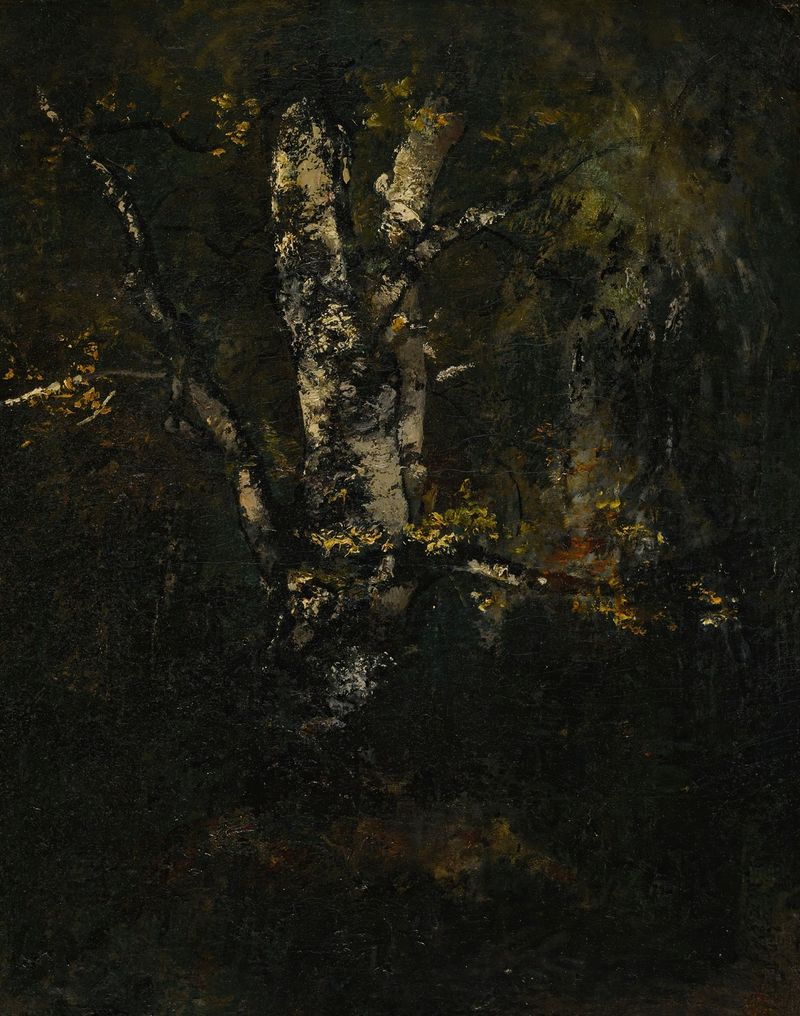
Vieux Troncs De Hêtres
Narcisse-Virgile Diaz de La Peña
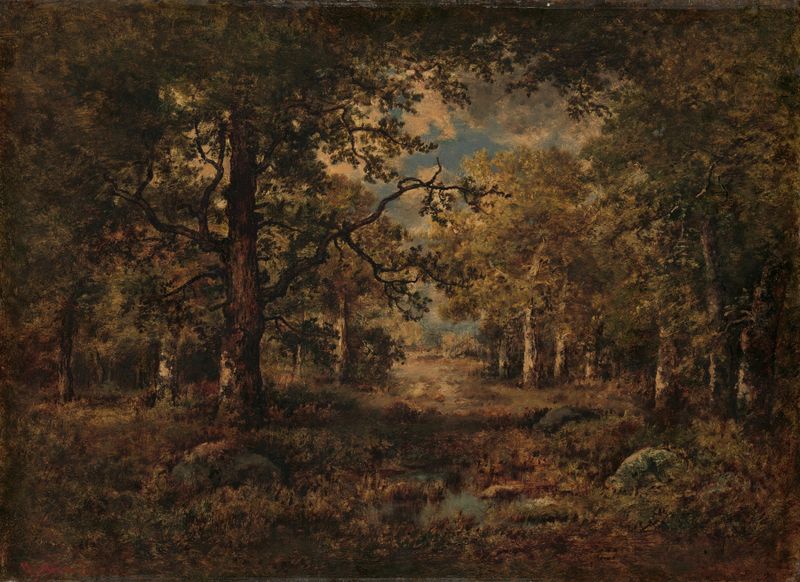
A Vista through Trees; Fontainebleau
Narcisse-Virgile Diaz de La Peña
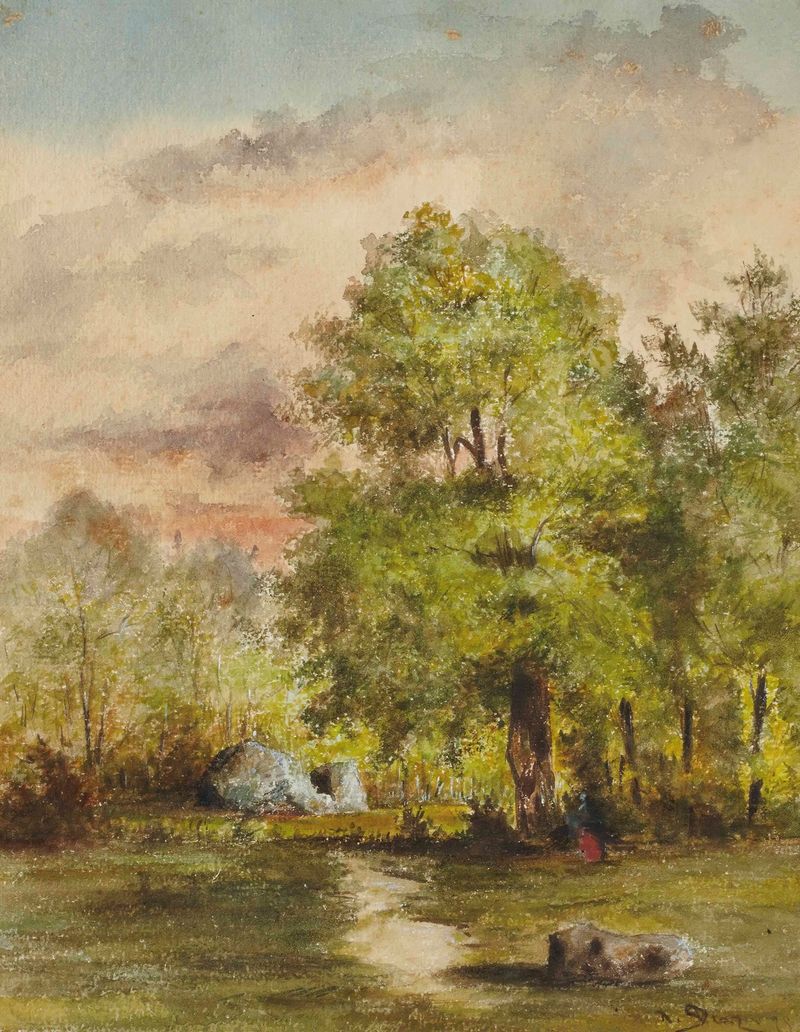
Vue d’une clairière
Narcisse-Virgile Diaz de La Peña

Pond in the Woods
Narcisse-Virgile Diaz de La Peña
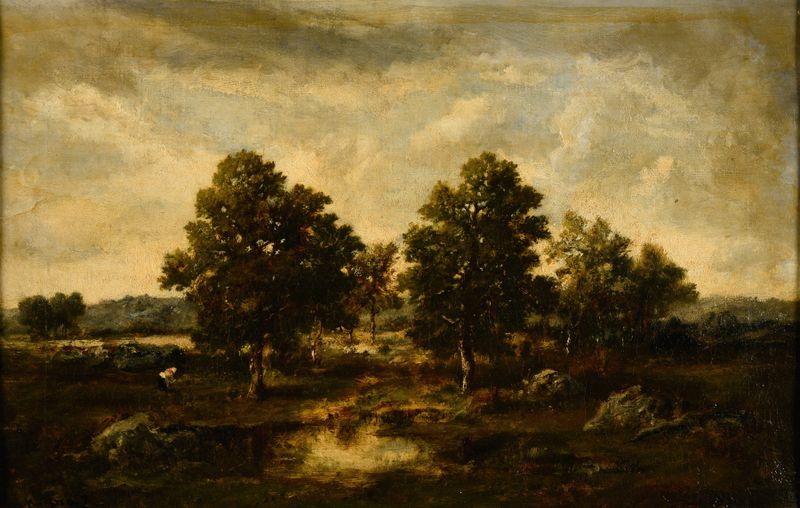
Mare dans une lande
Narcisse-Virgile Diaz de La Peña
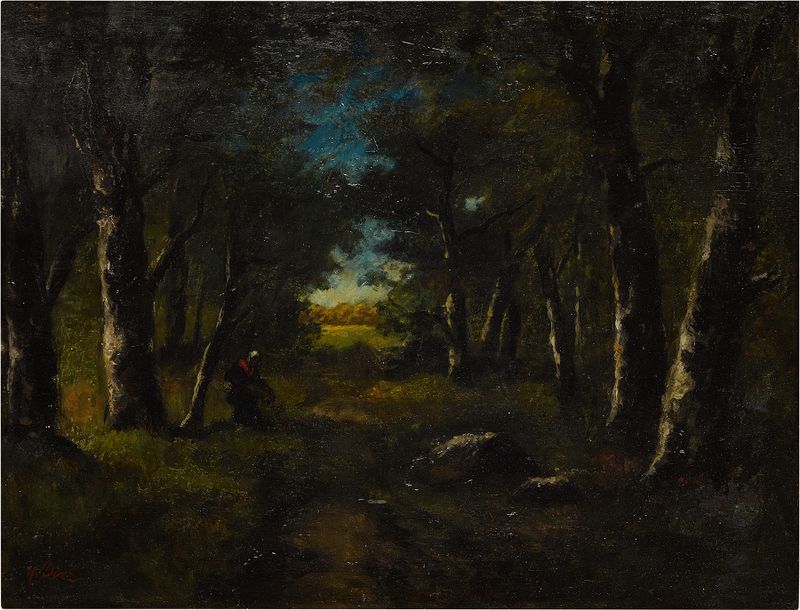
Foraging in the Forest
Narcisse-Virgile Diaz de La Peña
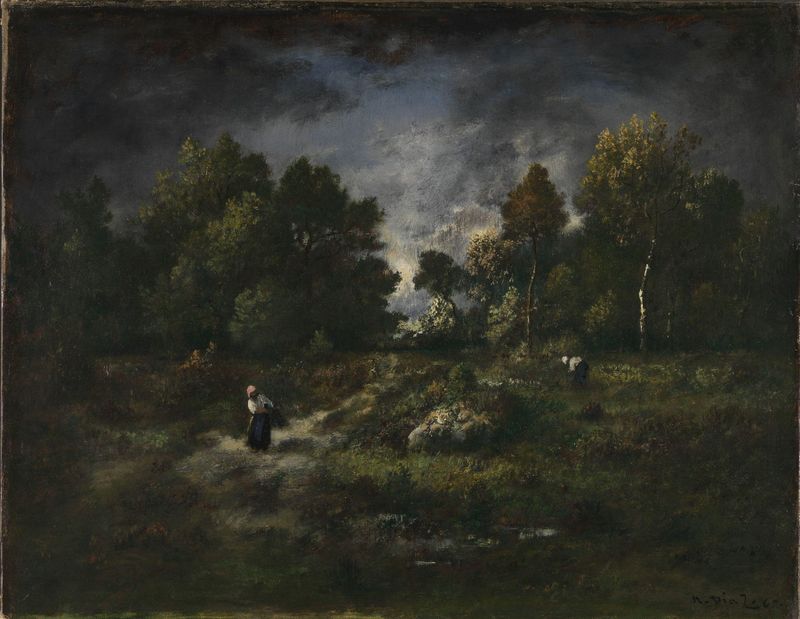
Faggot Gatherers in a Wooden Landscape
Narcisse-Virgile Diaz de La Peña

Sous-bois
Narcisse-Virgile Diaz de La Peña

Stormy Landscape
Narcisse-Virgile Diaz de La Peña





