
A Wooded Landscape with Travelers on a Path through a Hamlet — History & Facts
A shaft of afternoon light cuts through the dense canopy, drawing your eye to a winding path where daily life quietly unfolds. At the heart of A Wooded Landscape with Travelers on a Path through a Hamlet, the artist orchestrates a gentle encounter between villagers, travelers, and the land itself. The towering trees, rendered with meticulous care, dominate the scene, their gnarled branches framing clusters of cottages and figures.
Each detail is purposeful: the rider pausing at the bend, the children and animals at play, and the shifting shadows that signal both shelter and the passage of time. The mood is one of measured activity—neither hurried nor still—inviting the viewer to imagine the stories that might pass along this road. Painted circa 1665, this work belongs to the golden age of Dutch landscape painting, when scenes of rural life and wooded vistas were prized by urban collectors longing for a vision of the countryside. Artists like Abraham Storck responded to a growing market for such images, offering not just topographical records but idealized glimpses of harmony between people and nature.
The painting now resides in the J. Paul Getty Museum, a testament to the enduring appeal of these scenes. History has kept few traces of this particular canvas’s early journey, but its careful balance of light, structure, and human presence still rewards the attentive eye—look again, and the landscape might reveal another quiet drama.
More Artworks by Abraham Storck

The Muscovite legation visiting Amsterdam, 29 August 1697
Abraham Storck
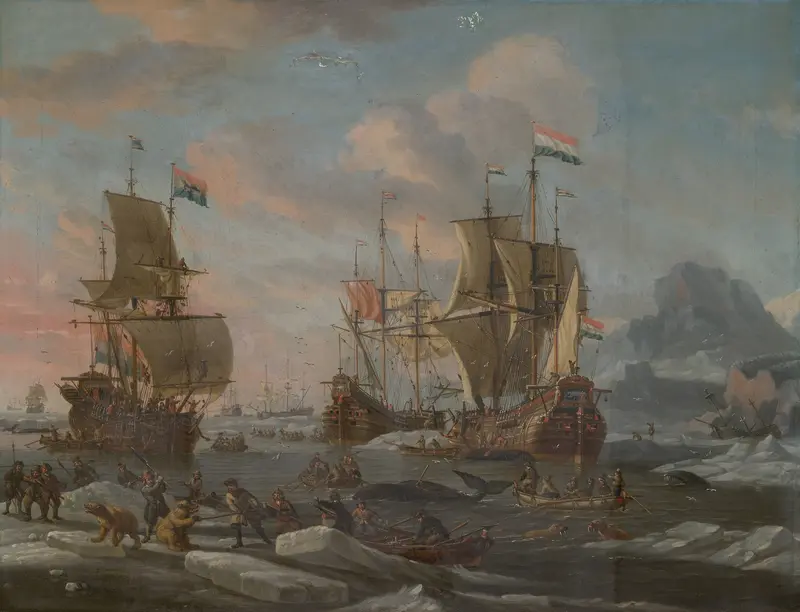
The Dutch Whaling Fleet
Abraham Storck
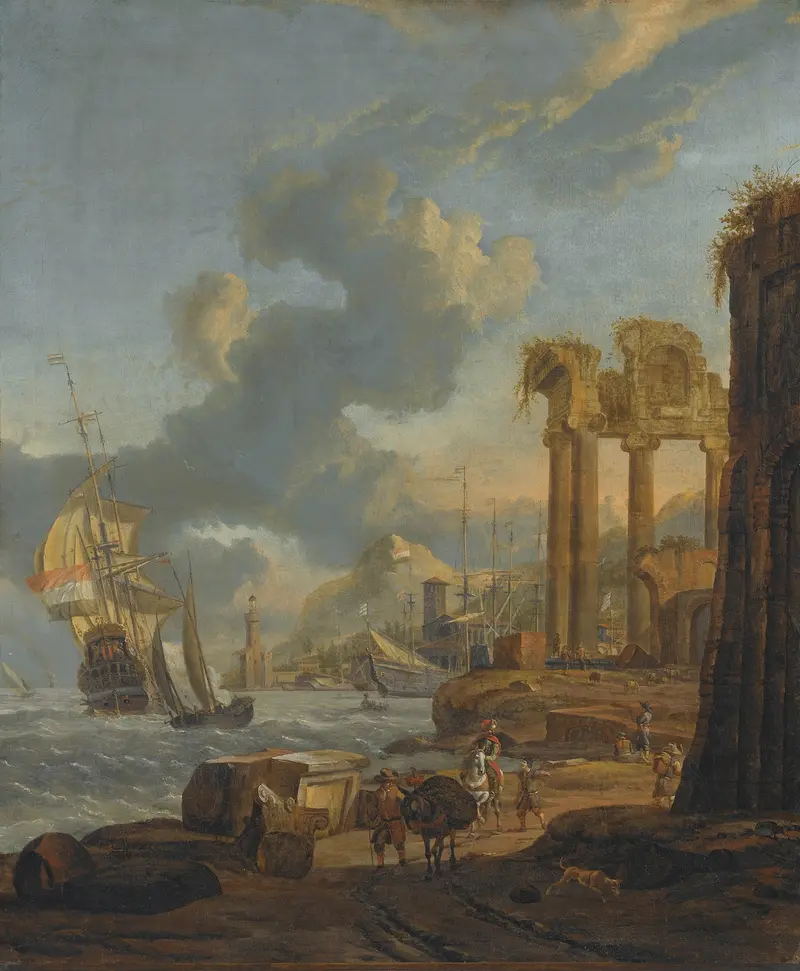
A Mediterranean Harbour Scene With Travellers On The Shore, A Dutch Man-Of-War On The Left
Abraham Storck
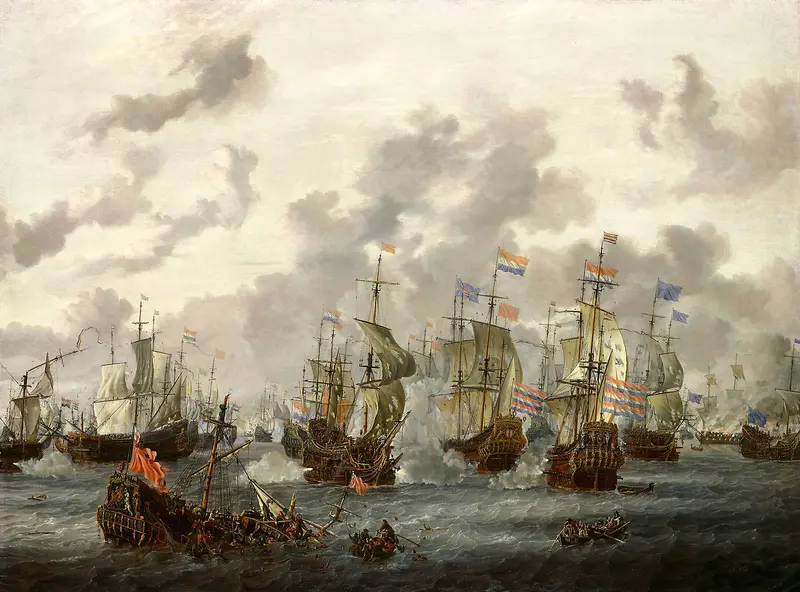
The Four Days’ Battle
Abraham Storck
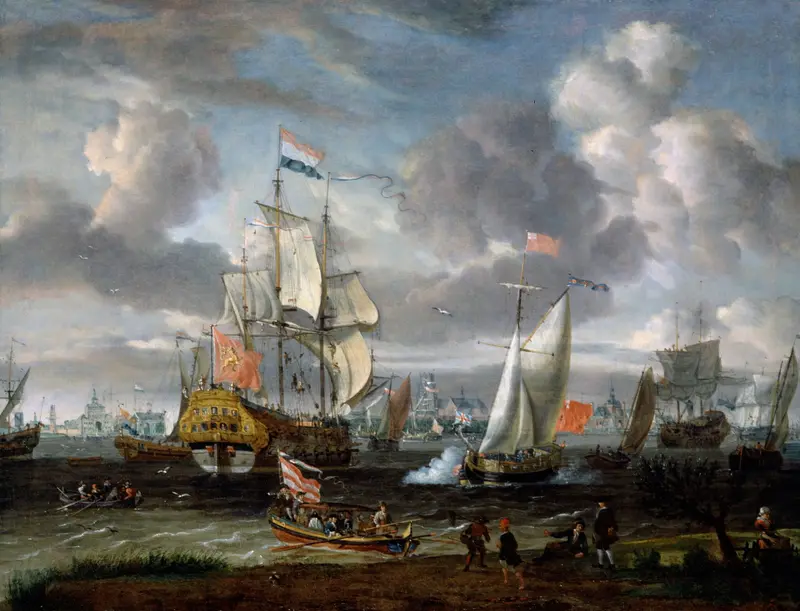
An English Yacht saluting a Dutch Man-of-War in the port of Rotterdam
Abraham Storck
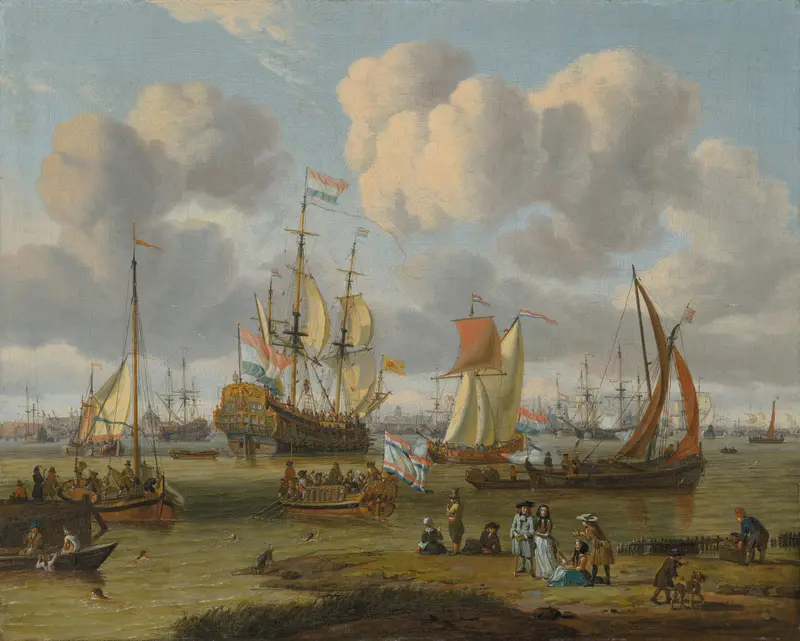
Shipping off Amsterdam with figures on a quay
Abraham Storck
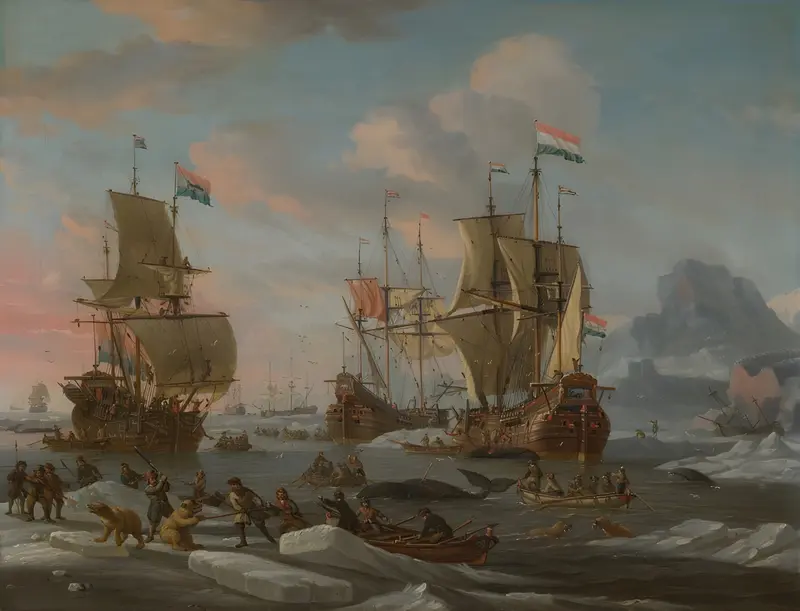
The Dutch Whaling Fleet
Abraham Storck
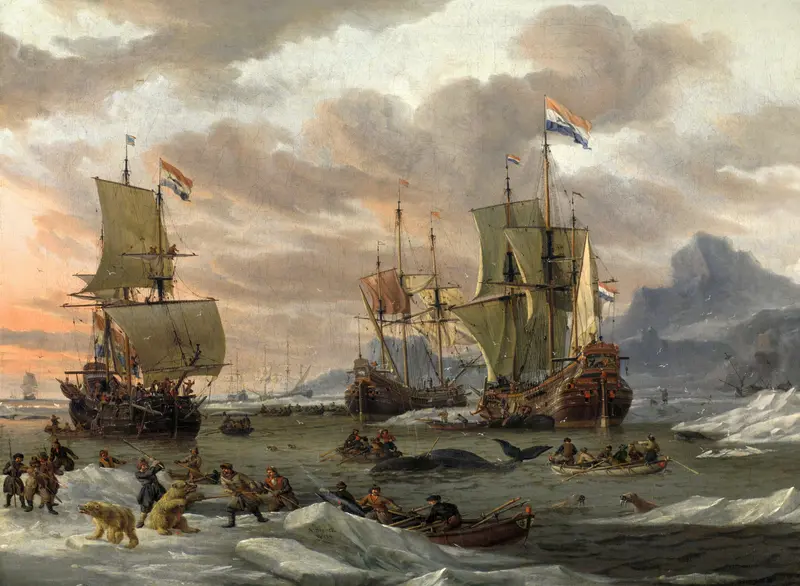
Whaling Grounds in the Arctic Ocean
Abraham Storck
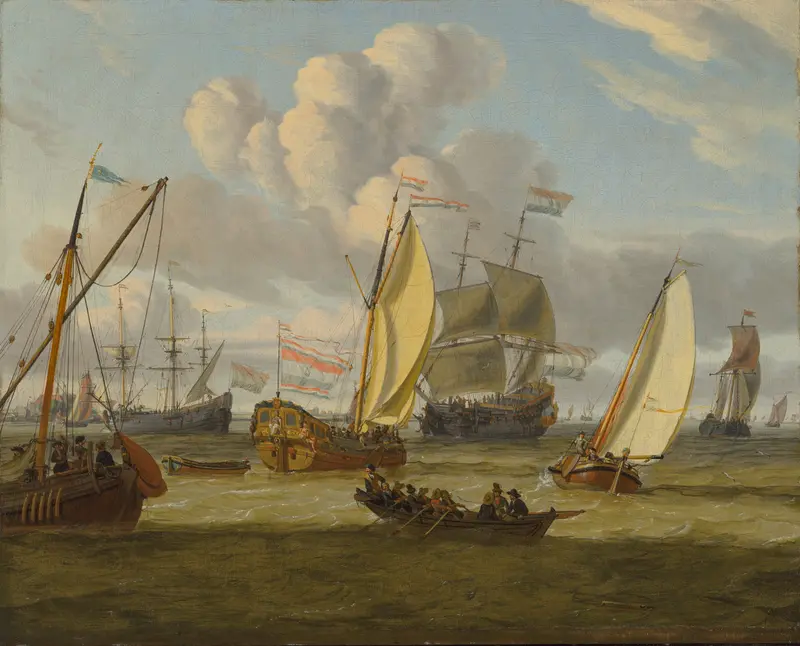
Shipping in an estuary
Abraham Storck
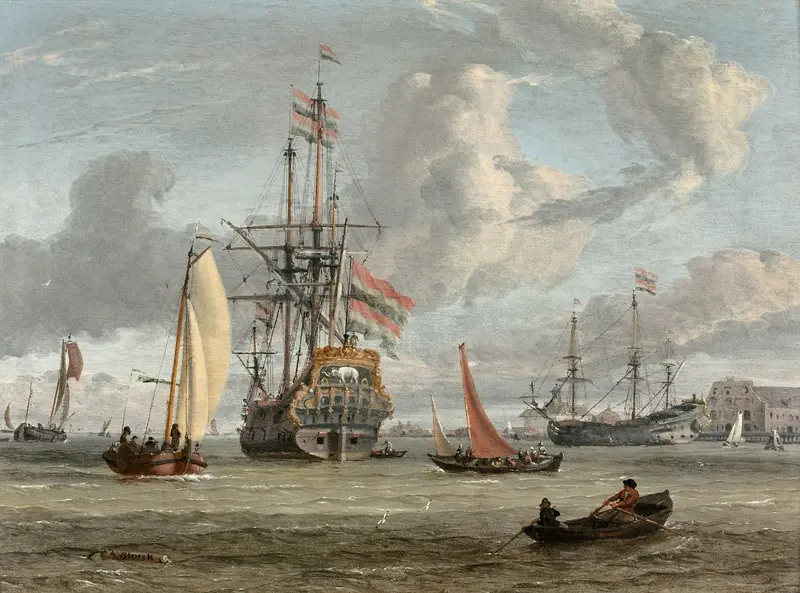
Grand navire de la couronne du Danemark près d’un littoral
Abraham Storck
More Landscape Art

The Starry Night
Vincent van Gogh

View of Delft
Johannes Vermeer

Water Lilies
Claude Monet

The Grand Canal, Venice, looking north-west from the Ca' Corner to the Ca' Contarini degli Scrigni, with the campanile of Santa Maria della Carità
Canaletto

Windsor Castle
Canaletto

The Grand Canal looking North-East from the Palazzo Dolfin-Manin to the Rialto Bridge
Canaletto