
Above The Sea — History & Facts
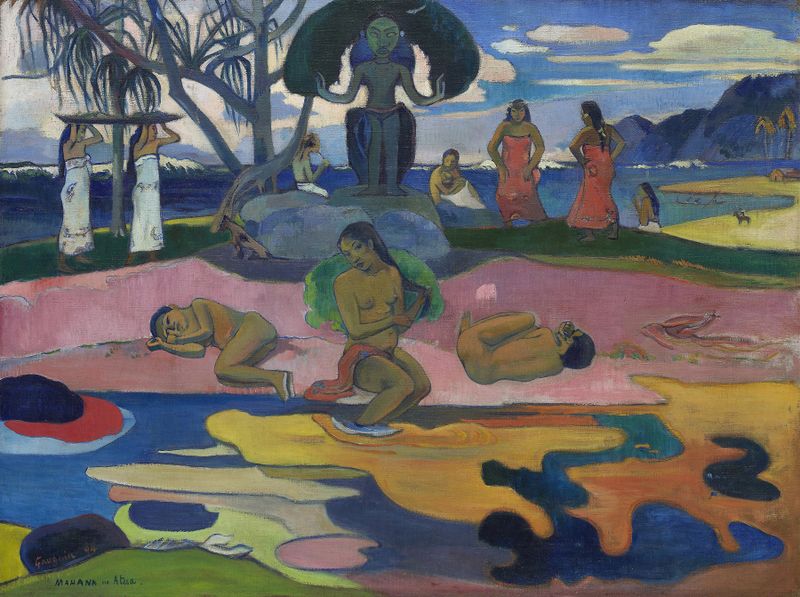
What if beauty was never meant to be finished? In Above The Sea, the vibrant hues and unfinished strokes evoke a sense of longing, echoing the profound grief that permeates the human experience. Look to the top right where the tumultuous waves of deep blue clash against the soft, warm yellows of the sky. Notice how the horizon blurs, a deliberate choice that suggests an otherworldly realm just beyond reach. The bold, expressive brushwork creates a sense of movement, as if the sea itself is alive, while the colors vibrate with emotional intensity, pulling the viewer into a world suspended between reality and dream. In the foreground, a solitary figure stands, arms outstretched, caught in a moment between despair and beauty.
The contrast of the figure’s muted earth tones against the vibrant background symbolizes the struggle between inner turmoil and the serene allure of nature. This tension invites contemplation on loss and the ephemeral nature of existence, highlighting the artist's own journey through suffering and self-discovery. Gauguin painted Above The Sea in 1889 while living in Tahiti, seeking solace from personal turmoil and the death of his father. At this time, he was immersed in exploring primal themes and vibrant colors, striving to convey deeper emotional truths through his work.
The painting reflects not only his artistic evolution but also a profound connection to the landscapes that inspired him during a period marked by both beauty and profound grief.
More Artworks by Paul Gauguin
Browse all →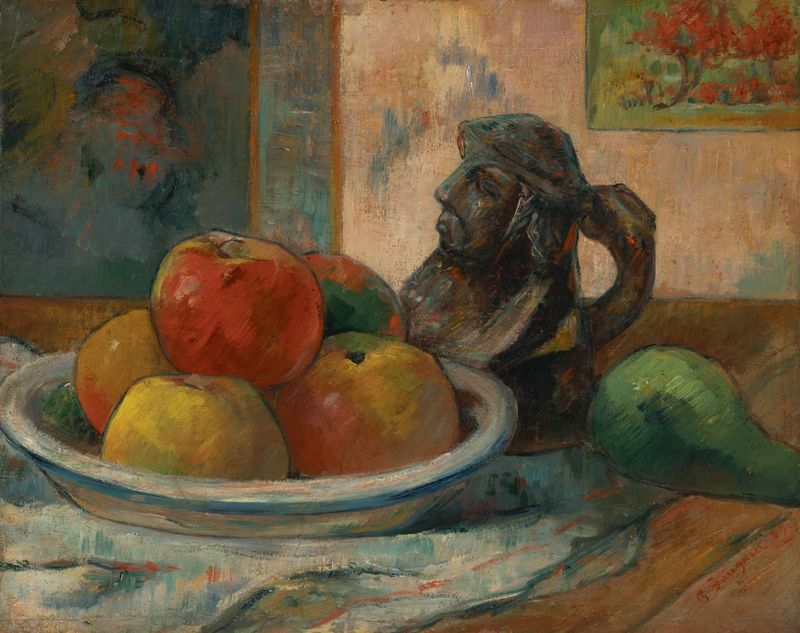
Still Life with Apples, a Pear, and a Ceramic Portrait Jug
Paul Gauguin
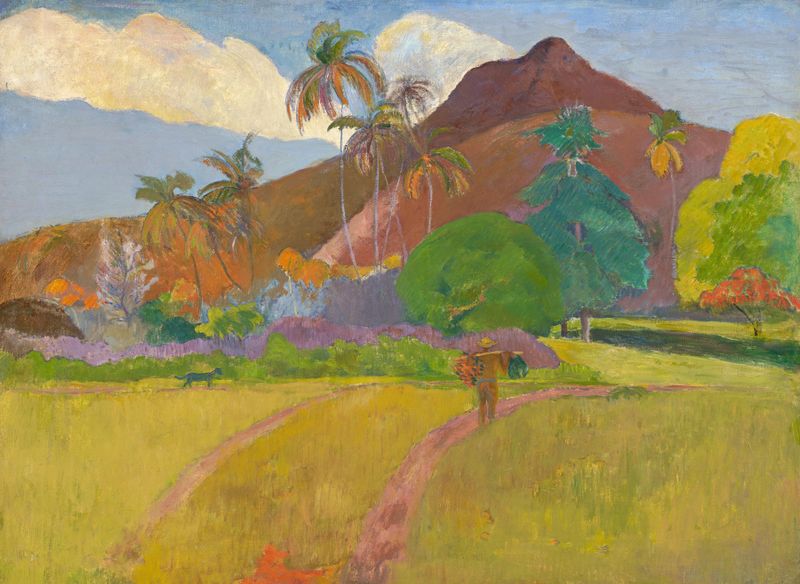
Tahitian Landscape
Paul Gauguin

Landscape near Pont-Aven
Paul Gauguin

No te aha oe riri (Why Are You Angry?)
Paul Gauguin
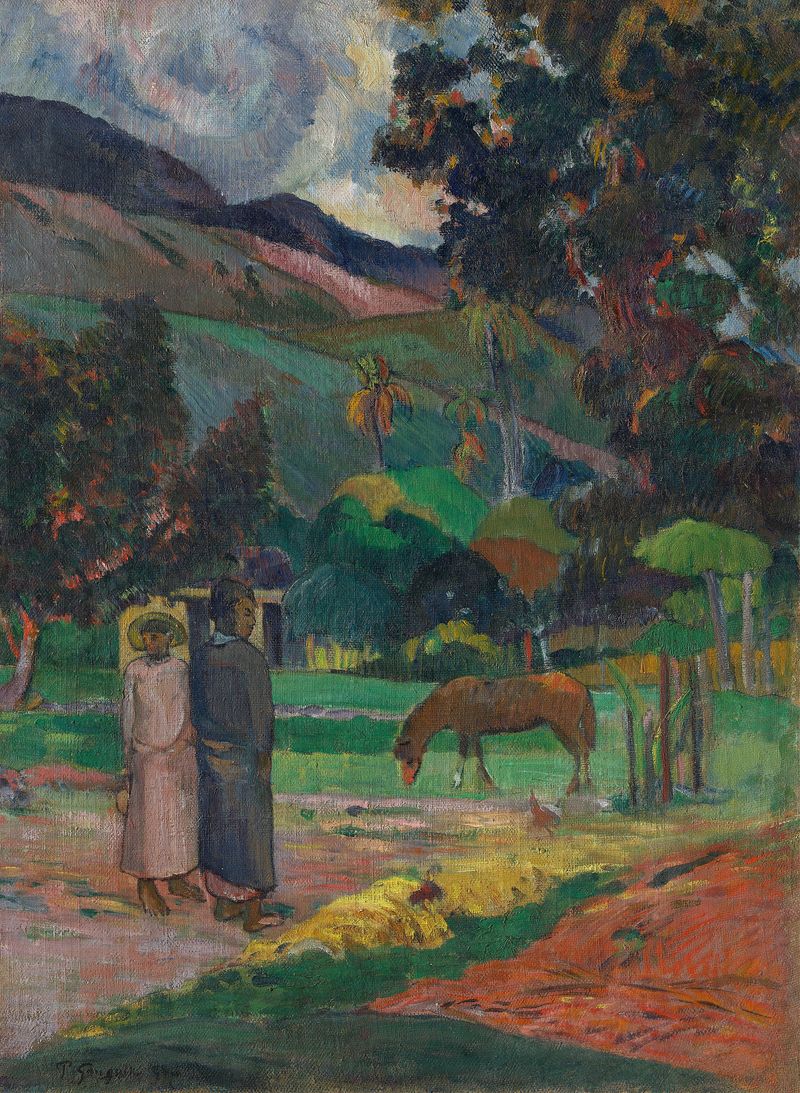
Tahitian Landscape
Paul Gauguin
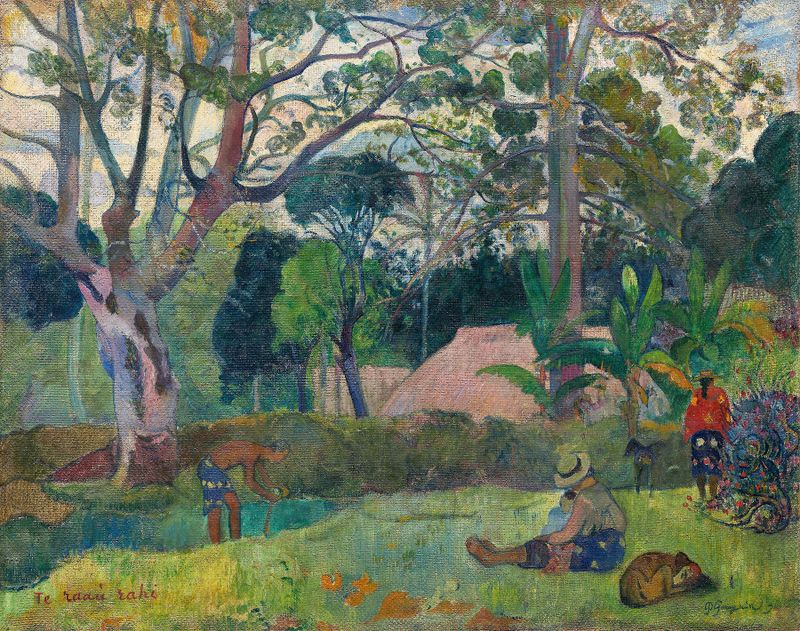
Te raau rahi (The Big Tree)
Paul Gauguin

Landscape at Le Pouldu
Paul Gauguin

Landscape of Brittany
Paul Gauguin

Poèmes Barbares
Paul Gauguin
Mahana no atua (Day of the God)
Paul Gauguin





