
Abraham en de drie engelen — History & Facts
Did the painter know this moment would outlive them? As time unfolds its tapestry, we witness a convergence of divinity and humanity, steeped in a tension that teeters between faith and madness. Look to the center where three angels converge around Abraham, their wings elegantly unfurled against a backdrop of muted greens and deep blues. Notice how the light softly caresses their radiant forms, creating a luminescent aura that almost pulsates with fervor. The careful detailing of Abraham's weathered face, etched with lines of wisdom and doubt, invites the viewer to ponder the weight of divine promise held within fleeting earthly moments. Within the composition lies a delicate complexity: the juxtaposition of the serene expressions of the angels against Abraham's furrowed brow speaks to an inner turmoil.
Each angel embodies a different aspect of divine communication—one of reassurance, another of foreboding, and the last steeped in mystery—collectively urging a reflection on the fragile line between sanity and divine madness. The colors are not merely decorative; they evoke emotional tensions, revealing a world where faith both grounds and unravels the soul. Lucas van Leyden painted this work between 1511 and 1515 during a period of intense artistic innovation in Northern Europe. Having achieved recognition early in his career, he was navigating the burgeoning influence of humanism, which permeated the art world.
The themes of divine encounters and existential questioning were not only personal to him but resonated widely amidst a society grappling with an evolving understanding of faith and reason.
More Artworks by Lucas van Leyden
Browse all →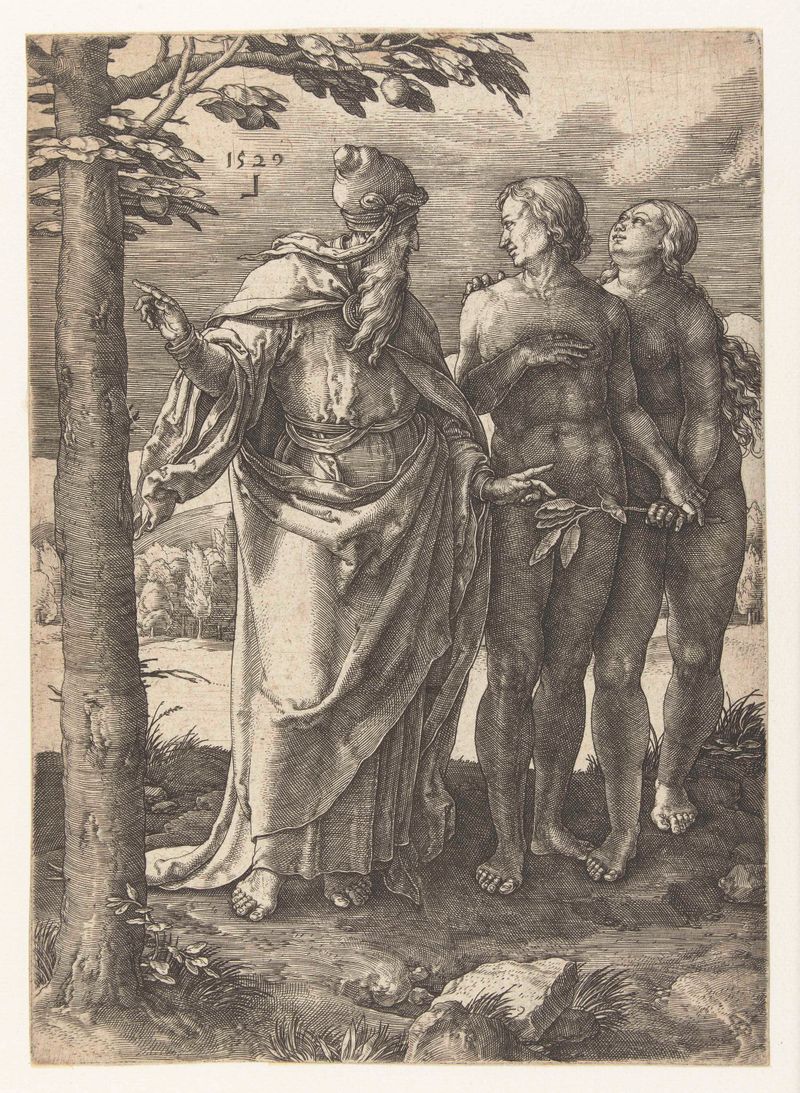
Het eerste verbod
Lucas van Leyden
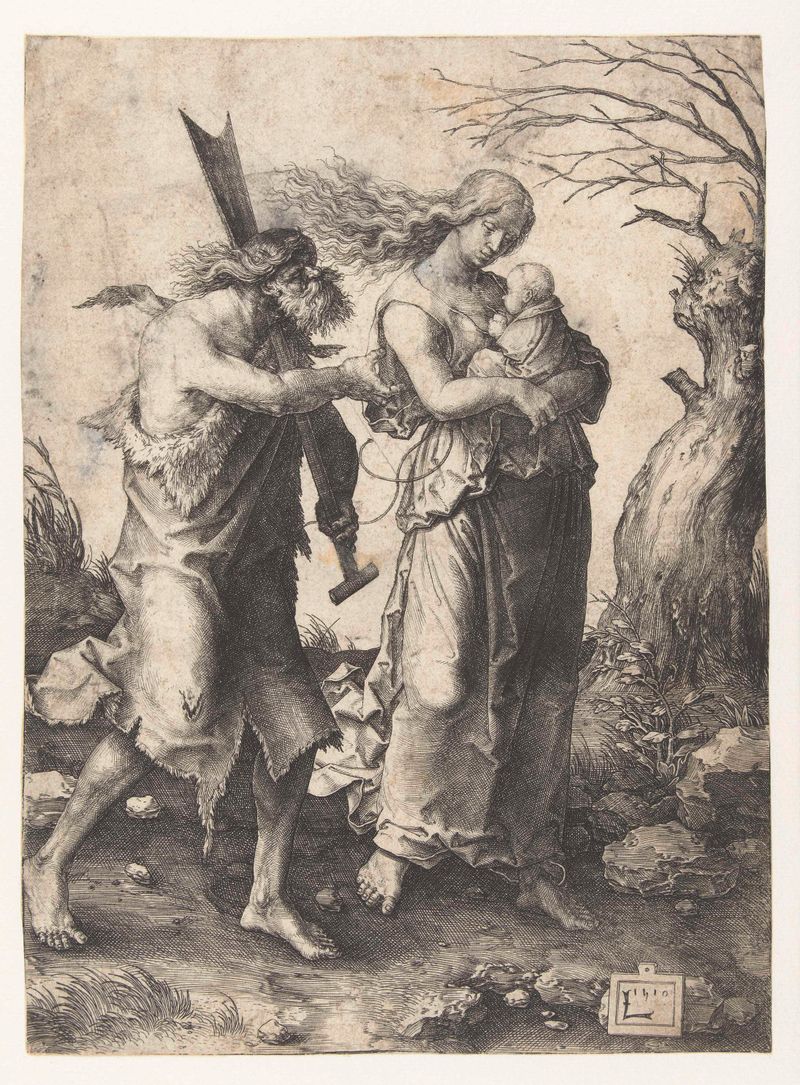
Adam en Eva na de verdrijving uit het paradijs
Lucas van Leyden
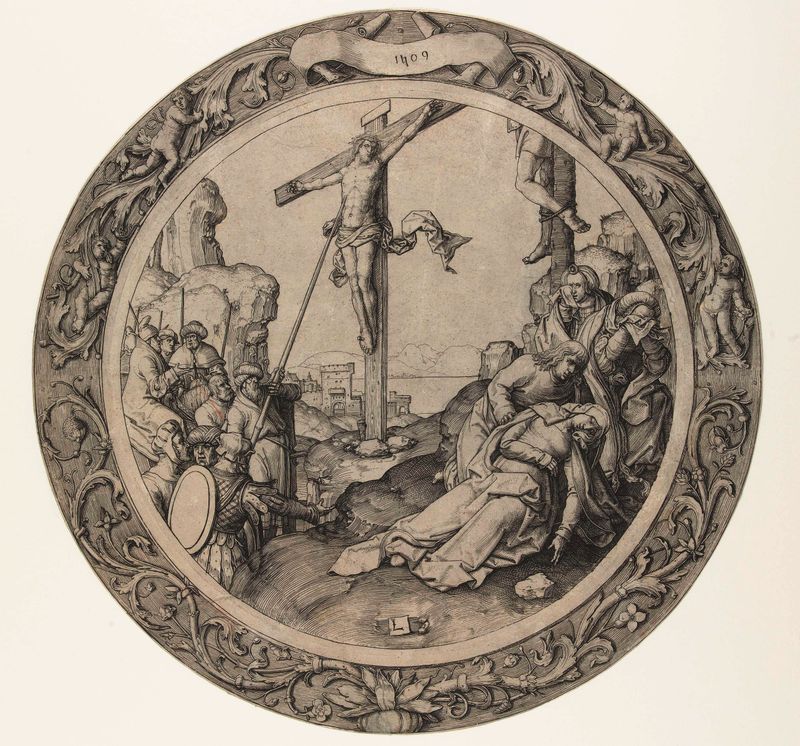
De kruisiging
Lucas van Leyden
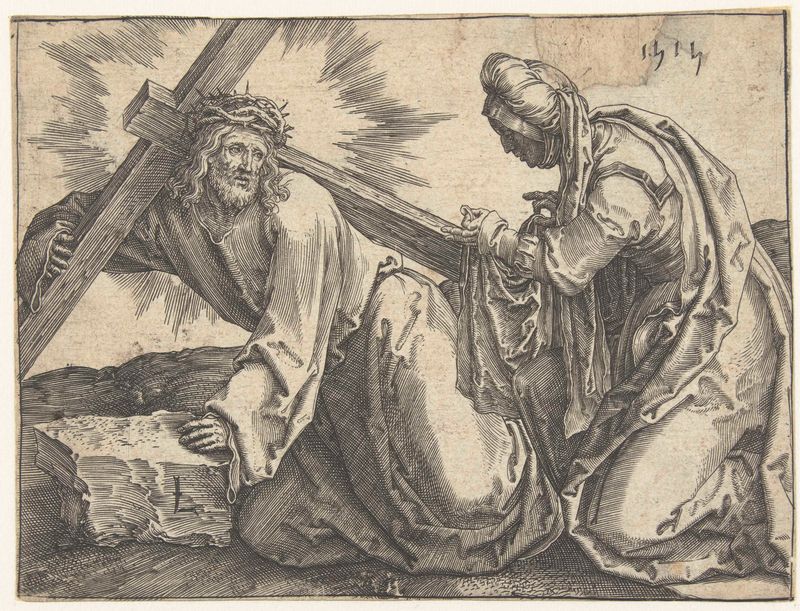
Kruisdraging
Lucas van Leyden
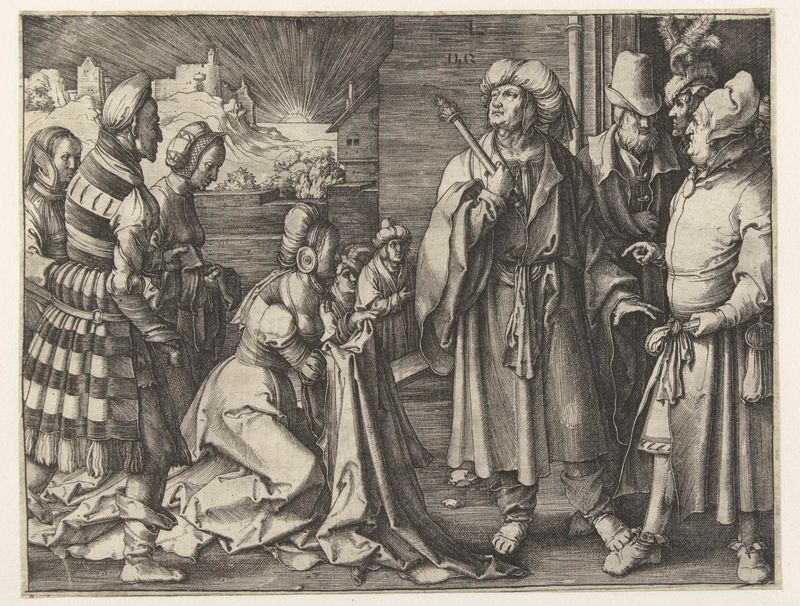
De vrouw van Potifar beschuldigt Jozef
Lucas van Leyden
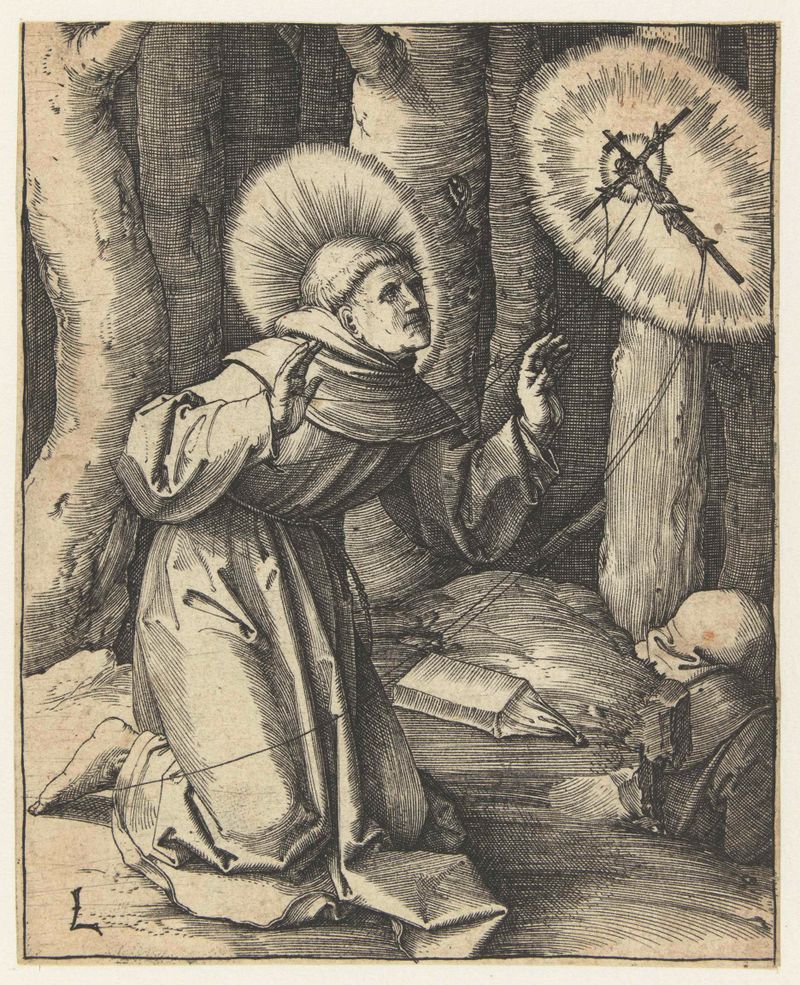
De stigmatisatie van de heilige Franciscus
Lucas van Leyden
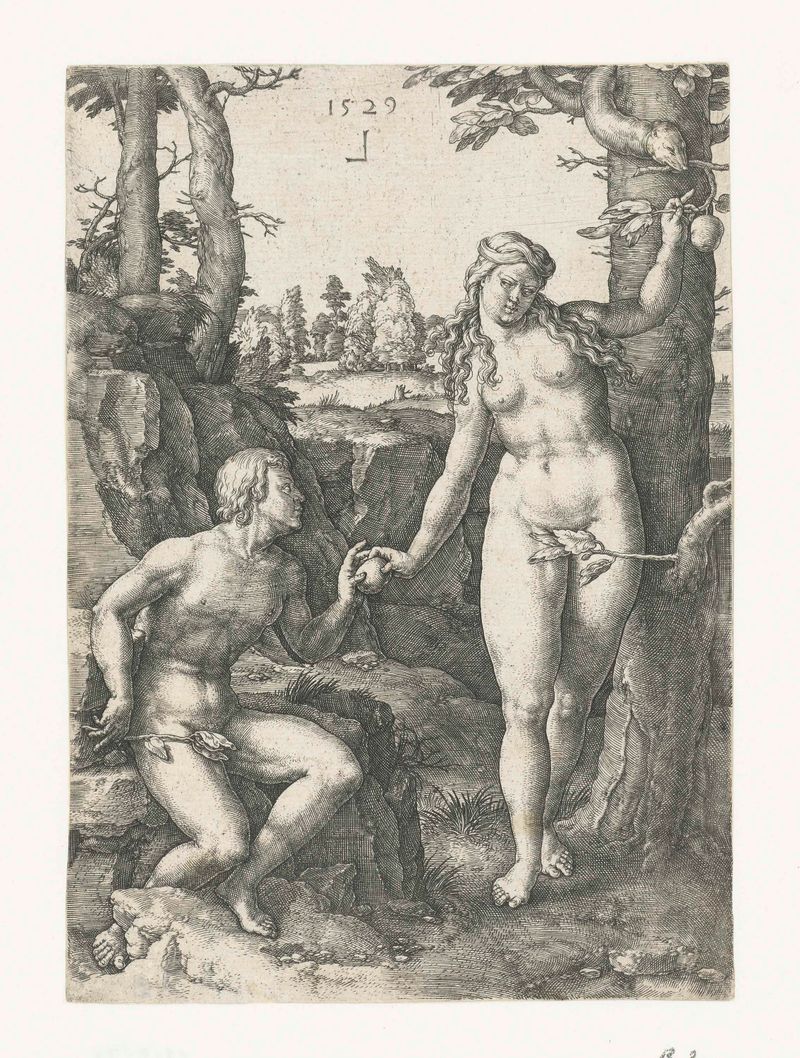
De zondeval
Lucas van Leyden
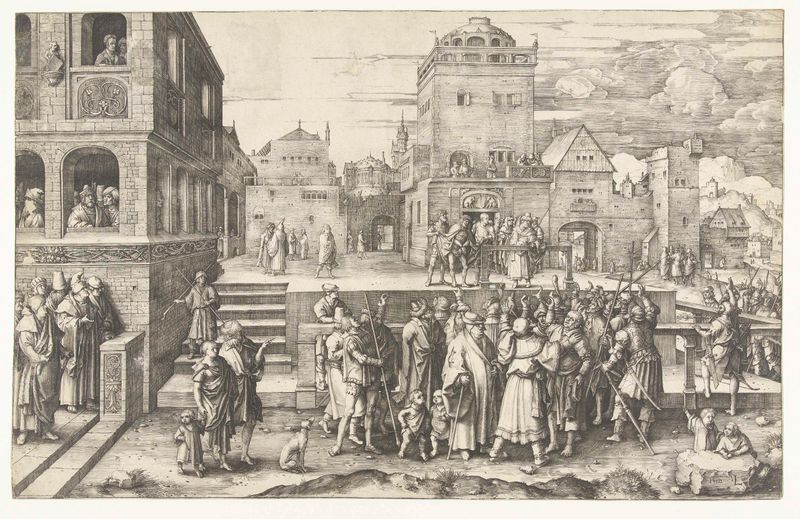
De grote Ecce Homo
Lucas van Leyden
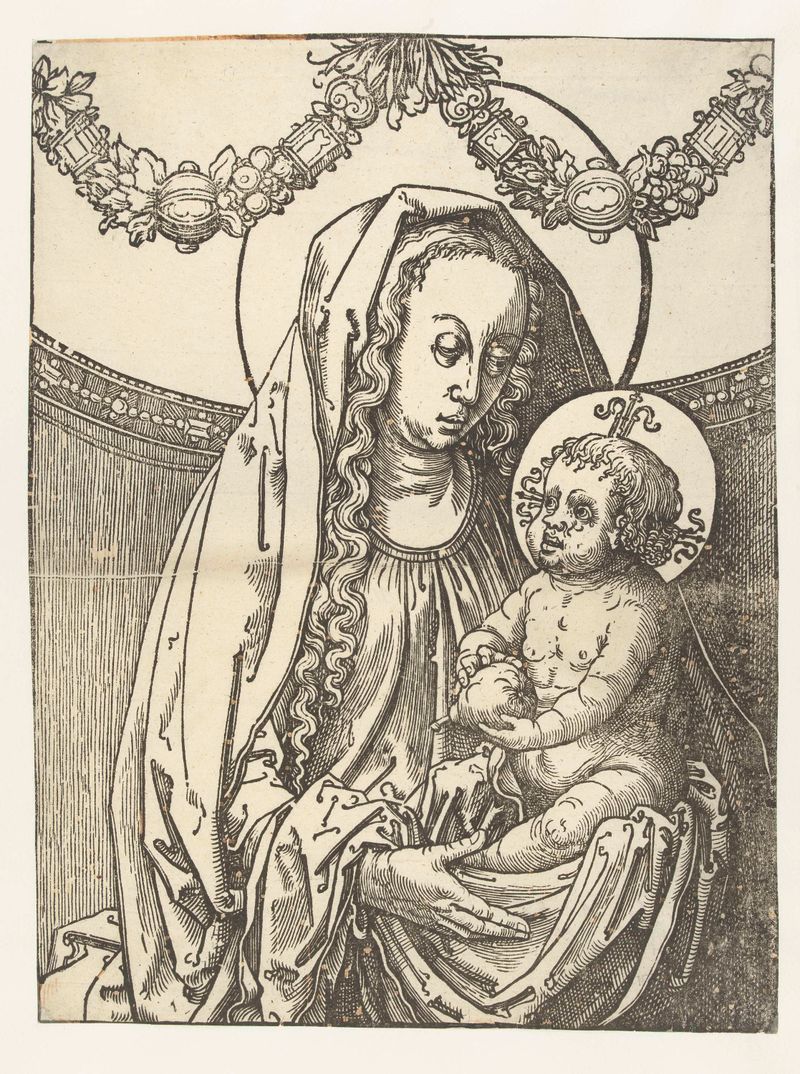
Maria met kind
Lucas van Leyden

Doornenkroning
Lucas van Leyden
More Religious Art
Browse all →
The Return of the Prodigal Son
Rembrandt van Rijn

The Garden of Earthly Delights
El Bosco

Count Orgaz’ funeral
El Greco

The Hundred Guilder Print: the central piece with Christ preaching, the plate arched
Rembrandt van Rijn

The Descent from the Cross
Rogier van der Weyden

The return of the prodigal son
Rembrandt van Rijn