
Abraham stuurt Hagar weg — History & Facts
Where does light end, and longing begin? In the delicate chiaroscuro of this early 16th-century work, the boundary between physical reality and emotional depth blurs, revealing profound truths about human experience. Look to the left at the figure of Hagar, her silhouette stark against the warm glow of the descending sun. Van Leyden’s meticulous attention to detail is evident in the textures of her garments, which seem to catch the light just as her heart catches the weight of abandonment. Notice how the sharp contrast between the bright foreground and the shaded background creates a palpable tension, emphasizing the isolation that envelops her.
The artist’s use of color—rich earth tones interspersed with vibrant highlights—pulls the viewer into an intimate moment of despair. Beneath the surface lies a narrative steeped in familial conflict and sacrifice. The profound sorrow in Hagar's expression reflects a mother’s struggle and resilience against the backdrop of societal expectations. Here, the act of sending her away is not merely a physical separation; it symbolizes the severing of maternal bonds and the harsh realities of survival.
The thoughtful arrangement of figures around her speaks volumes about her emotional state, contrasting her vulnerability with the stoic presence of Abraham and the looming shadows of judgment. Created in 1516, this work emerged at a time when religious tensions were shaping the artistic landscape. Lucas van Leyden was navigating his own evolution as an artist in the Northern Renaissance, exploring themes of human emotion and moral dilemma. His focus on narrative depth foreshadowed the way future artists would tackle complex human issues, making his work both a reflection of his time and a timeless exploration of truth.
More Artworks by Lucas van Leyden
Browse all →
Het eerste verbod
Lucas van Leyden
Adam en Eva na de verdrijving uit het paradijs
Lucas van Leyden
De kruisiging
Lucas van Leyden
Kruisdraging
Lucas van Leyden
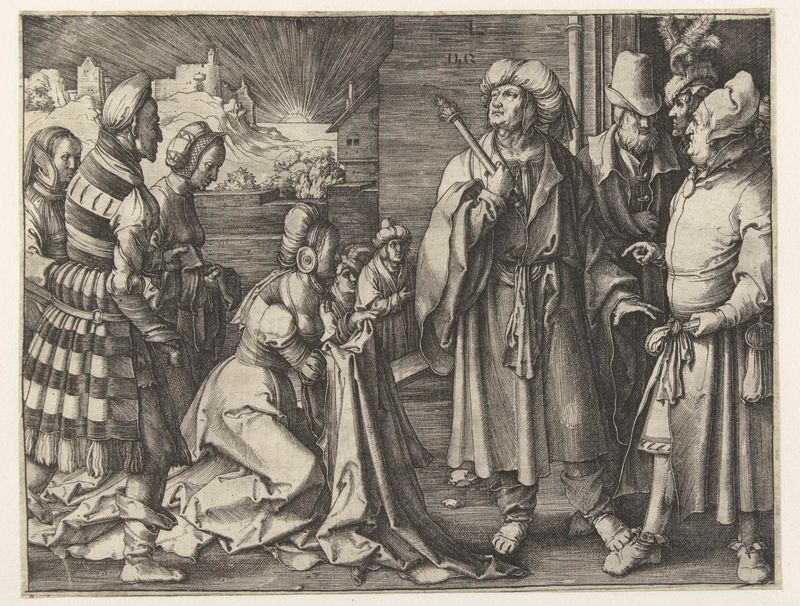
De vrouw van Potifar beschuldigt Jozef
Lucas van Leyden
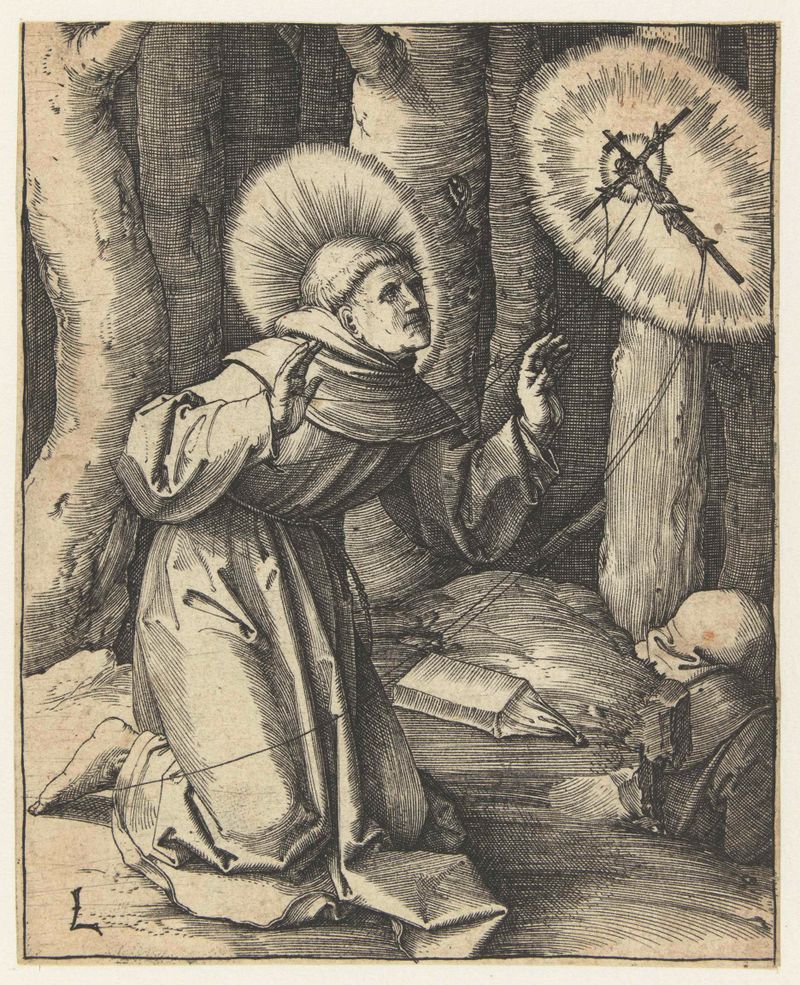
De stigmatisatie van de heilige Franciscus
Lucas van Leyden
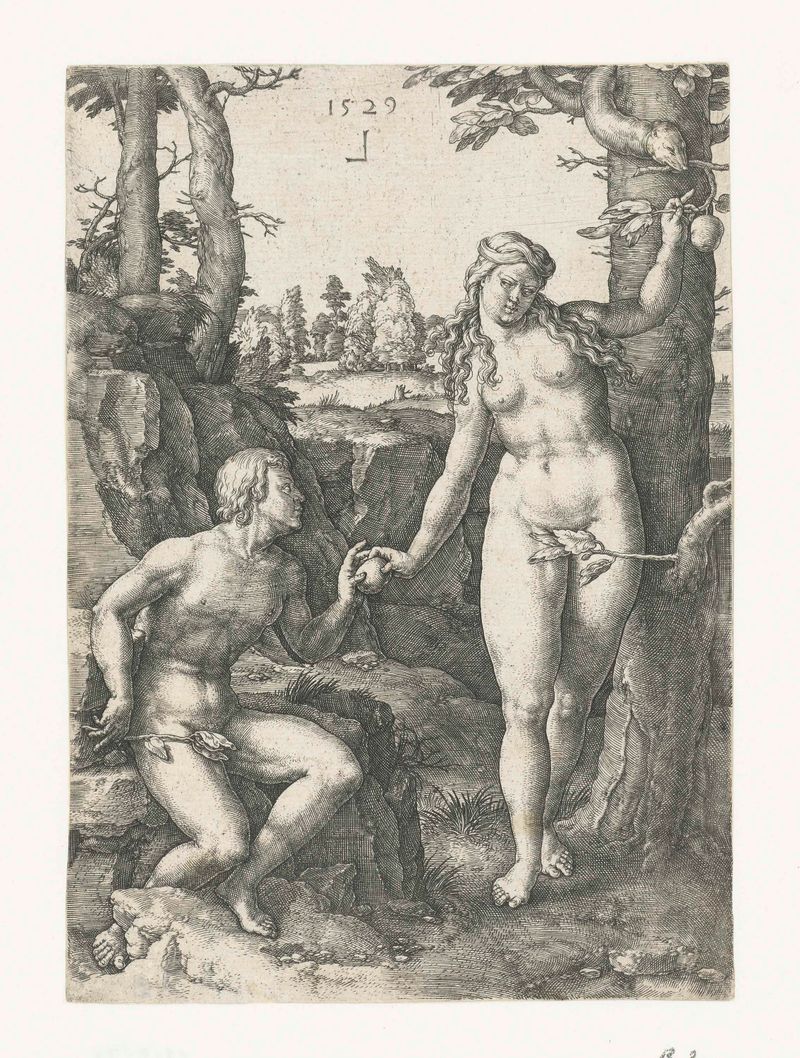
De zondeval
Lucas van Leyden
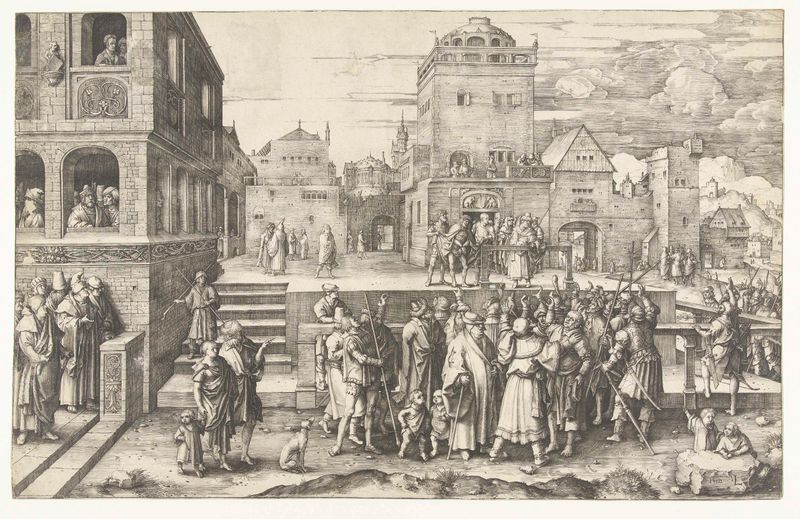
De grote Ecce Homo
Lucas van Leyden
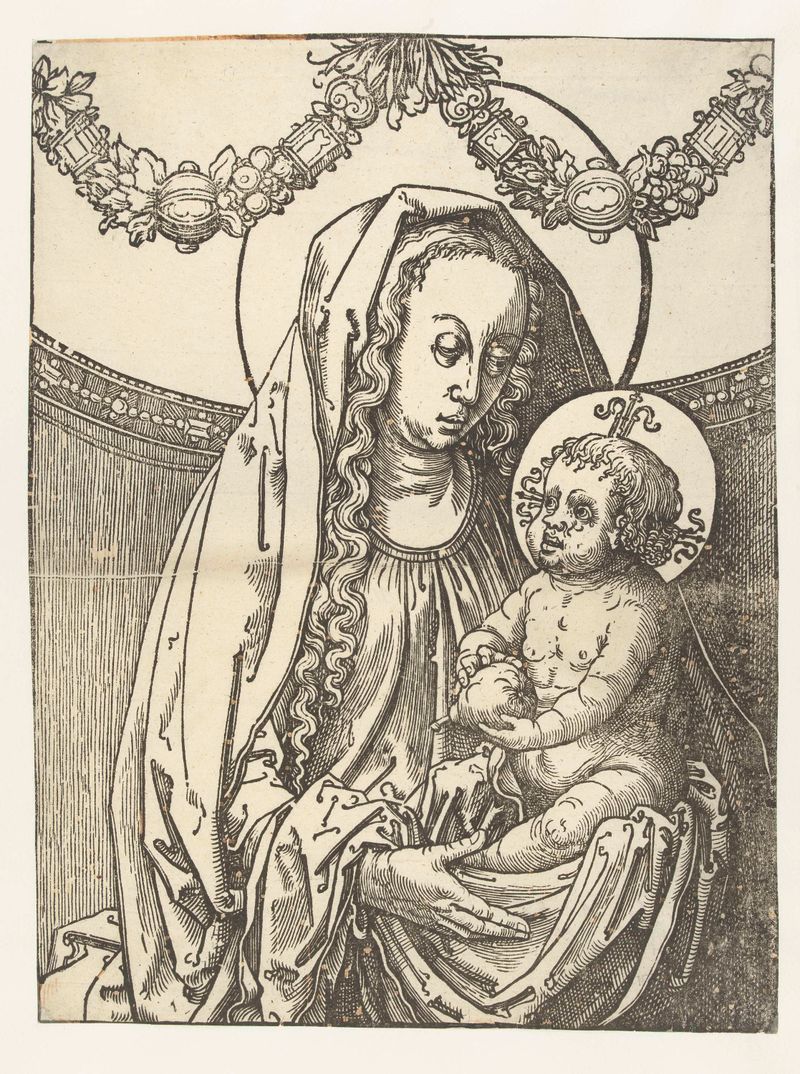
Maria met kind
Lucas van Leyden

Doornenkroning
Lucas van Leyden
More Religious Art
Browse all →
The Return of the Prodigal Son
Rembrandt van Rijn

The Garden of Earthly Delights
El Bosco

Count Orgaz’ funeral
El Greco

The Hundred Guilder Print: the central piece with Christ preaching, the plate arched
Rembrandt van Rijn

The Descent from the Cross
Rogier van der Weyden

The return of the prodigal son
Rembrandt van Rijn