Abraham’s Oak — History & Facts
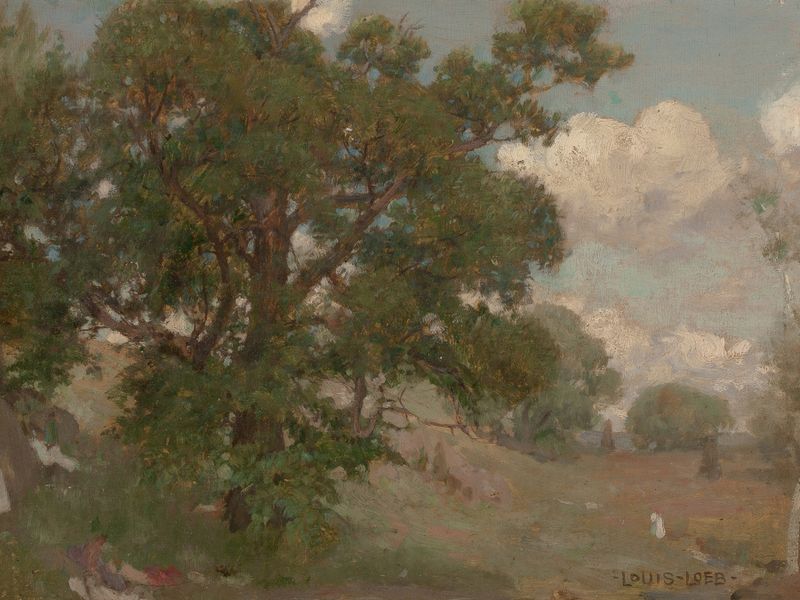
This idea resonates profoundly within the realm of visual art and the depths of human experience, particularly in the age of revolution. A moment captured on canvas can speak volumes, whispering secrets from the past while illuminating our present. Focus your gaze on the luminous interplay of light filtering through the lush canopy, where deep emerald greens and muted earth tones converge. Notice how the dappled sunlight dances upon the gnarled trunk of the ancient oak, radiating warmth and wisdom.
The rich textures of the foliage draw the eye upward, leading to a horizon that feels both distant and inviting, creating a palpable sense of tranquility. Yet, beneath this serene exterior lies an emotional tension that speaks to the struggles of the time. The oak, emblematic of strength and endurance, contrasts with the frailty of human existence depicted at its foot, suggesting a narrative of resilience amidst the turbulence of societal change. The subtle play of shadow and light intertwines with the form, offering layers of meaning that hint at the inner turmoil faced during this period of revolution.
Every brushstroke evokes contemplation, inviting viewers to reflect on their own journeys. In 1905, Tanner worked on Abraham’s Oak while living in Paris, having already established himself as a pioneer in capturing African American experiences. During this period, the art world was witnessing significant shifts, with movements like Impressionism and Post-Impressionism influencing new techniques. The painting reflects his desire to explore deeper truths, bridging personal and universal narratives through a lens of cultural heritage, inviting a conversation that resonates even today.
More Artworks by Henry Ossawa Tanner
Browse all →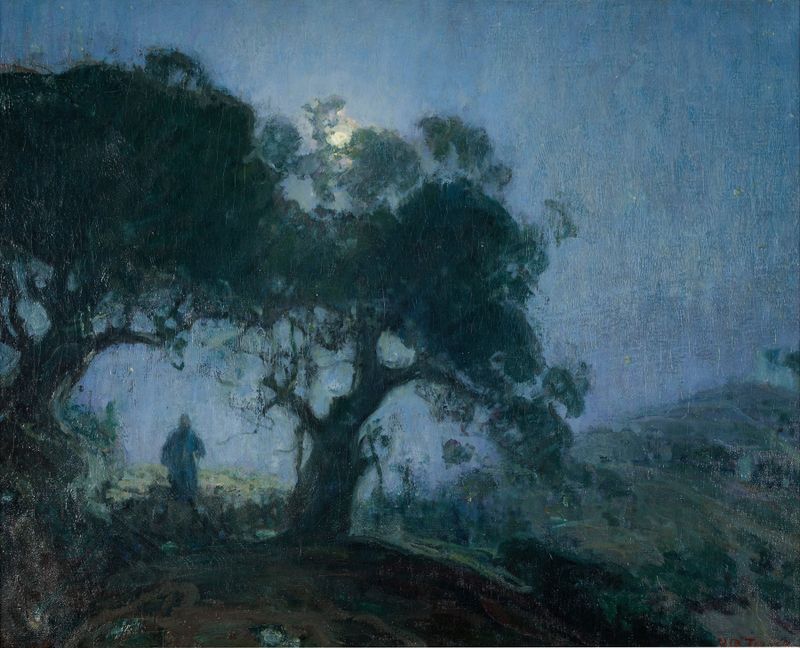
The Good Shepherd
Henry Ossawa Tanner
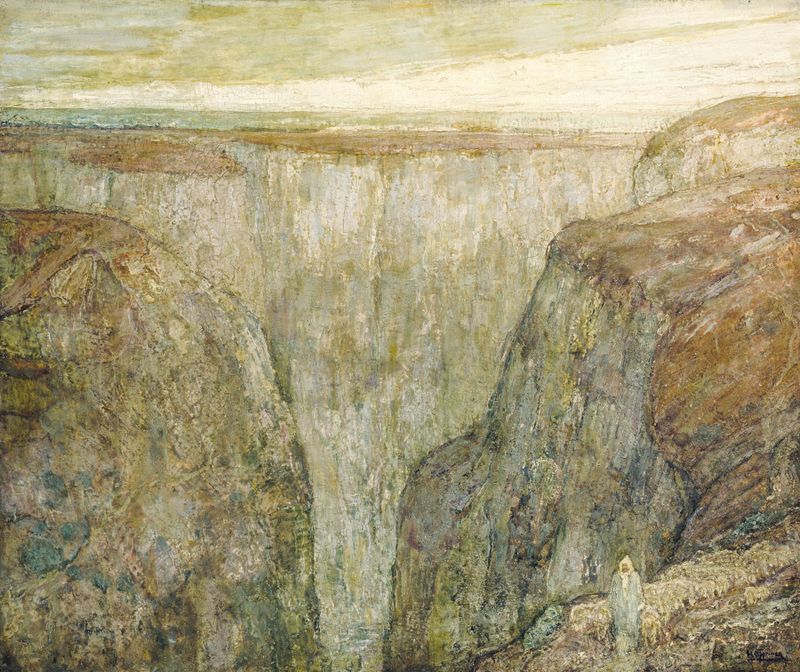
The Good Shepherd (Atlas Mountains, Morocco)
Henry Ossawa Tanner
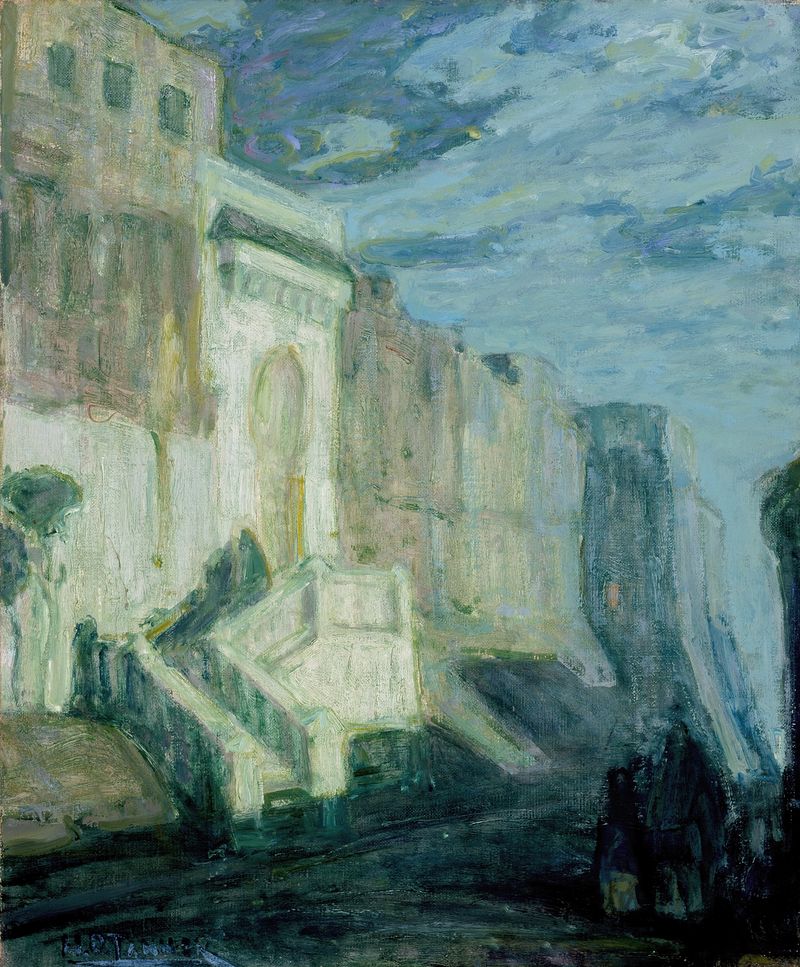
Moonlight; Walls of Tangiers
Henry Ossawa Tanner
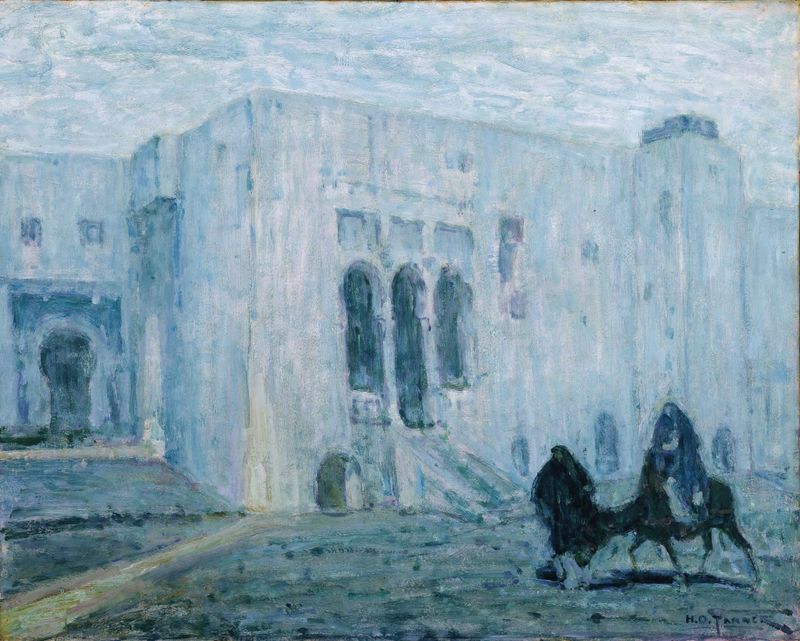
Palace of Justice, Tangier
Henry Ossawa Tanner
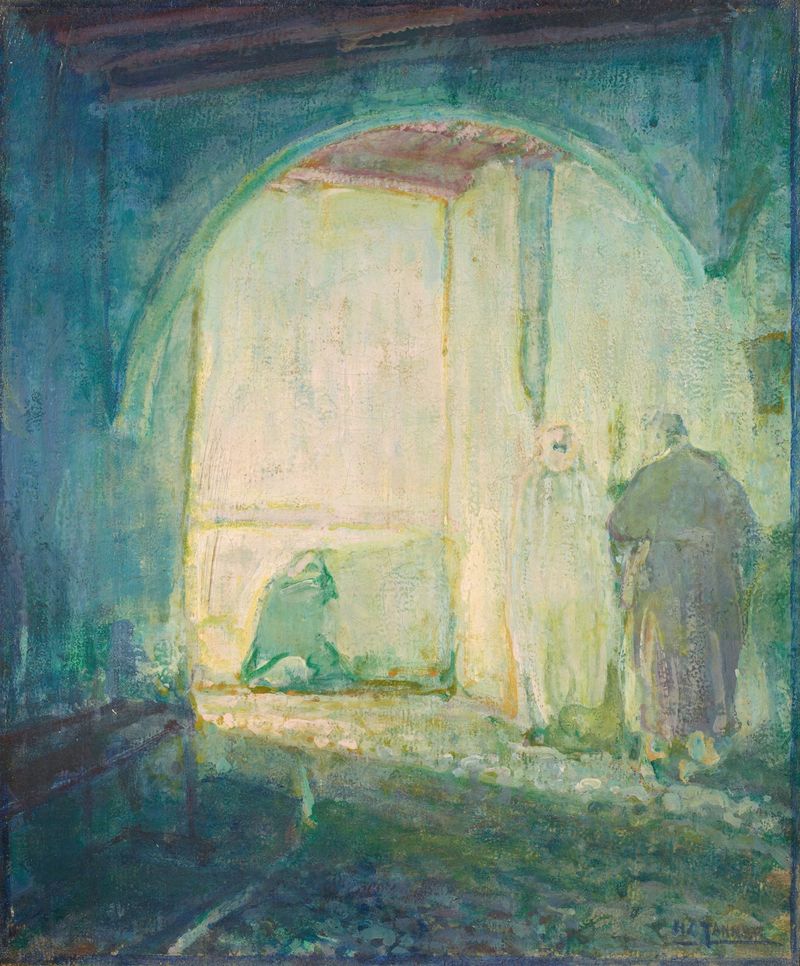
Moroccan Scene
Henry Ossawa Tanner
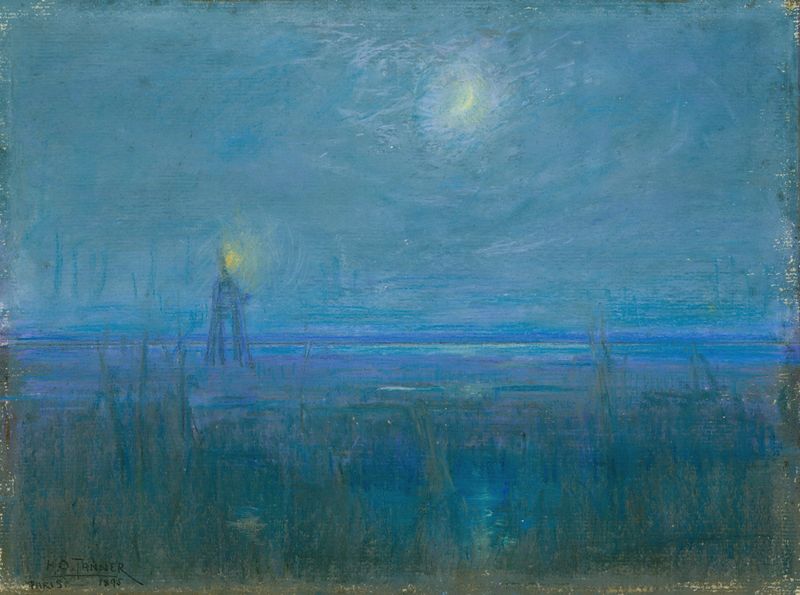
Marshes In New Jersey
Henry Ossawa Tanner
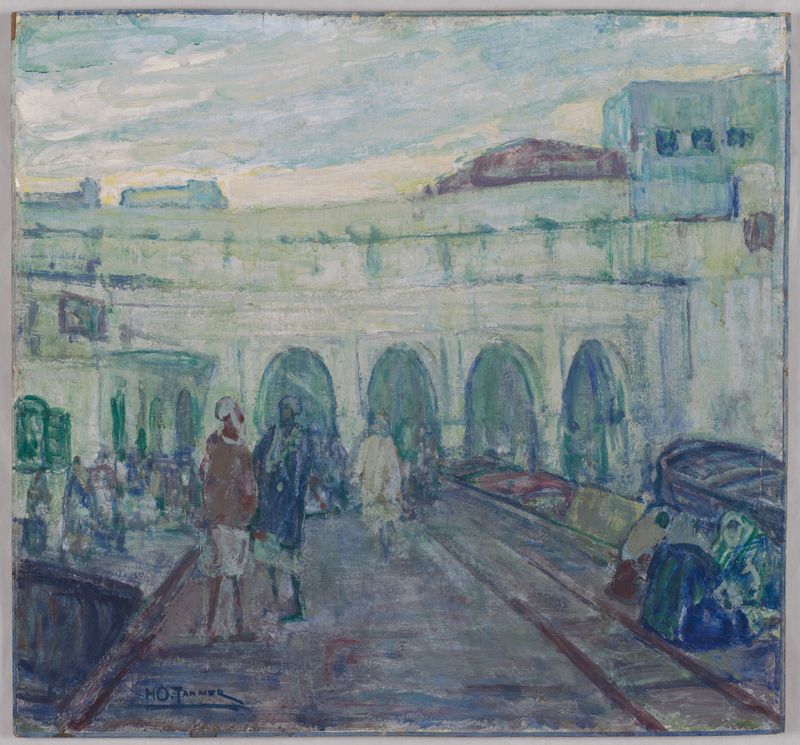
Port of Tangiers (Entrance to the Customs House)
Henry Ossawa Tanner
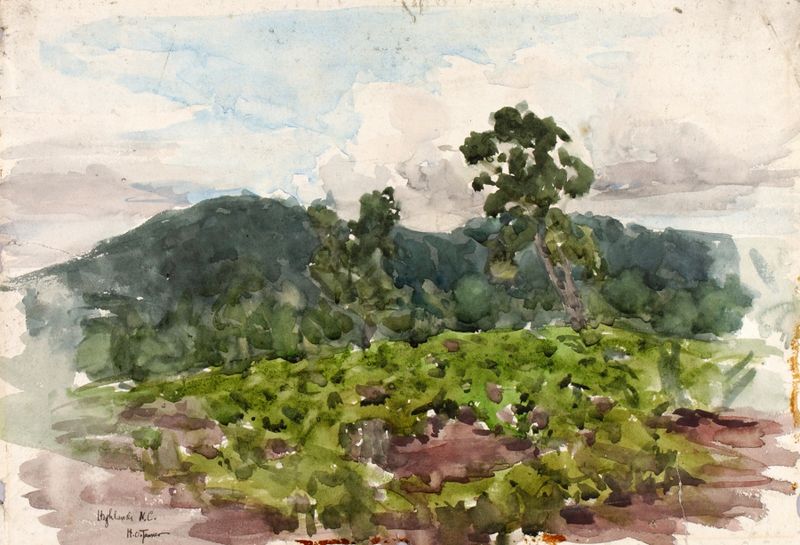
Highlands, N.C.
Henry Ossawa Tanner
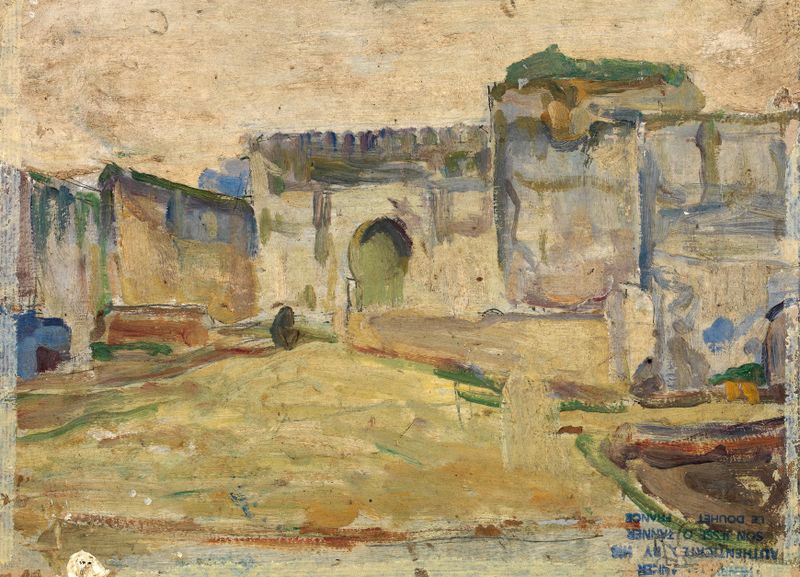
Street Scene, Tangier (Crenelated Architecture)
Henry Ossawa Tanner
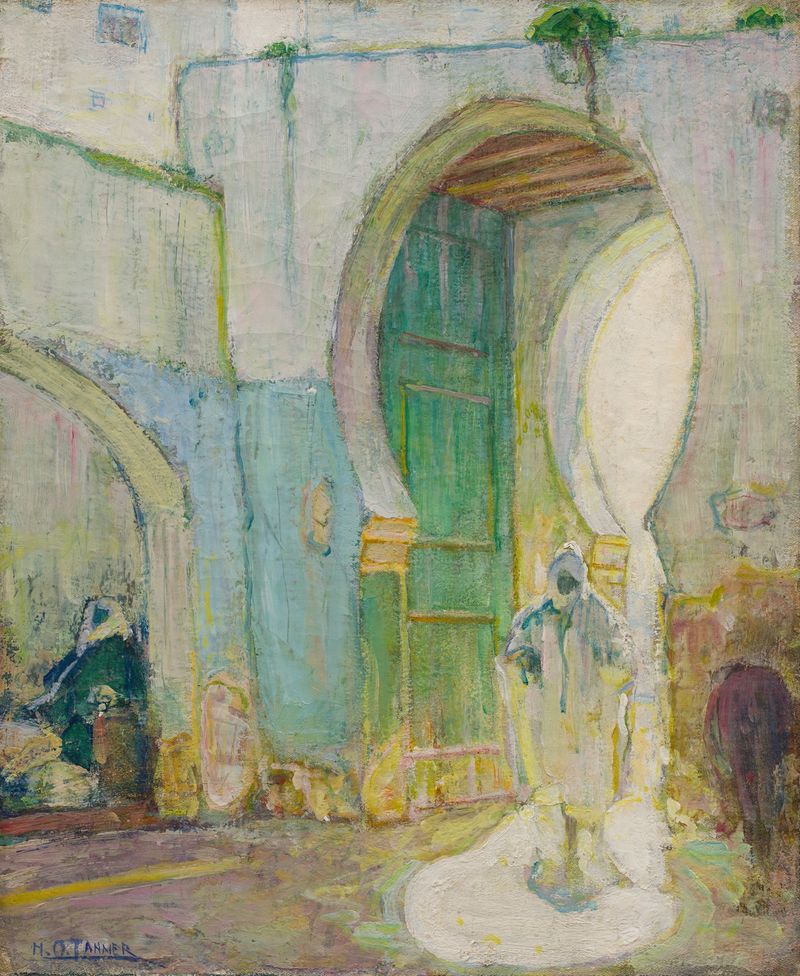
Gateway, Tangier
Henry Ossawa Tanner