
Acacia on the Savannah — History & Facts
In the quiet spaces of our hearts, grief lingers, waiting to be acknowledged and transformed into beauty. Look to the center of the canvas, where a solitary acacia tree stands tall and resilient against a vast, golden savannah. The brushstrokes dance lightly across the surface, creating a harmony of warm hues that evoke both the splendor and desolation of the landscape. Notice how the light filters through the branches, casting delicate shadows that ripple like whispers of longing.
The painter’s deliberate compositions pull the eye toward this lone figure, suggesting isolation yet exuding a sense of strength amidst adversity. As you explore further, the contrasts reveal deeper layers of meaning. The expansive, arid ground surrounding the tree evokes a profound emptiness, representing loss and the void left behind. Yet, the acacia itself, with its vibrant green foliage, symbolizes hope and resilience, a reminder that life continues to thrive despite sorrow.
The interplay of light and shadow enhances the emotional tension, inviting viewers to reflect on their own experiences of grief and the beauty that can be found within it. In 1909, Akseli Gallen-Kallela created this work while immersing himself in the Finnish national romantic movement. His travels and experiences in Africa profoundly influenced his perspective, as he sought to capture the unique landscapes and emotions he encountered. At a time when Europe was grappling with rapid change, the artist’s connection to both nature and the human experience infused his work with depth and resonance, allowing Acacia on the Savannah to echo the universal struggle with loss and the enduring spirit of nature.
More Artworks by Akseli Gallen-Kallela
Browse all →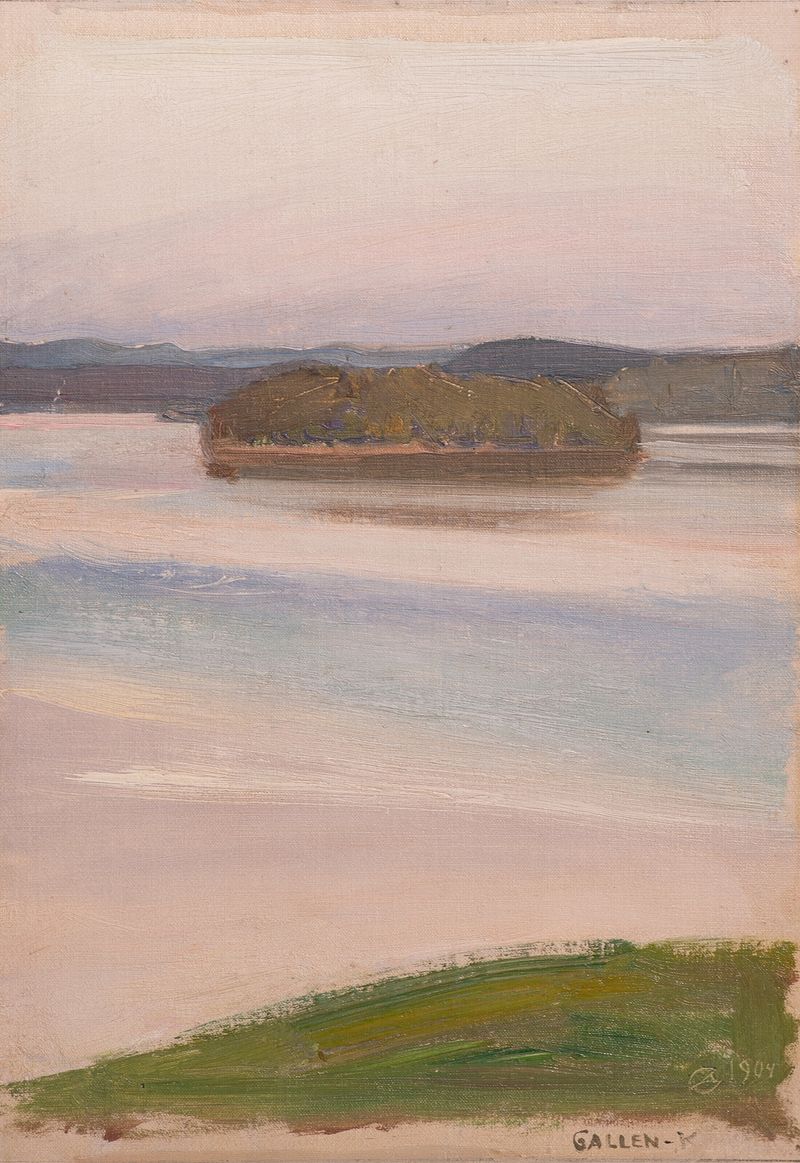
Lake Keitele
Akseli Gallen-Kallela
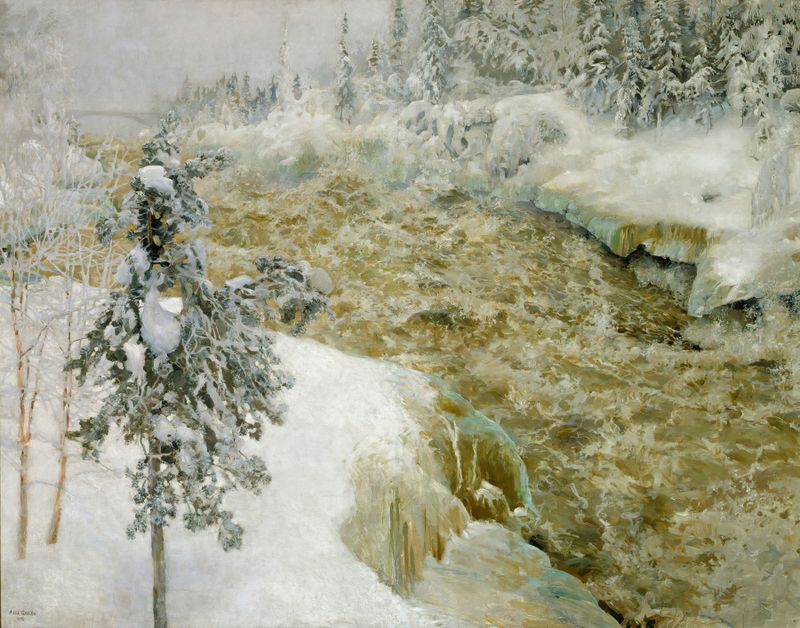
Imatra Falls in Snow ; Imatra in Winter
Akseli Gallen-Kallela
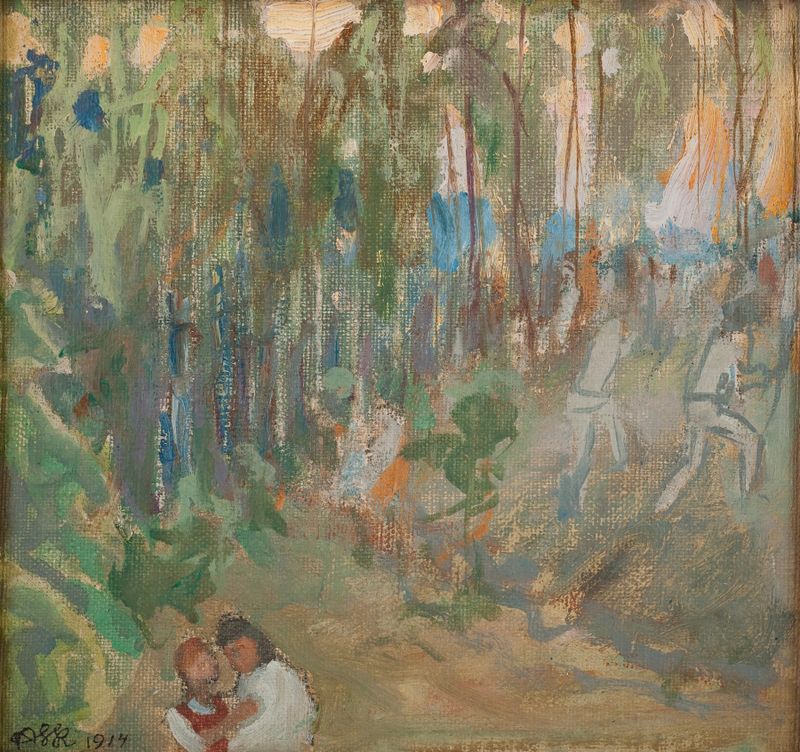
Vainovalkeat
Akseli Gallen-Kallela
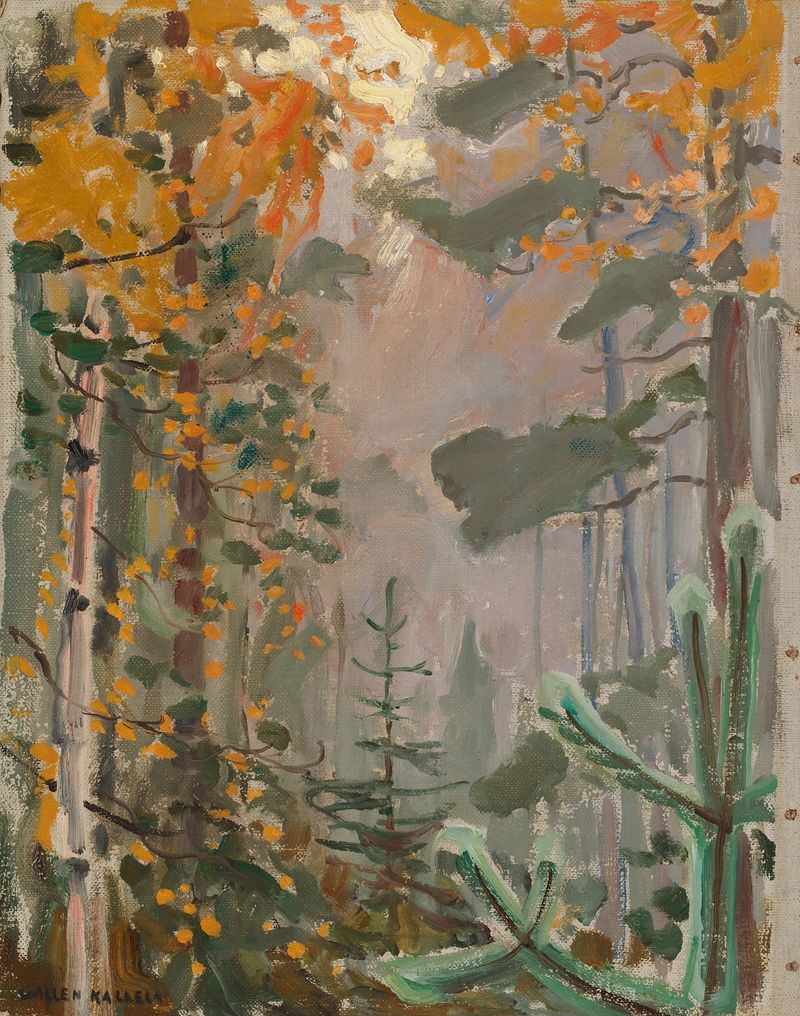
Autumn Landscape
Akseli Gallen-Kallela
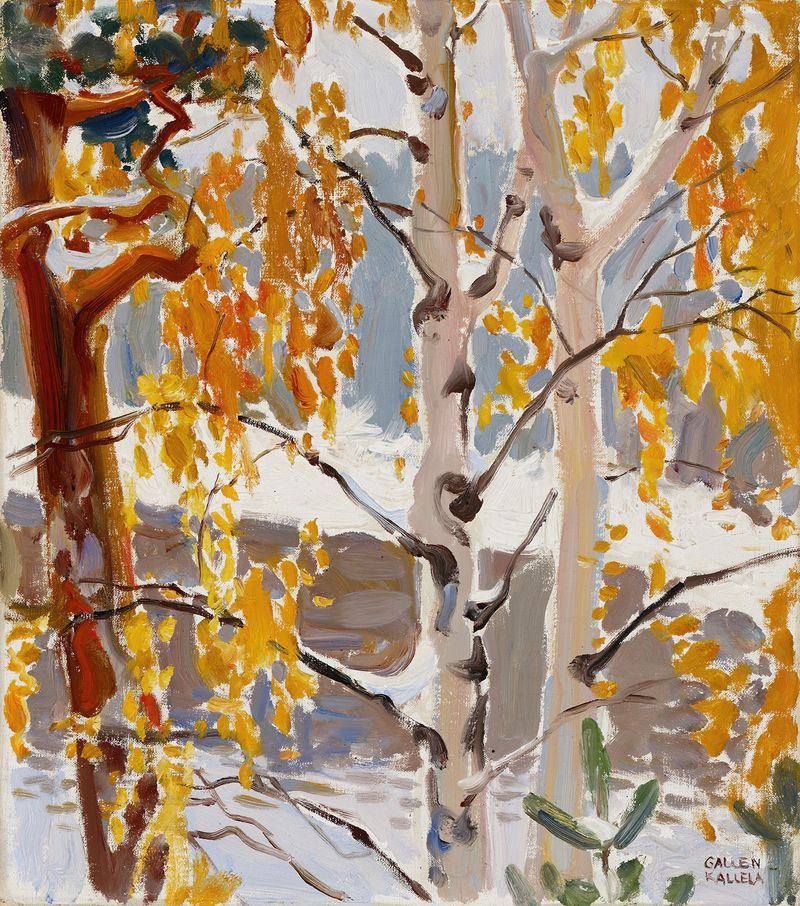
First Snow
Akseli Gallen-Kallela
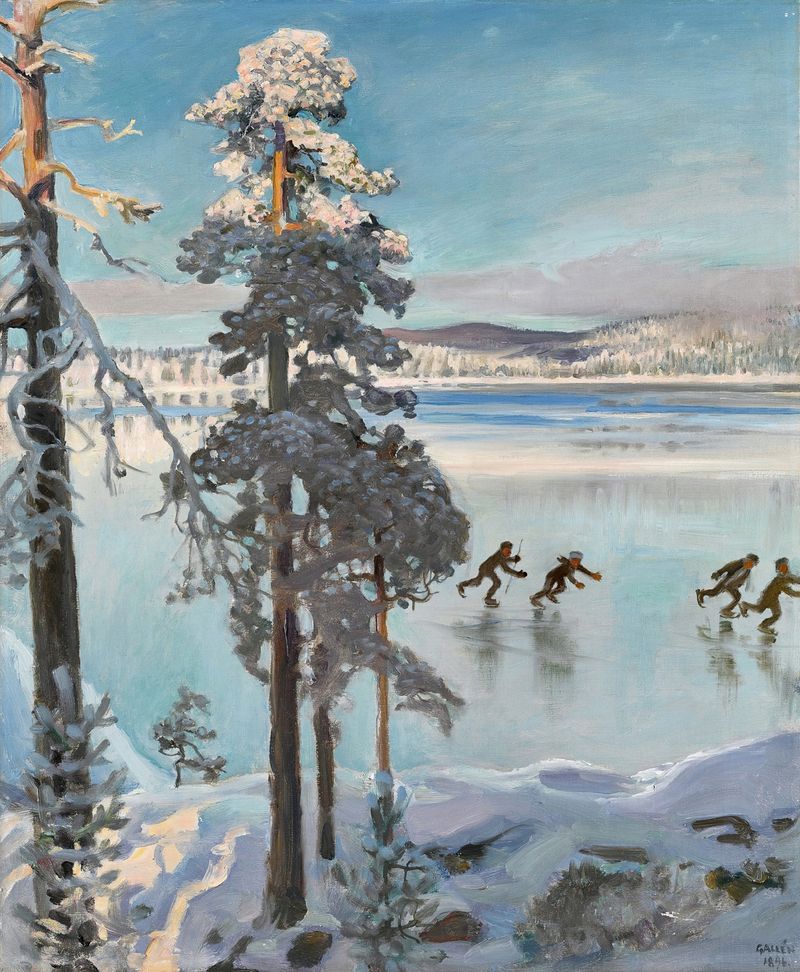
Skaters on Lake Ruovesi
Akseli Gallen-Kallela
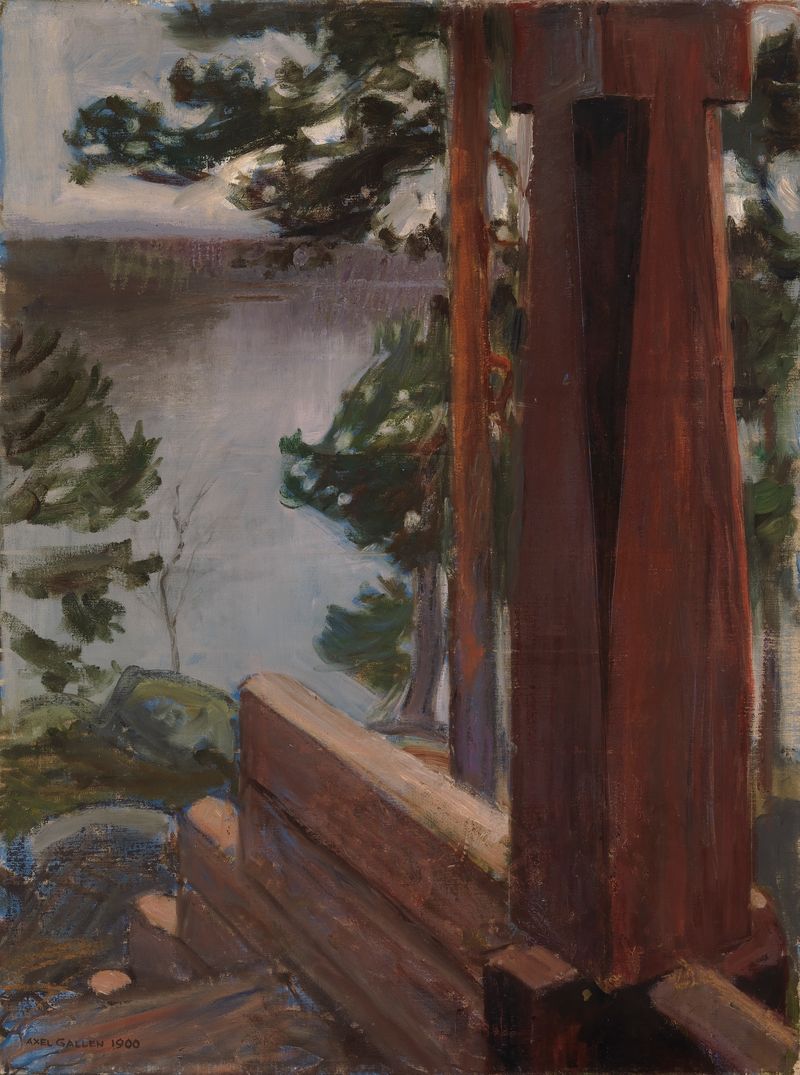
The Kalela Porch
Akseli Gallen-Kallela
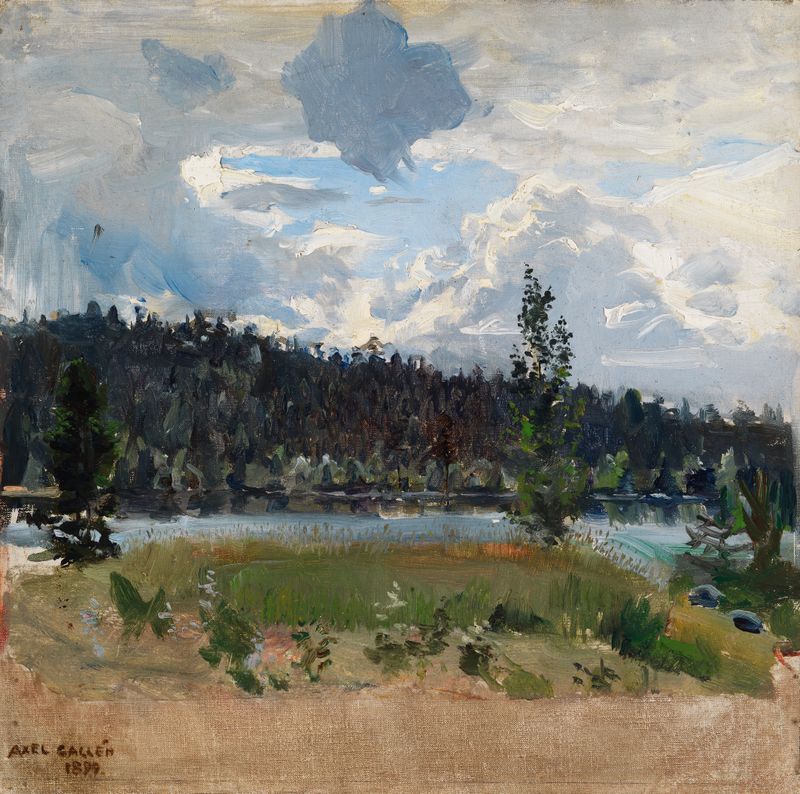
Light Behind The Clouds
Akseli Gallen-Kallela
Lake View In Autumn
Akseli Gallen-Kallela

Winter Landscape
Akseli Gallen-Kallela





