
Academic study of a male torso — History & Facts
In 1801, a young Jean Auguste Dominique Ingres submitted this Academic study of a male torso as part of his training at the Paris École des Beaux-Arts, a rite of passage for every aspiring artist in Napoleonic France. These studies, known as "académies," were not meant for public exhibition but served as rigorous exercises to demonstrate mastery of the human form. The discipline was so strict that a single misplaced muscle could mean failure in the eyes of the academy’s professors.
For Ingres, who would later become one of the defining figures of the Neoclassical movement, this early work was both a test and a declaration of his ambition. Ingres has chosen to arrest the viewer’s gaze at the moment when the model’s torso is caught in a subtle twist, muscles taut beneath the skin, the play of light revealing the anatomy with almost clinical precision. There is no narrative here beyond the drama of the body itself: the careful rendering of the ribcage, the shadowed hollows at the waist, the tension in the shoulders. Each brushstroke is a statement of observation and control, echoing the ideals of ancient sculpture that Ingres so admired.
Unlike the more sensual studies of Jacques-Louis David, Ingres’s approach is cooler, more analytical, as if he were dissecting the very idea of beauty. The original medium of this study is not definitively recorded, though such works were typically executed in oil on canvas or paper. It is not clear whether this particular piece was preserved by the academy, passed into private hands, or remained in Ingres’s own collection, as many academic studies were discarded or reused. What is certain is that exercises like this laid the technical foundation for Ingres’s later triumphs, such as The Grand Odalisque and Portrait of Monsieur Bertin.
Today, the Academic study of a male torso stands as a rare glimpse into the disciplined world of early nineteenth-century art education and the making of a future master.
More Artworks by Jean Auguste Dominique Ingres
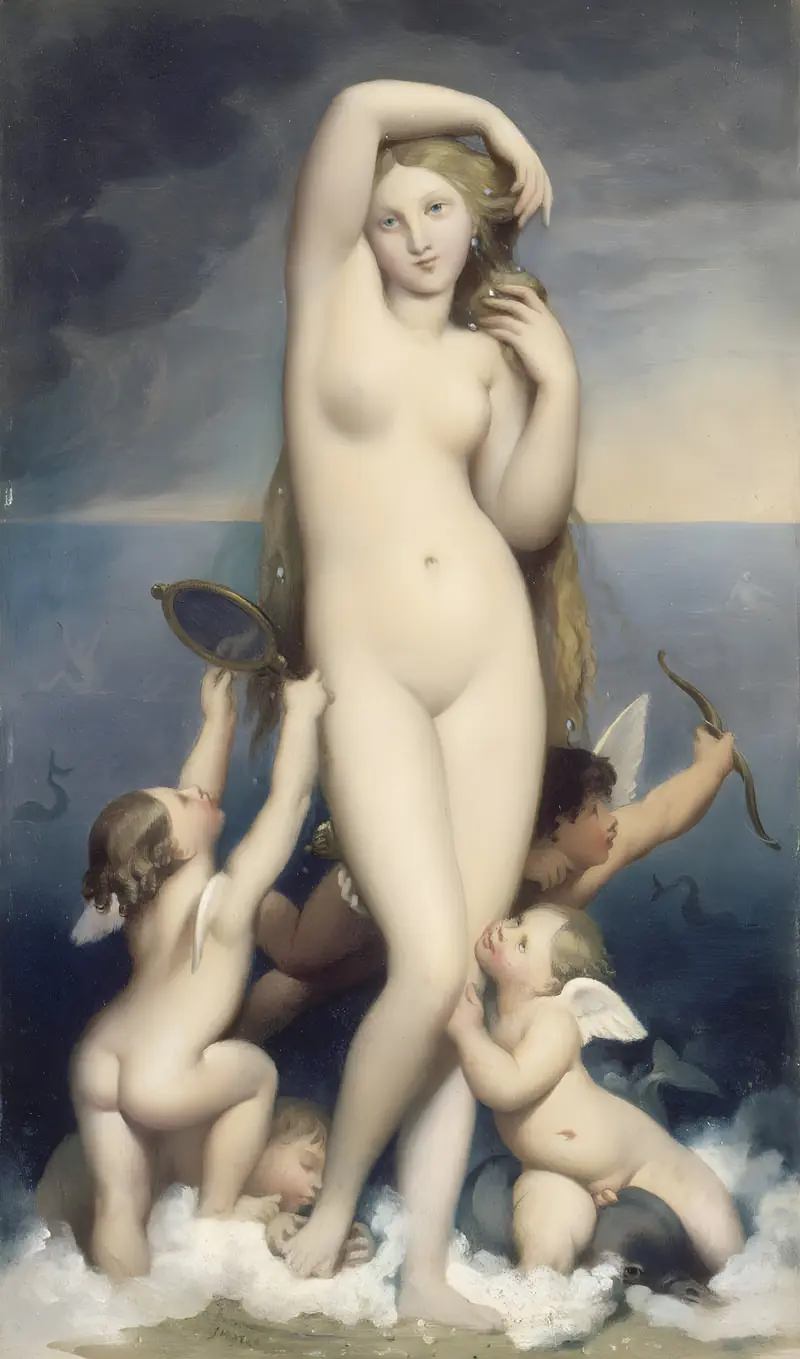
Vénus anadyomène
Jean Auguste Dominique Ingres
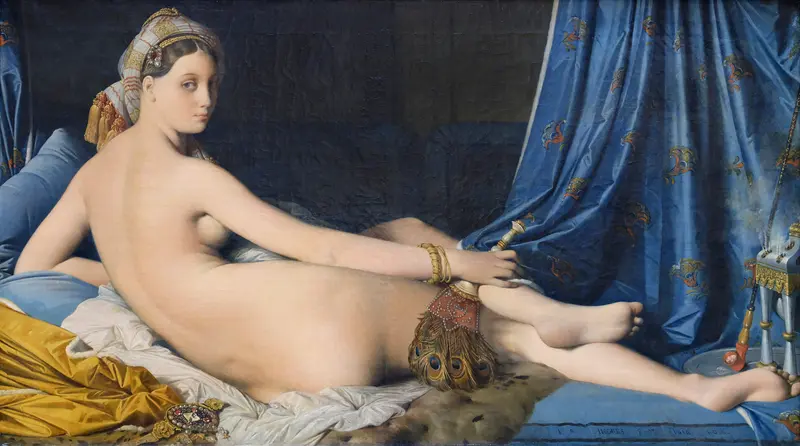
Grande Odalisque
Jean Auguste Dominique Ingres
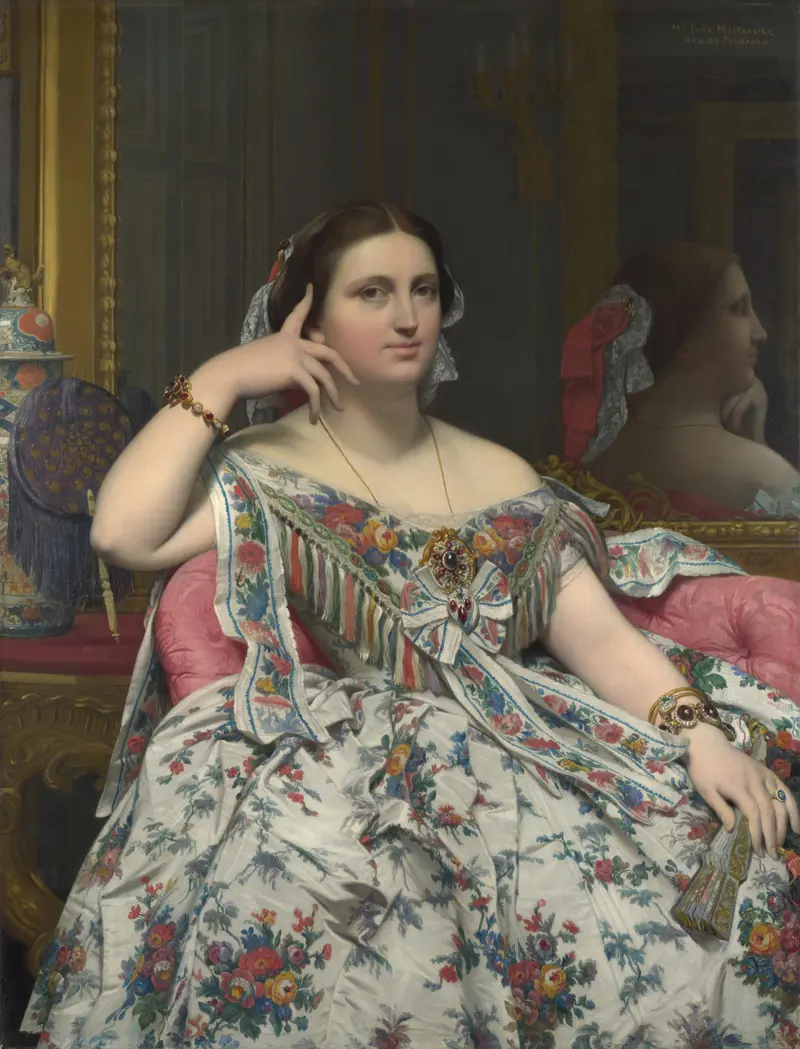
Madame Moitessier (seated)
Jean Auguste Dominique Ingres
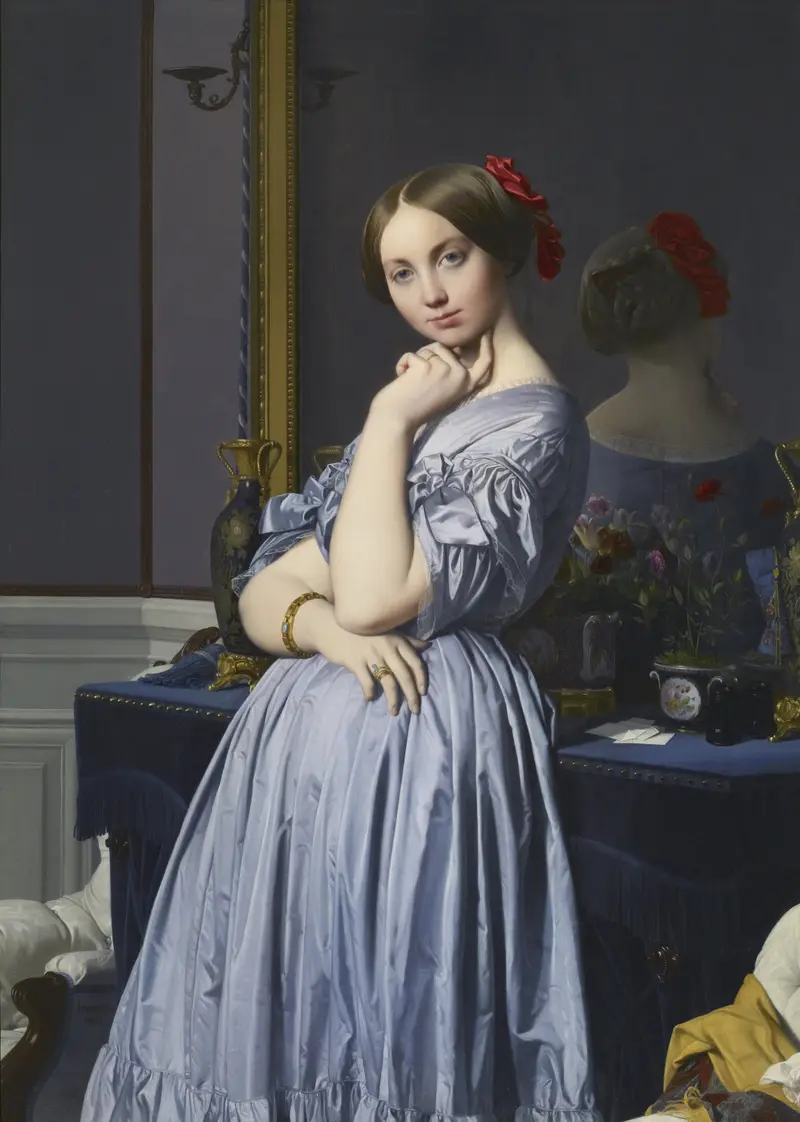
Portrait of Comtesse d’Haussonville
Jean Auguste Dominique Ingres
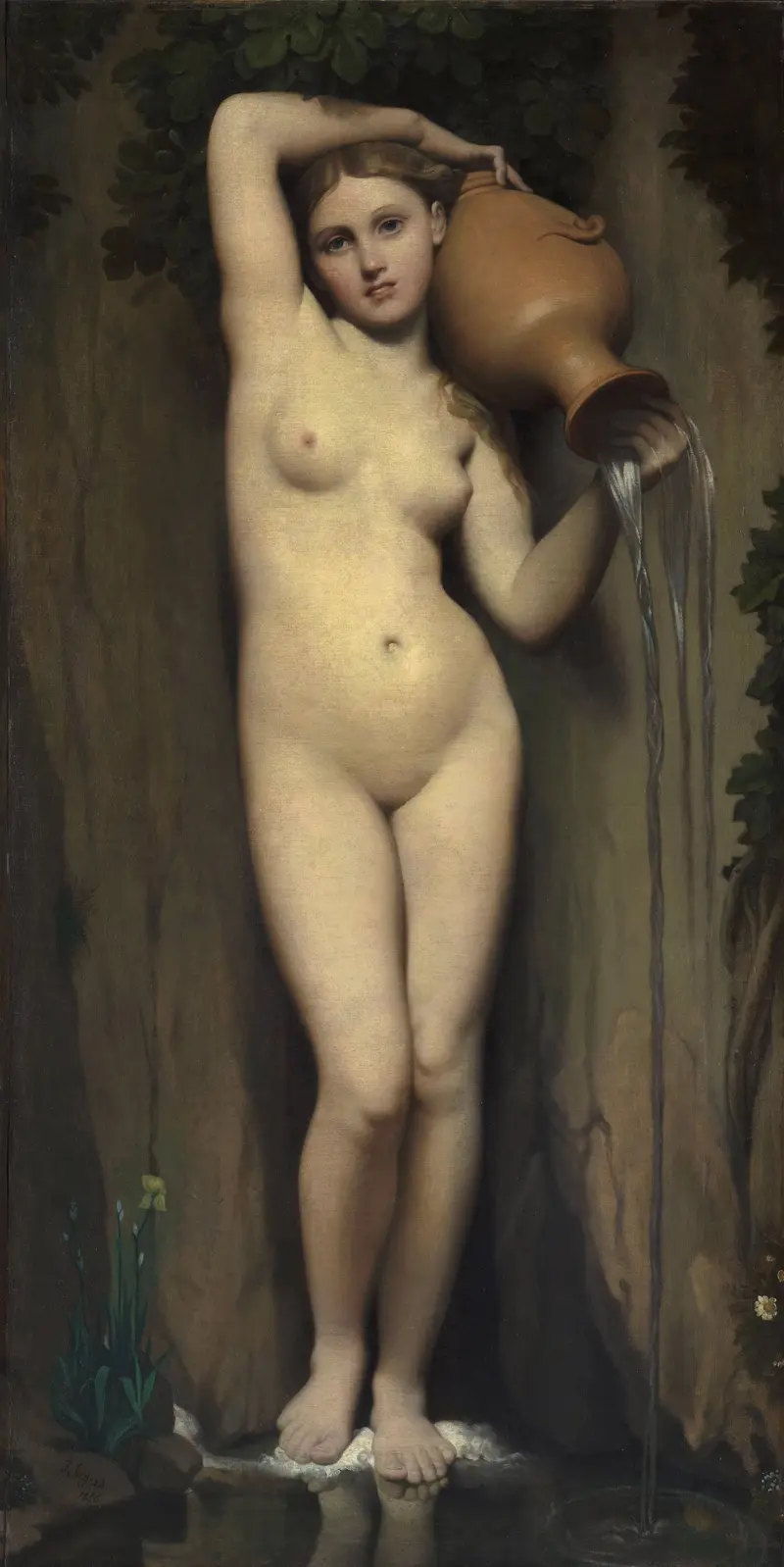
The Source
Jean Auguste Dominique Ingres
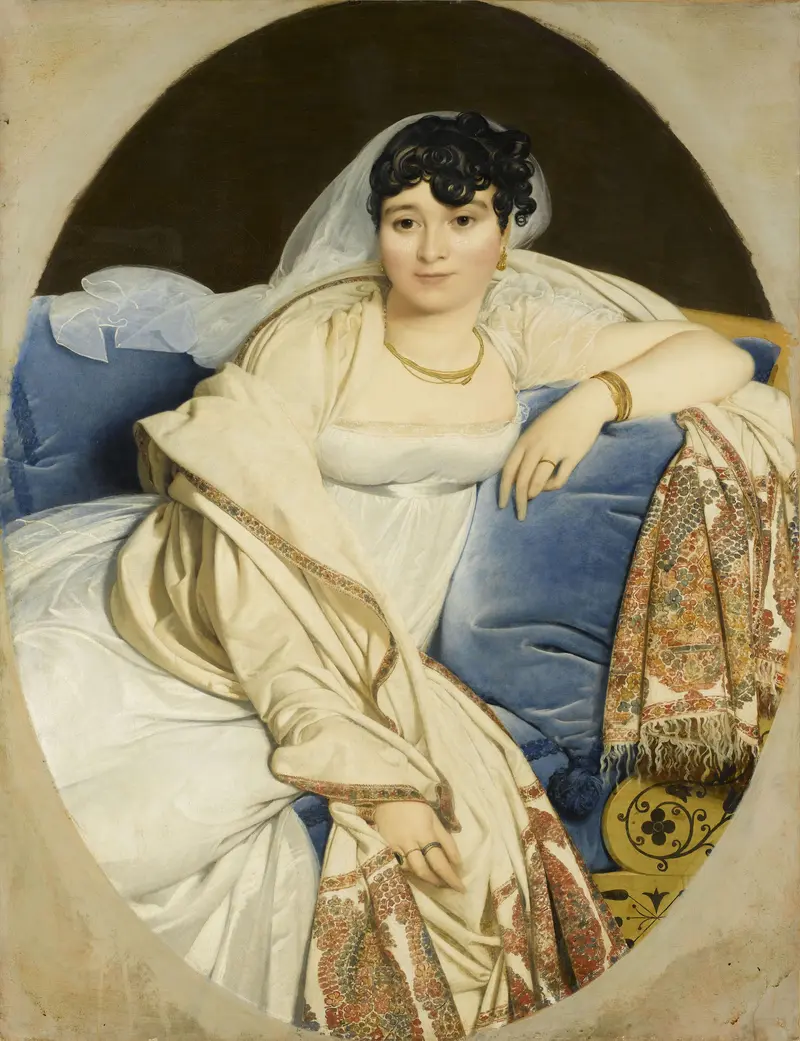
Madame Rivière
Jean Auguste Dominique Ingres

Madame Jean-Auguste-Dominique Ingres, née Madeleine Chapelle
Jean Auguste Dominique Ingres

Portrait of a Lady
Jean Auguste Dominique Ingres
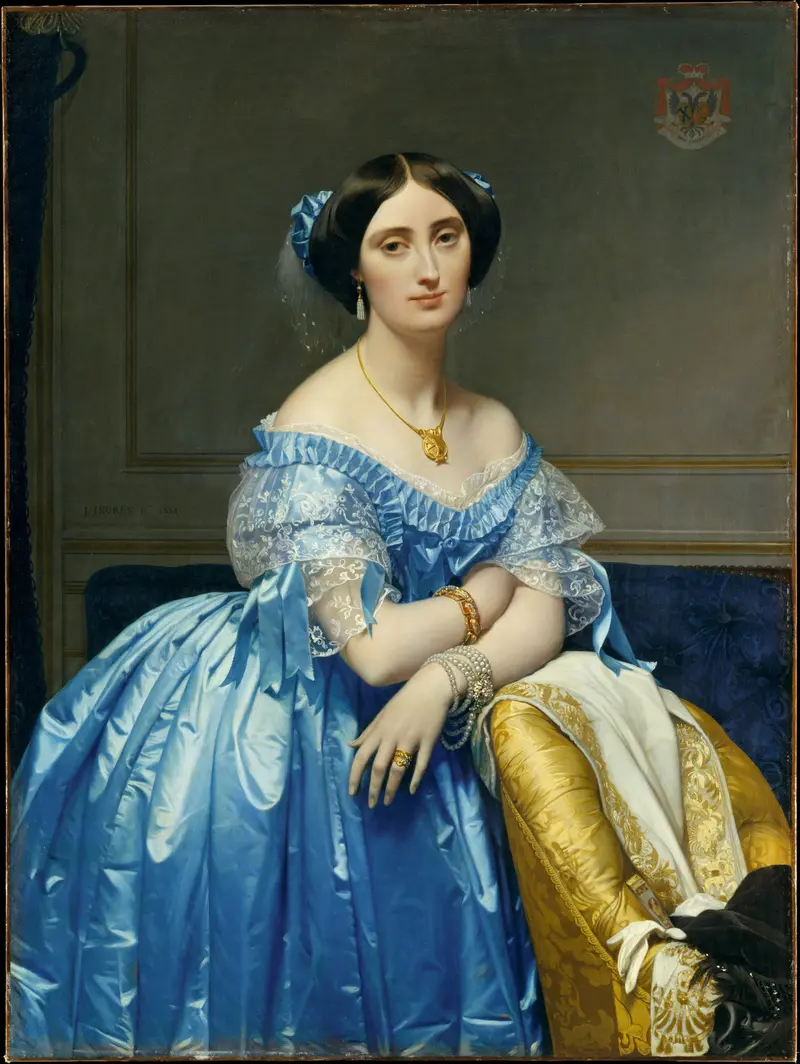
Joséphine-Éléonore-Marie-Pauline de Galard de Brassac de Béarn (1825–1860), Princesse de Broglie
Jean Auguste Dominique Ingres
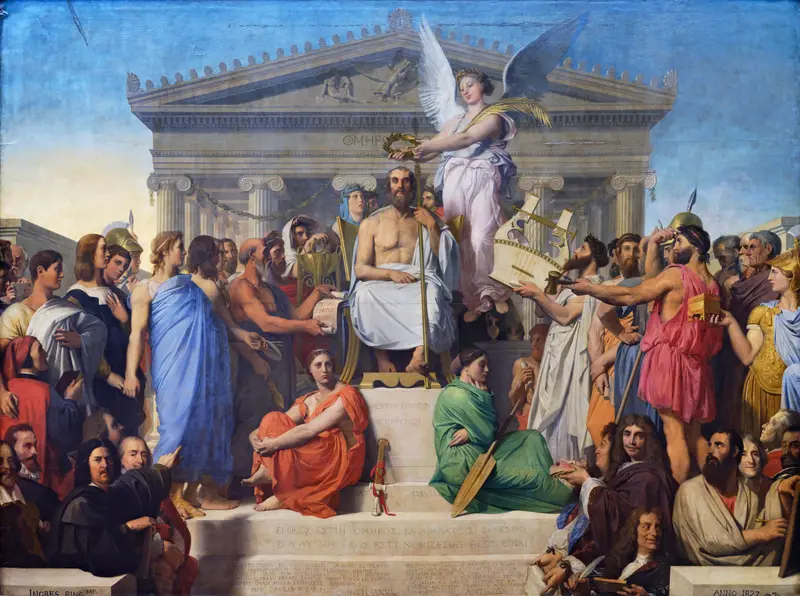
The Apotheosis of Homer
Jean Auguste Dominique Ingres



