
Acanthometra (Radiolaria) — History & Facts
What first catches the eye in Acanthometra (Radiolaria) is the sense of hidden architecture—nature’s own cathedral vaults and rose windows, revealed at a microscopic scale. The forms radiate with a quiet symmetry, each cell an intricate puzzle of spines, lattices, and honeycombed chambers, rendered in luminous golds and soft graphite. The central figure draws you in with its star-shaped geometry, its arms stretching outward like the points of a compass, while the surrounding forms echo and riff on this theme, each variation a new surprise.
The careful shading and fine lines guide your gaze from the dense, almost crystalline cores to the delicate rays that seem to shimmer with energy. This is not just a scientific illustration; it’s an invitation to marvel at the artistry embedded in the smallest corners of the living world. Created in 1904 for the celebrated Kunstformen der Natur, this work stands at the crossroads of art and science, a testament to an era when the boundaries between disciplines blurred in the pursuit of wonder. Such images were not merely catalogues for the specialist—they were meant to inspire, to educate, and to remind viewers of the complexity and order lurking beneath the surface of things.
The Radiolaria, minute marine organisms, were a favorite subject for Ernst Haeckel, whose illustrations brought unseen realms into the public eye and influenced everything from Art Nouveau design to the philosophy of form. Though the specific journey of this plate is little recorded, it remains a vivid document of a time when the microscope was a tool for both discovery and delight. Look again, and let your eye trace the logic and beauty that Haeckel found in a drop of seawater.
More Artworks by Ernst Haeckel
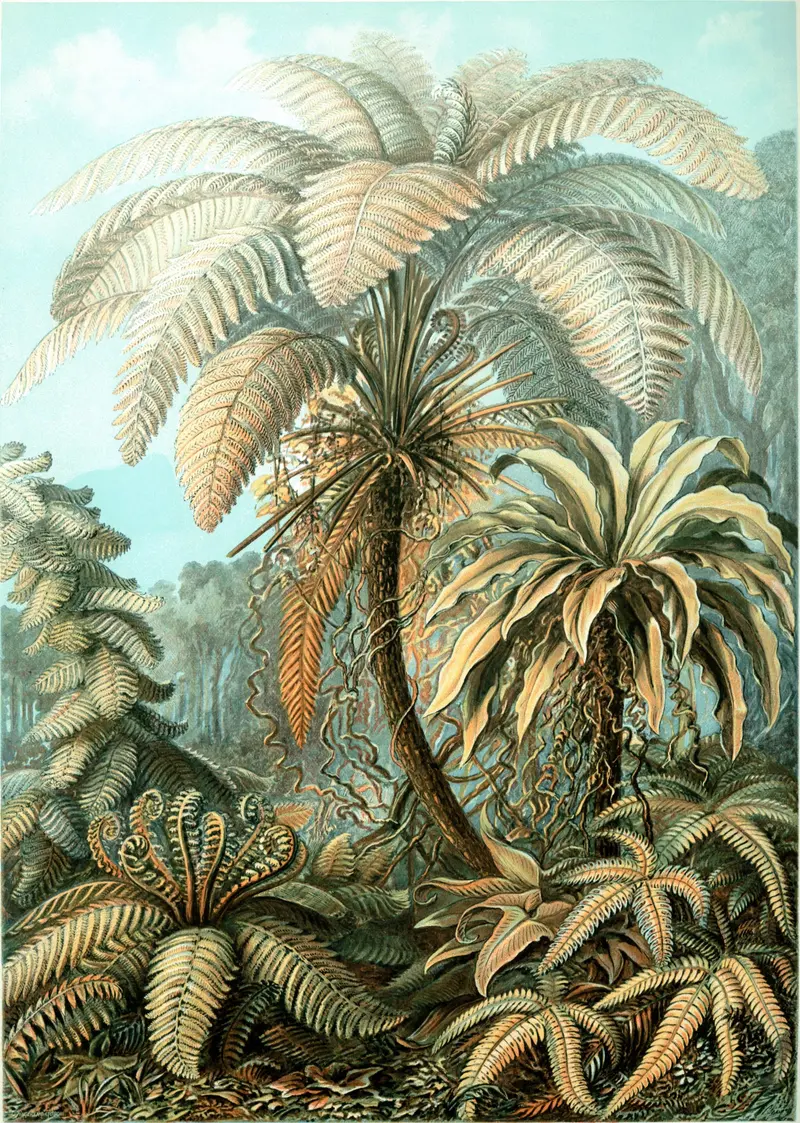
Filicinae (Ferns)
Ernst Haeckel
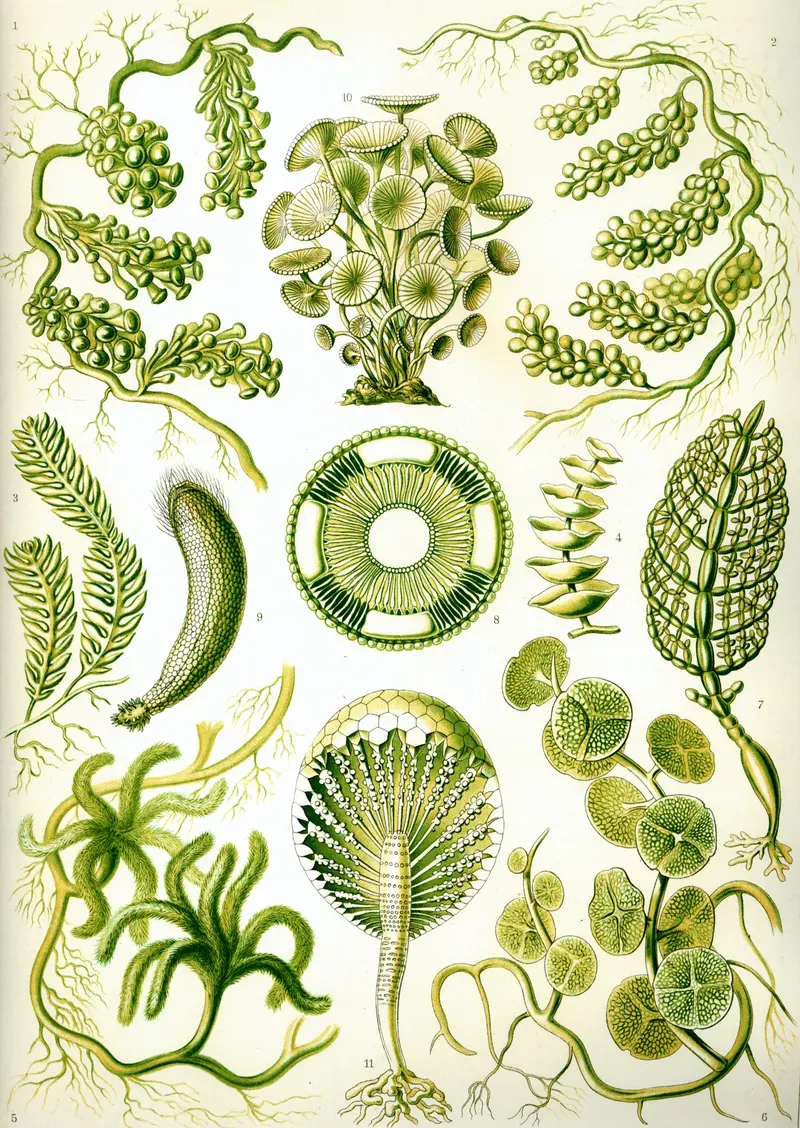
Siphoneae (Green Algae)
Ernst Haeckel

Cirripedia (Barnacles)
Ernst Haeckel

Actiniae (Sea Anemones)
Ernst Haeckel
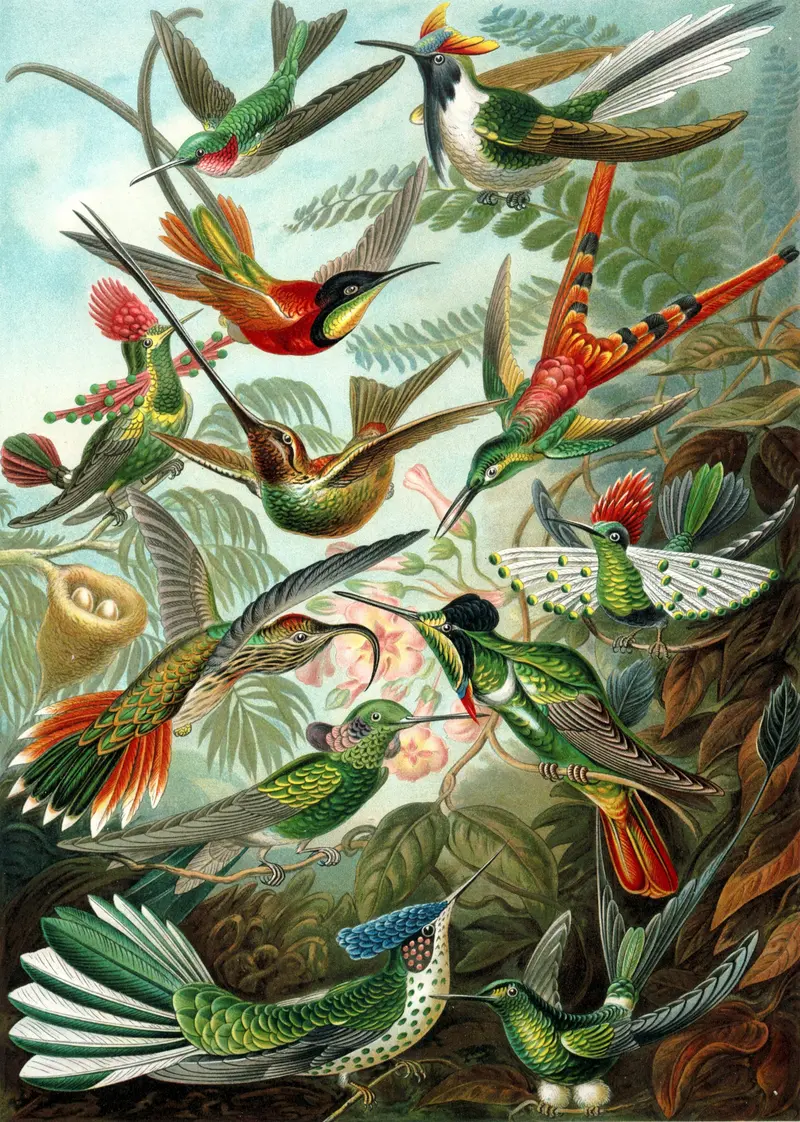
Trochilidae (Hummingbirds)
Ernst Haeckel
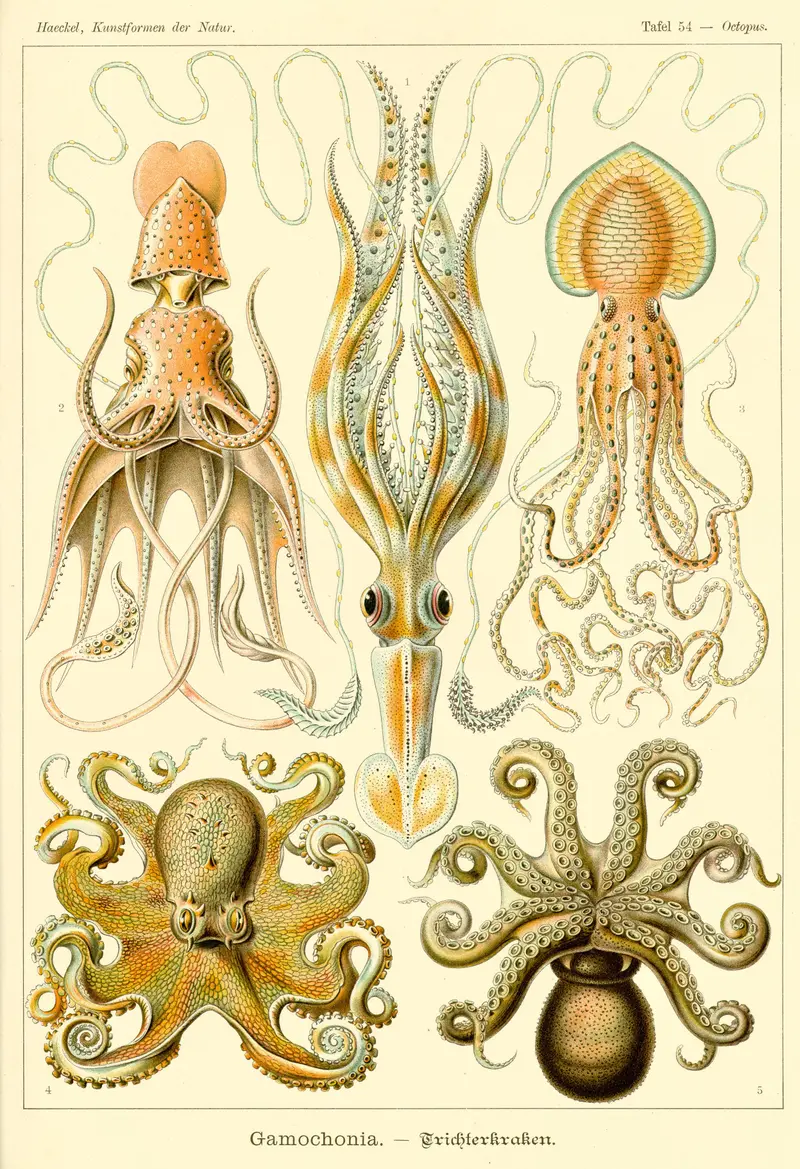
Gamochonia (Cephalopods)
Ernst Haeckel
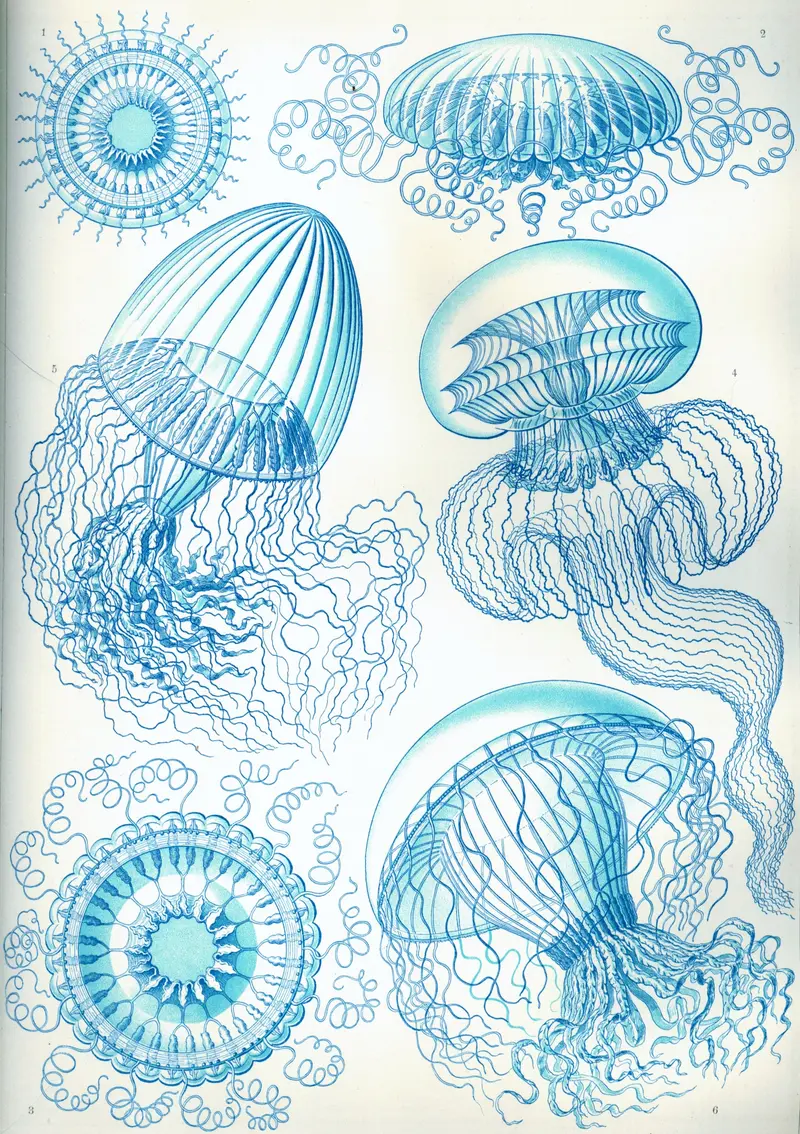
Leptomedusae (Jellyfish)
Ernst Haeckel
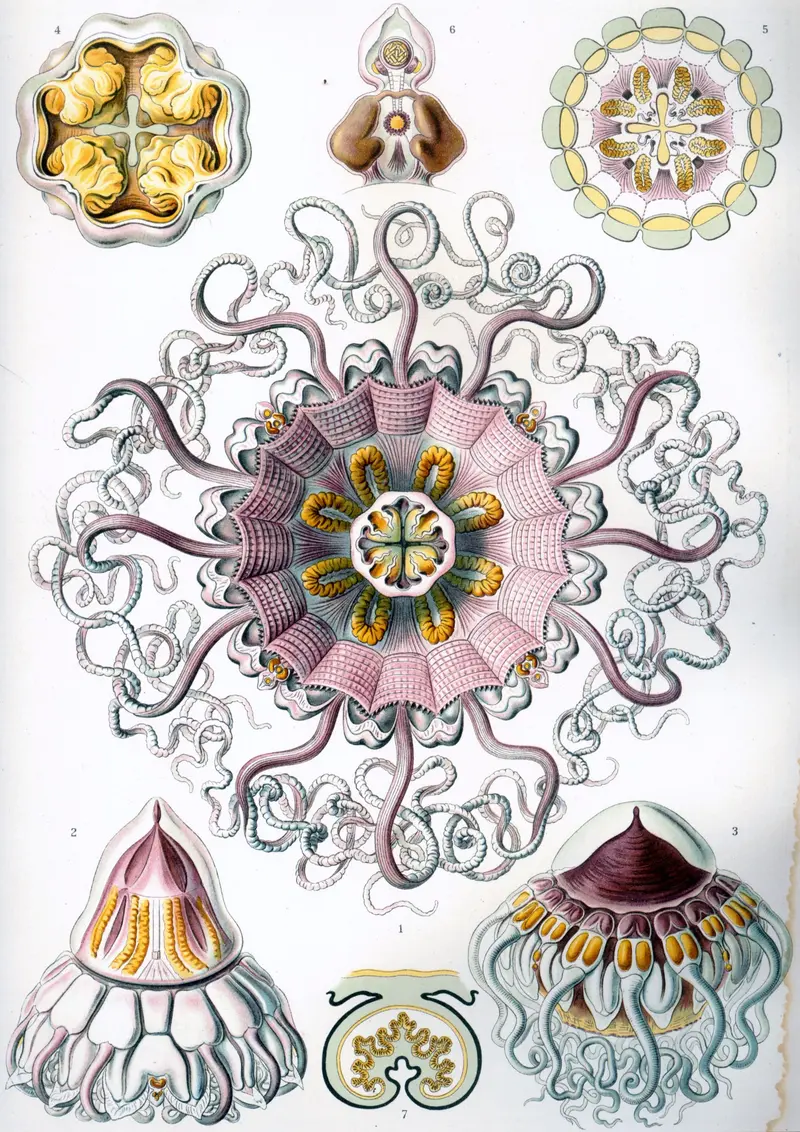
Peromedusae (Jellyfish)
Ernst Haeckel
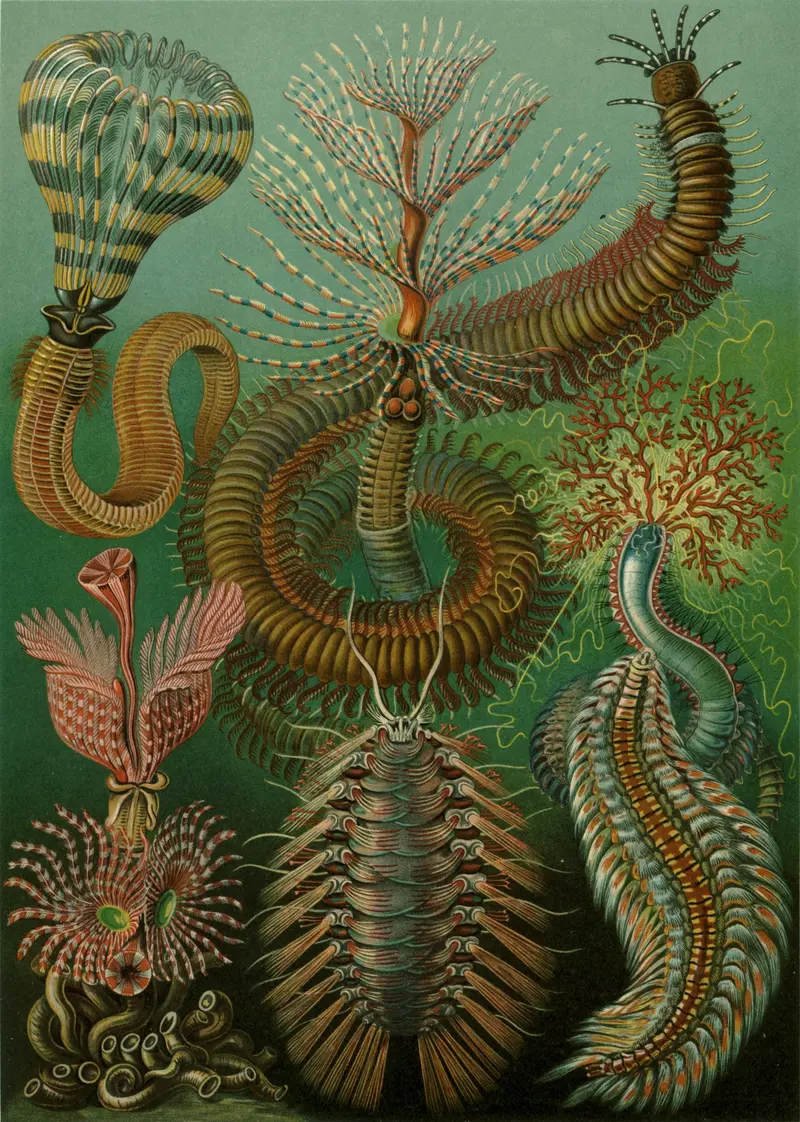
Chaetopoda (Bristle Worms)
Ernst Haeckel
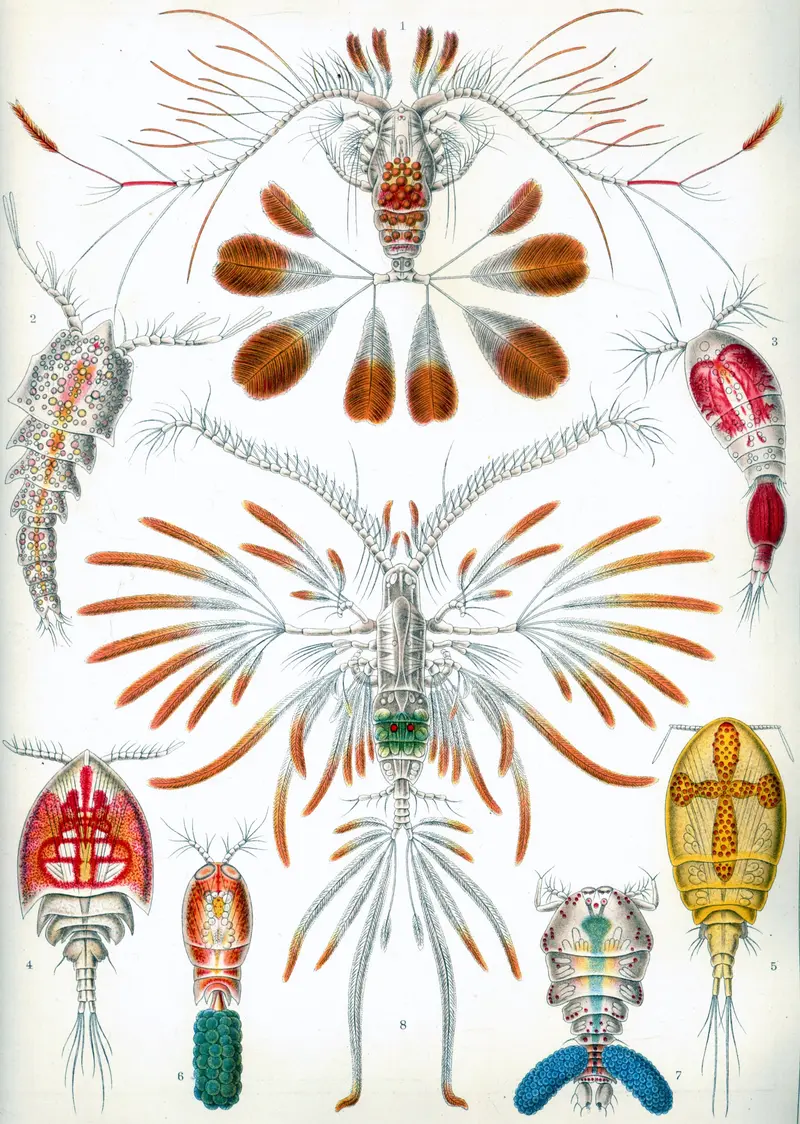
Copepoda (Copepods)
Ernst Haeckel





