
Accademia - Madonna col Bambino tra san Paolo e san Giorgio Cat610 — History & Facts
When Giovanni Bellini painted Accademia - Madonna col Bambino tra san Paolo e san Giorgio Cat610 in 1487, Venice was at the height of its artistic flowering, and Bellini was its most sought-after painter. What makes this work especially intriguing is its role in shaping the Venetian sacra conversazione—a genre where saints from different eras share a single, timeless space with the Virgin and Child. Unlike earlier, more rigid altarpieces, Bellini’s approach created a sense of gentle intimacy and dialogue, a format that would be imitated and adapted by generations of Venetian painters after him. At the heart of the painting, the Madonna sits serenely, holding the Christ Child, while flanked by two of Christianity’s most storied saints: Paul, with his unmistakable sword and book, and George, clad in armor, his dragon-slaying lance at rest.
Bellini captures a moment of quiet communion rather than action—the saints stand as protectors and witnesses, their gazes directed toward the Virgin and Child, inviting the viewer into their circle. The luminous landscape behind them, rendered in soft, golden light, opens the sacred scene to the world beyond, a hallmark of Bellini’s mature style. Compared to Piero della Francesca’s more austere Brera Madonna, Bellini’s figures seem warmer, more approachable, and infused with the gentle humanity that would define Venetian painting. The precise origins of this painting remain somewhat mysterious, as its early history and original commissioner are not clearly documented.
Nonetheless, it exemplifies Bellini’s late-career mastery, when he was at the center of Venice’s artistic life and influencing younger painters like Giorgione and Titian. Over the centuries, the painting has traveled through various hands and collections, eventually finding its home in the Gallerie dell’Accademia in Venice, where it remains a touchstone of Venetian Renaissance art. Its attribution to Giovanni Bellini has never been seriously contested, a testament to the artist’s unmistakable touch and the enduring appeal of his vision.
More Artworks by Giovanni Bellini
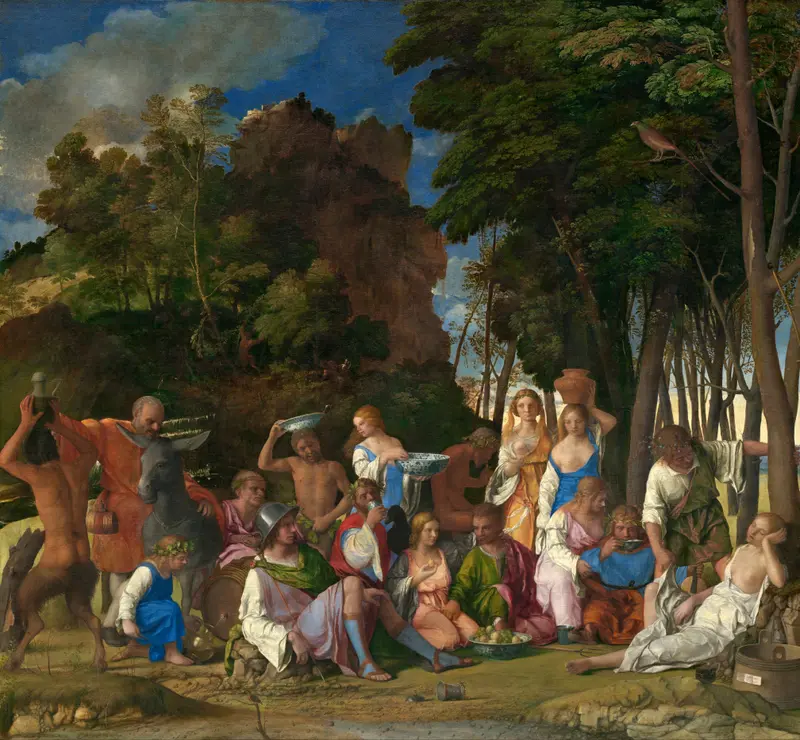
The Feast of the Gods
Giovanni Bellini

Madonna and Child enthroned with Saints and Angels
Giovanni Bellini
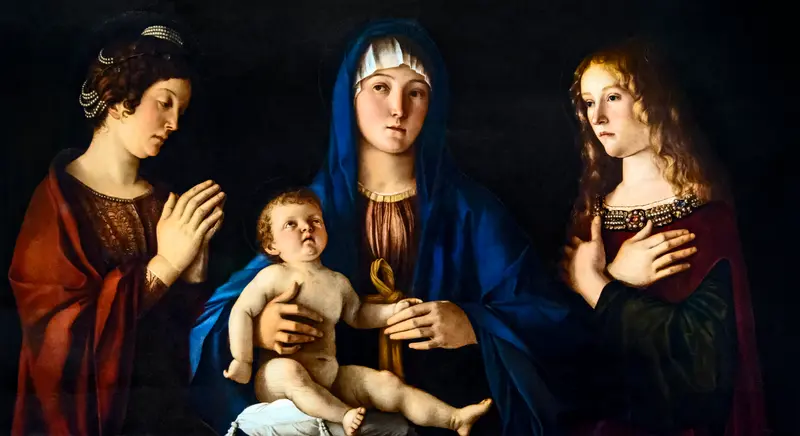
Madonna and Child between Saints Catherine and Mary Magdalene
Giovanni Bellini
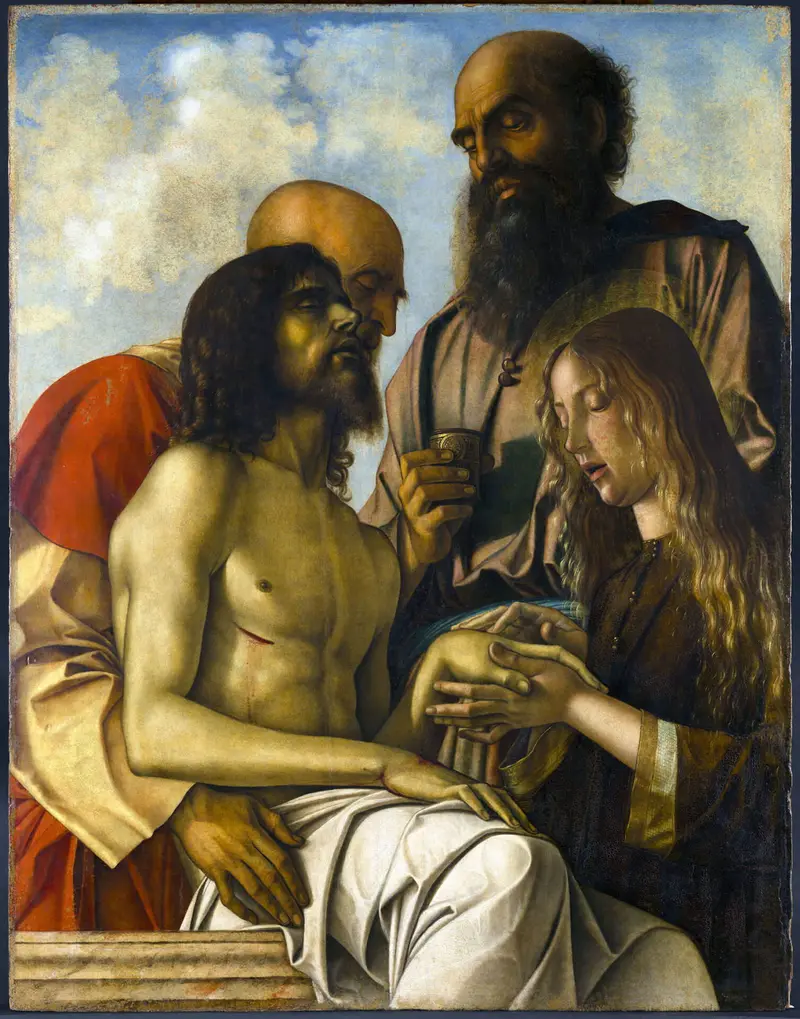
Lamentation over the Dead Christ
Giovanni Bellini
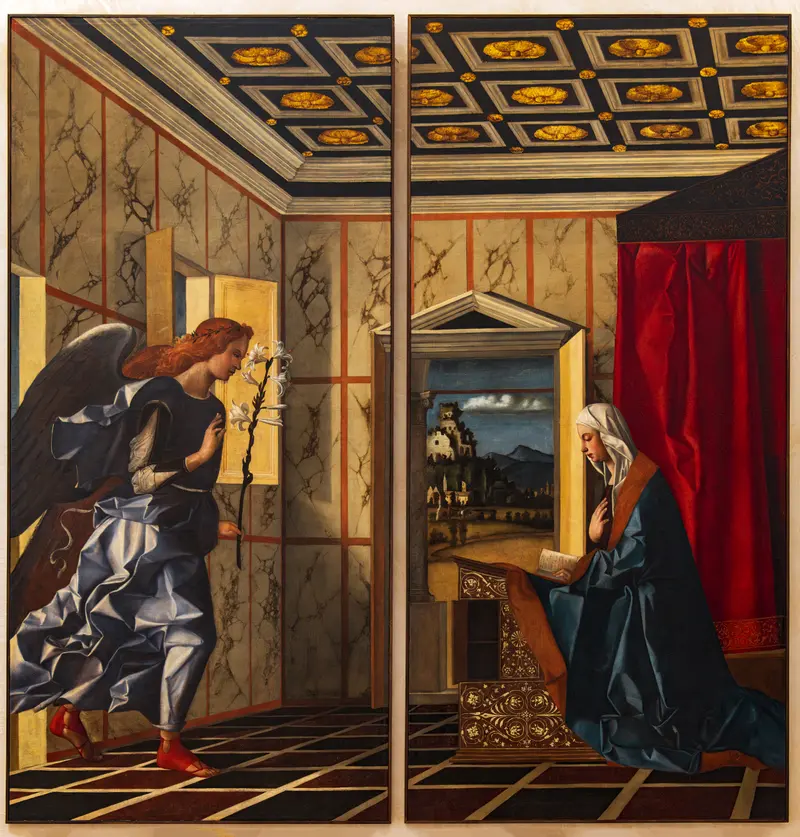
Annunciation
Giovanni Bellini
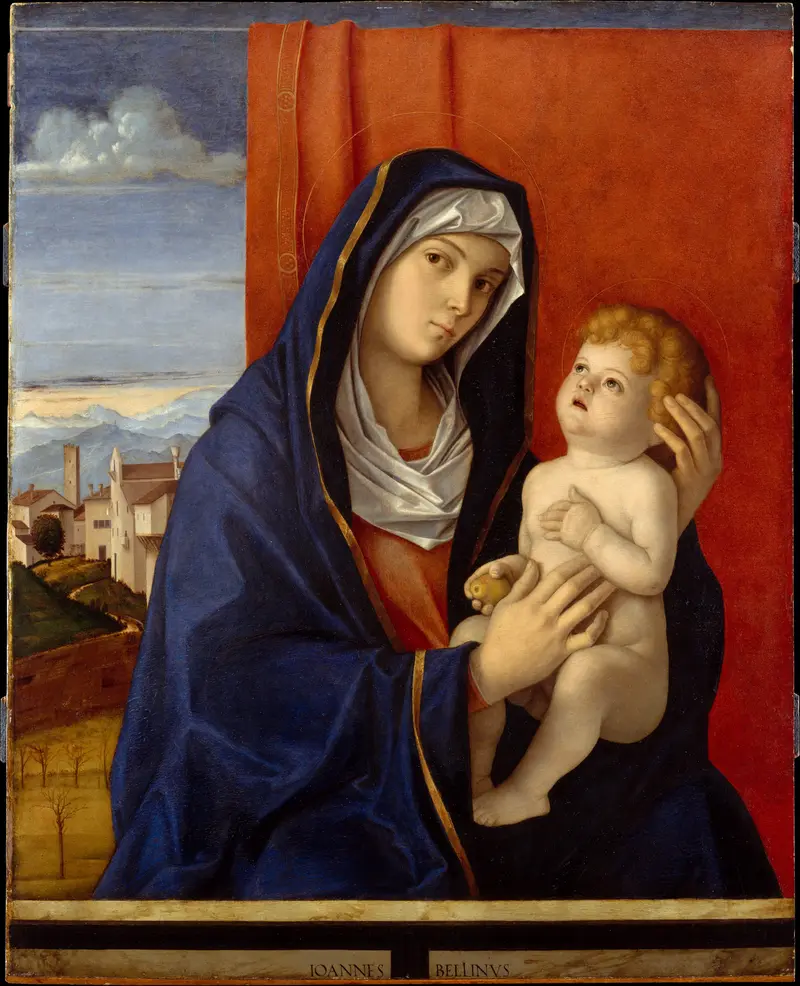
Madonna and Child
Giovanni Bellini
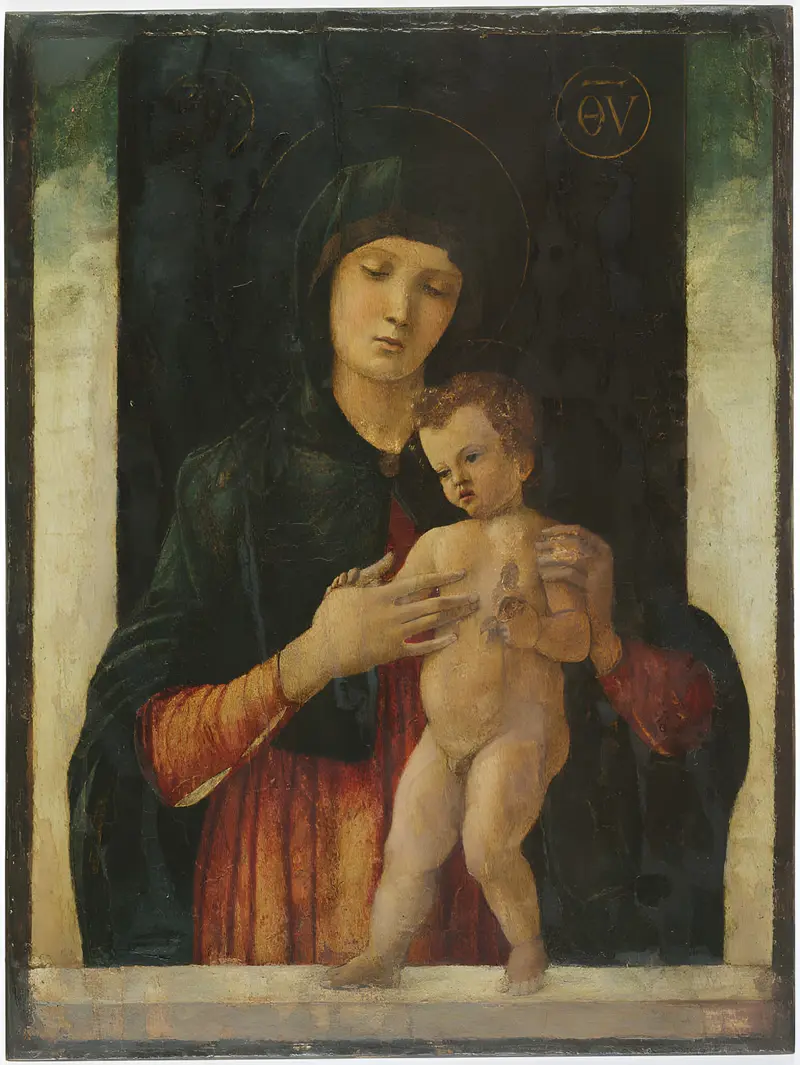
The Virgin and Child
Giovanni Bellini
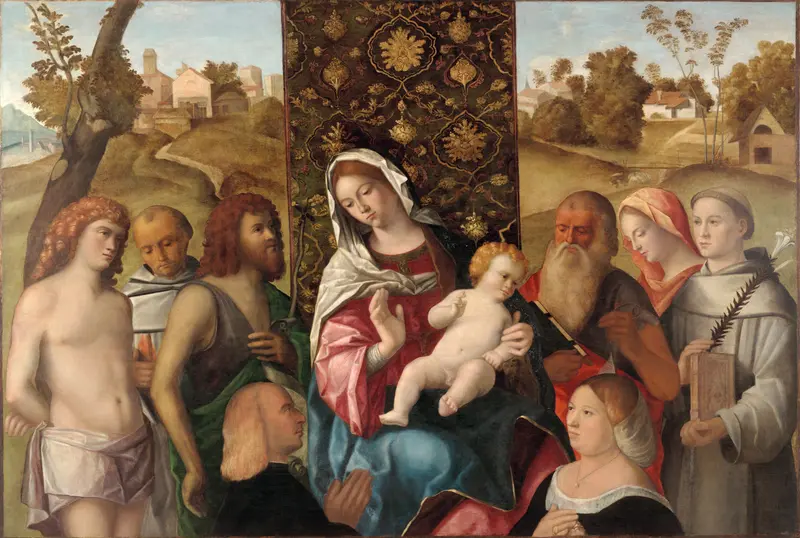
Virgin and Child with Saints Sebastian, Francis, John the Baptist, Jerome, an unidentified female saint, Saint Anthony of Padua and two donors
Giovanni Bellini
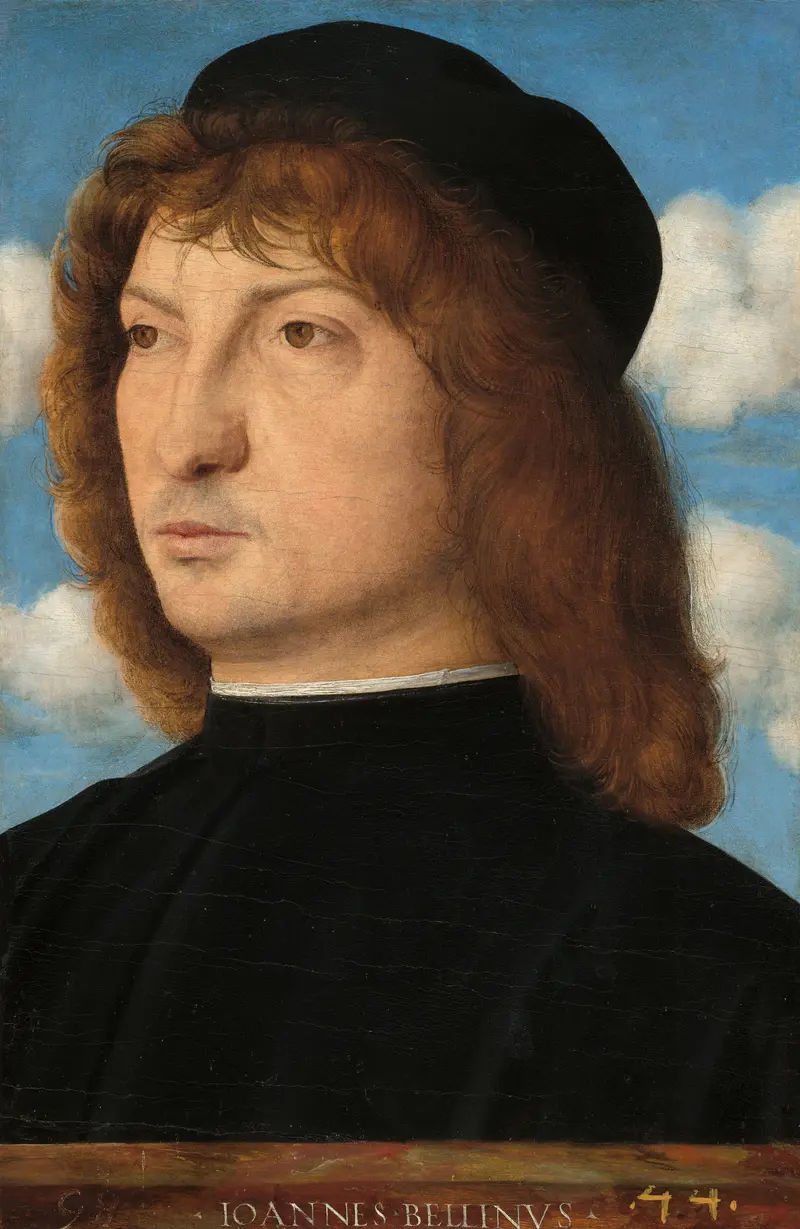
Portrait of a Venetian Gentleman
Giovanni Bellini
Portrait of a Young Man
Giovanni Bellini





