
Acht verschillende koppen van mannen, vrouwen, dieren en mascarons — History & Facts
In the realm of artistic expression, capturing the essence of humanity and nature often requires an intricate dance of form and emotion. Bartholomeus Breenbergh’s vivid exploration of this concept in Acht verschillende koppen van mannen, vrouwen, dieren en mascarons invites viewers to delve deep into the layers of identity and existence. Focus first on the vibrant interplay of characters filling the canvas. Notice how each head, distinct yet related, commands attention with its unique features.
The detailed brushwork brings forth texture in the skin and luminosity in the eyes, while the colors—rich ochres, deep russets, and soft pastels—wrapping around the forms create a dialogue of warmth and intimacy. Breenbergh's careful arrangement invites your gaze across the spectrum of expressions, making the viewer linger on both the explicit details and the subtle harmonies they create. As you observe, contemplate the contrasts inherent in the composition. The juxtaposition of human faces with animal features hints at a deeper commentary on the interconnectedness of all beings.
The expressions evoke a spectrum of emotions, from joy to contemplation, as if they are engaged in a silent dialogue. Each head encapsulates a fragment of truth, reflecting not only individuality but also shared experiences—a microcosm of society that challenges the viewer's perception of identity and belonging. In 1638, Breenbergh created this work during a period marked by artistic experimentation and a burgeoning interest in genre scenes and still life within the Dutch Golden Age. Living in Amsterdam, he was at the heart of a vibrant artistic community exploring realism and emotional expression.
This context profoundly influenced his ability to blend various elements—human, animal, and mythological—into a thought-provoking tableau that resonates with contemporary audiences even today.
More Artworks by Bartholomeus Breenbergh
Browse all →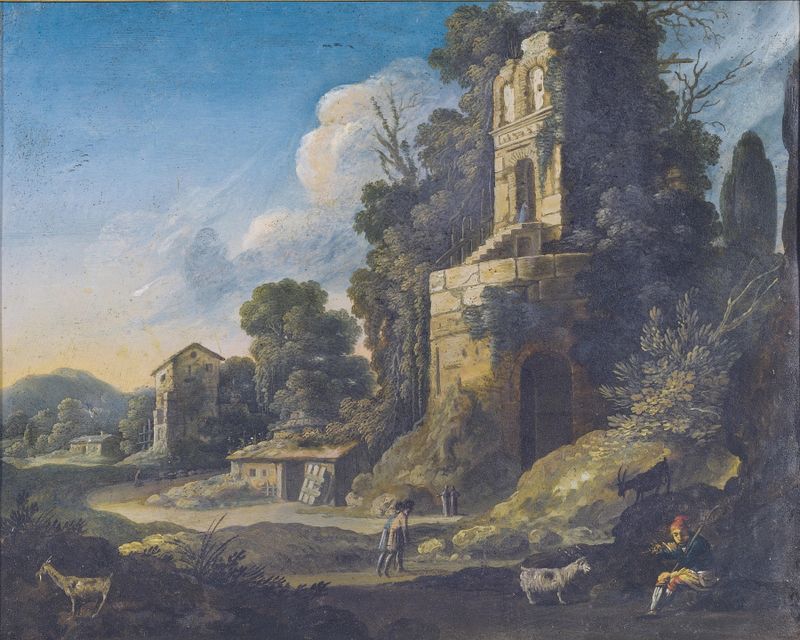
Italianate landscape with buildings and a herdsman playing pipes
Bartholomeus Breenbergh

Arcadian Landscape
Bartholomeus Breenbergh

Ruïnes van keizerlijk paleis te Rome
Bartholomeus Breenbergh

Ruïne van het Colosseum
Bartholomeus Breenbergh
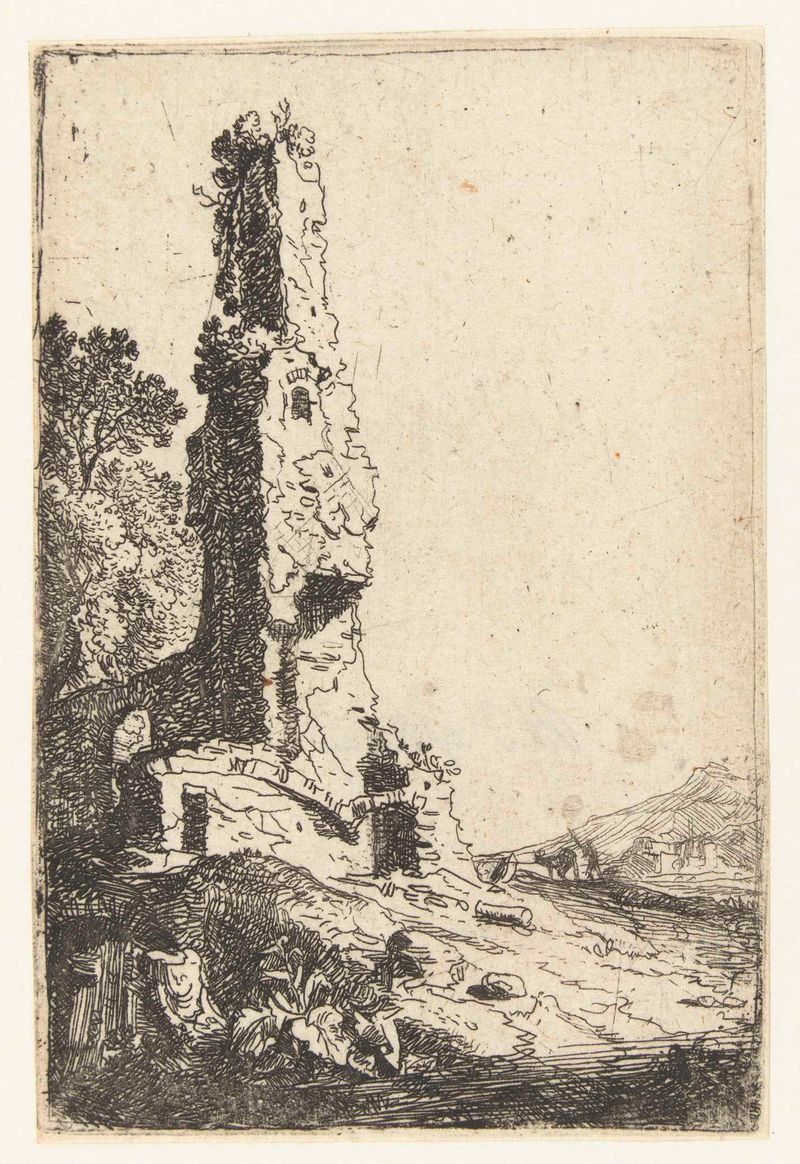
Ruïnes van de stadsmuren van Rome
Bartholomeus Breenbergh
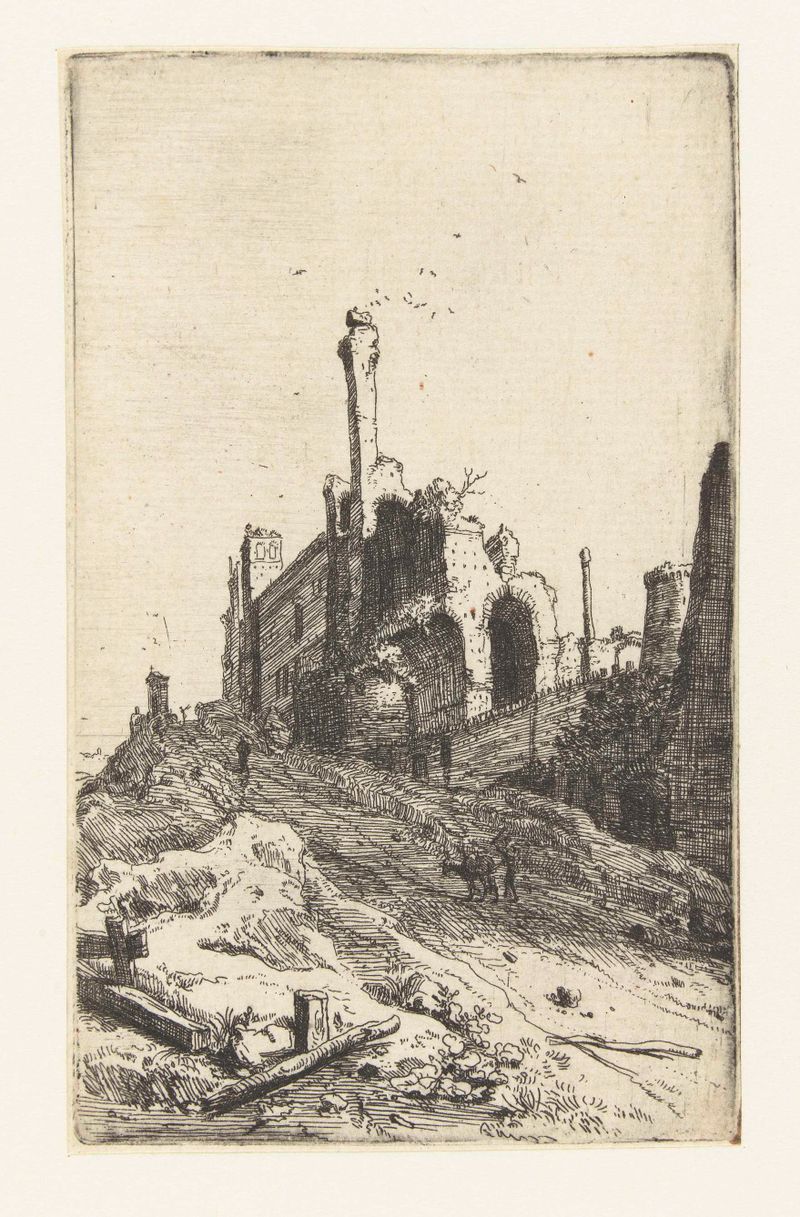
Ruïnes van een paleis te Tivoli
Bartholomeus Breenbergh

Figures Among Ruins By The Tiber
Bartholomeus Breenbergh

Italian Landscape with the Aurelian Wall
Bartholomeus Breenbergh
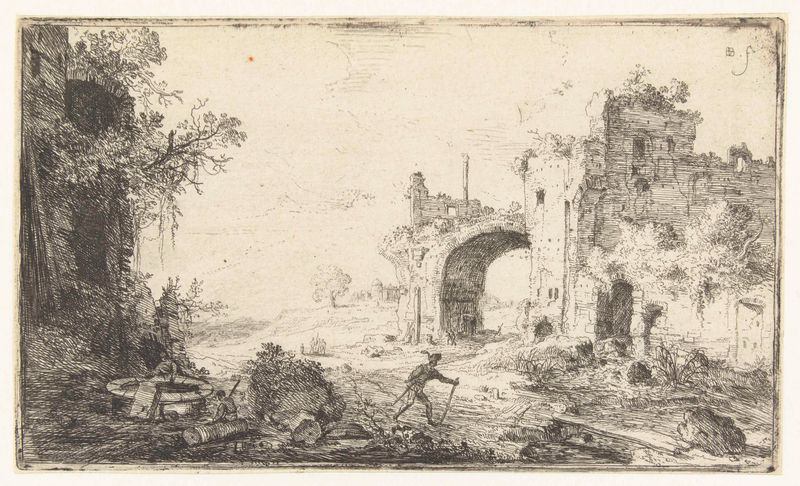
Ruïnes van de thermen van Caracalla
Bartholomeus Breenbergh
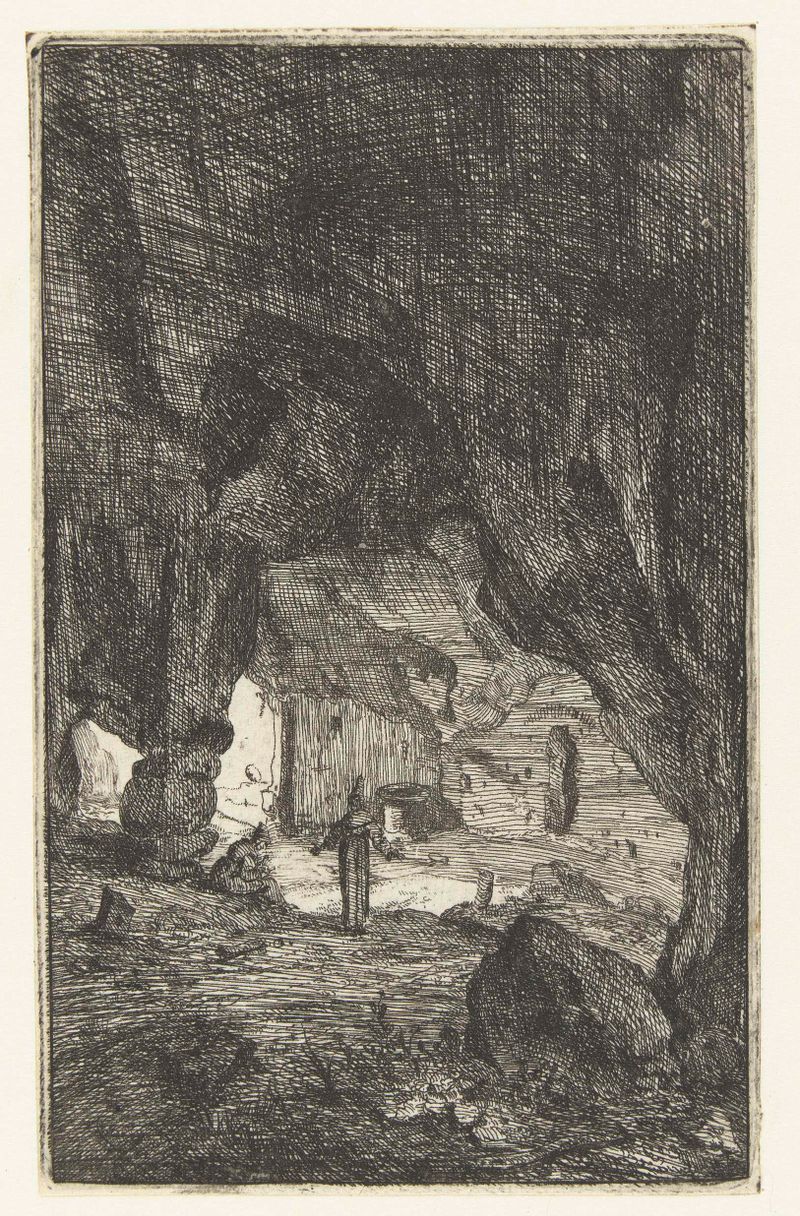
Interieur van een grot
Bartholomeus Breenbergh
More Portrait Art
Browse all →
Las meninas
Diego Velázquez

Self-portrait with a Bandaged Ear and Pipe
Unidentified artist

Girl with a Pearl Earring
Johannes Vermeer

The Sampling Officials of the Amsterdam Drapers’ Guild, Known as ‘The Syndics’
Rembrandt van Rijn

The Hundred Guilder Print: the man seen on the back in the lower left corner
Rembrandt van Rijn

Portrait of Dr Gachet
Vincent van Gogh