
Ruïne van het Colosseum — History & Facts
Who listens when art speaks of silence? Within the ruins of an ancient monument, echoes of faith linger in the air, waiting to be heard. Focus on the colossal structure to the left, its weathered stones standing resolute against the muted sky. Notice how the soft light bathes the scene, illuminating the craftsmanship of the columns and arches, while casting long shadows that whisper of time’s passage. The delicate brushstrokes and earthy palette invite you to explore the interplay of light and shadow, revealing a complex dialogue between nature and humanity's grand aspirations. In the foreground, a solitary figure gazes up in contemplation, embodying the tension between the past and present.
This juxtaposition of the crumbling edifice and the living observer suggests a deeper narrative about faith, resilience, and the weight of history. The stillness of the scene contrasts with the idea of life continuing amidst ruins, prompting reflections on what it means to find solace in remnants and the sacred amidst decay. Bartholomeus Breenbergh created Ruïne van het Colosseum between 1639 and 1640, likely while in Amsterdam, a city thriving in artistic innovation. At this time, he was influenced by the rise of landscape painting and the Baroque style, which emphasized dramatic lighting and emotional depth.
His work captures not just a physical location but also a profound meditation on faith, legacy, and the enduring beauty found in what remains.
More Artworks by Bartholomeus Breenbergh
Browse all →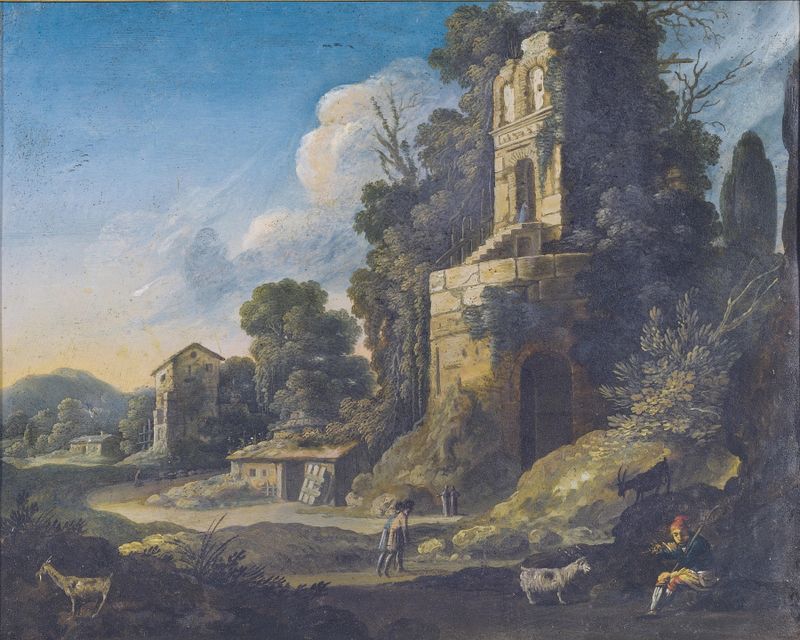
Italianate landscape with buildings and a herdsman playing pipes
Bartholomeus Breenbergh

Arcadian Landscape
Bartholomeus Breenbergh

Ruïnes van keizerlijk paleis te Rome
Bartholomeus Breenbergh
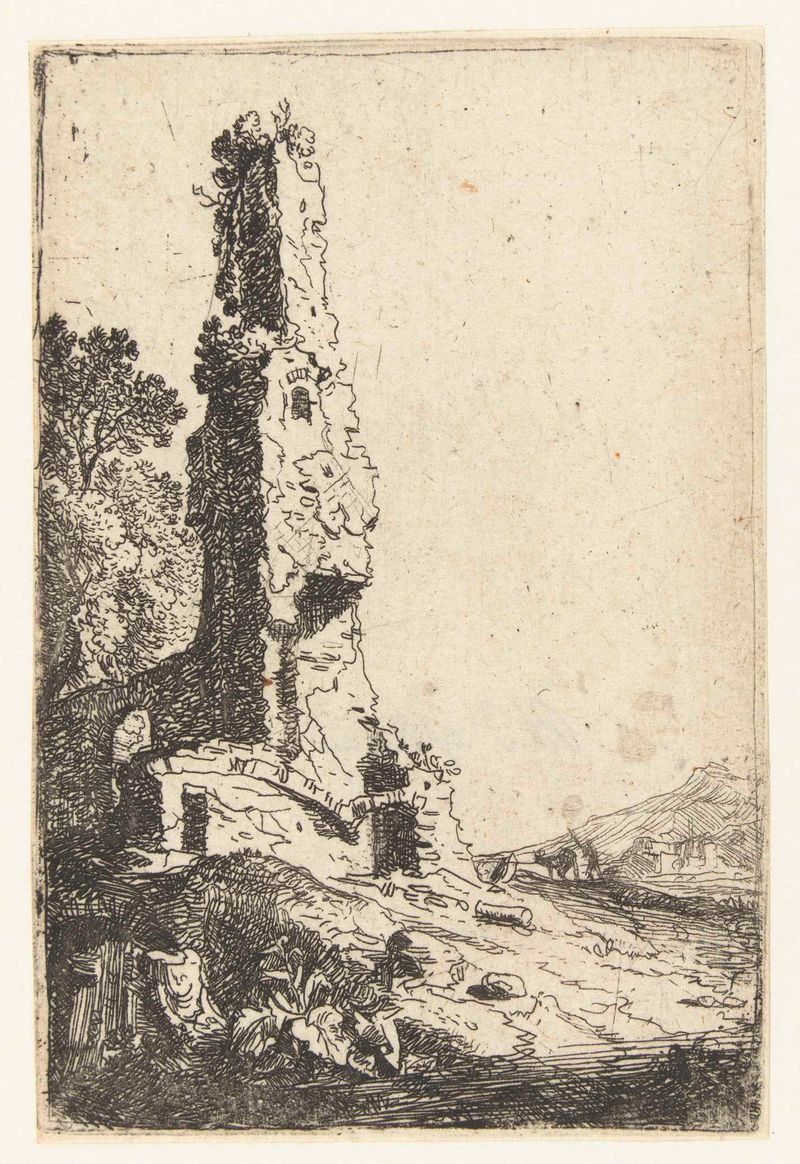
Ruïnes van de stadsmuren van Rome
Bartholomeus Breenbergh
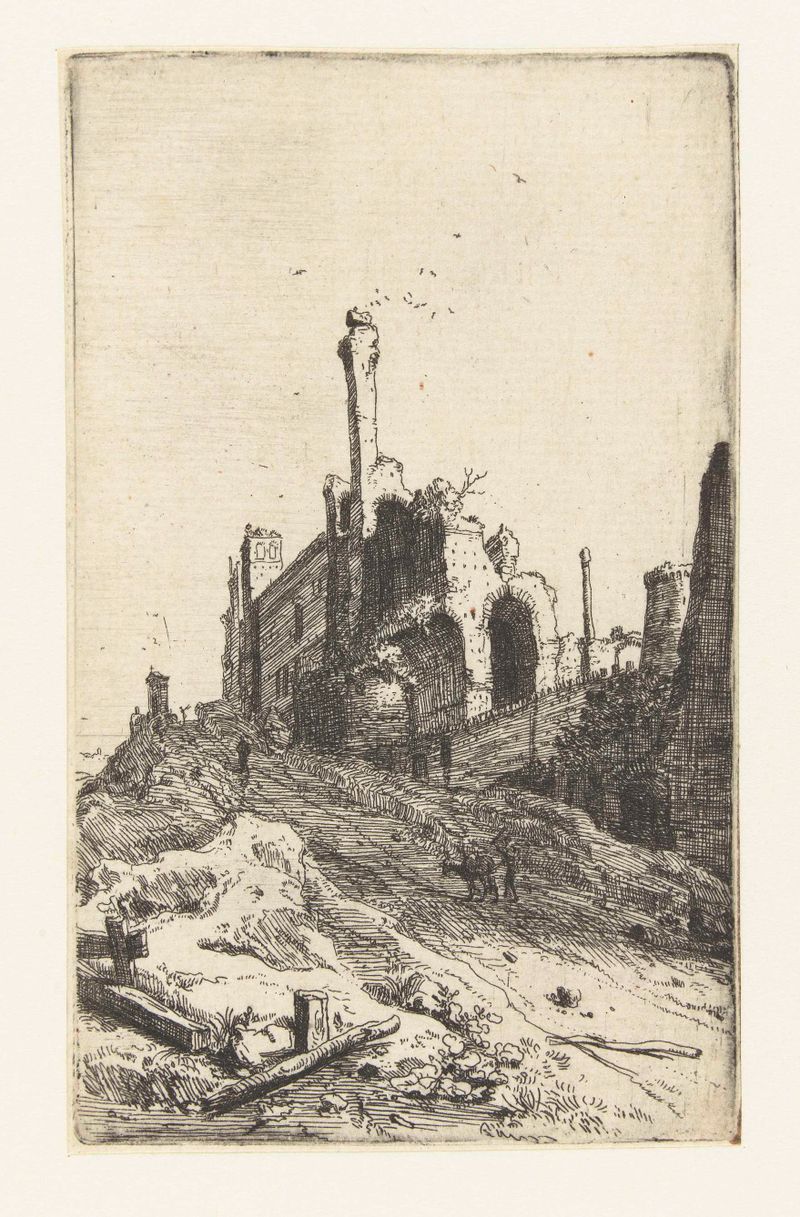
Ruïnes van een paleis te Tivoli
Bartholomeus Breenbergh

Figures Among Ruins By The Tiber
Bartholomeus Breenbergh

Italian Landscape with the Aurelian Wall
Bartholomeus Breenbergh
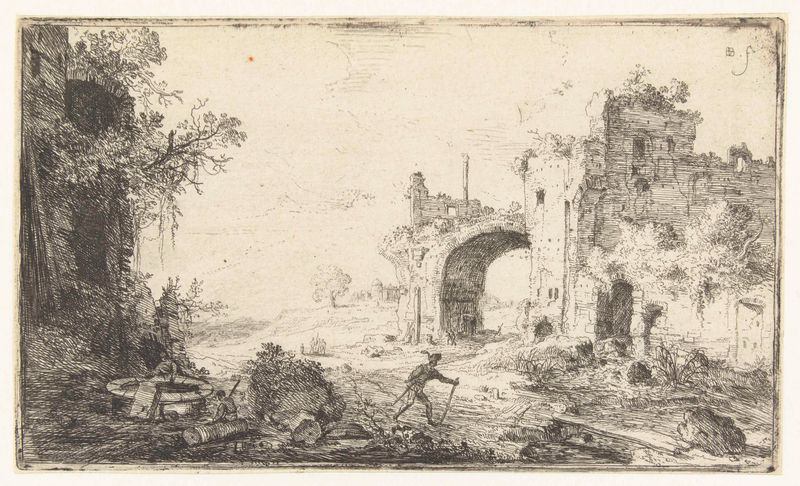
Ruïnes van de thermen van Caracalla
Bartholomeus Breenbergh
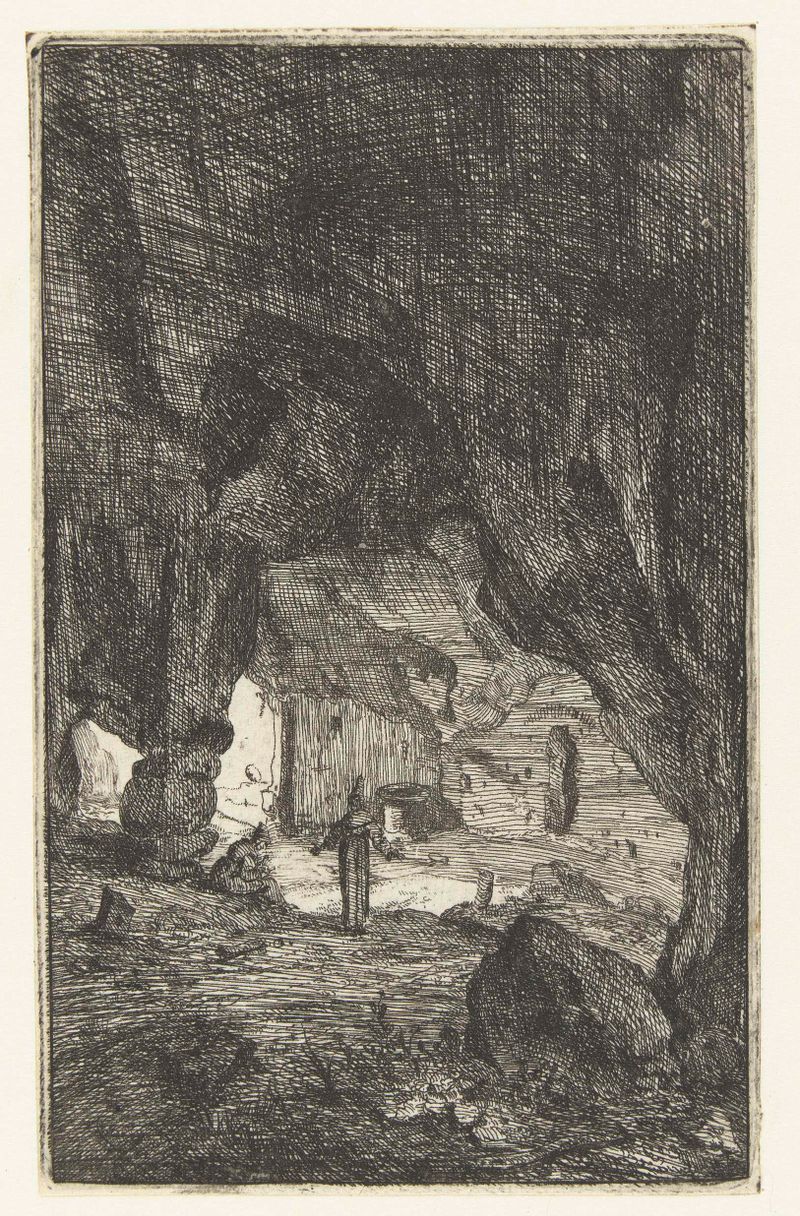
Interieur van een grot
Bartholomeus Breenbergh
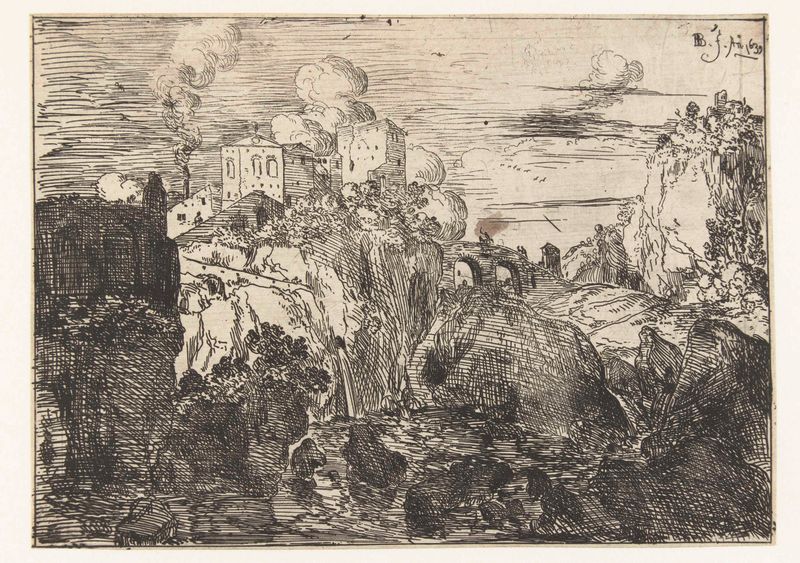
Italiaans landschap met gebouwen en een brug
Bartholomeus Breenbergh
More Architecture Art
Browse all →
The statue of Liberty
Frédéric Auguste Bartholdi

View of Houses in Delft, Known as ‘The Little Street’
Johannes Vermeer

View of Houses in Delft, Known as ‘The Little Street’
Johannes Vermeer

The Cathedral in Rouen. The portal, Grey Weather
Claude Monet

The yellow house
Vincent van Gogh

The Church in Auvers-sur-Oise, View from the Chevet
Vincent van Gogh