Interieur van een grot — History & Facts
The hollow echoes of a cavernous interior remind us that loss often lies hidden beneath the surface of allure. In Interieur van een grot, focus on the intricate play of light filtering through the rocky crevices, casting ethereal shadows on the cool stone walls. Notice how the warm glow of the background contrasts with the cooler, darker tones in the foreground, creating a visual tension that draws the eye deeper into the cave's embrace. Each brushstroke reveals a meticulous attention to detail, with the textures of the rock and the luminous highlights inviting contemplation. This contrast between light and shadow symbolizes the duality of experience—the beauty of the scene exists alongside an underlying sense of foreboding.
The cavern, while inviting, also evokes a feeling of isolation, suggesting a space where secrets are hidden and memories linger. The golden hues hint at lost moments of joy, suggesting that what once shone brightly may now be shrouded in darkness. Bartholomeus Breenbergh created this piece between 1639 and 1640 during a period of significant transition in Dutch art. Moving back to the Netherlands from Italy, he infused his work with influences from the Italian Baroque while grappling with the themes of his own existence.
The era was marked by a growing interest in the interplay of light and nature, a theme that reflects the emotional landscape of Breenbergh’s experiences as both an artist and a man.
More Artworks by Bartholomeus Breenbergh
Browse all →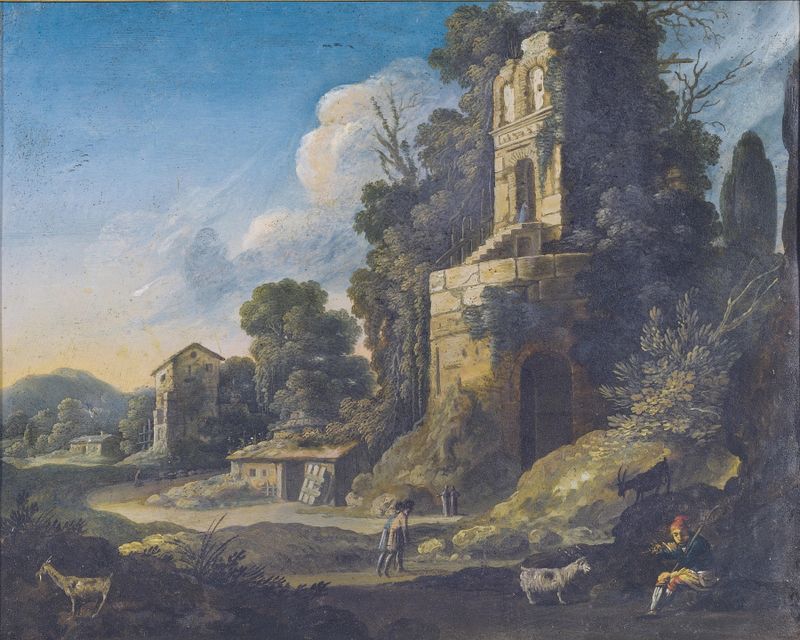
Italianate landscape with buildings and a herdsman playing pipes
Bartholomeus Breenbergh

Arcadian Landscape
Bartholomeus Breenbergh

Ruïnes van keizerlijk paleis te Rome
Bartholomeus Breenbergh

Ruïne van het Colosseum
Bartholomeus Breenbergh
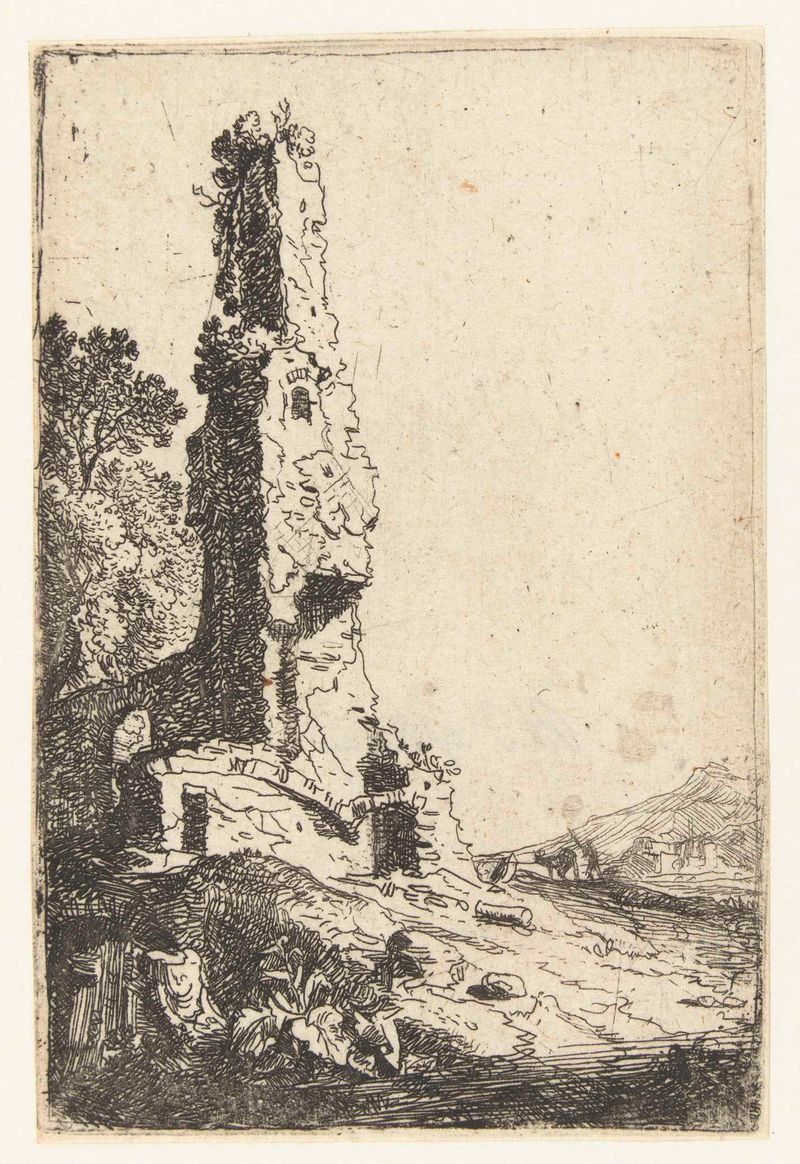
Ruïnes van de stadsmuren van Rome
Bartholomeus Breenbergh
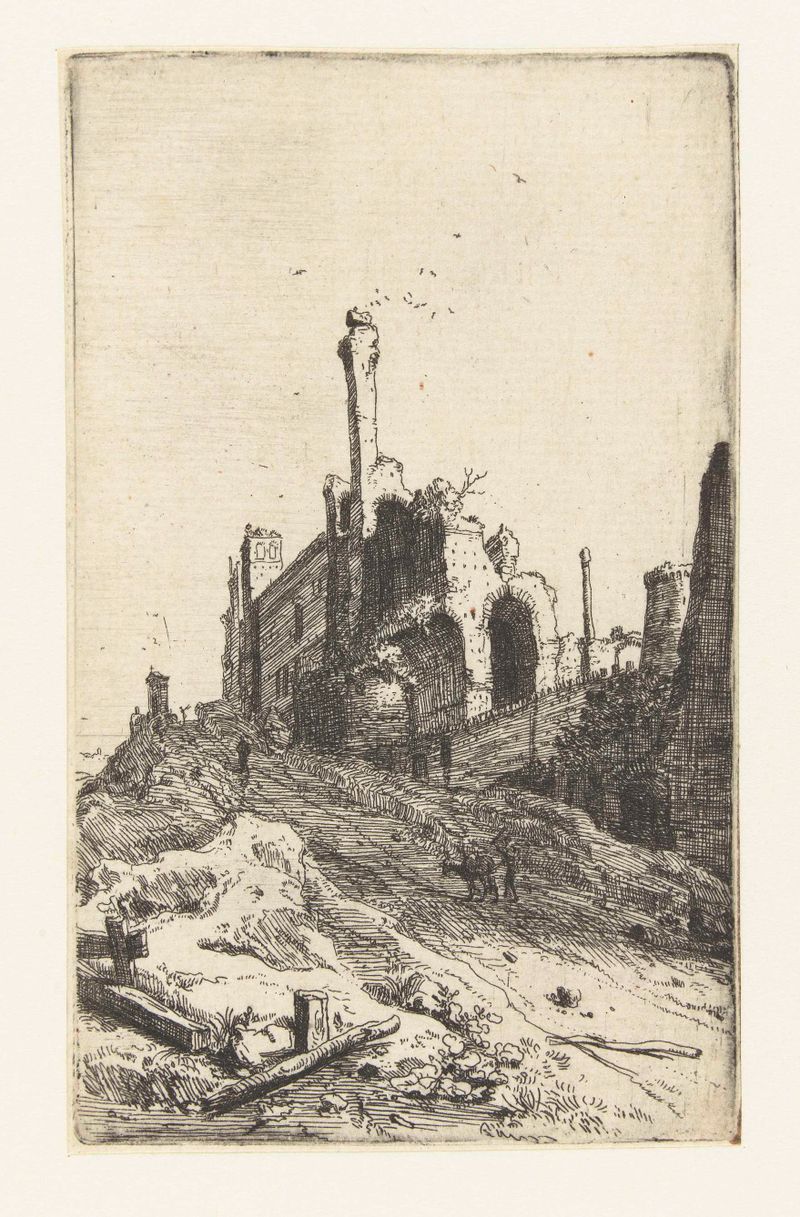
Ruïnes van een paleis te Tivoli
Bartholomeus Breenbergh

Figures Among Ruins By The Tiber
Bartholomeus Breenbergh

Italian Landscape with the Aurelian Wall
Bartholomeus Breenbergh
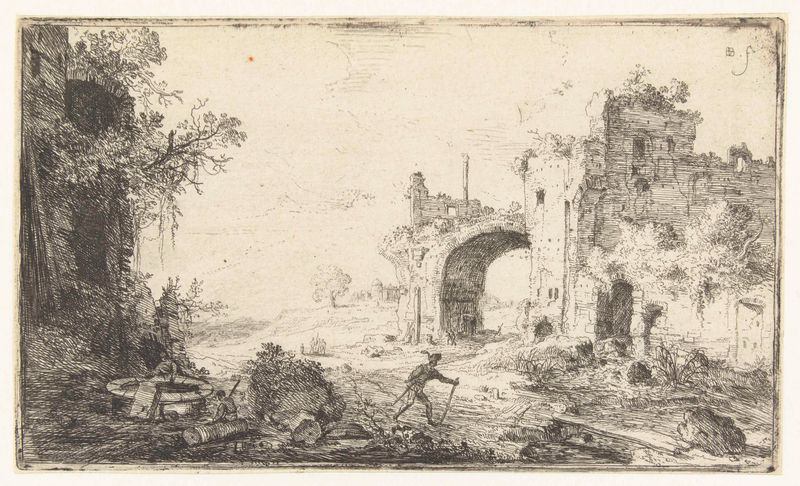
Ruïnes van de thermen van Caracalla
Bartholomeus Breenbergh
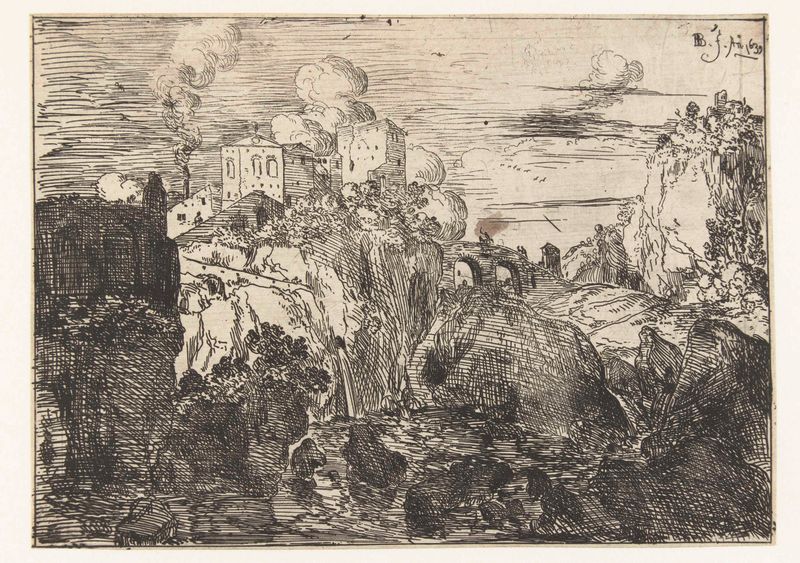
Italiaans landschap met gebouwen en een brug
Bartholomeus Breenbergh