
Figures Among Ruins By The Tiber — History & Facts
In the quiet embrace of time and decay, the remnants of a world long past linger in the air, filled with an unmistakable sense of melancholy. The viewer is beckoned to explore the nuances of loss and memory, inviting reflection on what remains when life as we know it fades away. Look to the left where the figures stand amidst the ruins, their postures conveying a sense of both contemplation and resignation. The muted earth tones of the landscape contrast with the soft blues of their garments, emphasizing their connection to the stillness surrounding them.
Notice how the light delicately dances through the treetops, casting dappled shadows that seem to whisper secrets of history, while the crumbling columns jutting into the sky symbolize ancient aspirations, now reduced to mere echoes. The juxtaposition of the living figures against the lifeless stones creates an emotional tension, a dialogue between human existence and the impermanence of all things. The gentle gestures of the individuals suggest a fleeting moment of connection, yet the vastness of the ruins envelops them in solitude, highlighting their fragility against the backdrop of eternity. Each detail—the leaves, the faded stones, the expressions—invites the viewer to ponder the weight of time and the stories that remain untold. In 1632, while painting Figures Among Ruins By The Tiber, Bartholomeus Breenbergh found himself in an artistic landscape marked by the decline of the Baroque and the rise of new narratives in painting.
Working in Rome, he was influenced by the classical ruins around him, drawing inspiration from both the grandeur of antiquity and the somber realizations of its impermanence. This period of his life coincided with a broader artistic exploration, reflecting the emotional depths that art could convey, anchored by the profound silence of history.
More Artworks by Bartholomeus Breenbergh
Browse all →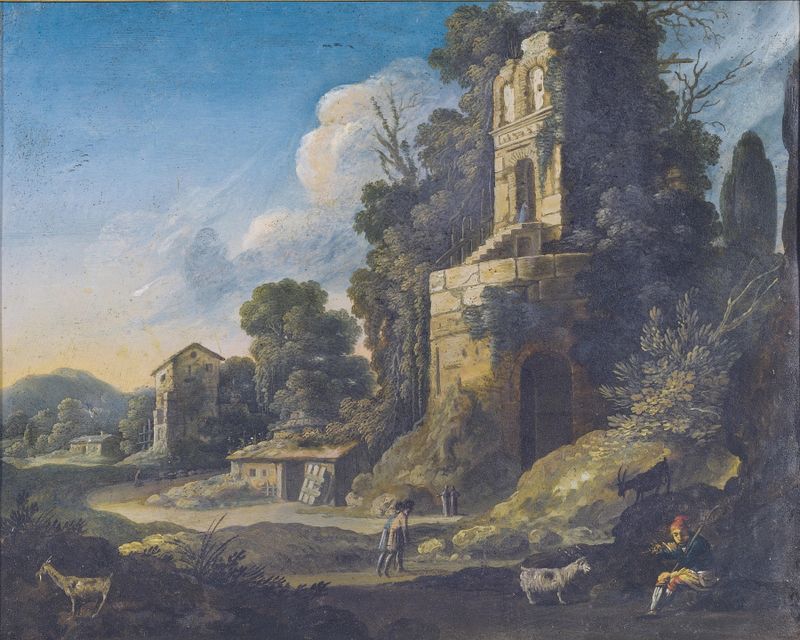
Italianate landscape with buildings and a herdsman playing pipes
Bartholomeus Breenbergh

Arcadian Landscape
Bartholomeus Breenbergh

Ruïnes van keizerlijk paleis te Rome
Bartholomeus Breenbergh

Ruïne van het Colosseum
Bartholomeus Breenbergh
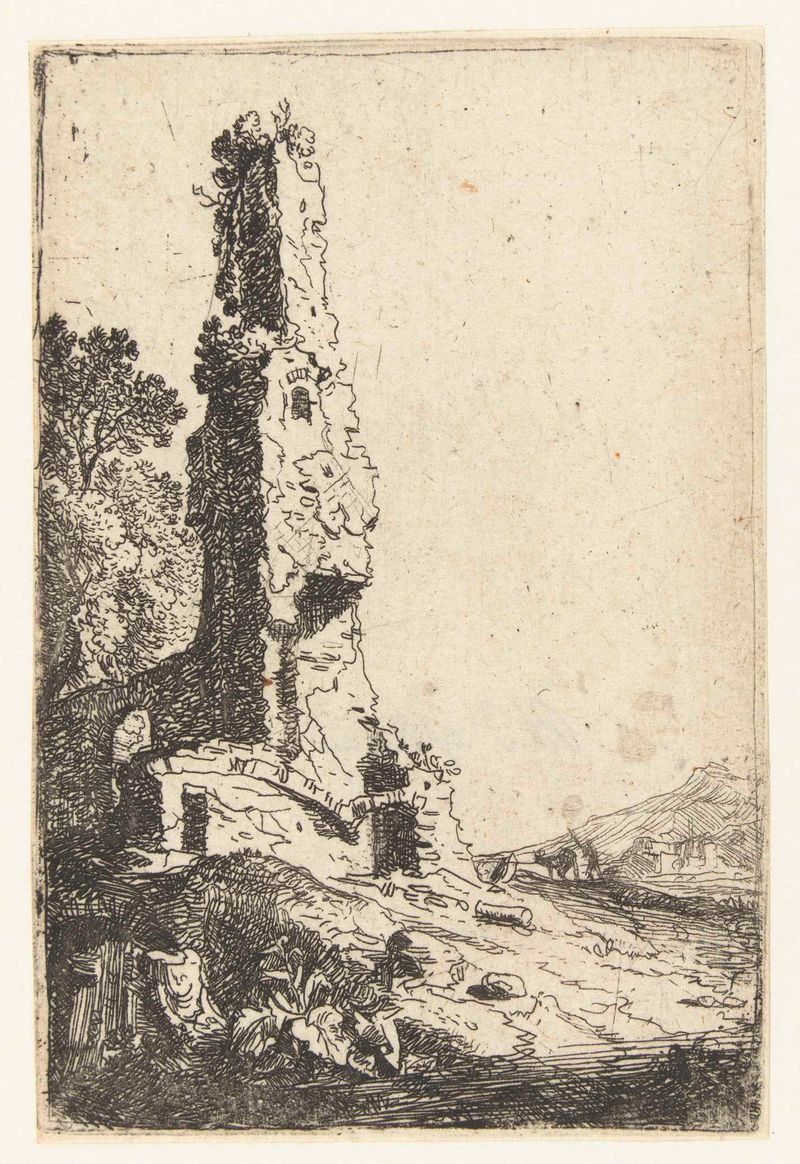
Ruïnes van de stadsmuren van Rome
Bartholomeus Breenbergh
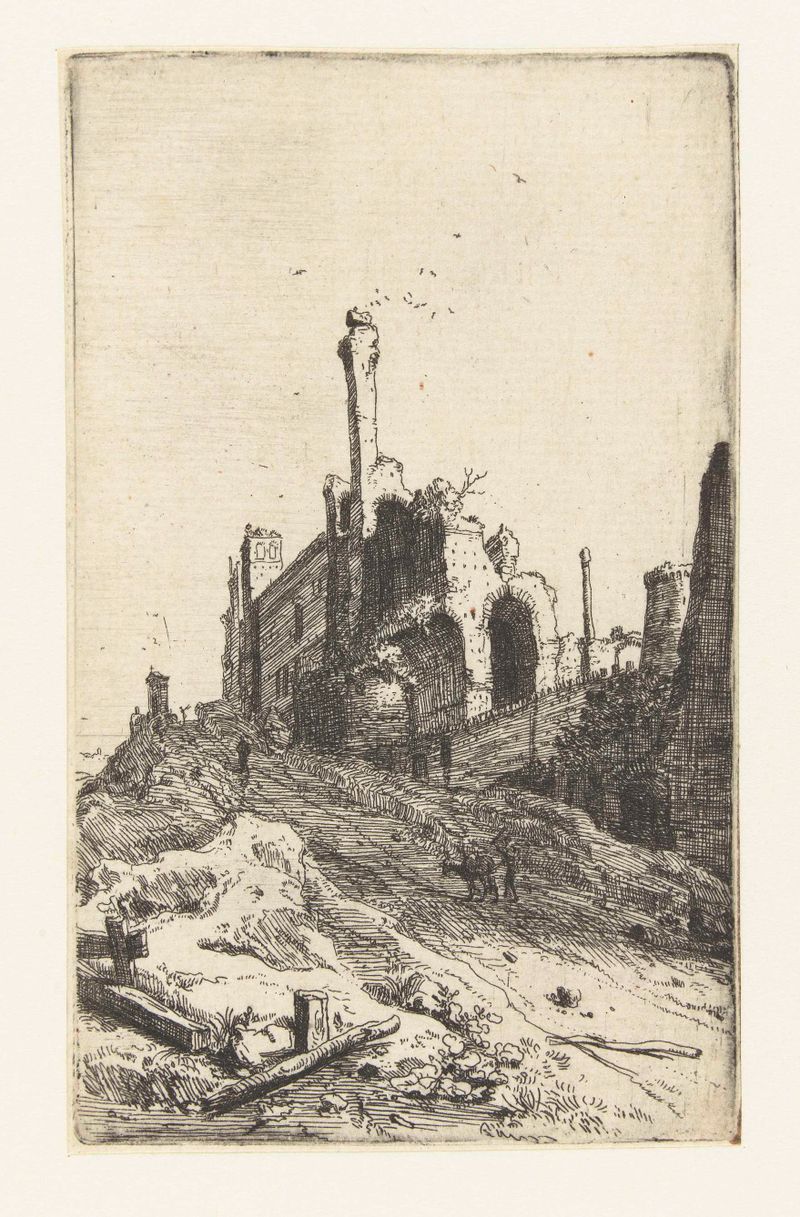
Ruïnes van een paleis te Tivoli
Bartholomeus Breenbergh

Italian Landscape with the Aurelian Wall
Bartholomeus Breenbergh
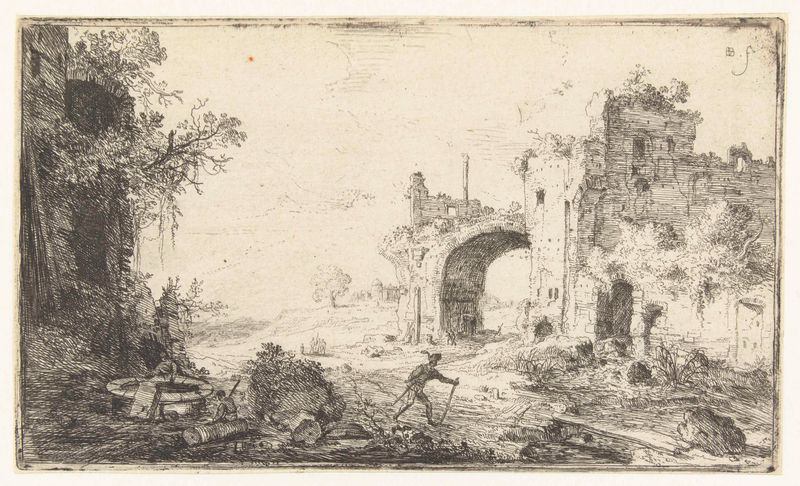
Ruïnes van de thermen van Caracalla
Bartholomeus Breenbergh
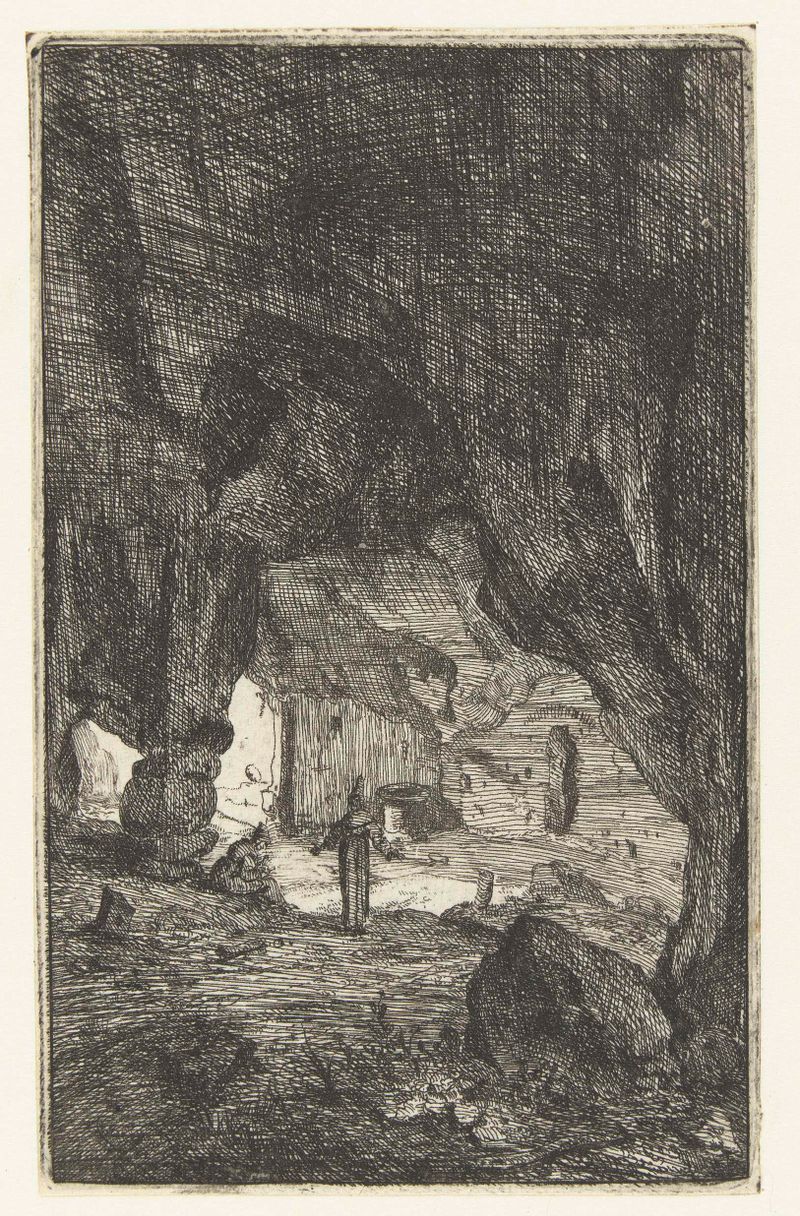
Interieur van een grot
Bartholomeus Breenbergh
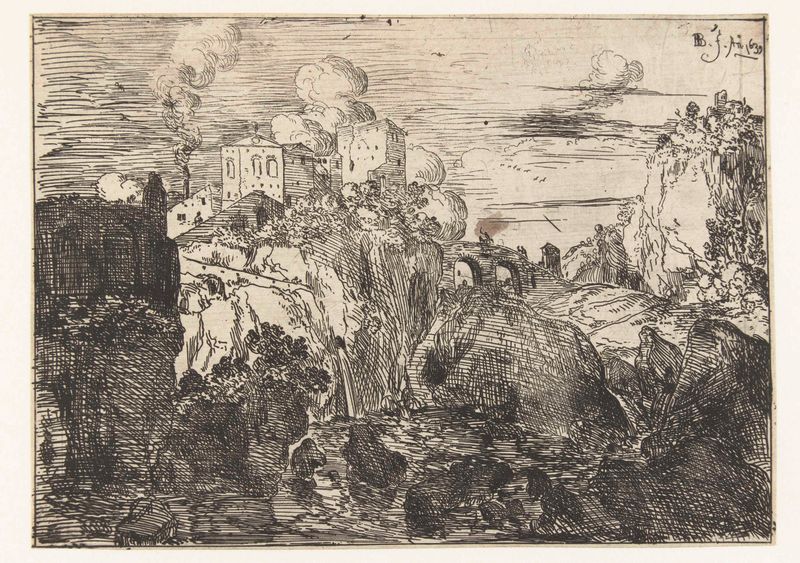
Italiaans landschap met gebouwen en een brug
Bartholomeus Breenbergh





