
Arcadian Landscape — History & Facts
Where does light end, and longing begin? In Arcadian Landscape, we are presented with a moment where time seems suspended, inviting contemplation on nature's eternal beauty and our fleeting existence within it. Look to the center, where a sun-kissed horizon stretches across the canvas, beckoning the eye into a rich tapestry of greens and golds. The soft brushwork captures the play of light filtering through dense foliage, while the delicate clouds above hint at a tranquil yet dynamic atmosphere. Notice how figures meander through the landscape, their subtle gestures suggesting a harmony with the surroundings — they almost blend into the lush scenery, reinforcing the unity of humankind and nature. In this painting, contrasts emerge between serenity and movement, light and shadow.
The lush greenery surrounding the figures symbolizes the fullness of life, while the golden light evokes warmth and a sense of timelessness. However, the distant mountains loom like reminders of the inevitable passage of time, creating an emotional tension between the idyllic present and the uncertainties of the future. Each detail invites the viewer to reflect on their own relationship with nature and the transient moments that define our lives. Bartholomeus Breenbergh created Arcadian Landscape in 1630 while in Rome, during a period of burgeoning interest in pastoral themes among Dutch artists.
This was a time when the Dutch Golden Age was flourishing, providing a rich cultural backdrop that influenced Breenbergh's artistry. The merging of classical ideals with personal expression in this work showcases his engagement with both nature and the evolving artistic trends of his day.
More Artworks by Bartholomeus Breenbergh
Browse all →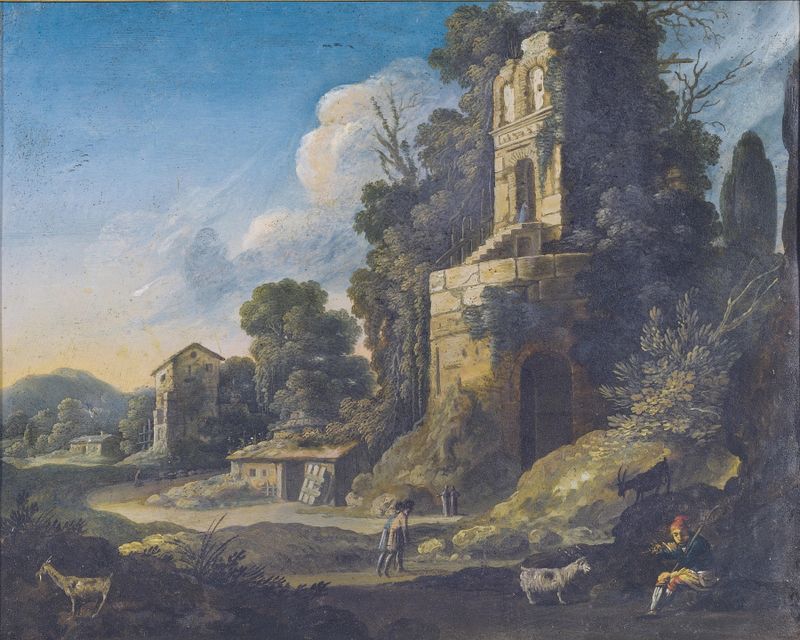
Italianate landscape with buildings and a herdsman playing pipes
Bartholomeus Breenbergh

Ruïnes van keizerlijk paleis te Rome
Bartholomeus Breenbergh

Ruïne van het Colosseum
Bartholomeus Breenbergh
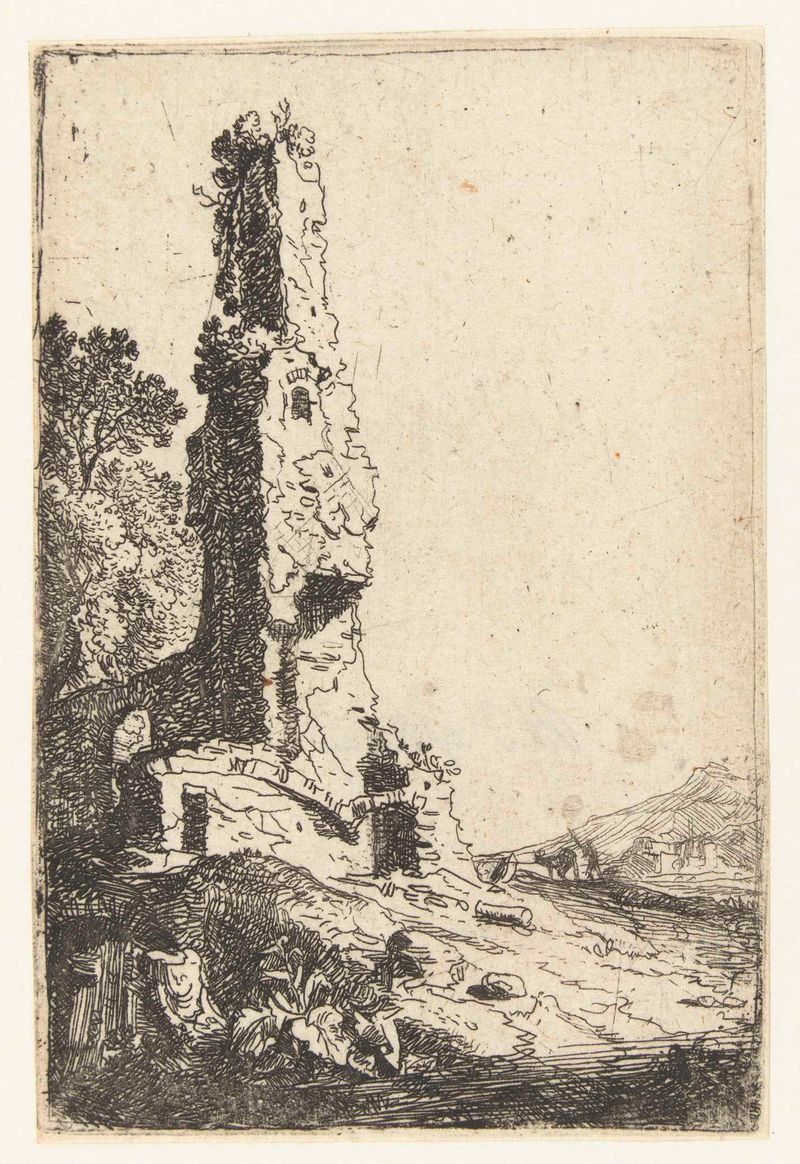
Ruïnes van de stadsmuren van Rome
Bartholomeus Breenbergh
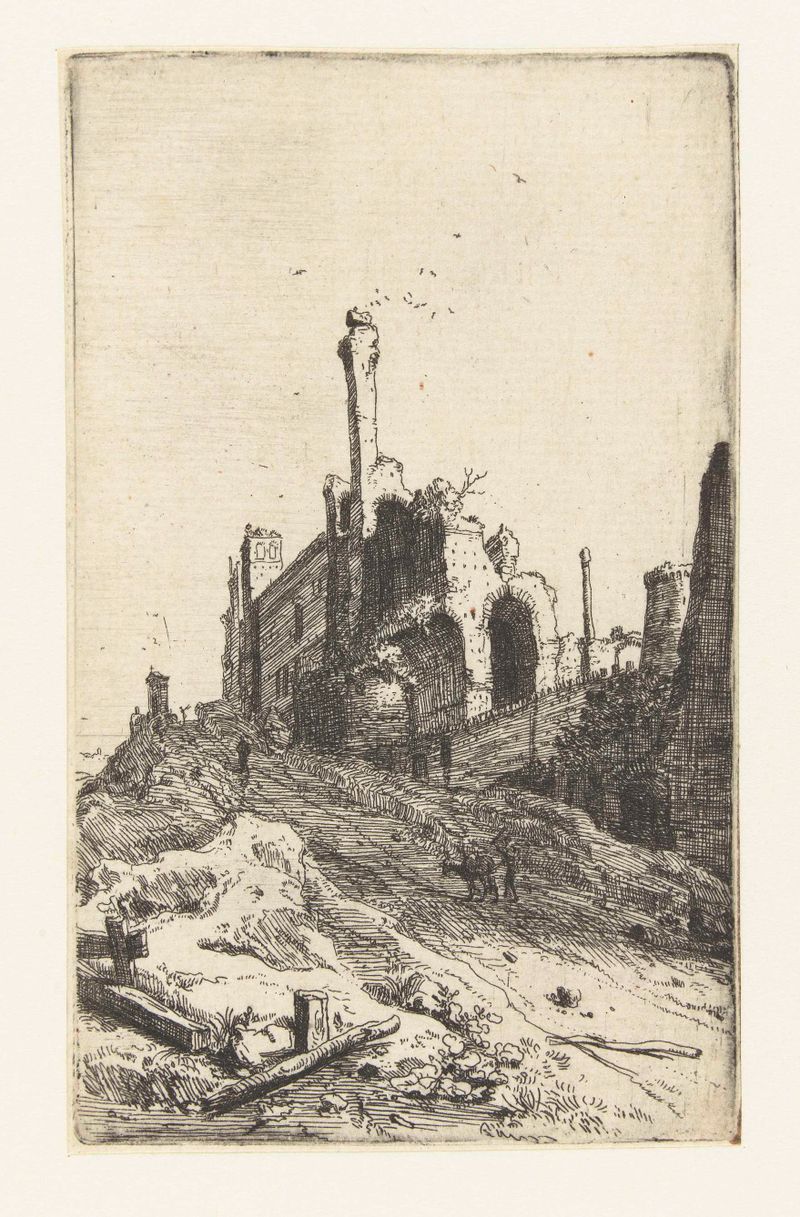
Ruïnes van een paleis te Tivoli
Bartholomeus Breenbergh

Figures Among Ruins By The Tiber
Bartholomeus Breenbergh

Italian Landscape with the Aurelian Wall
Bartholomeus Breenbergh
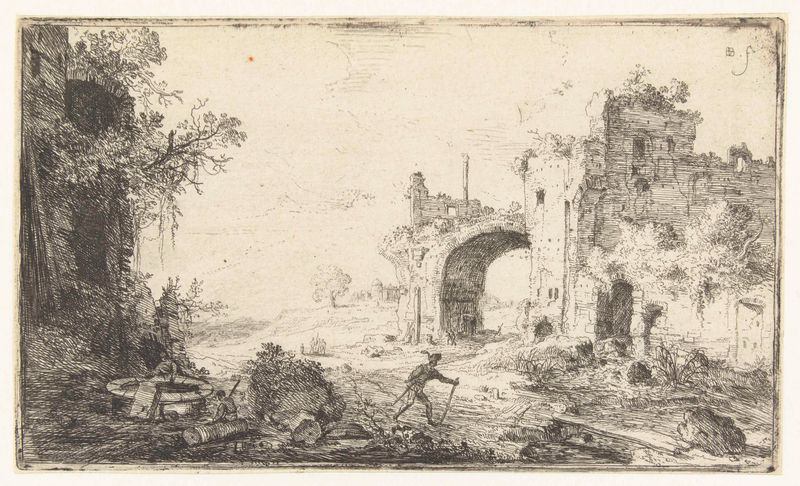
Ruïnes van de thermen van Caracalla
Bartholomeus Breenbergh
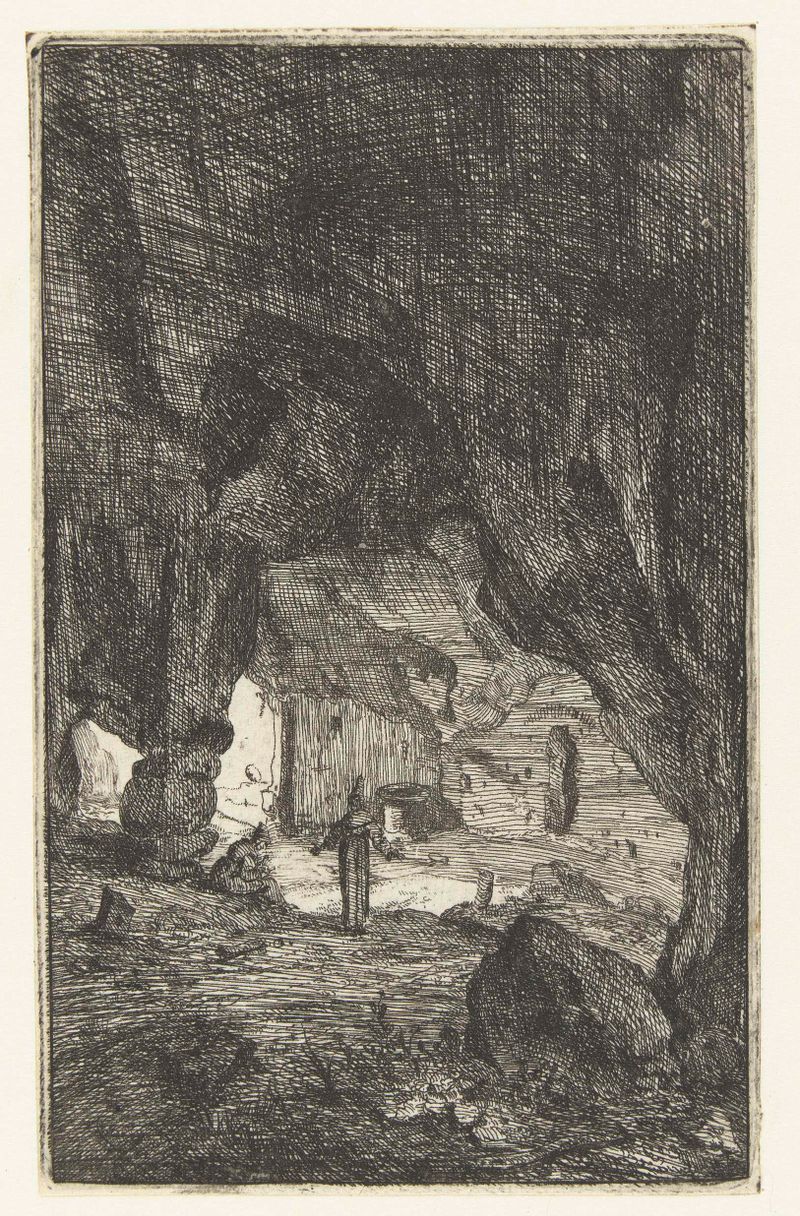
Interieur van een grot
Bartholomeus Breenbergh
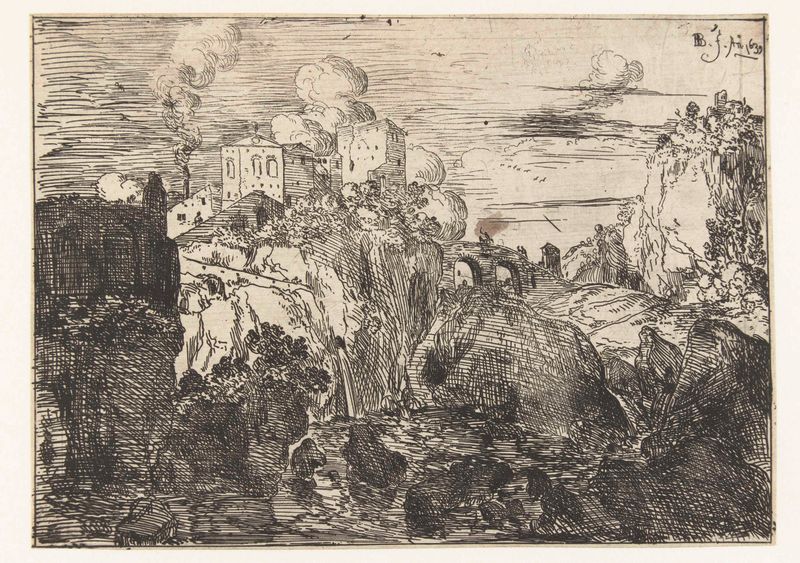
Italiaans landschap met gebouwen en een brug
Bartholomeus Breenbergh





