
Ruïnes van keizerlijk paleis te Rome — History & Facts
Who listens when art speaks of silence? In the stillness of a crumbling empire, grief echoes through the ruins, reminding us of what once was. Look to the left at the majestic arches of the imperial palace, their forms softened by time and shadows. The painter’s delicate brushwork captures not just stone but memory—the cool greys and warm ochres intertwining, breathing life into the decay. Notice how the fading light filters through, casting elongated shadows that stretch across the ground, a poignant reflection of an era in decline.
The meticulous detail in the foreground invites closer inspection, while the distant hills fade into an atmospheric haze, suggesting the passage of time. Breenbergh's composition evokes a profound emotional tension; the remnants of architectural grandeur are juxtaposed with nature’s relentless reclaiming. Here lies a duality—the beauty of decay and the sorrow of loss. The juxtaposition of the ruins against a serene sky hints at resilience yet to bloom, embodying the grief embedded in the memory of a once-thriving civilization.
Each cracked stone whispers stories of glory, while the creeping vines signify nature's quiet insistence on rebirth amidst devastation. Created in 1640, this piece reflects Bartholomeus Breenbergh's time in Rome, where he immersed himself in the city's rich history and classical antiquity. During this period, Europe was navigating the complexities of Baroque art, and themes of transience and loss were prevalent. The painter’s focus on ruins as a subject encapsulated both personal and collective mourning, as the world around him grappled with the remnants of its past.
More Artworks by Bartholomeus Breenbergh
Browse all →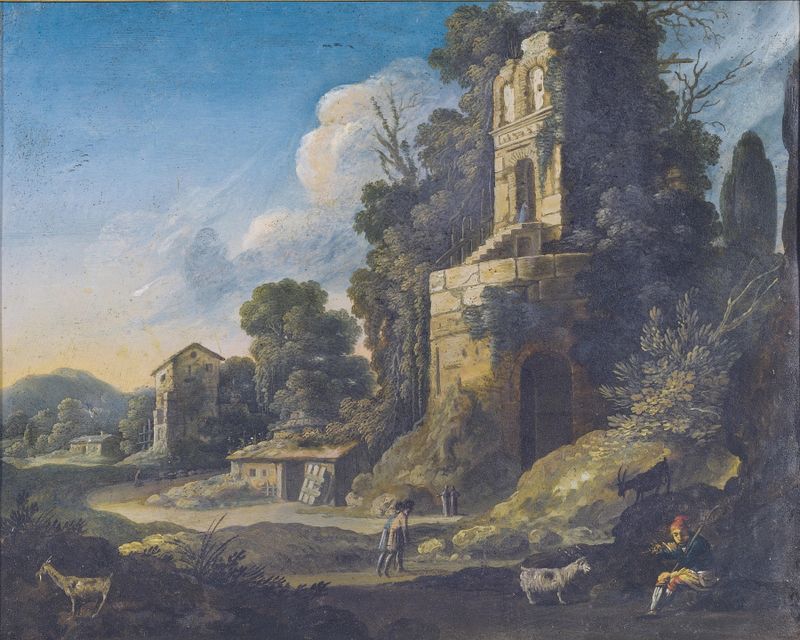
Italianate landscape with buildings and a herdsman playing pipes
Bartholomeus Breenbergh

Arcadian Landscape
Bartholomeus Breenbergh

Ruïne van het Colosseum
Bartholomeus Breenbergh
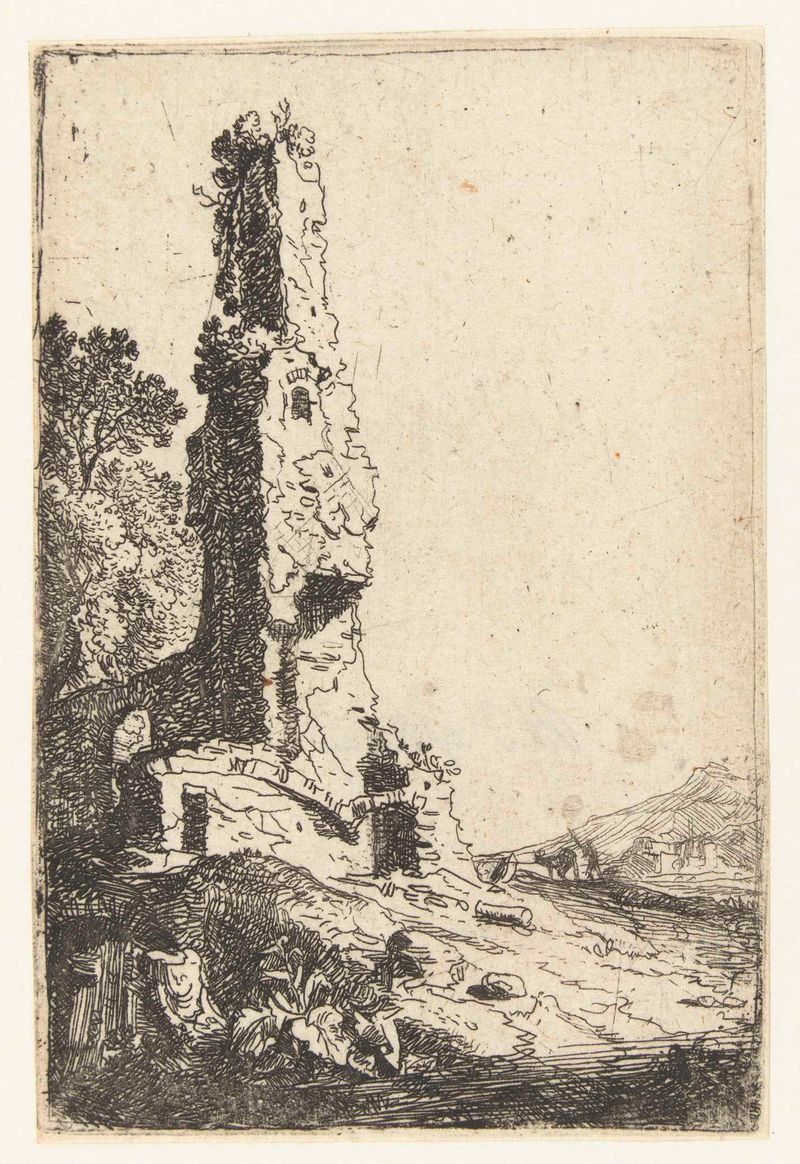
Ruïnes van de stadsmuren van Rome
Bartholomeus Breenbergh
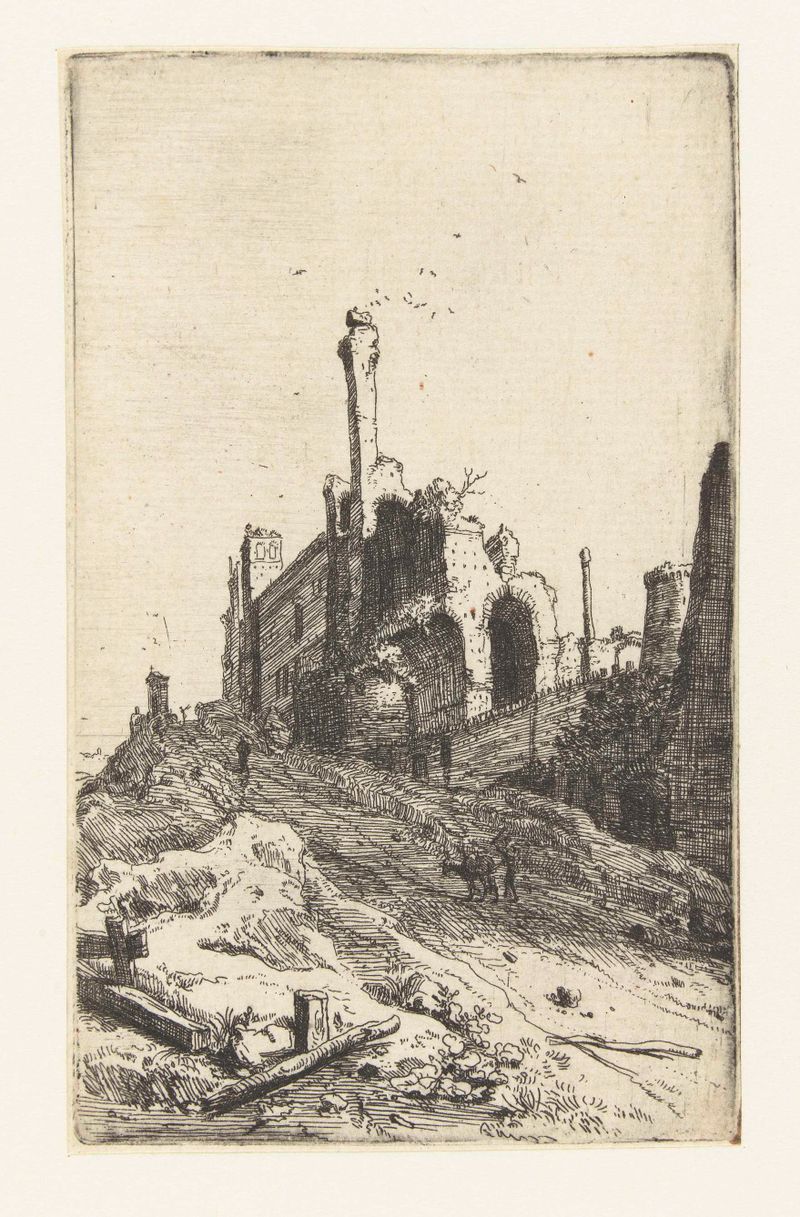
Ruïnes van een paleis te Tivoli
Bartholomeus Breenbergh

Figures Among Ruins By The Tiber
Bartholomeus Breenbergh

Italian Landscape with the Aurelian Wall
Bartholomeus Breenbergh
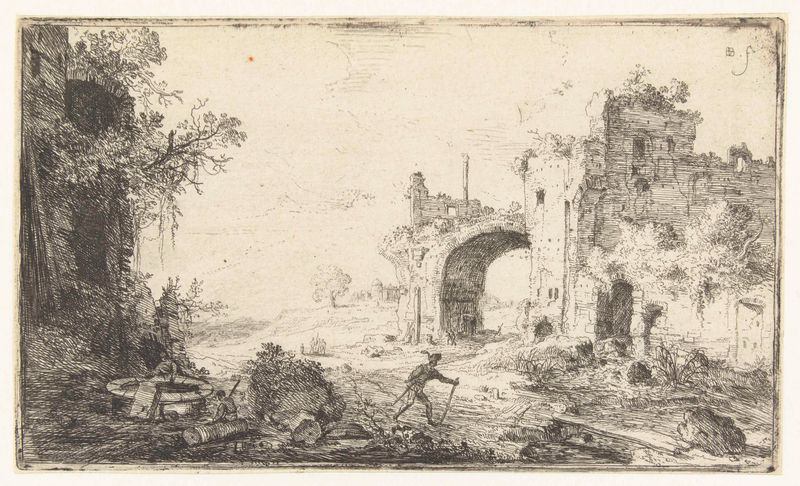
Ruïnes van de thermen van Caracalla
Bartholomeus Breenbergh
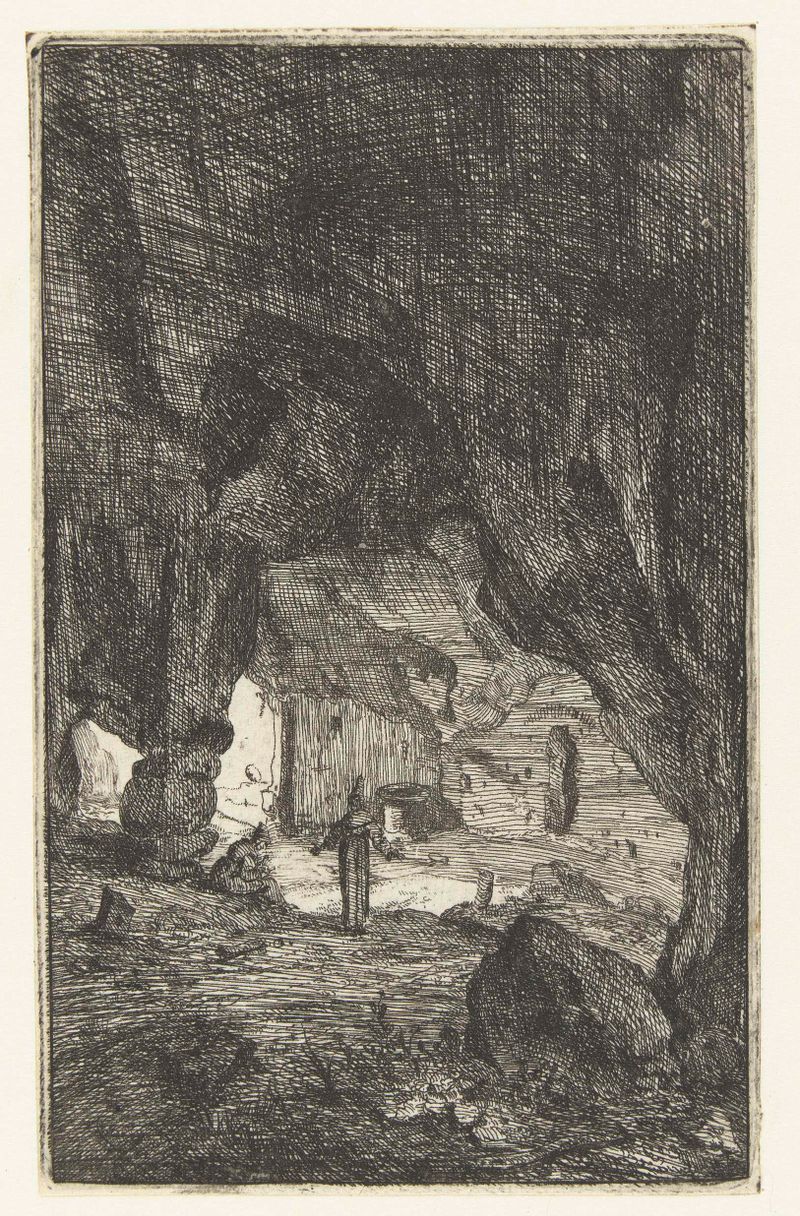
Interieur van een grot
Bartholomeus Breenbergh
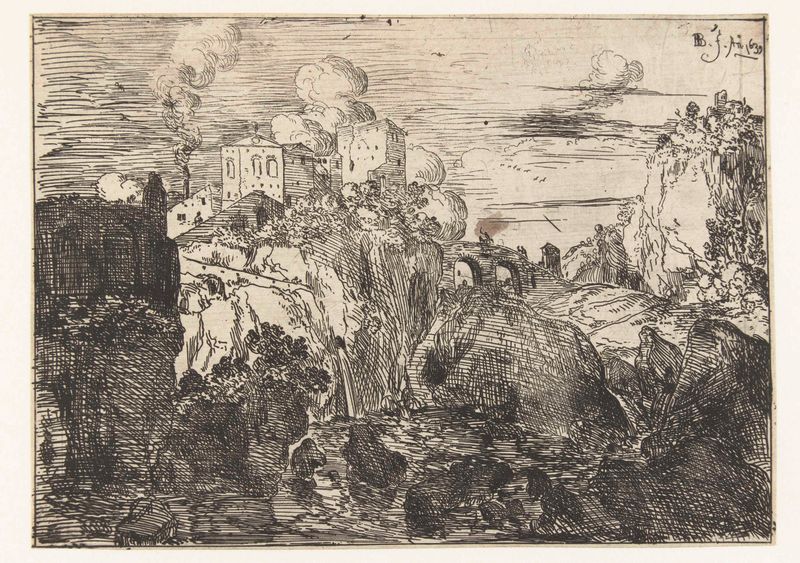
Italiaans landschap met gebouwen en een brug
Bartholomeus Breenbergh
More Architecture Art
Browse all →
The statue of Liberty
Frédéric Auguste Bartholdi

View of Houses in Delft, Known as ‘The Little Street’
Johannes Vermeer

View of Houses in Delft, Known as ‘The Little Street’
Johannes Vermeer

The Cathedral in Rouen. The portal, Grey Weather
Claude Monet

The yellow house
Vincent van Gogh

The Church in Auvers-sur-Oise, View from the Chevet
Vincent van Gogh