
Adam en Eva treuren over de dode Abel — History & Facts
Can beauty exist without sorrow? In Adam en Eva treuren over de dode Abel, the answer lies in the delicate interplay between grief and hope, inviting viewers to reflect on the profound complexities of human emotion. Look to the center of the composition where the grieving parents cradle their lifeless son. Notice how the soft, ethereal light bathes Adam and Eve, illuminating their anguished faces, while deep shadows envelop the lifeless body of Abel. The artist’s meticulous attention to detail in their expressions—Adam’s furrowed brow and Eve’s tear-stained cheeks—draws us into their sorrow.
The rich, muted colors enhance the somber mood, yet hints of vibrant hues peek through, suggesting an underlying resilience. As you delve deeper, consider the symbolism of the tree in the background, its branches twisted and bare, mirroring the loss of innocence. This stark imagery contrasts with the tender embrace of the grieving parents, evoking the tension between despair and the enduring bonds of love. The gentle gestures of Adam and Eve reflect both their mourning and the hope for redemption—an eternal cycle of loss and renewal inherent in human existence. In 1529, Lucas van Leyden was navigating the rich artistic traditions of the Northern Renaissance, merging meticulous detail with profound emotional expression.
Set against a backdrop of societal changes and the Reformation’s burgeoning influence, this painting emerged from a time when faith was being redefined and personal anguish found a voice in art. Leyden’s work captures this pivotal moment, offering a timeless meditation on the intersection of love, sorrow, and the search for hope amidst profound grief.
More Artworks by Lucas van Leyden
Browse all →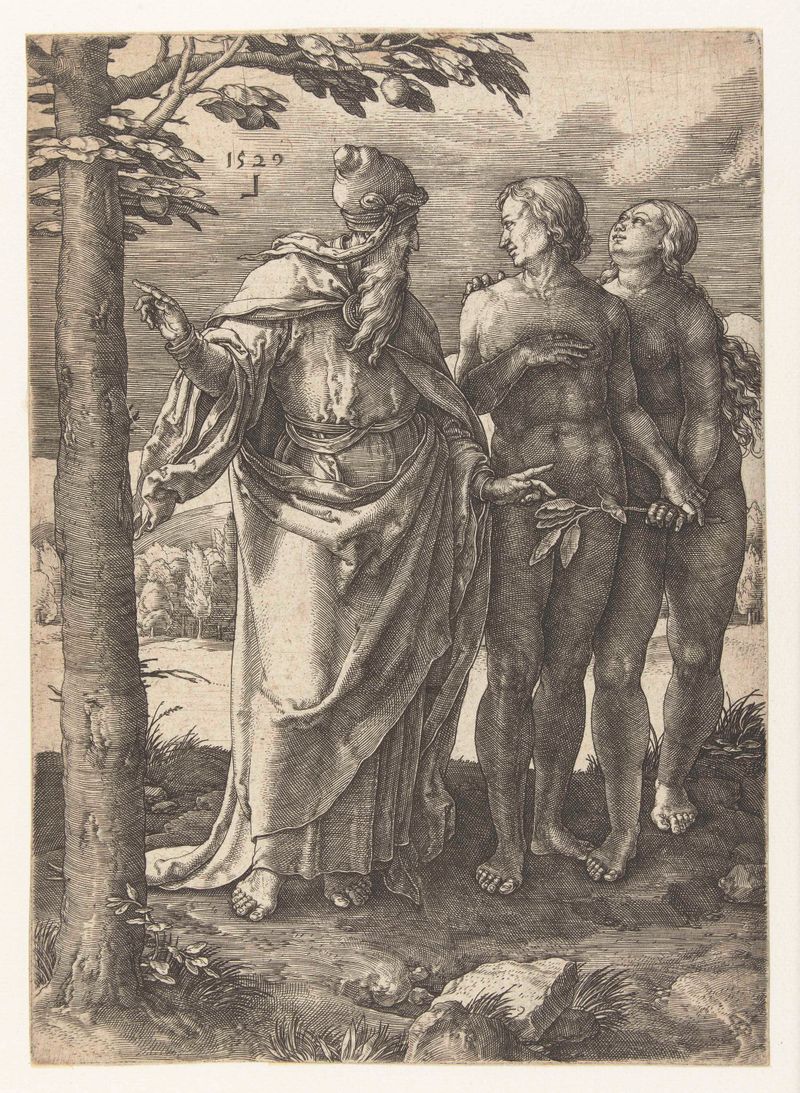
Het eerste verbod
Lucas van Leyden
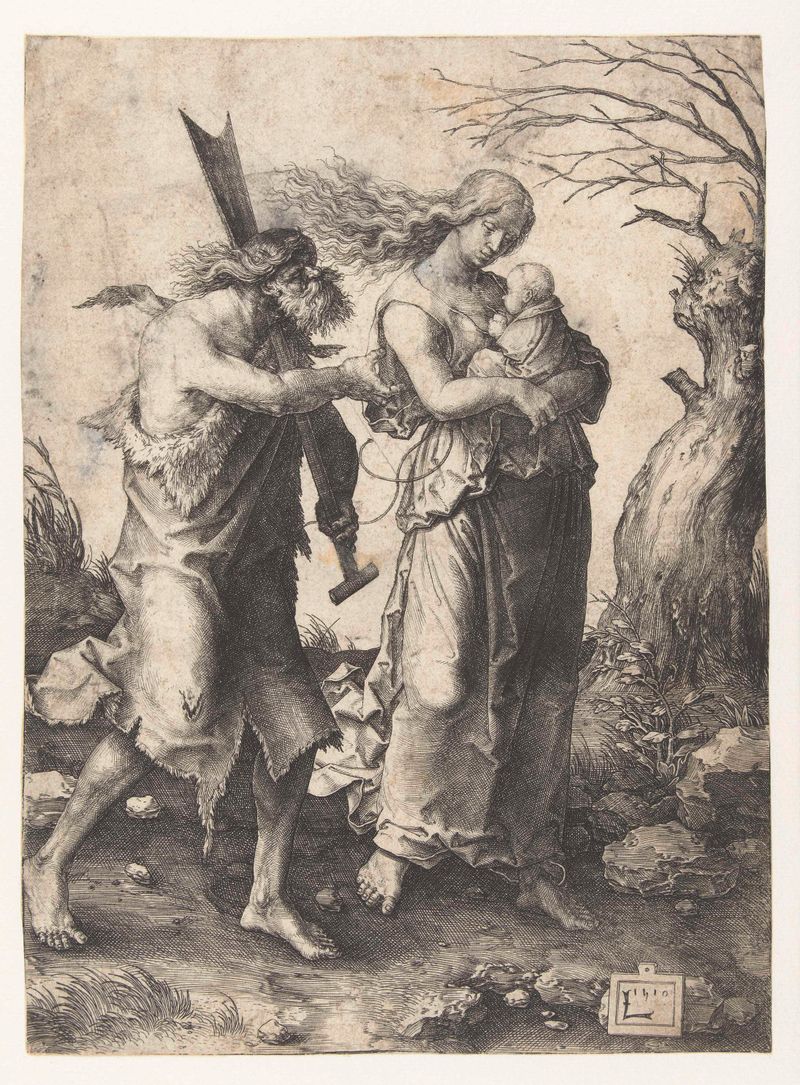
Adam en Eva na de verdrijving uit het paradijs
Lucas van Leyden
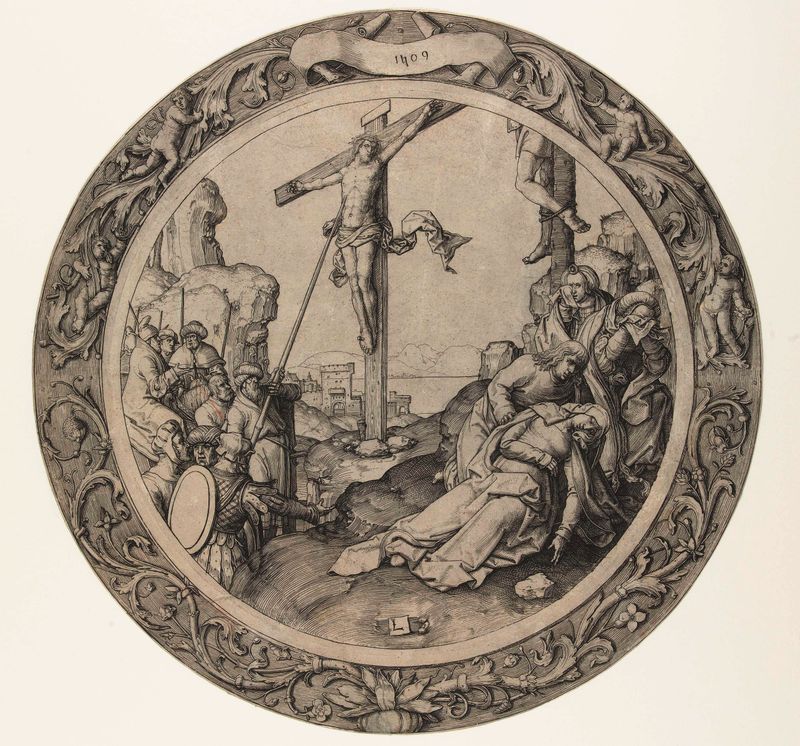
De kruisiging
Lucas van Leyden
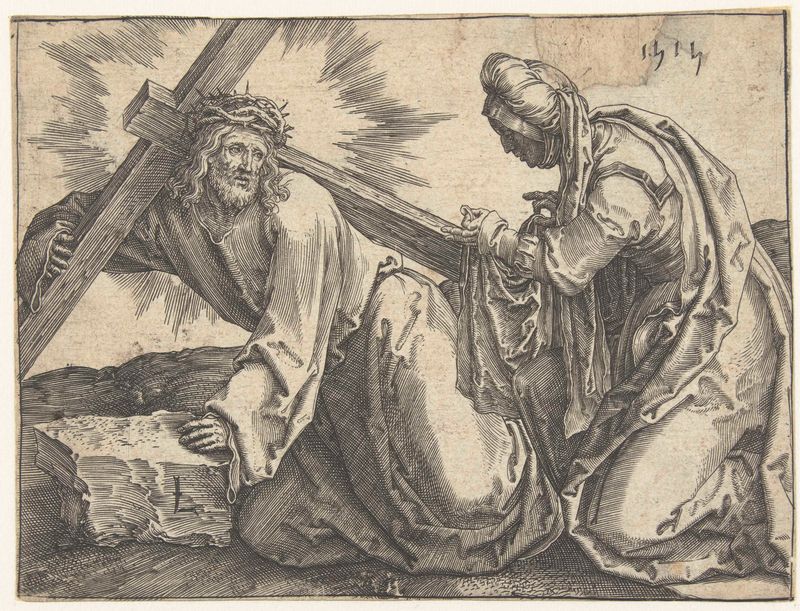
Kruisdraging
Lucas van Leyden
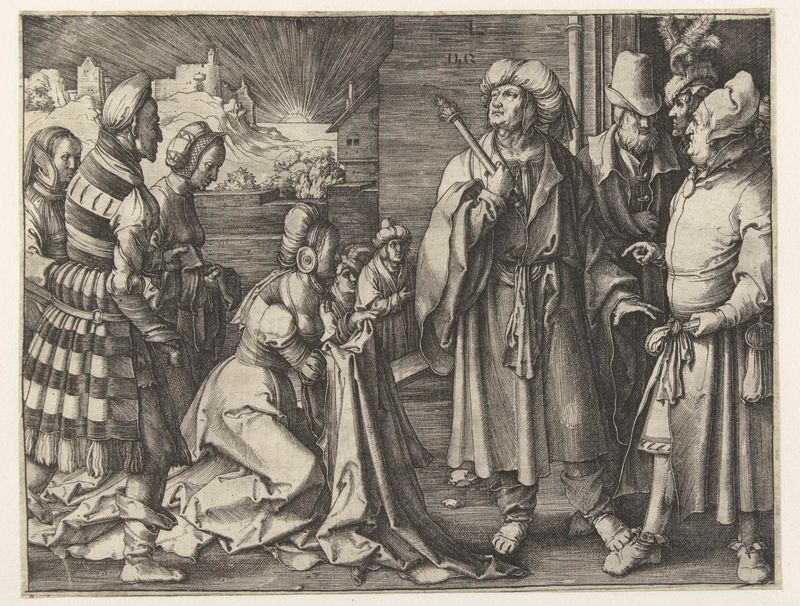
De vrouw van Potifar beschuldigt Jozef
Lucas van Leyden
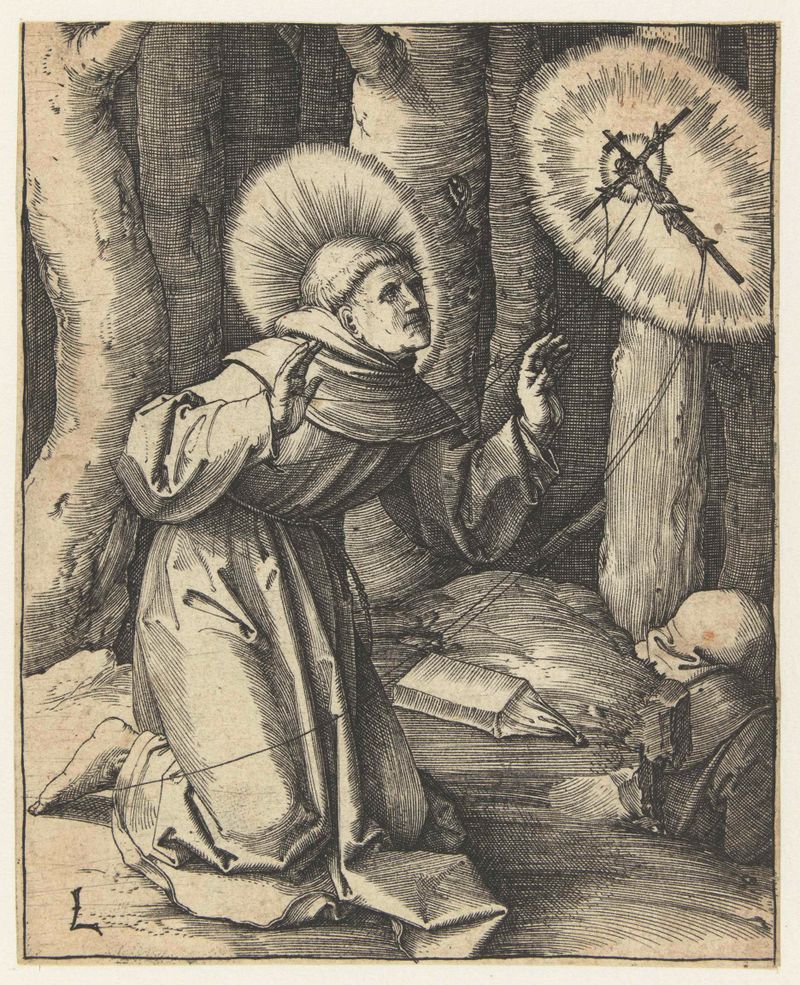
De stigmatisatie van de heilige Franciscus
Lucas van Leyden
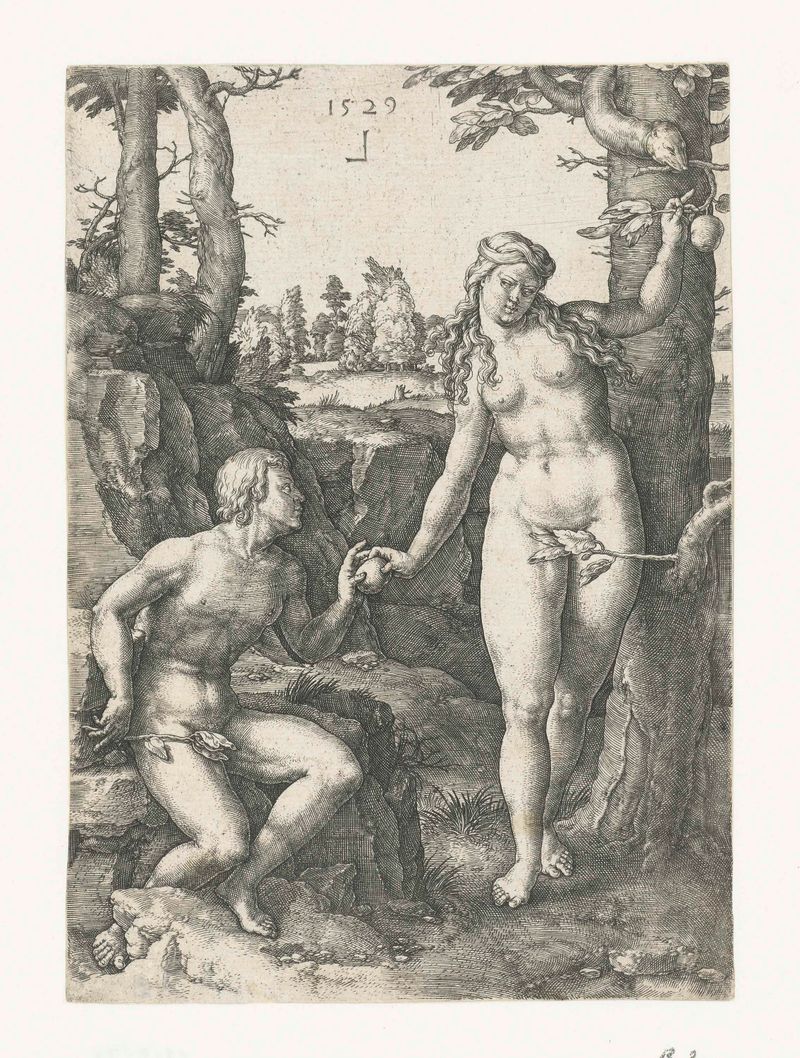
De zondeval
Lucas van Leyden
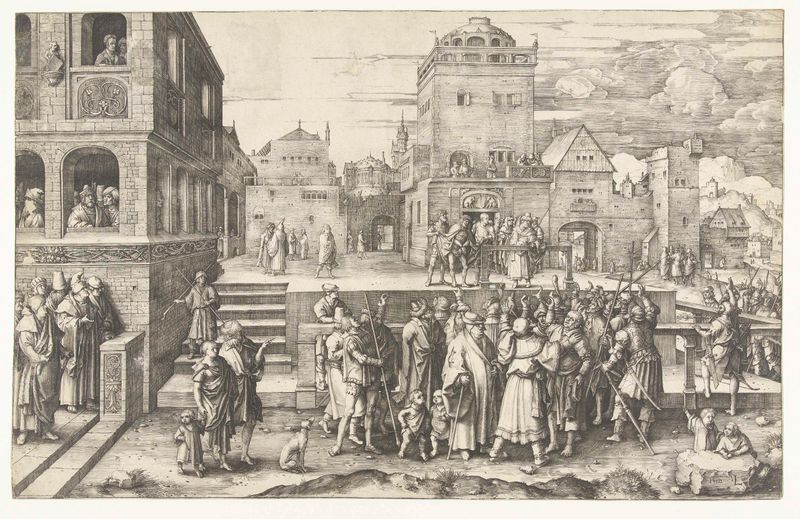
De grote Ecce Homo
Lucas van Leyden
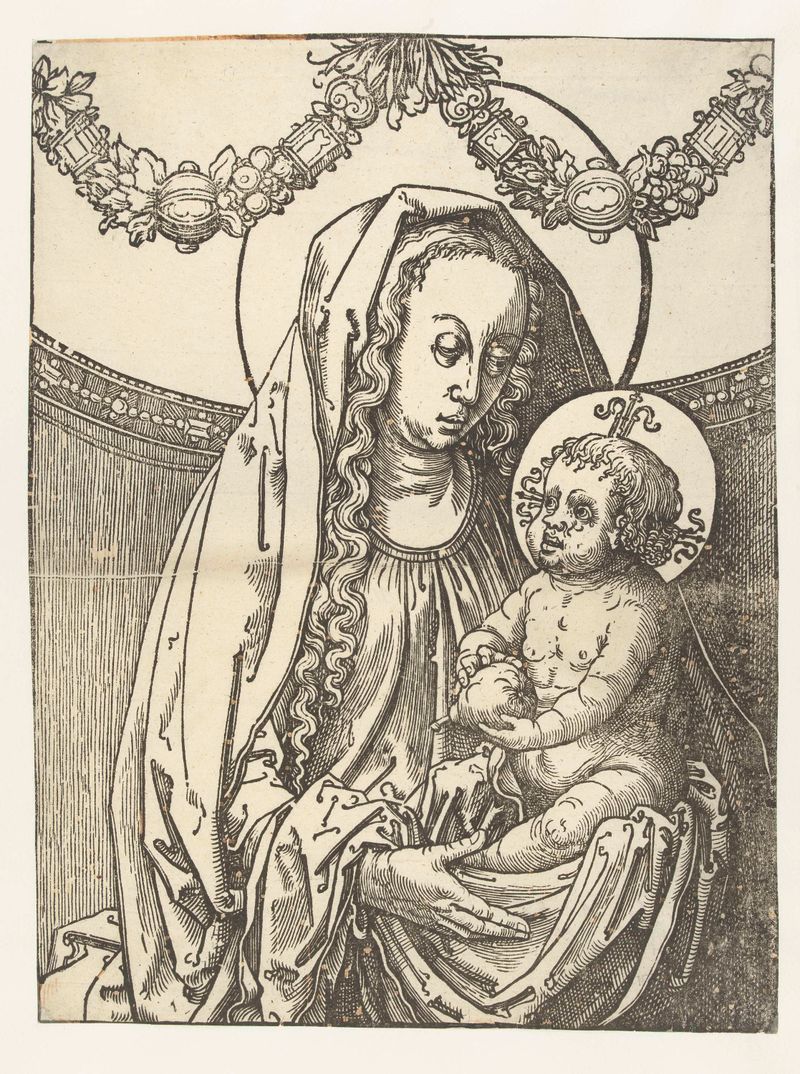
Maria met kind
Lucas van Leyden

Doornenkroning
Lucas van Leyden
More Religious Art
Browse all →
The Return of the Prodigal Son
Rembrandt van Rijn

The Garden of Earthly Delights
El Bosco

Count Orgaz’ funeral
El Greco

The Hundred Guilder Print: the central piece with Christ preaching, the plate arched
Rembrandt van Rijn

The Descent from the Cross
Rogier van der Weyden

The return of the prodigal son
Rembrandt van Rijn