Adelaar met jong — History & Facts
In Adelaar met jong, the shimmering hues of gold and deep ochre evoke a tension that lingers beneath the surface, inviting the viewer to contemplate the duality of nature and existence. Look to the left at the eagle's fierce gaze, its sharp beak poised almost defensively over its young. The intricate details of the feathers reveal a sumptuous texture, while the play of light across the body enhances the dynamic composition. Lush, earthy tones envelop the scene, harmonizing with the striking contrasts of shadow and illumination that Callot masterfully employs, drawing the eye into the heart of this poignant moment. Within the fierce beauty of the eagle lies a deeper narrative.
The protective stance over the chick suggests an instinctual drive for survival, a fierce maternal bond that borders on desperation. The juxtaposition of the gilded background against the raw, naturalistic portrayal of the birds underscores a profound chasm between the allure of beauty and the harsh realities of life. This vibrant color palette, while enchanting, becomes a veil that obscures the inevitable struggles faced in the wild. Jacques Callot created this work between 1625 and 1629, during a period marked by artistic exploration and a burgeoning interest in the natural world.
Living in the bustling city of Nancy, he was influenced by the Baroque movement, yet his keen eye for detail and emotional expression set him apart. At this time, many artists were beginning to delve into the complexities of the human condition and nature, and this painting reflects that evolving dialogue within the art community.
More Artworks by Jacques Callot
Browse all →
Titelprent voor de prentreeks 'De kleine apostelen' (Het martelaarschap van de apostelen)
Jacques Callot
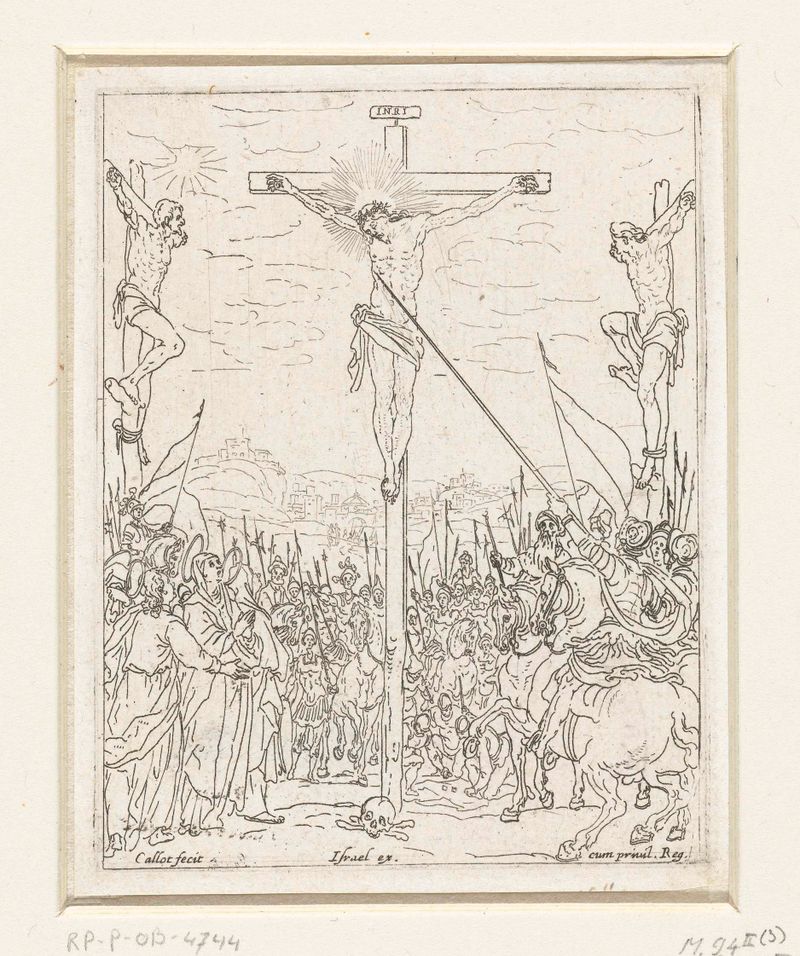
Kruisiging
Jacques Callot

De doortocht door de Rode Zee
Jacques Callot

De verloren zoon als zwijnenhoeder
Jacques Callot

Annunciatie
Jacques Callot
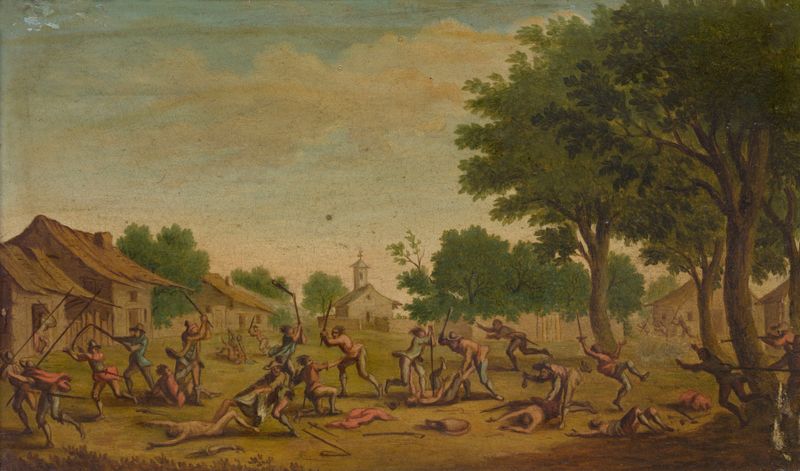
Village Fight
Jacques Callot

Titelprent voor prentreeks 'Het leven van Maria'
Jacques Callot
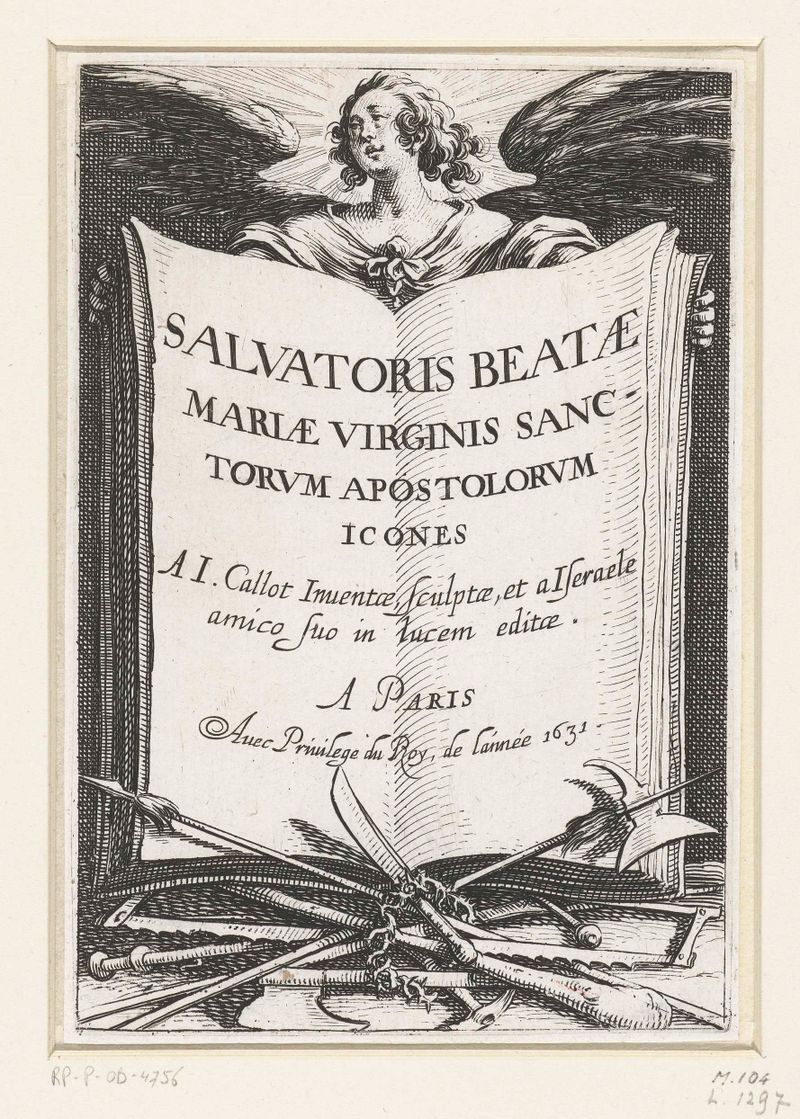
Titelprent voor de prentreeks 'De grote apostelen' (Christus, Maria en de apostelen)
Jacques Callot

Christus aan het volk getoond (Ecce homo)
Jacques Callot
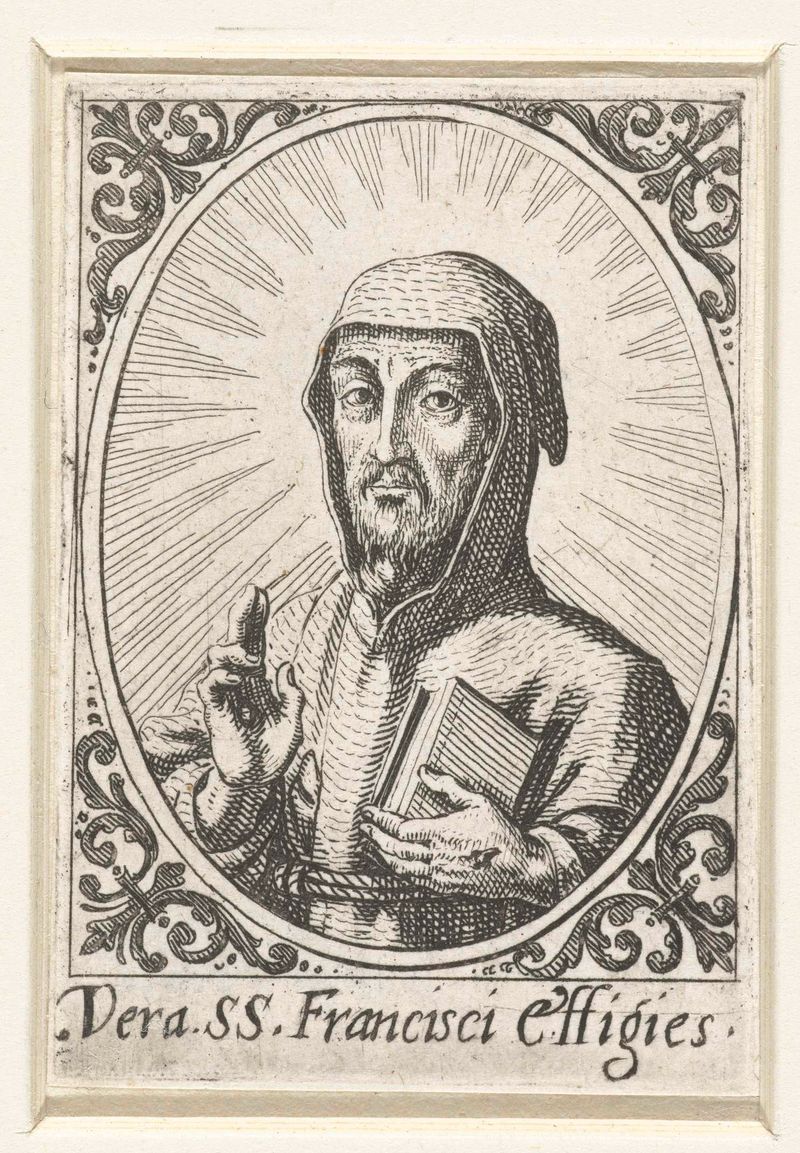
Portret van de Heilige Franciscus
Jacques Callot