
Adirondacks Guide — History & Facts
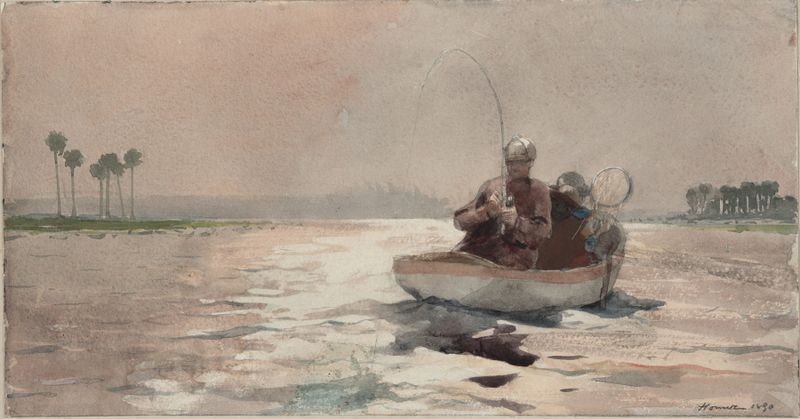
Who listens when art speaks of silence? In Adirondacks Guide, a solitary figure stands against the backdrop of the tranquil wilderness, embodying a profound stillness that resonates deeply with the viewer. Look to the right at the rugged terrain, where the vibrant greens of the foliage contrast sharply with the soft grays of the rocky outcrop. Notice how the light filters through the trees, casting dappled shadows that dance across the guide's contemplative form. His upright posture, coupled with the slight tilt of his head, suggests an acute awareness of his surroundings, drawing you into the serene yet powerful scene.
The artist's use of rich, layered brushstrokes adds texture to the landscape, creating a tangible sense of place that feels both inviting and isolating. Within this carefully constructed composition, the juxtaposition of the figure and the vastness of the wilderness evokes a tension between solitude and connection. The guide, though alone, seems to embody the spirit of the land, suggesting a symbiotic relationship between man and nature. The silence of the painting speaks volumes about the emotional weight carried by the lone figure, inviting reflections on the themes of isolation, introspection, and the quietude of the natural world. In 1892, Winslow Homer painted this piece during a period of personal exploration and artistic evolution.
Having spent several summers in the Adirondacks, he was deeply influenced by the rugged beauty of the American landscape. At this time, he was striving to capture the essence of nature, aiming to reflect both the physical and emotional landscapes of his subjects. The work embodies a moment of serenity that resonates with a growing appreciation for the American wilderness in an era marked by industrialization.
More Artworks by Winslow Homer
Browse all →
The Gulf Stream
Winslow Homer
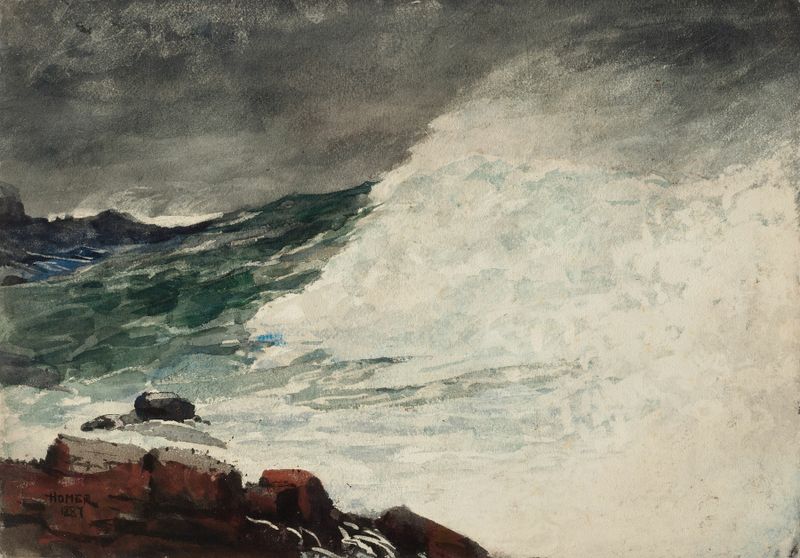
Prout’s Neck, Breaking Wave
Winslow Homer
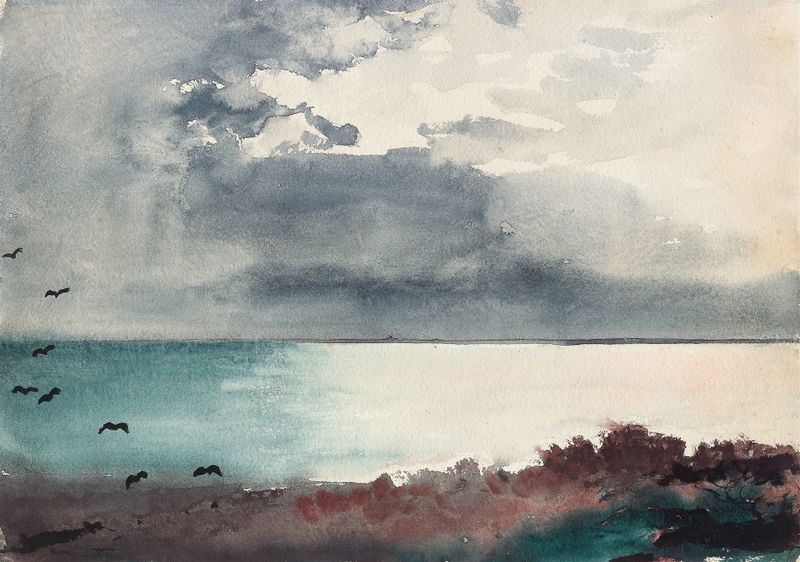
Breaking Storm, Coast of Maine
Winslow Homer
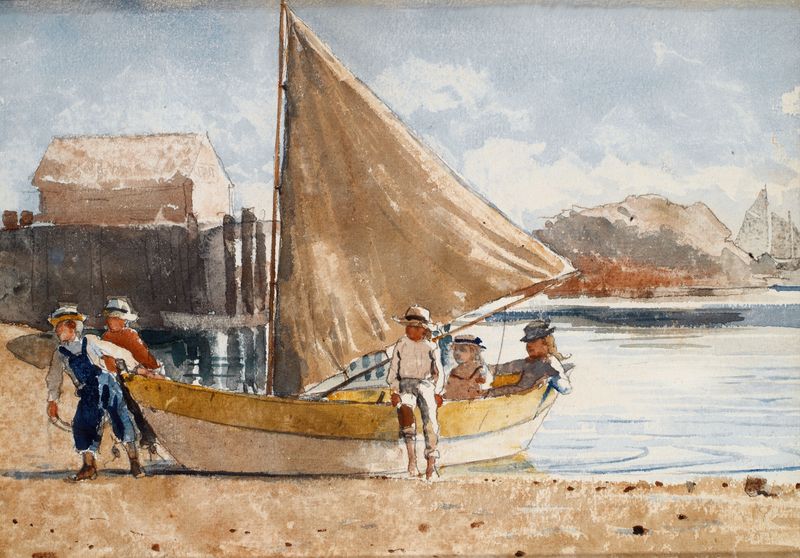
Summertime
Winslow Homer
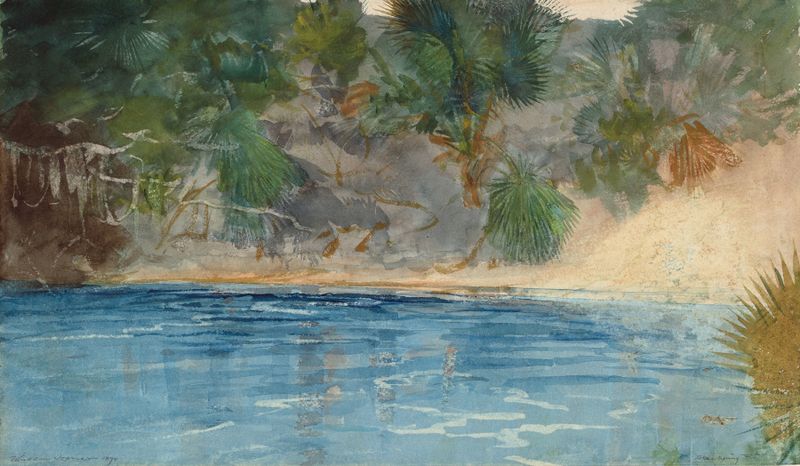
Blue Spring, Florida
Winslow Homer
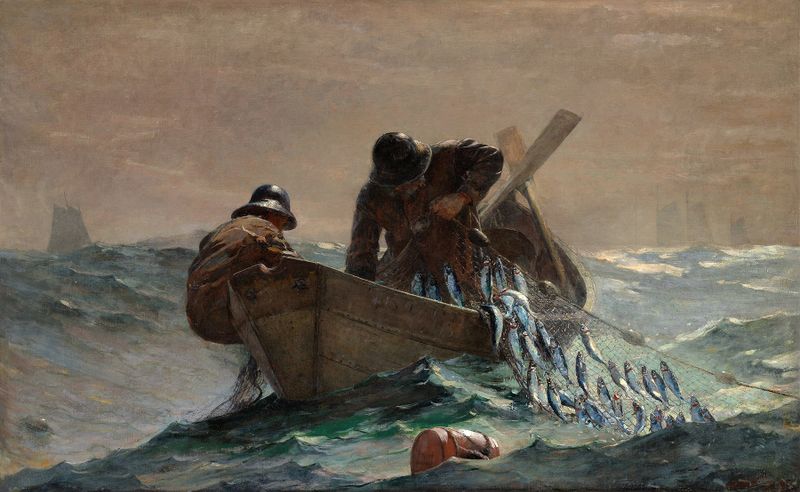
The Herring Net
Winslow Homer
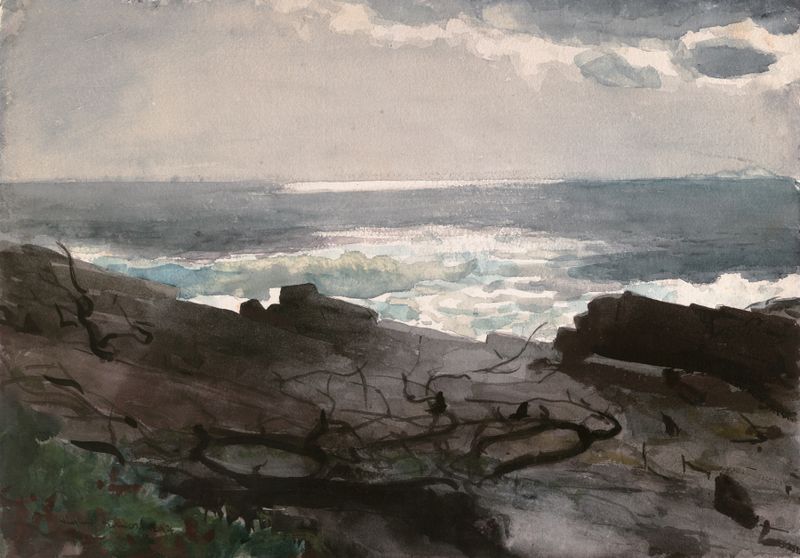
Sunshine and Shadow, Prout’s Neck
Winslow Homer
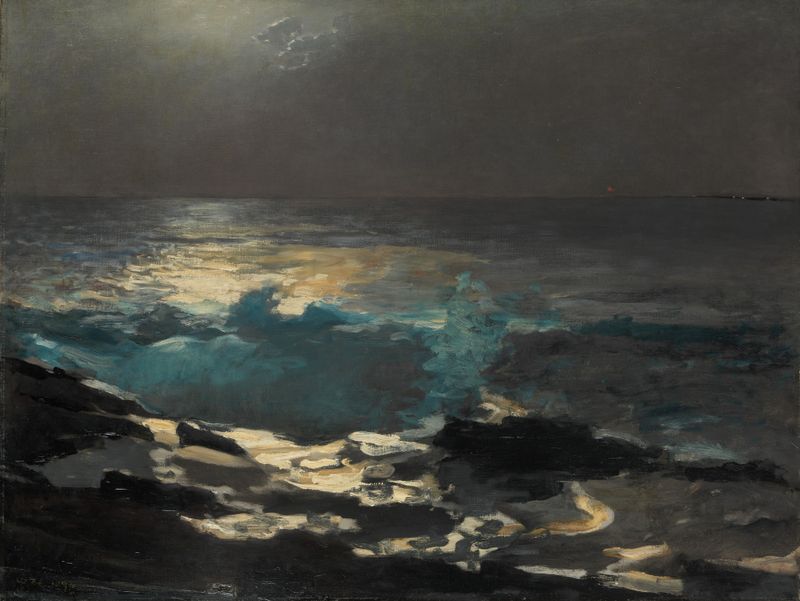
Moonlight, Wood Island Light
Winslow Homer
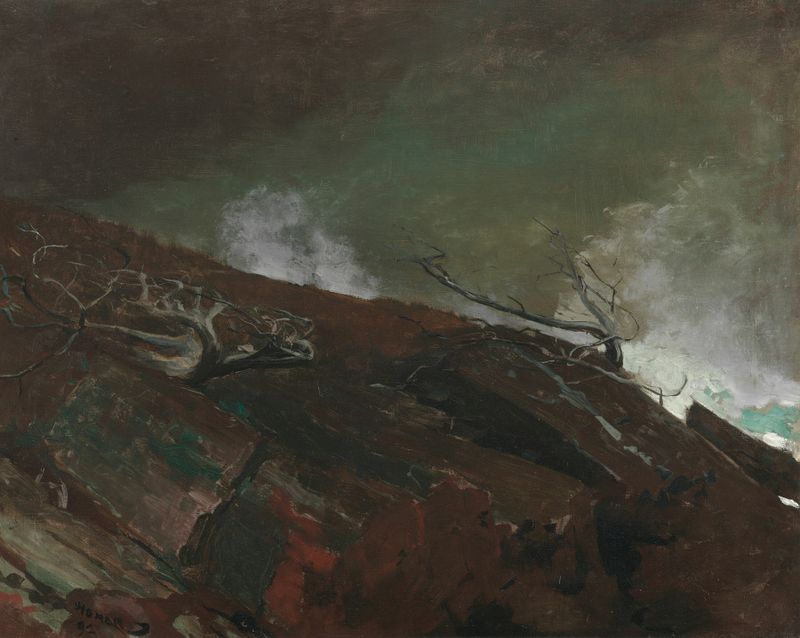
Coast of Maine
Winslow Homer
Bass Fishing – Florida
Winslow Homer





