Coast of Maine — History & Analysis
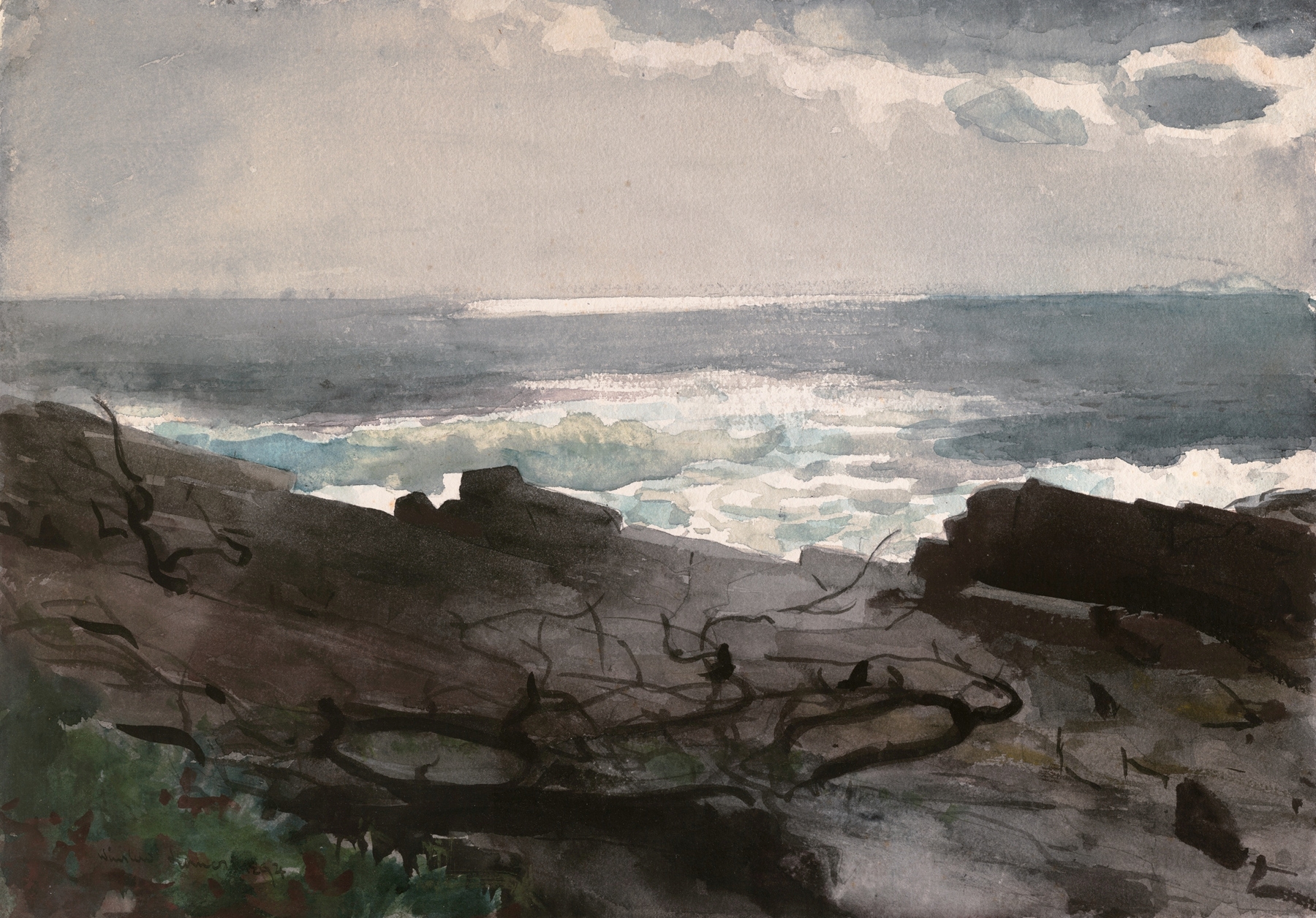
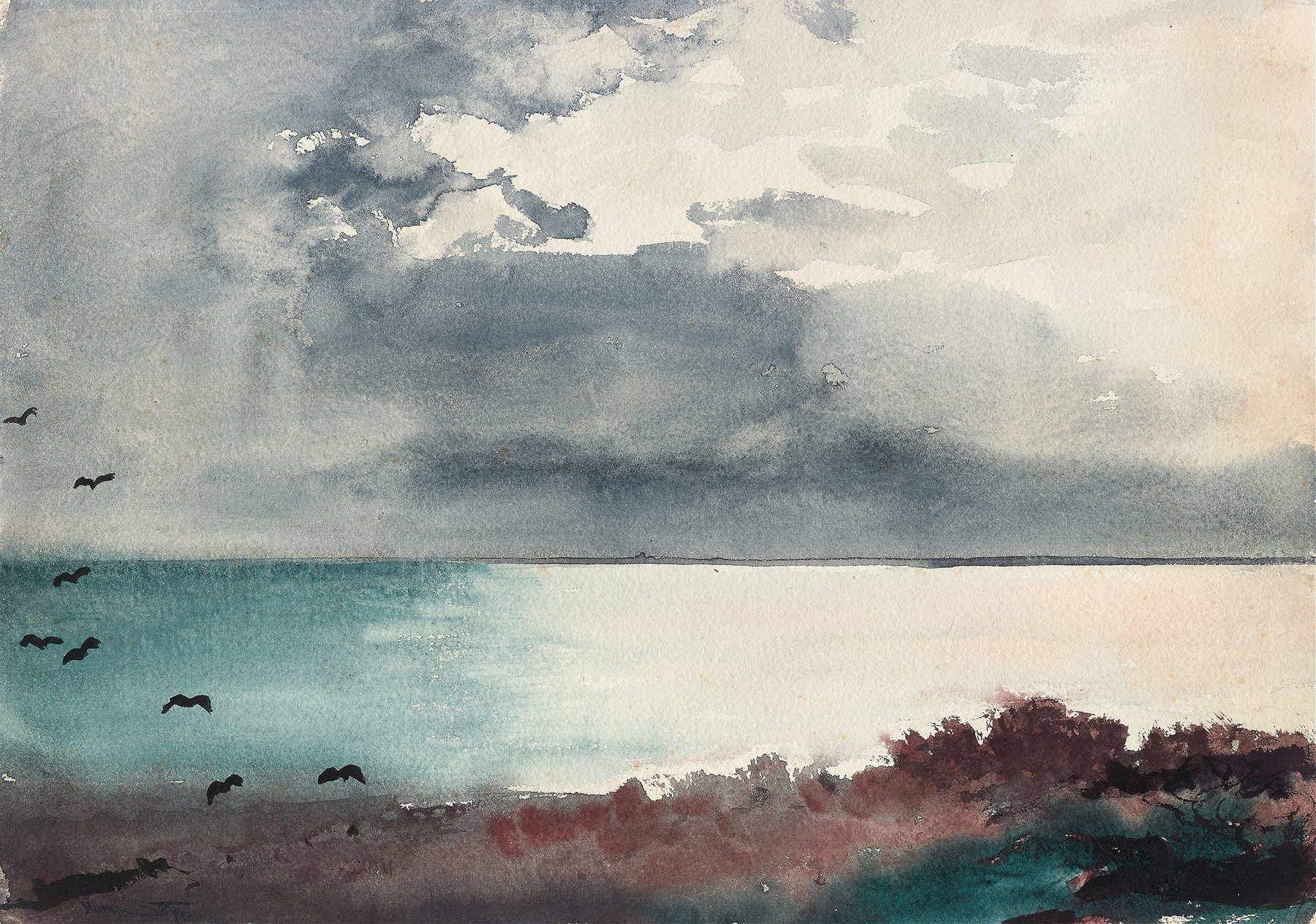
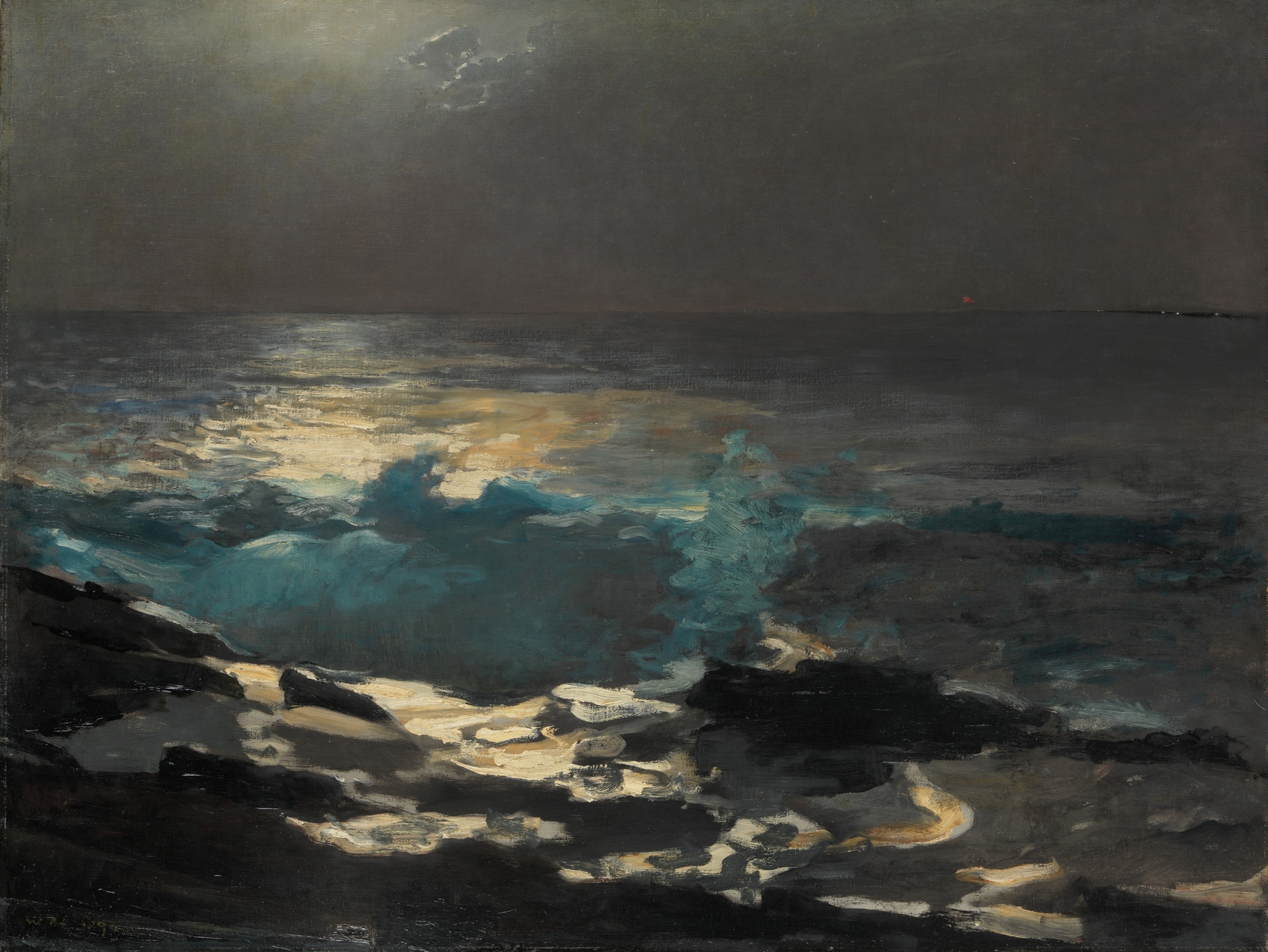
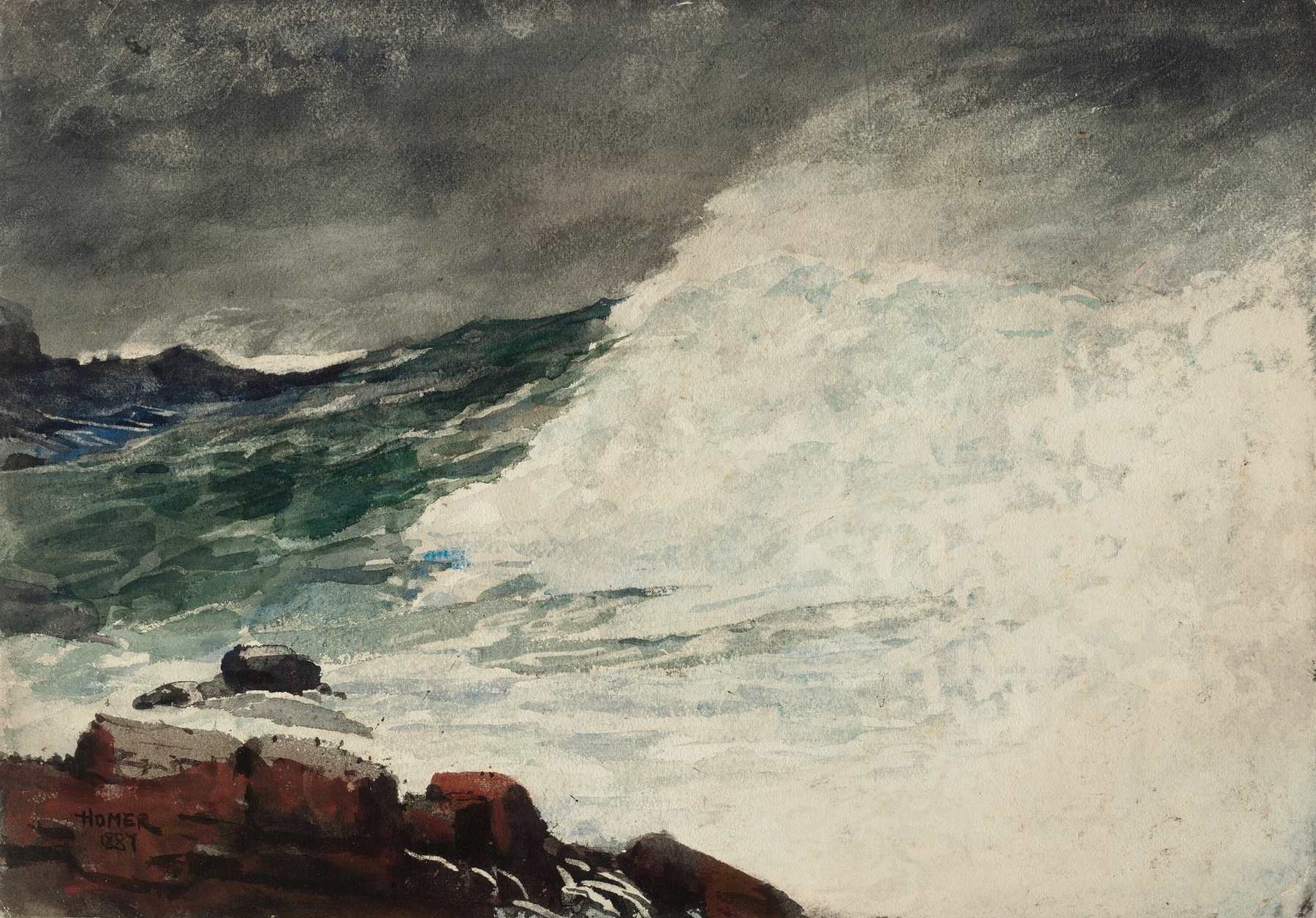
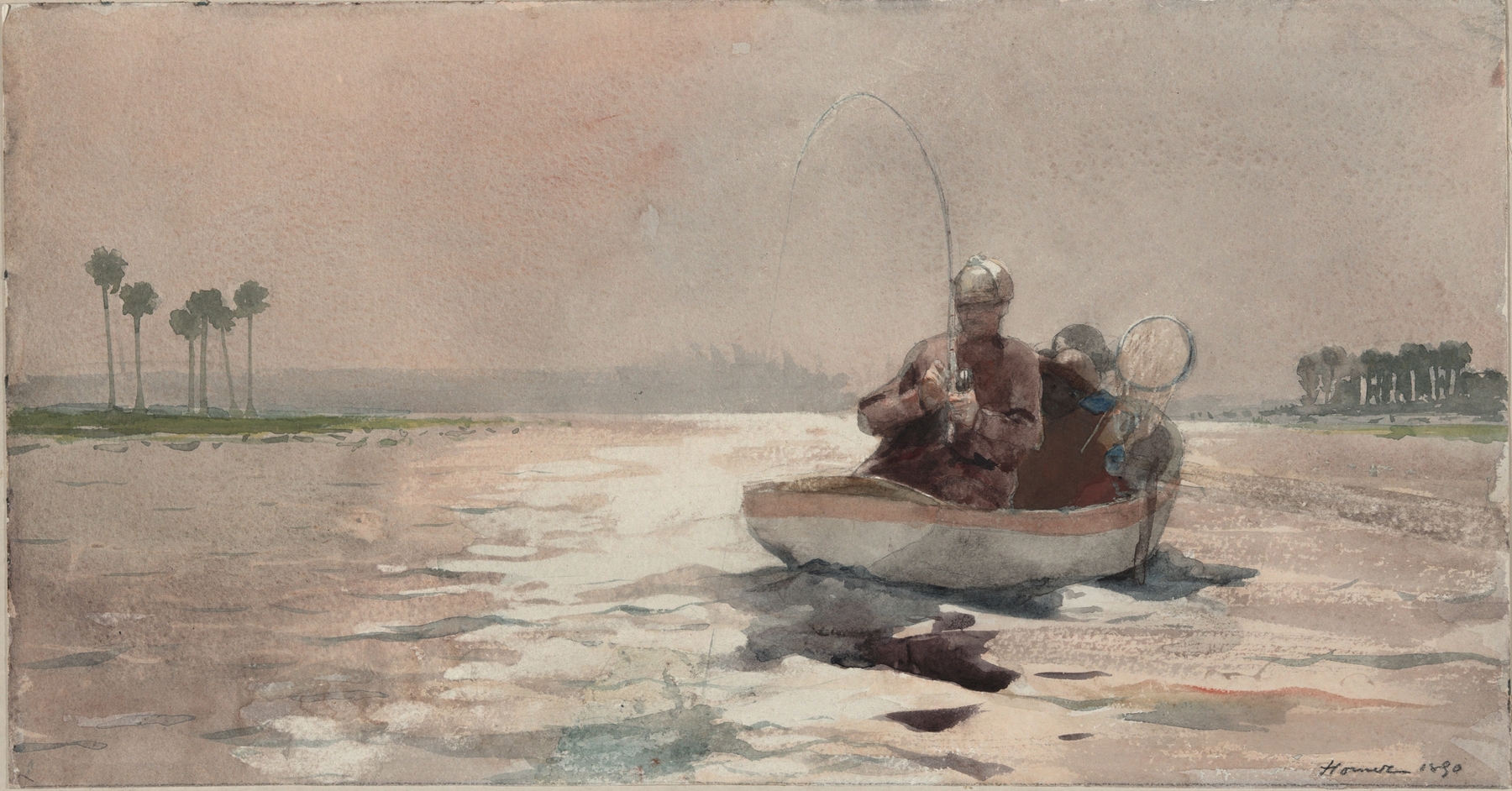
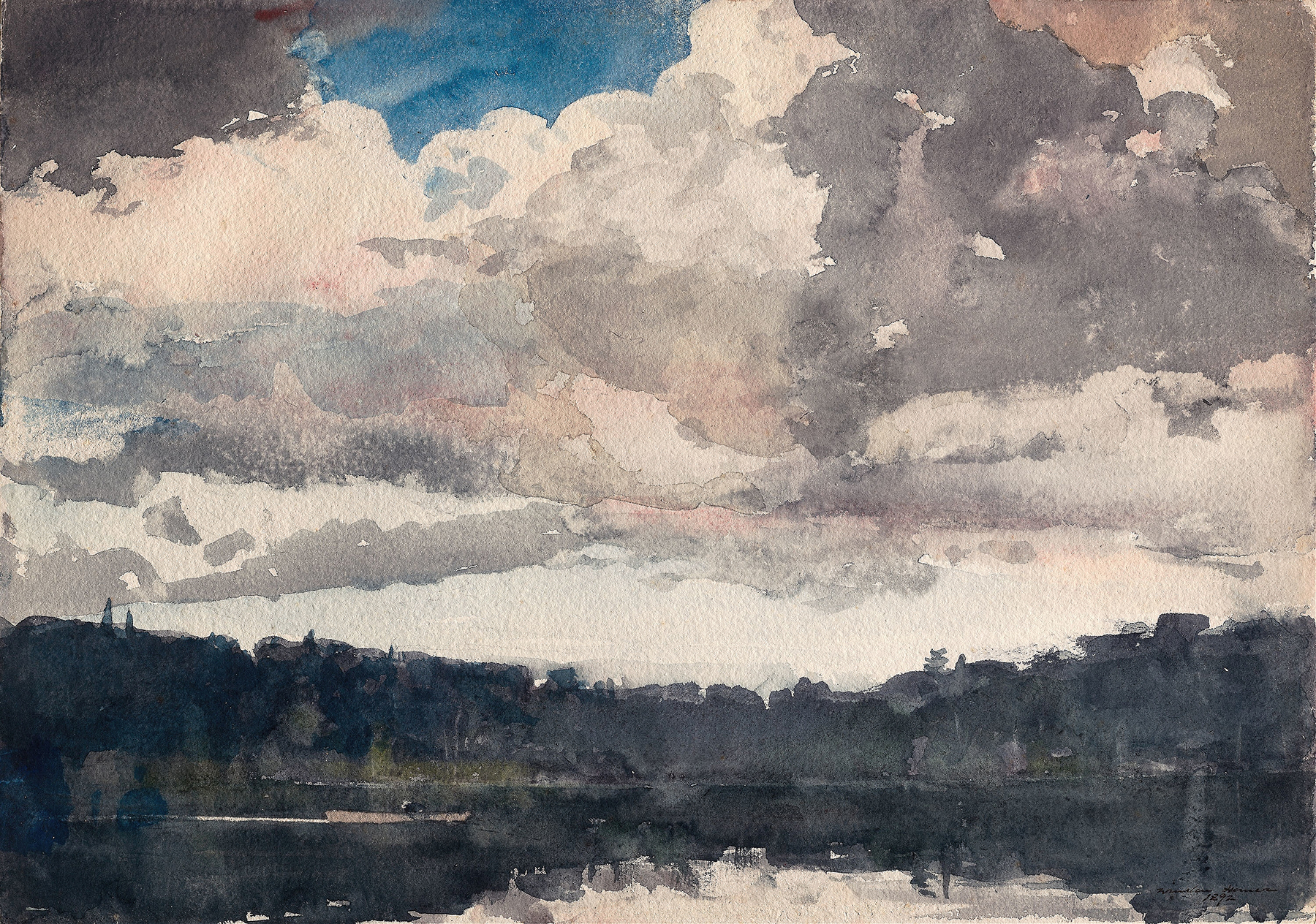
Could a single brushstroke hold eternity? In Coast of Maine, Winslow Homer captures the tumultuous dance of nature, where chaos and beauty intertwine in a coastal embrace. Look to the left, where crashing waves surge against rugged cliffs, their ferocity rendered with sweeping strokes of white and deep blue. The horizon stretches wide, painted in atmospheric layers that shift from cobalt to cerulean, evoking the vastness of the sea.
The textured application of paint creates a palpable energy, pulling the viewer into the moment, as light reflects off the water’s surface, illuminating hidden depths and variations in color. Yet beneath the tumult lies a profound stillness, as the distant shoreline stands resilient, a reminder of nature's enduring strength amid chaos. The contrast between the wildness of the waves and the solid cliffs speaks to the balance of destruction and permanence, inviting contemplation of human vulnerability against the forces of nature. Every brushstroke conveys emotion, hinting at a struggle that is both external and internal, echoing the artist's own life journey.
Winslow Homer painted Coast of Maine in 1893 during his time in Prouts Neck, Maine, where he sought refuge and inspiration from the sea. At this point in his life, he was already celebrated for his ability to capture the American experience, and the natural world remained a central theme in his work. The painting reflects not only his mastery of technique but also a deep connection to the rugged landscape that shaped his artistic vision.