
Adoration of the Magi — History & Facts
No one knows for certain when Giovanni Bellini painted his Adoration of the Magi, nor for whom it was created, but the painting stands out for its rare union of Venetian color and a northern sense of detail—an unusual blend in Bellini’s era. The subject, the visit of the Magi to the newborn Christ, was a favorite in Renaissance Venice, but Bellini’s version is marked by an intimacy and quiet humanity that set it apart from the more theatrical interpretations of his contemporaries. The painting’s provenance remains mysterious, with no surviving records of its original commission or early history, adding to the intrigue that surrounds it. Bellini chooses the moment when the three Magi, richly dressed and bearing their gifts, kneel before the infant Jesus, who sits calmly on his mother’s lap.
Joseph stands protectively at Mary’s side, while the ox and ass peer from the shadows behind them. The oldest Magus bows low, his crown set aside in humility, while the others present gold and frankincense, their gestures careful and reverent. Bellini’s use of light draws the eye to the Christ child, illuminating his small face and the gentle hands of Mary, while the landscape beyond opens onto a soft, misty horizon—a hallmark of Bellini’s approach, in contrast to the crowded, architectural settings favored by Gentile da Fabriano or Leonardo da Vinci in their own Adorations. The physical history of Adoration of the Magi is as enigmatic as its date.
Without a documented patron or early inventory, scholars rely on stylistic analysis to place it among Bellini’s mature works, likely painted in the late 15th or early 16th century, when he was at the height of his powers. The painting’s technique—its delicate glazes and subtle color harmonies—reflects Bellini’s influence on the Venetian school, laying groundwork for artists like Giorgione and Titian. Today, the work is recognized as a testament to Bellini’s ability to blend narrative clarity with emotional depth, even as its journey through time remains partly in shadow.
More Artworks by Giovanni Bellini
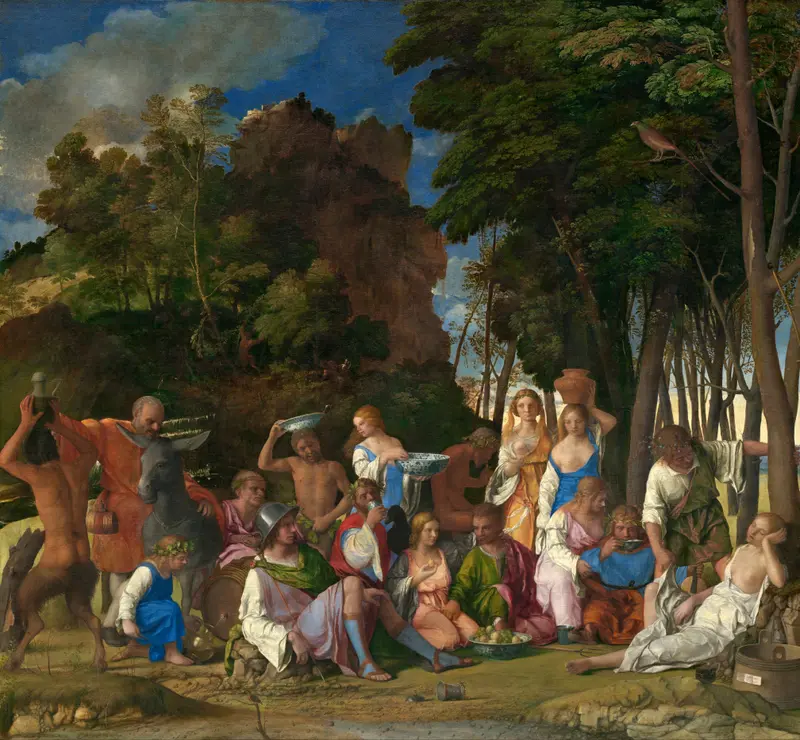
The Feast of the Gods
Giovanni Bellini

Madonna and Child enthroned with Saints and Angels
Giovanni Bellini
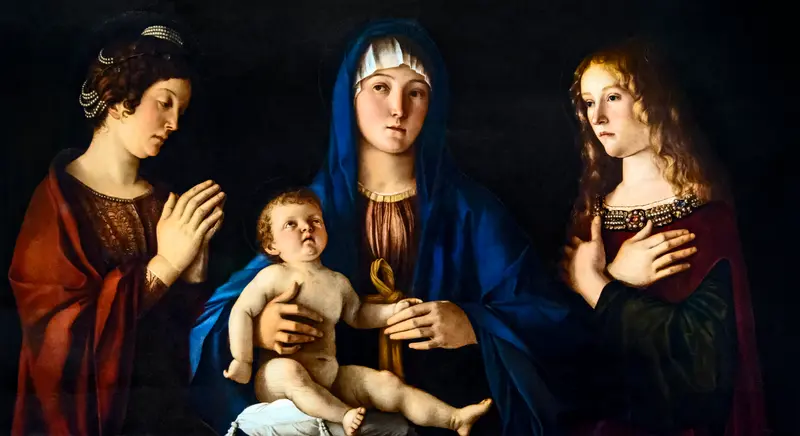
Madonna and Child between Saints Catherine and Mary Magdalene
Giovanni Bellini
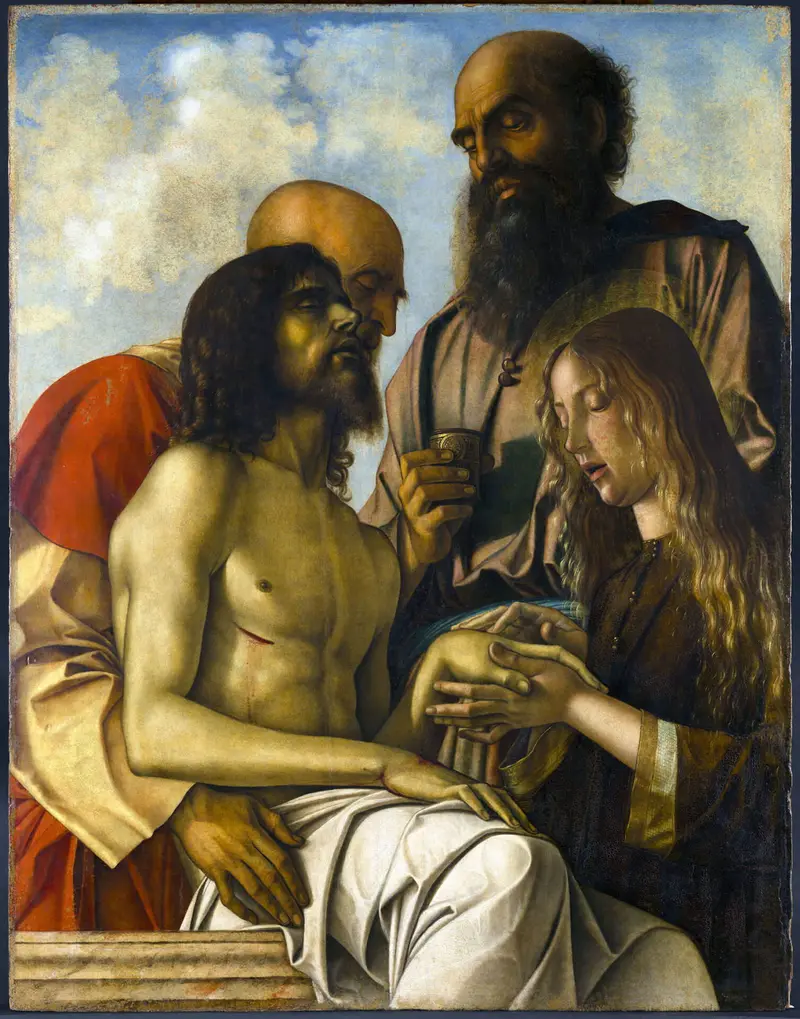
Lamentation over the Dead Christ
Giovanni Bellini
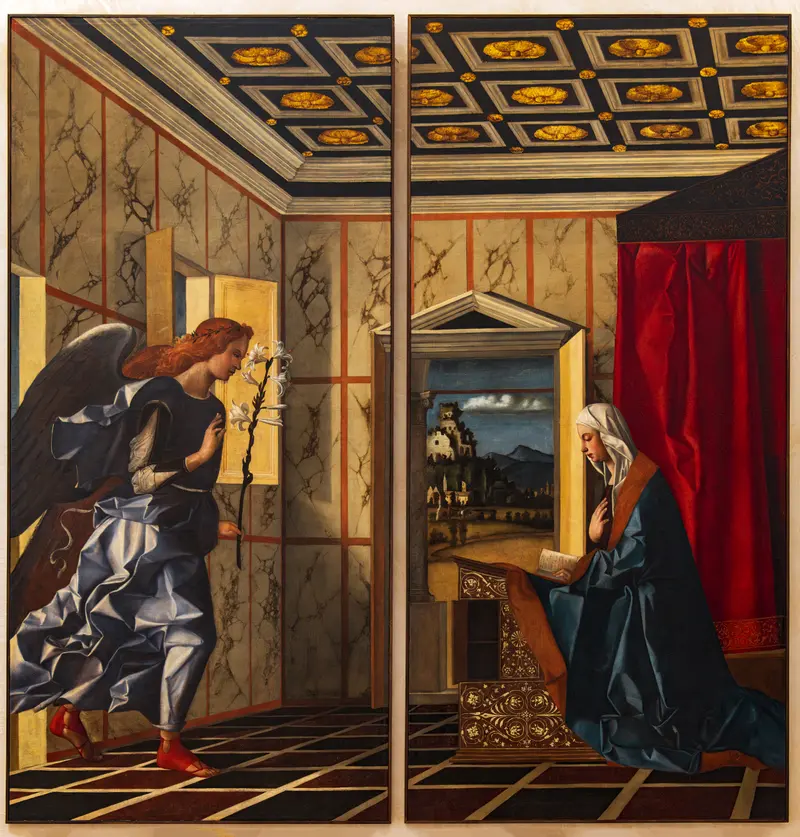
Annunciation
Giovanni Bellini
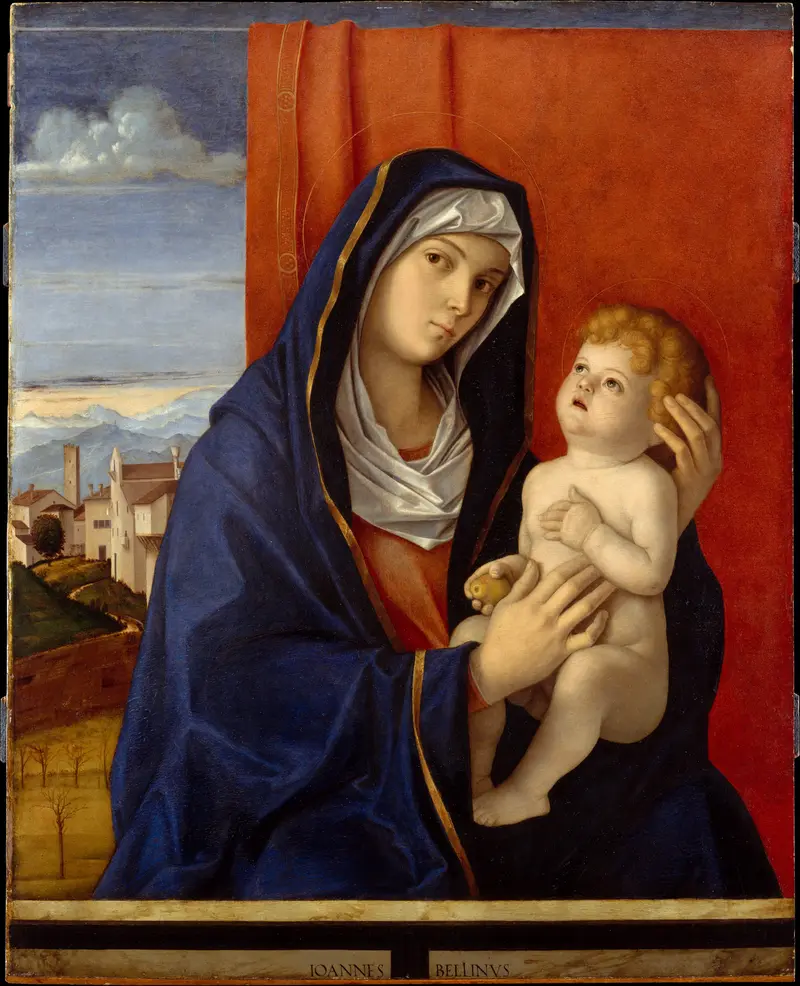
Madonna and Child
Giovanni Bellini
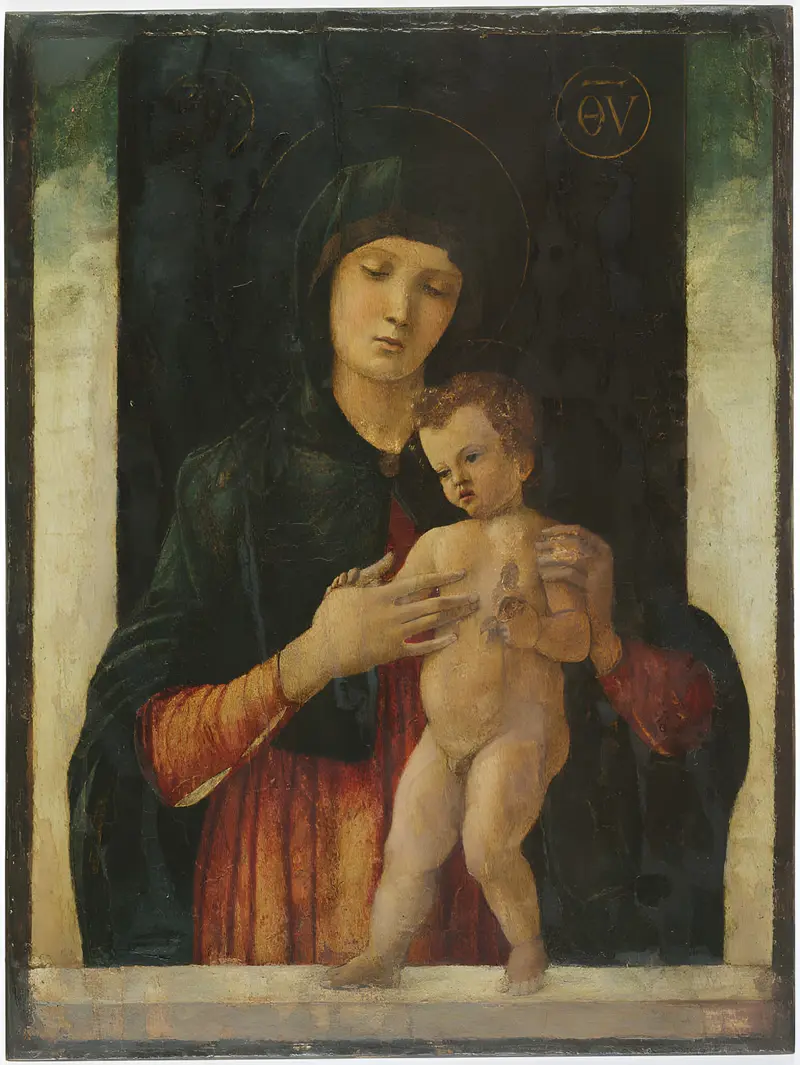
The Virgin and Child
Giovanni Bellini
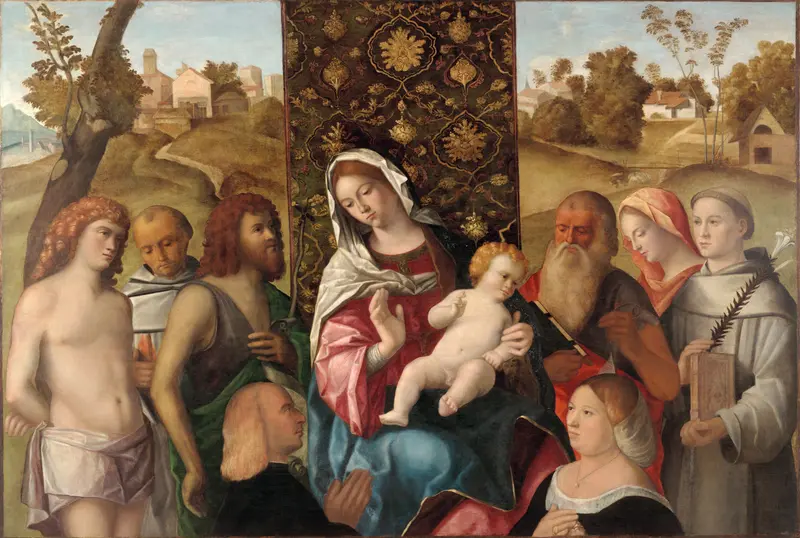
Virgin and Child with Saints Sebastian, Francis, John the Baptist, Jerome, an unidentified female saint, Saint Anthony of Padua and two donors
Giovanni Bellini
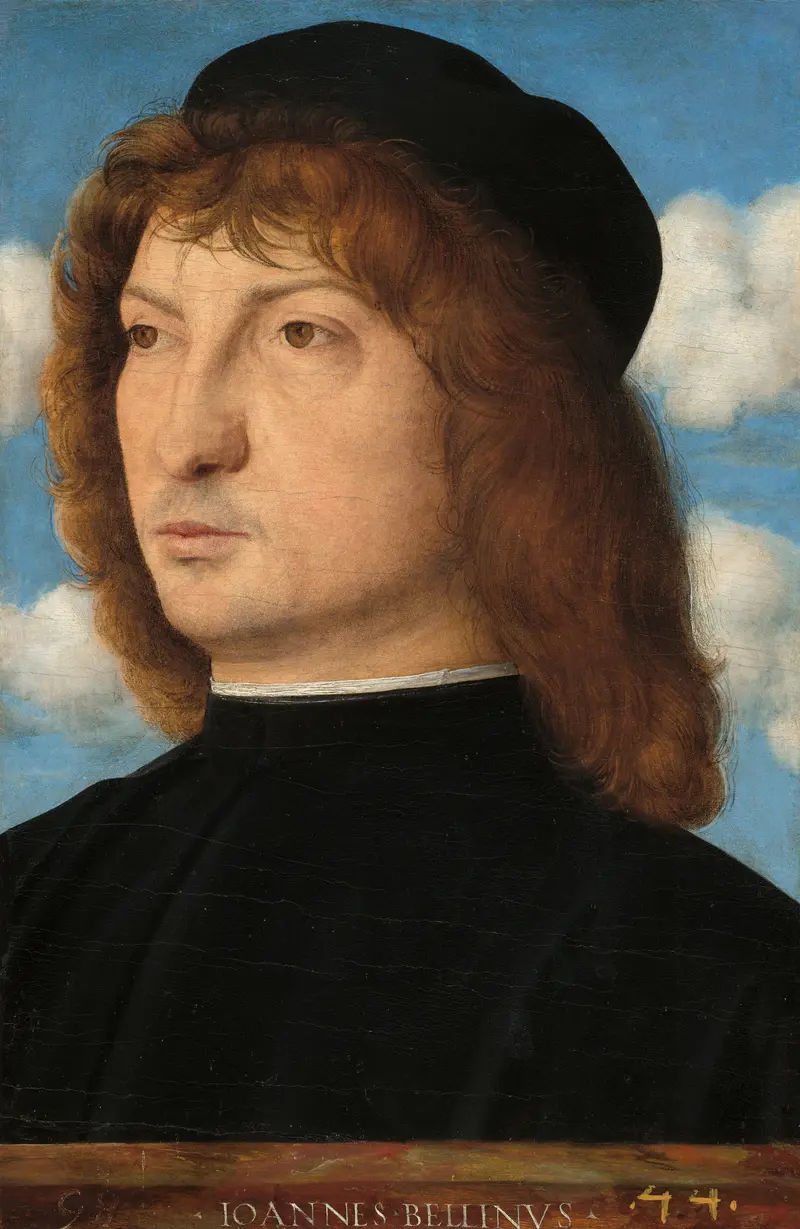
Portrait of a Venetian Gentleman
Giovanni Bellini
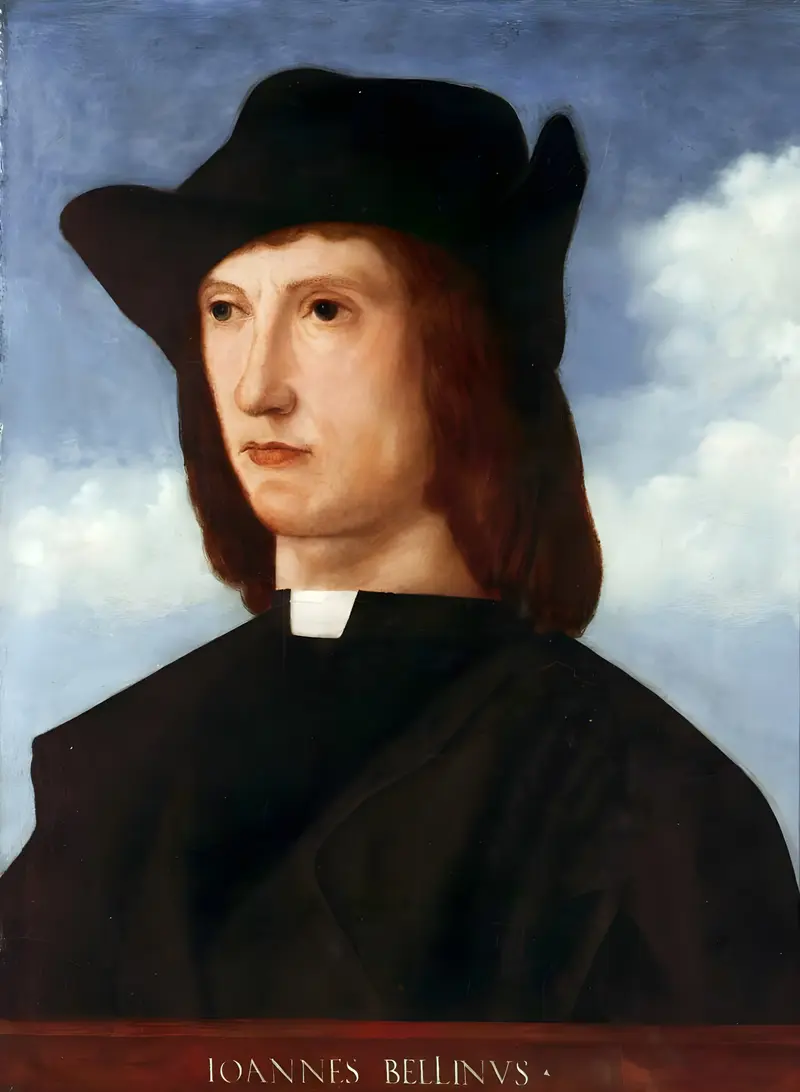
Portrait of a Young Man
Giovanni Bellini





