
Aeneas at Carthage — History & Facts
What first seizes the eye in Aeneas at Carthage is the sheer density of narrative—a tapestry of gold and shadow, where every figure seems caught mid-gesture, each scene tumbling into the next. The painting unfolds like a stage set for an epic, with Aeneas’ legendary journey rendered in a continuous frieze. The artist leads us through a labyrinth of action: hunters poised with bows, regal figures conferring beneath classical columns, builders raising the city’s walls, and elegant women watching from the margins.
Gold leaf glimmers across garments and architecture, signaling status and divine favor, while the darkness of the landscape pulls the viewer’s gaze toward the illuminated heart of the story. The low horizon and crowded composition compress time and space, inviting the viewer to linger and decode each episode. Painted in 1450, this work belongs to a moment in Florence when storytelling was as prized as technical innovation. Panels like this were often created for domestic interiors, especially as wedding chests or wall decorations, celebrating both classical learning and civic pride.
Apollonio di Giovanni was known for weaving together episodes from epic poetry and romance, using rich color and intricate detail to delight and instruct. The world that produced this painting was one of humanist revival, where patrons sought to link their own lives to the grandeur of antiquity. Now housed in Yale’s collection, Aeneas at Carthage stands as a window onto a culture that believed history and myth could be lived anew—if only you look closely enough.
More Artworks by Apollonio di Giovanni
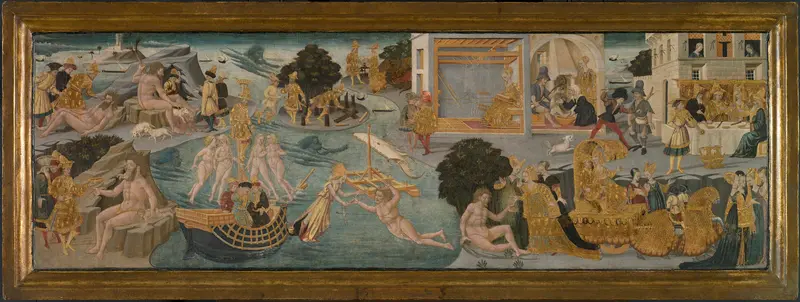
The Adventures of Ulysses
Apollonio di Giovanni
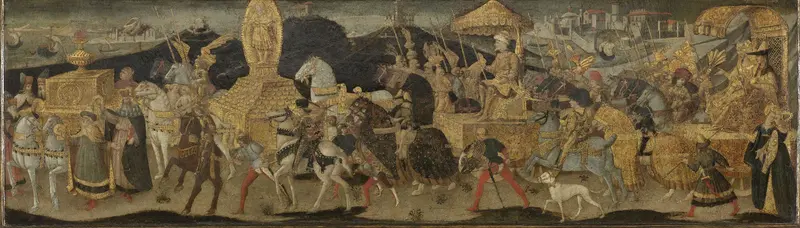
Darius Marching to the Battle of Issus
Apollonio di Giovanni
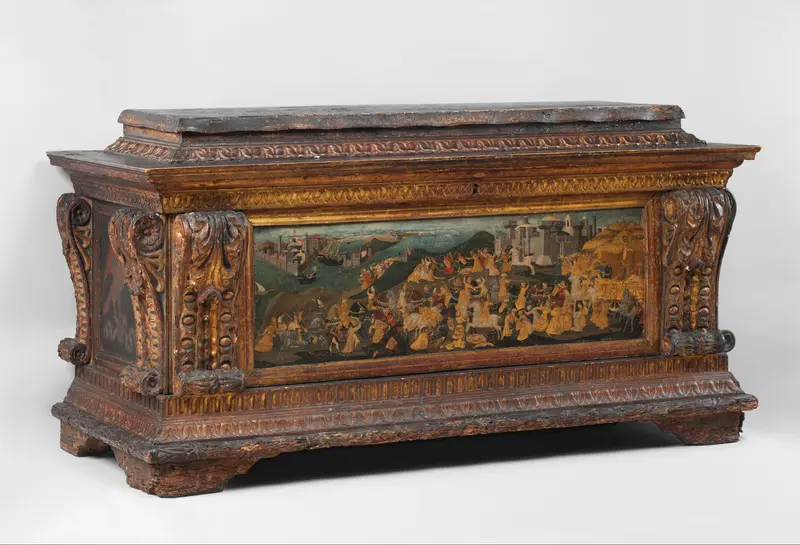
Cassone with painted front panel depicting the Conquest of Trebizond
Apollonio di Giovanni
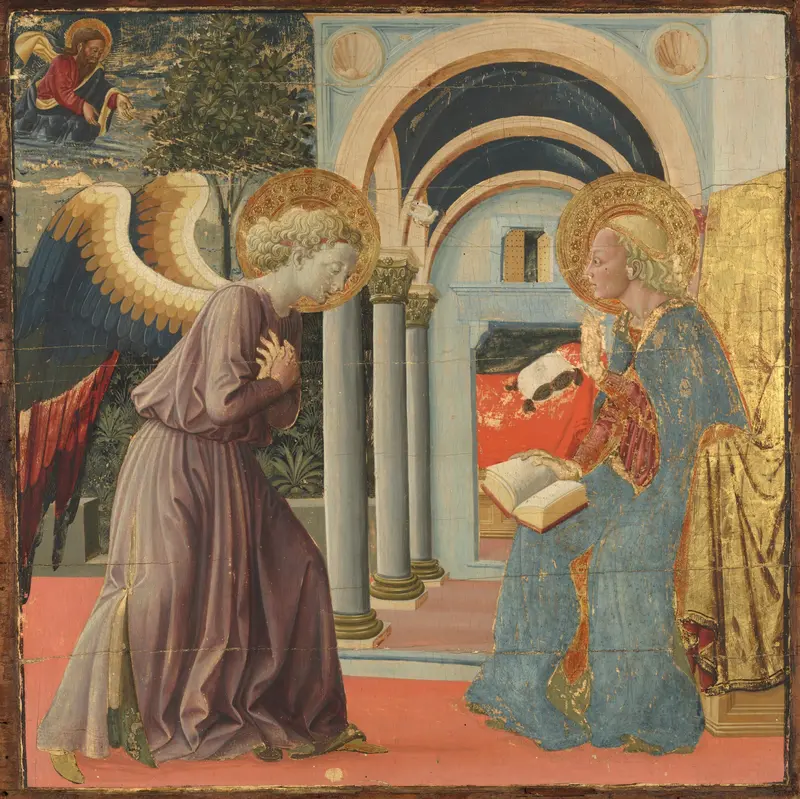
The Annunciation
Apollonio di Giovanni
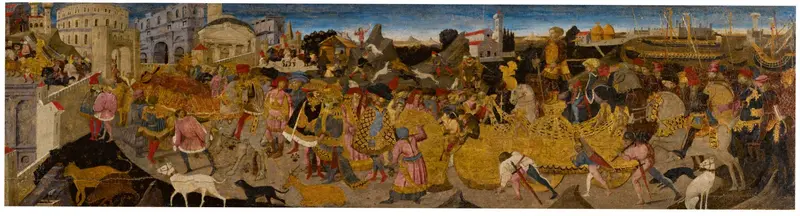
The Triumph of Marcus Furius Camillus
Apollonio di Giovanni
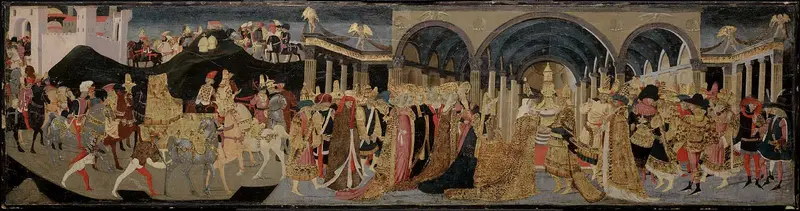
Meeting of Solomon and the Queen of Sheba
Apollonio di Giovanni
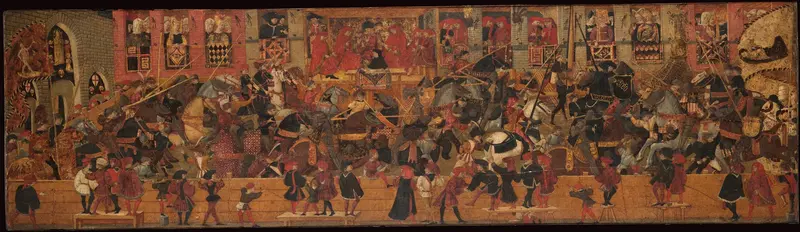
Tournament in the square of Santa Croce, Florence
Apollonio di Giovanni
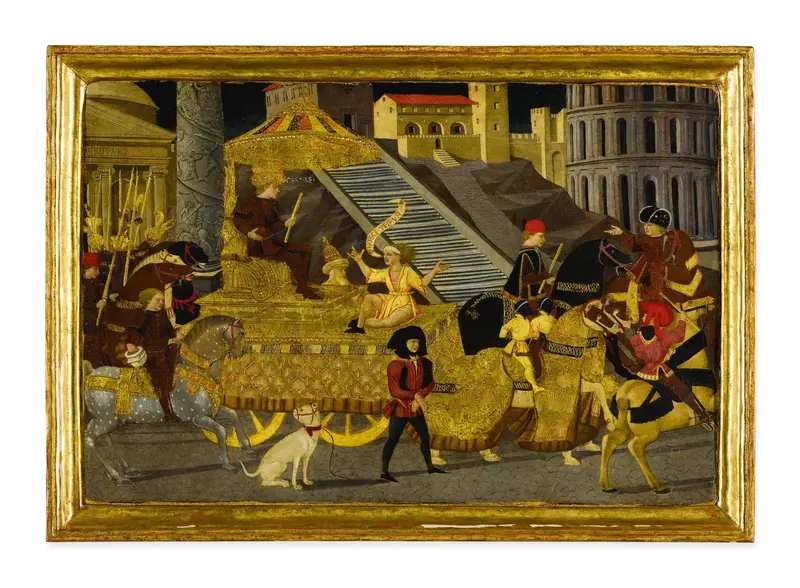
Triumph of Julius Caesar
Apollonio di Giovanni

The Shipwreck of Aenea
Apollonio di Giovanni
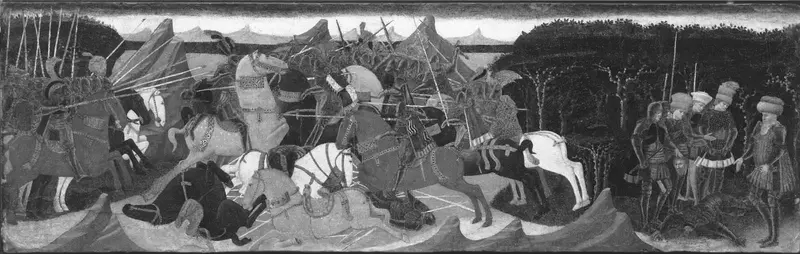
Battle of Pharsalus and the Beheading of Pompey
Apollonio di Giovanni





