
Triumph of Julius Caesar — History & Facts
Gold shimmers across the scene, drawing the eye first to the grand chariot at the heart of the procession, where the figure of Julius Caesar sits enthroned, scepter in hand. Every inch of the painting is alive with detail: the horses draped in intricate brocade, the standard-bearers clustered with gilded spears, the white dog at the front pausing mid-step as if to sniff the air of victory. The artist, Apollonio di Giovanni, orchestrates the pageant so that the viewer is swept into the swirl of triumph—up the steep staircase, past the monumental buildings, and into the golden canopy that crowns the conqueror.
Light dances across the gold leaf, not just as decoration but as a signal of power and spectacle, while the rigid, almost theatrical arrangement of figures heightens the sense of ceremony. Works like this were born in a world where the past was pressed into service for the present. In fifteenth-century Florence, scenes of Roman triumph were prized for their lessons in glory and virtue, often commissioned to celebrate weddings or civic pride, and sometimes to decorate cassoni—marriage chests—meant to inspire the next generation with stories of greatness. The presence of grand architecture and classical inscriptions grounds the painting in the Renaissance’s fascination with antiquity, while the lavish costumes and tightly packed composition reflect the tastes of a society hungry for both moral example and visual splendor.
Triumph of Julius Caesar now resides in a private collection, its origins and journey largely unrecorded, but its pageantry still invites us to imagine ourselves among the crowd, watching history parade by.
More Artworks by Apollonio di Giovanni
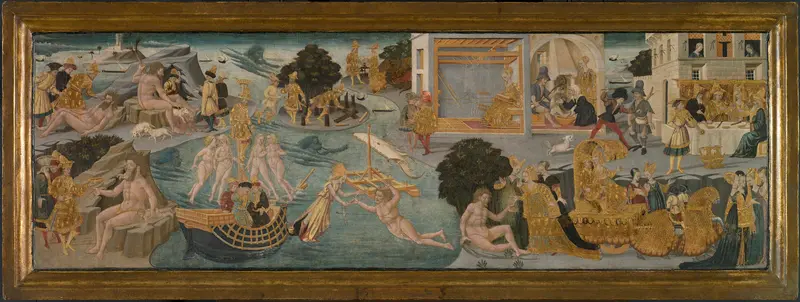
The Adventures of Ulysses
Apollonio di Giovanni
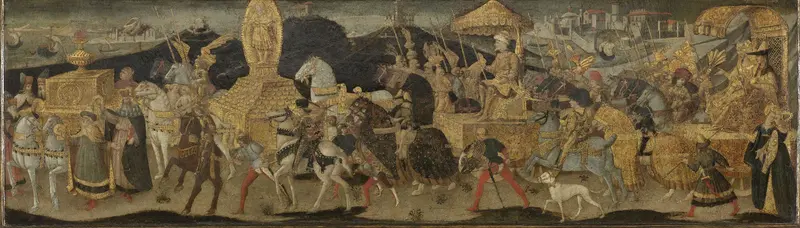
Darius Marching to the Battle of Issus
Apollonio di Giovanni
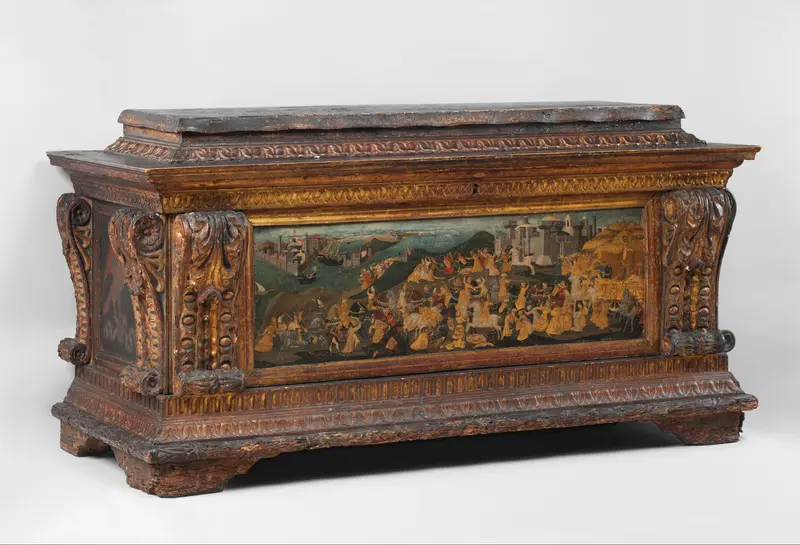
Cassone with painted front panel depicting the Conquest of Trebizond
Apollonio di Giovanni
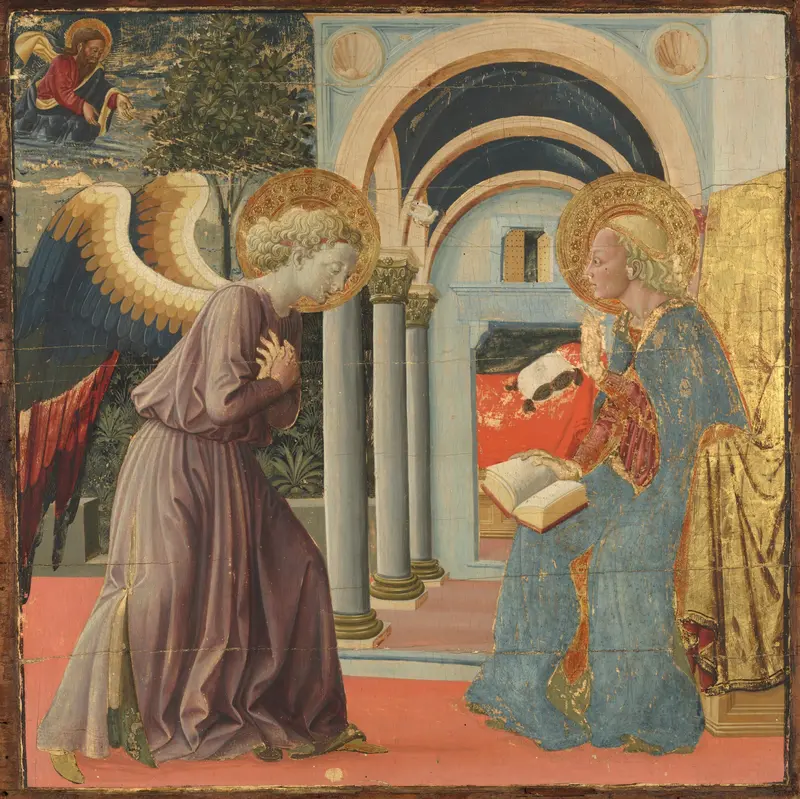
The Annunciation
Apollonio di Giovanni
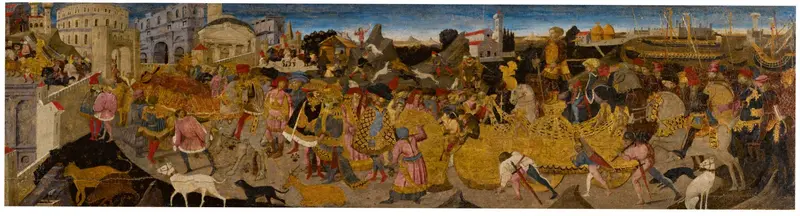
The Triumph of Marcus Furius Camillus
Apollonio di Giovanni
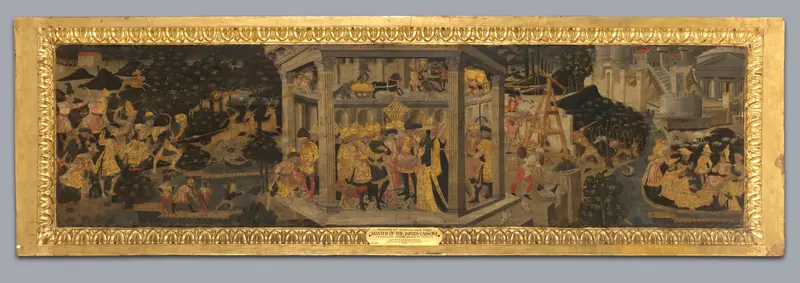
Aeneas at Carthage
Apollonio di Giovanni
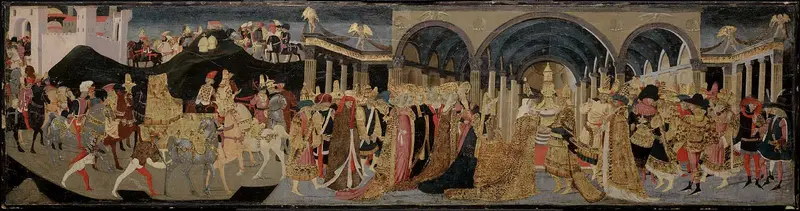
Meeting of Solomon and the Queen of Sheba
Apollonio di Giovanni
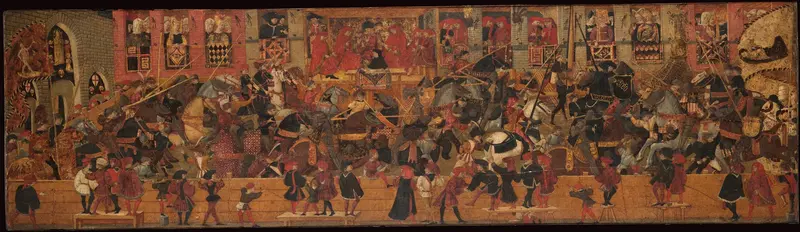
Tournament in the square of Santa Croce, Florence
Apollonio di Giovanni

The Shipwreck of Aenea
Apollonio di Giovanni
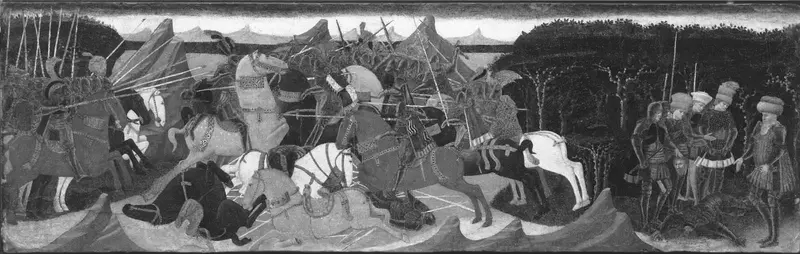
Battle of Pharsalus and the Beheading of Pompey
Apollonio di Giovanni





