
Agony in the Garden — History & Facts
What grips the viewer first in Agony in the Garden by Lucas Cranach the Elder is the striking sense of separation—one figure alone, upright in anxious prayer, while three others huddle together in uneasy slumber. Your eye is drawn up the winding path of rocks and twisted trees to the solitary Christ, his hands clasped, his gaze fixed not on the world around him but on a vision above: an angel breaking through the clouds, bearing a cross. The golden light around the angel forms a sharp, otherworldly halo, contrasting with the storm-dark sky and the shadowed rocks, making the supernatural intervention feel both immediate and distant.
Meanwhile, the three disciples at the bottom seem weighed down by exhaustion, their postures closed and heavy, their halos barely catching the light—a visual echo of human frailty in the face of looming fate. Painted in 1520, this work belongs to a world where religious images were both objects of devotion and tools of instruction. In the early sixteenth century, artists like Cranach—court painter and friend to Martin Luther—were shaping a new visual language for familiar biblical stories. Such scenes of Christ’s agony in Gethsemane were meant to invite meditation on suffering and obedience, often commissioned for private chapels or altarpieces.
The tight, vertical format and the careful attention to landscape detail reflect both the Northern Renaissance’s love of nature and its fascination with spiritual drama. Little is recorded about this specific painting’s early life, but its survival in digital archives today invites us to look again at how an old story can still feel urgent, every time our eyes follow that path from earth to sky.
More Artworks by Lucas Cranach the Elder

Martin Luther
Lucas Cranach the Elder
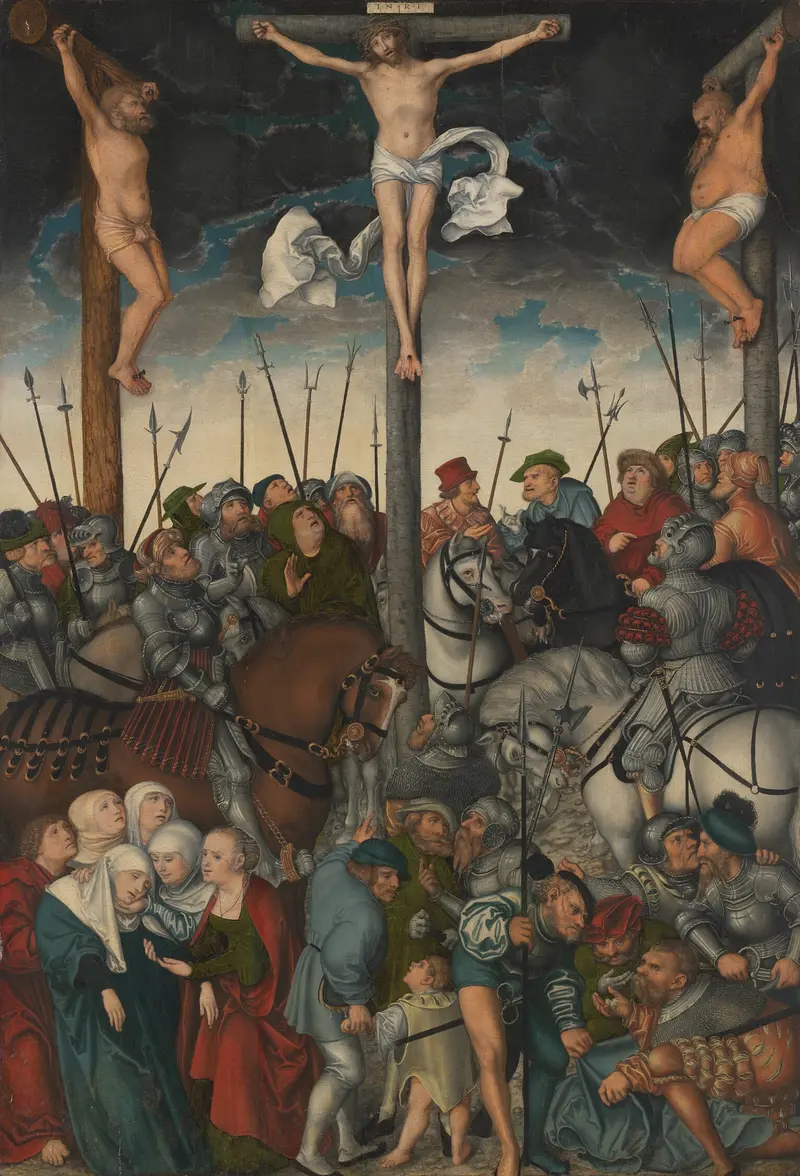
The Crucifixion
Lucas Cranach the Elder
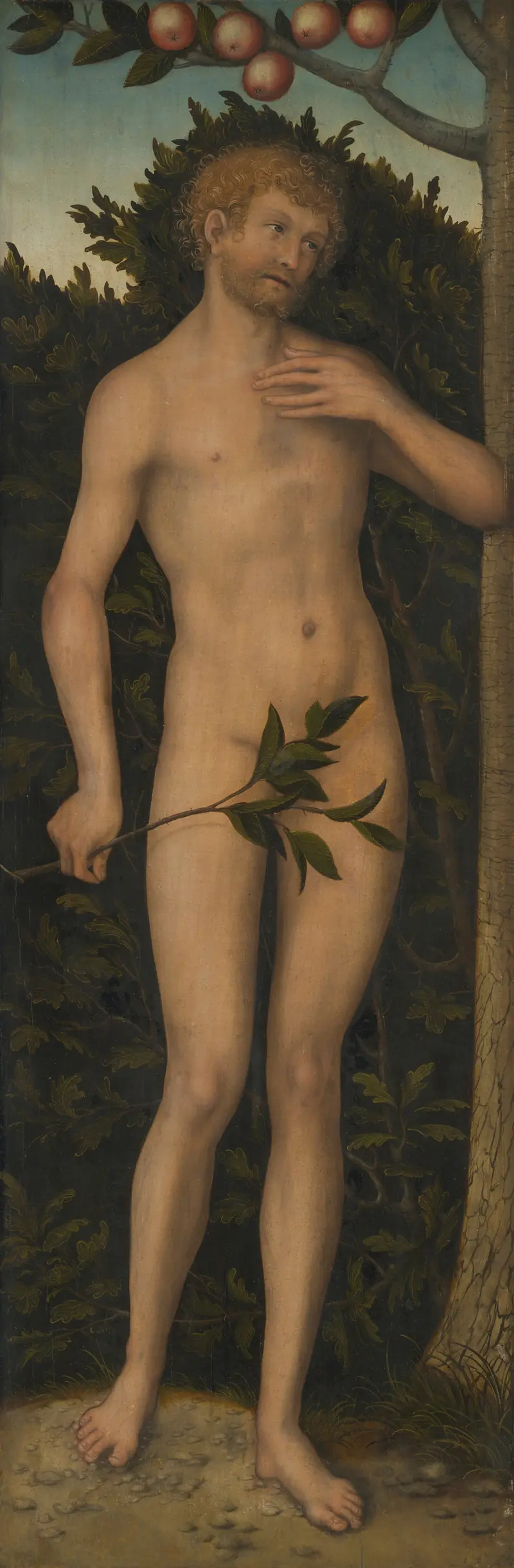
Adam
Lucas Cranach the Elder
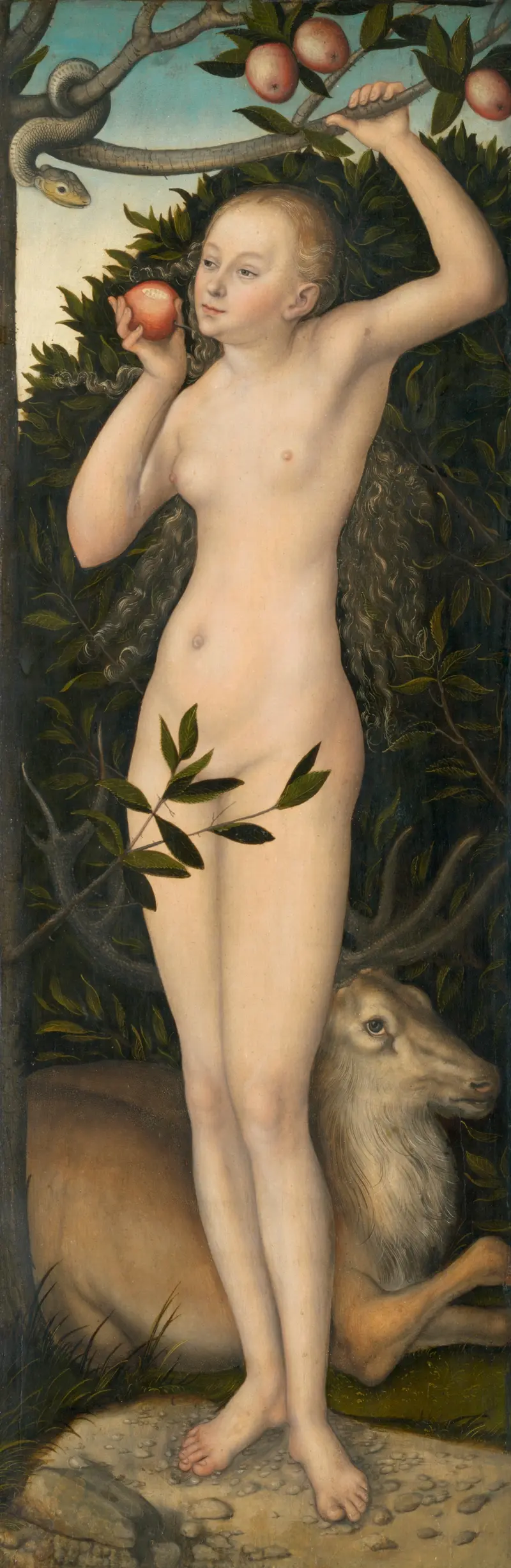
Eve
Lucas Cranach the Elder
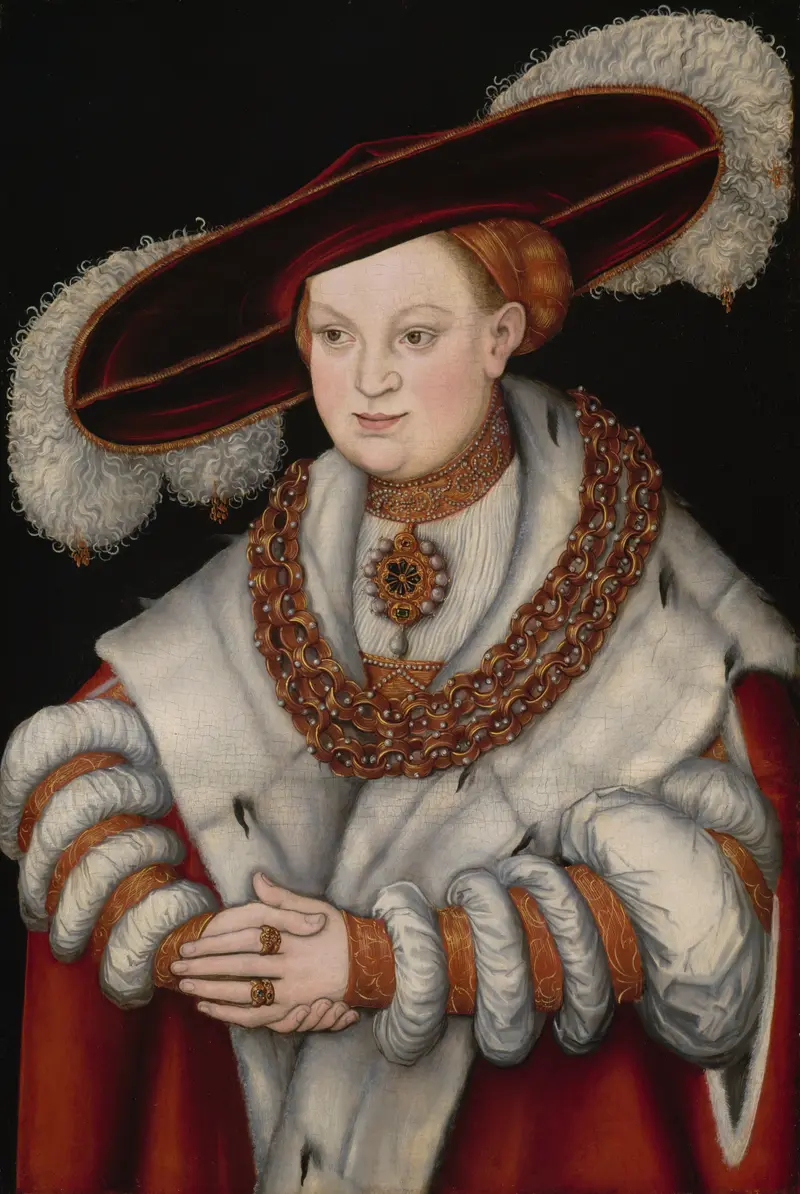
Portrait of Magdalena of Saxony, Wife of Elector Joachim II of Brandenburg
Lucas Cranach the Elder
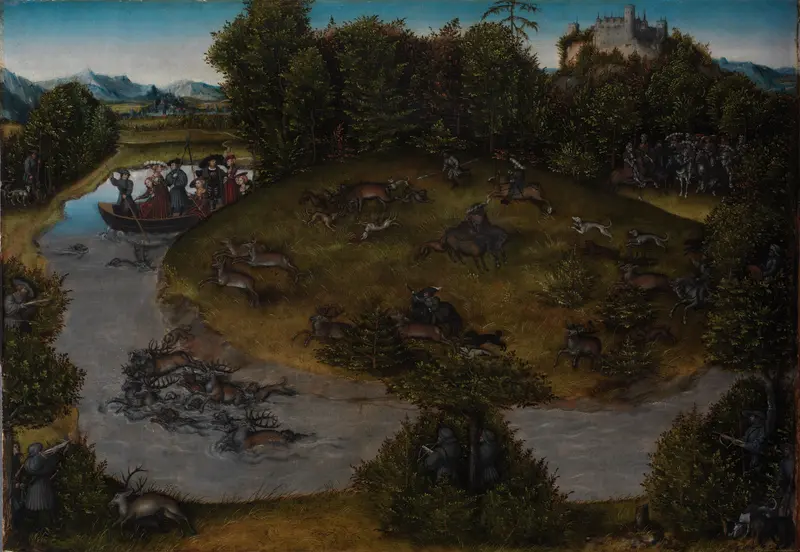
The Stag Hunt of the Elector Frederic the Wise (1463-1525) of Saxony
Lucas Cranach the Elder
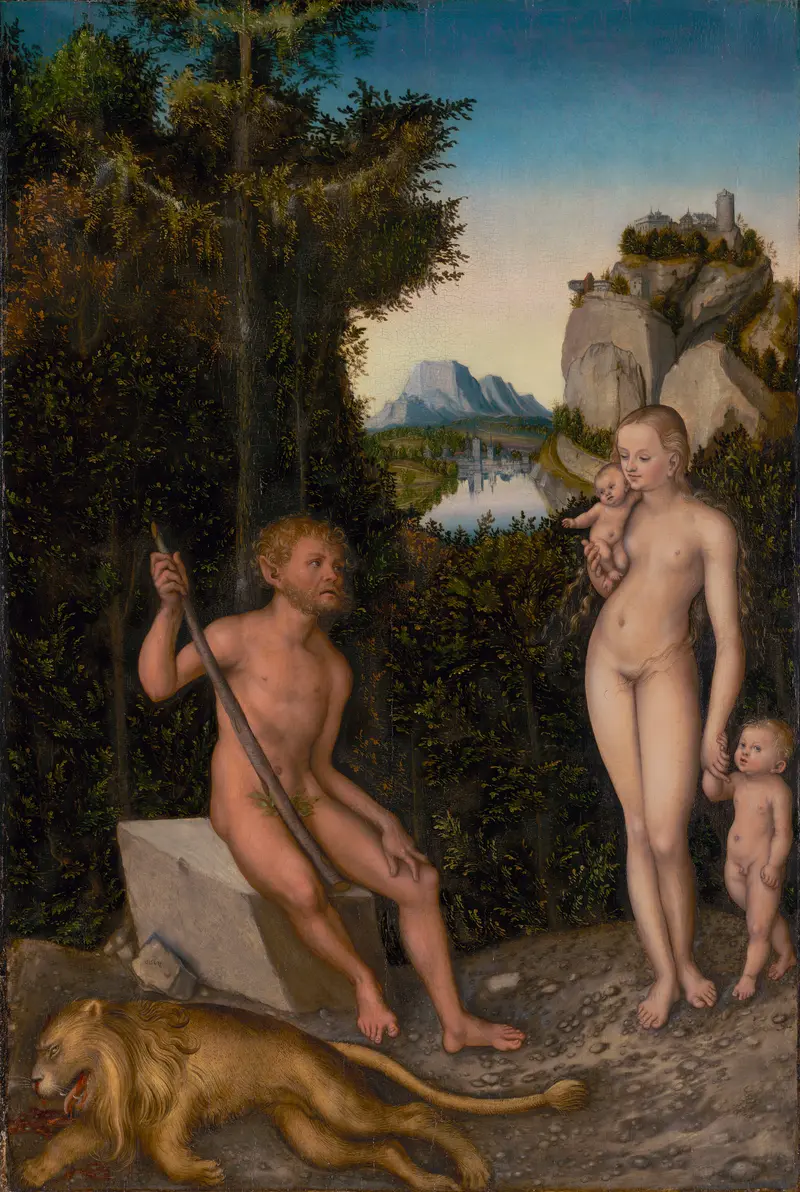
A Faun and His Family with a Slain Lion
Lucas Cranach the Elder
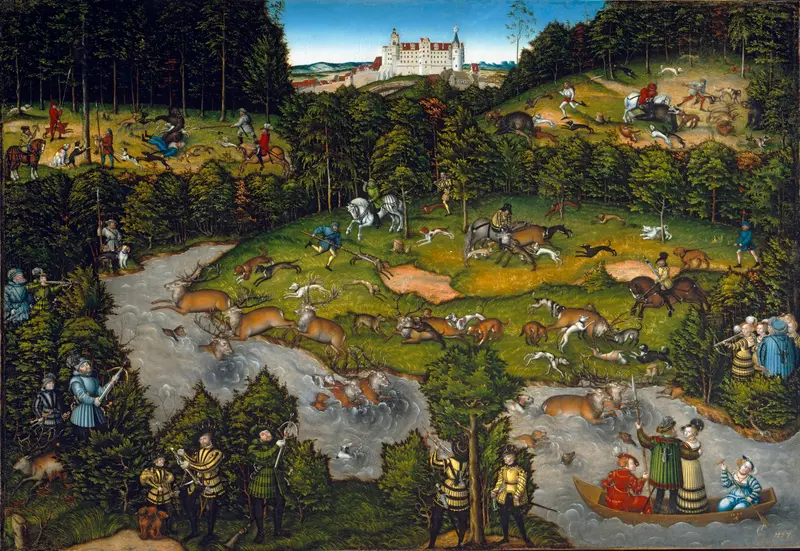
Hunting near Hartenfels Castle
Lucas Cranach the Elder
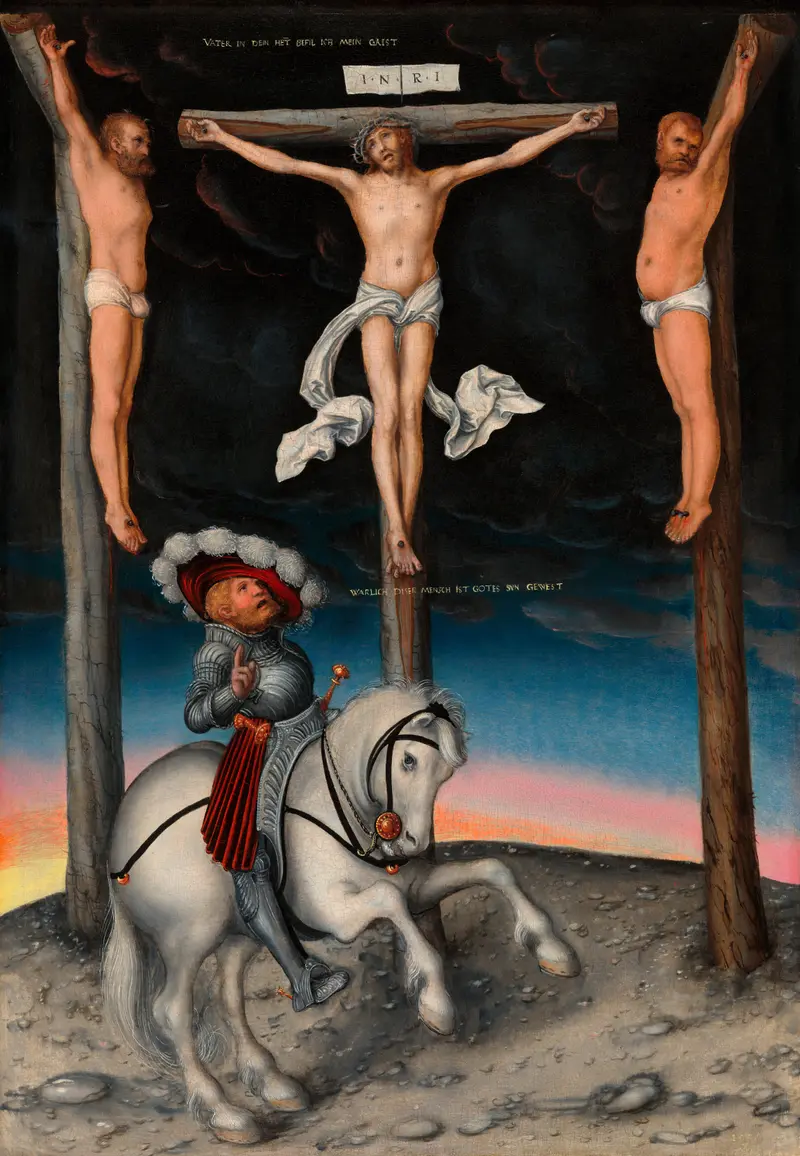
The Crucifixion with the Converted Centurion
Lucas Cranach the Elder
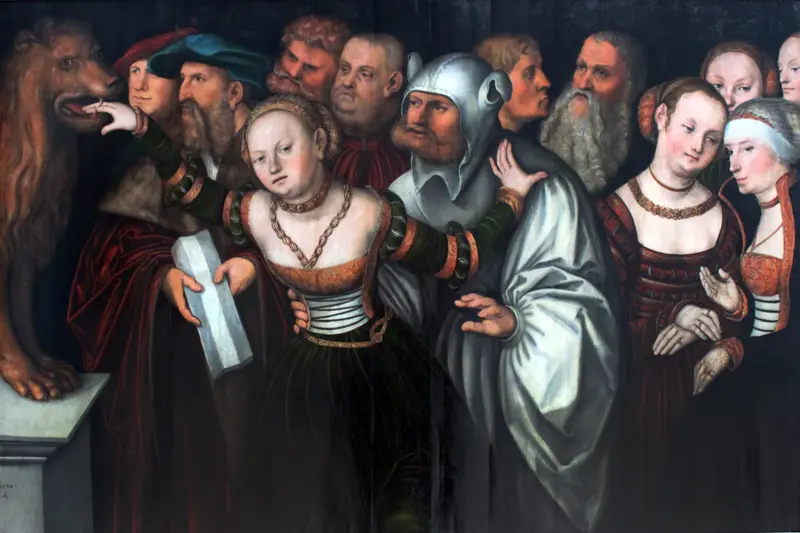
The Fable of the Mouth of Truth
Lucas Cranach the Elder





