Aknast (Tallinn) — History & Facts
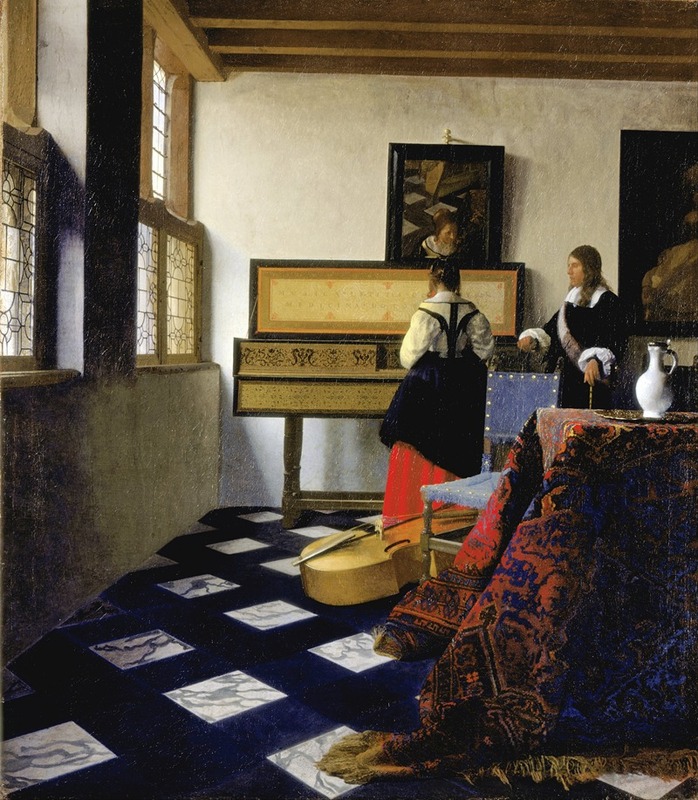
In Aknast (Tallinn), Nikolai Triik captures a moment suspended in time, where the mundane becomes profound and the ordinary radiates with significance. The artwork invites us to reflect on how stillness can echo louder than the chaos of life outside. Look to the left, where a figure stands by an open window, the light spilling in and illuminating their thoughtful expression. The palette is rich yet muted, with warm earth tones that convey a sense of nostalgia.
Notice how the light falls upon the figure's face, creating a gentle contrast with the shadowy room behind them. The composition draws you inward, emphasizing the connection between the subject and the intimate space they inhabit. This poignant tableau speaks to the contrast between the outside world and personal introspection. The open window symbolizes both opportunity and isolation; while the light beckons from outside, the figure remains rooted within the confines of their thoughts.
The juxtaposition of light and shadow conveys an emotional tension, hinting at a longing for connection yet a comfort found in solitude. Each brushstroke encapsulates the passage of time, suggesting that moments of stillness can resonate deeply within our souls. In 1913, Triik painted this piece during a transformative period in Tallinn, Estonia, where he was influenced by the burgeoning national identity and the quest for artistic expression. It was a time of personal exploration for the artist, as he sought to convey more than mere representation, delving into the emotional landscapes of his subjects.
This work reflects both his engagement with contemporary artistic movements and his individual journey as he navigated the complexities of life in a rapidly changing world.