
Alban Mountains from Via Tuscolana, Rome — History & Facts
This sentiment resonates deeply within the vibrant hues and tranquil landscape of Alban Mountains from Via Tuscolana, Rome. As the viewer contemplates the majestic peaks, one must consider the hidden stories woven into the fabric of this serene vista—a reminder of the beauty that often overshadows an undercurrent of violence in human history. Look to the foreground, where the lush, verdant hills rise and fall in gentle undulations. The deep greens and soft earth tones mingle harmoniously beneath the expansive blue sky.
Notice how Burr’s brushwork captures the movement of the clouds, swirling, as if echoing the passage of time itself. The light dances across the landscape, creating a luminous quality that draws your eye toward the distant mountains, their stark outlines contrasting against the softness of the foreground. Yet, beneath this idyllic scene lies a history fraught with conflict. The very mountains that appear timeless have witnessed countless struggles, from ancient battles to modern disputes.
The vibrant colors may convey a sense of peace, but they also mask the violence that has shaped the land and its people. Each stroke of Burr’s brush seems to whisper of remembrance, evoking the poignant tension between beauty and the scars left by history. In 1900, when this piece was created, George Elbert Burr was navigating the complexities of the American art scene while living in Rome. This was a period marked by a growing appreciation for Impressionism, as artists sought to capture the transience of light and atmosphere.
Burr's time in Italy allowed him to immerse himself in both the classical and contemporary influences of the region, enriching his work with layers of meaning and emotional depth that resonate powerfully even today.
More Artworks by George Elbert Burr
Browse all →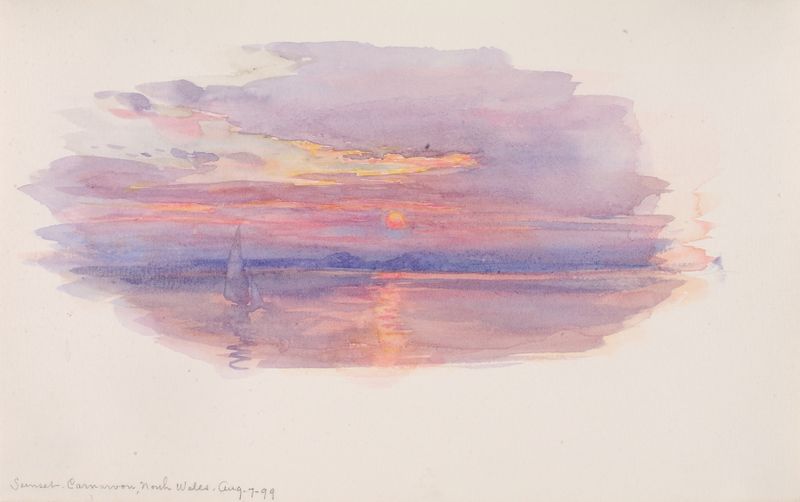
Sunset, Caernarvon, North Wales
George Elbert Burr
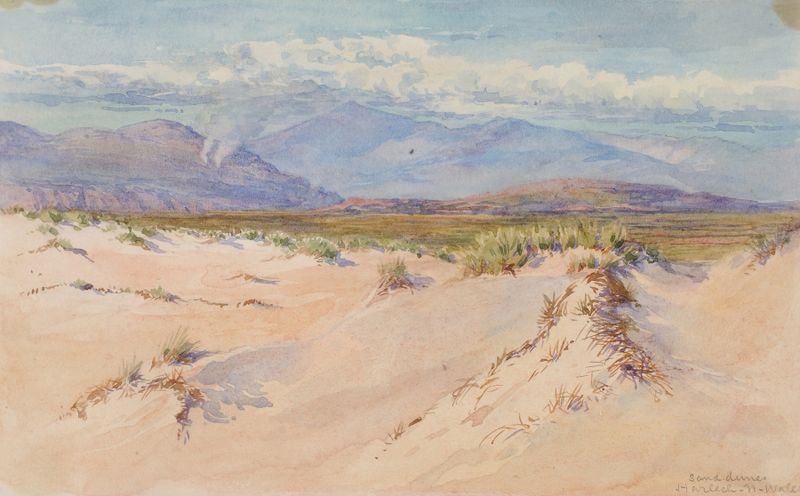
Sand Dunes, Harlech, North Wales
George Elbert Burr

From Pincio, Rome
George Elbert Burr

The Wye near Ross
George Elbert Burr

Venice
George Elbert Burr
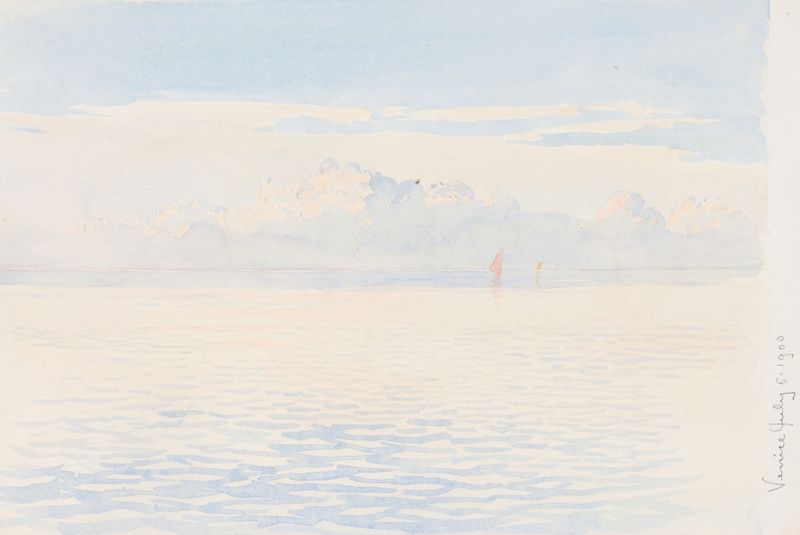
Venice II
George Elbert Burr

Shore at Pwllheli, N. Wales
George Elbert Burr

The Wye at Wilton Castle (Wales)
George Elbert Burr

Venice
George Elbert Burr

Criccieth, N. Wales II
George Elbert Burr





