
Albert (Paul Besnard dit) Esquisse pour la salle des mariages de la mairie du 19ème arrondissement de la Ville de Paris , Cérè — History & Facts
A sweep of red fabric, bold against the muted earth, commands the eye at once—here, a figure crowned with leaves gestures with an open, almost theatrical hand, halting the slow procession of oxen and plough. The painter’s brush lingers on this moment of encounter: a woman and child, seated on the ground, turn toward the central figure, their gestures open and expectant. The oxen, rendered in heavy, shadowed strokes, anchor the scene in the labor of the land, while a distant crescent moon hovers over the ploughed field, hinting at cycles of growth and time.
Every detail—the pottery in the foreground, the outstretched arms, the careful play of light—invites the viewer to read this as a meeting between myth and daily life, where the presence of Ceres, goddess of the harvest, transforms the ordinary into the ceremonial. Painted in 1880, this work belongs to a world where allegory and civic pride often met on the walls of public buildings. In late nineteenth-century France, artists like Albert Besnard were commissioned to decorate spaces such as town halls, using mythological subjects to celebrate prosperity, fertility, and the virtues of the republic. The sketch’s unfinished quality lets us glimpse the artist’s hand at work, searching for the right balance between grandeur and intimacy.
History has kept few traces of this particular composition, now held by Paris Musées, but its spirit is unmistakable: a vision of abundance, rooted in both the soil and the shared imagination of its time. The longer you look, the more the gestures and glances seem to speak—of hope, of ritual, of the promise of the land.
More Artworks by Albert Besnard
Woman's Head
Albert Besnard
The Siesta
Albert Besnard
View of Rome with the Vittorio Emanuele II Monument in the distance, at sunset
Albert Besnard
Albert (Paul Besnard dit) La Mystique, esquisse de la composition d'ensemble
Albert Besnard
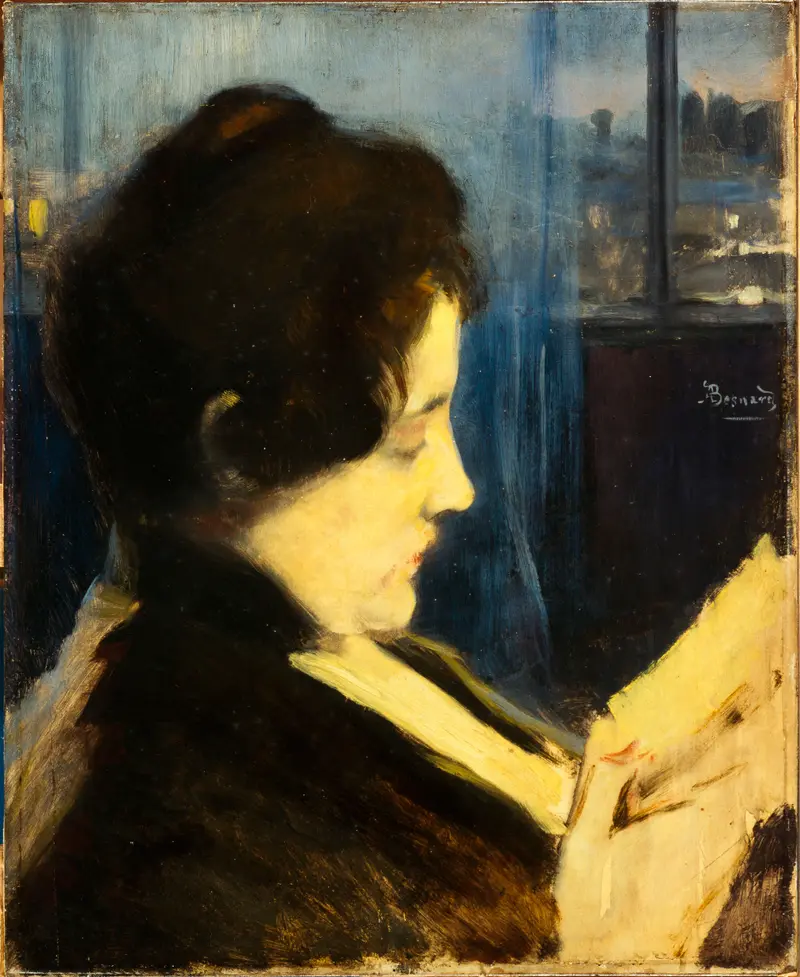
Charlotte Besnard c.
Albert Besnard
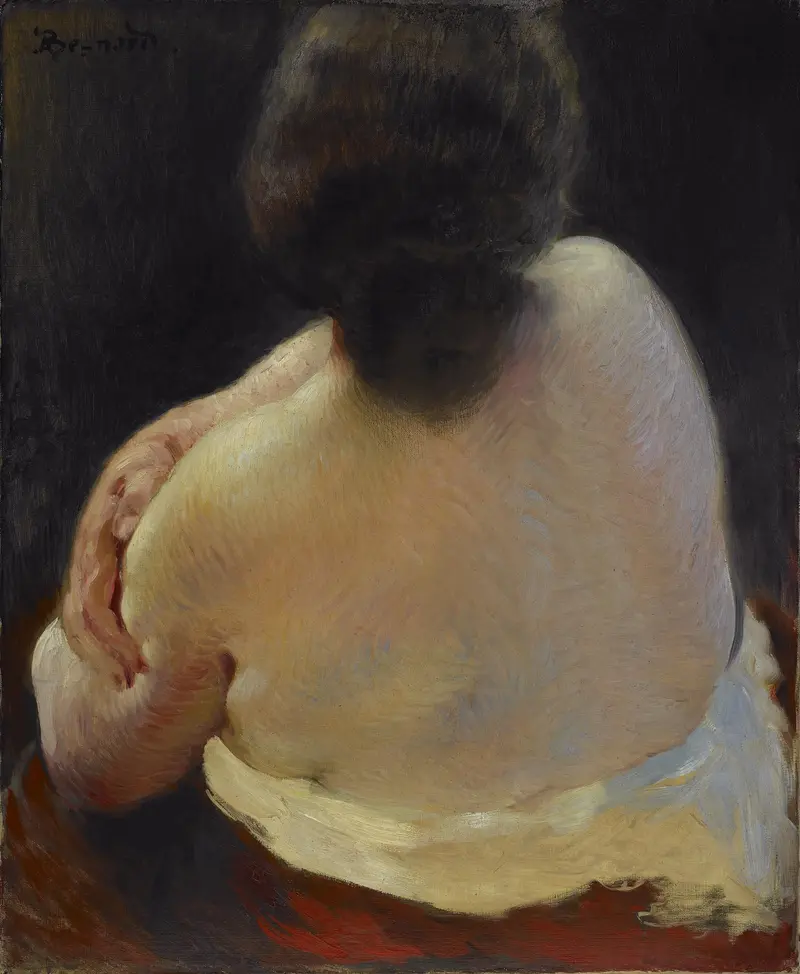
Back of a Woman, Study
Albert Besnard
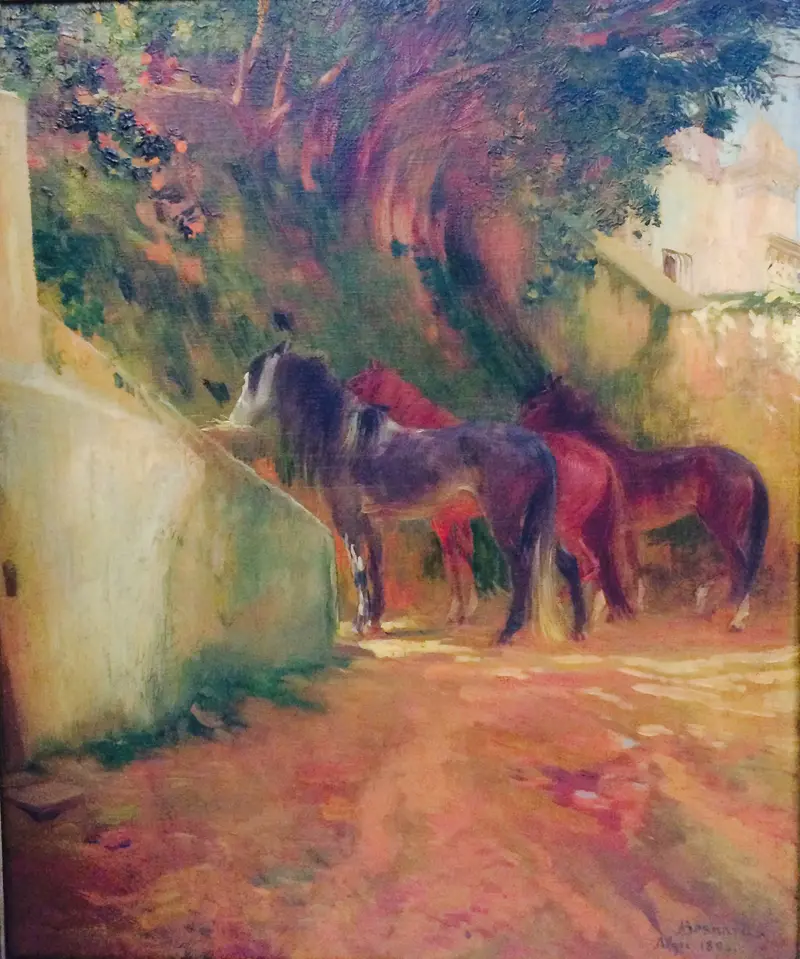
Horses
Albert Besnard
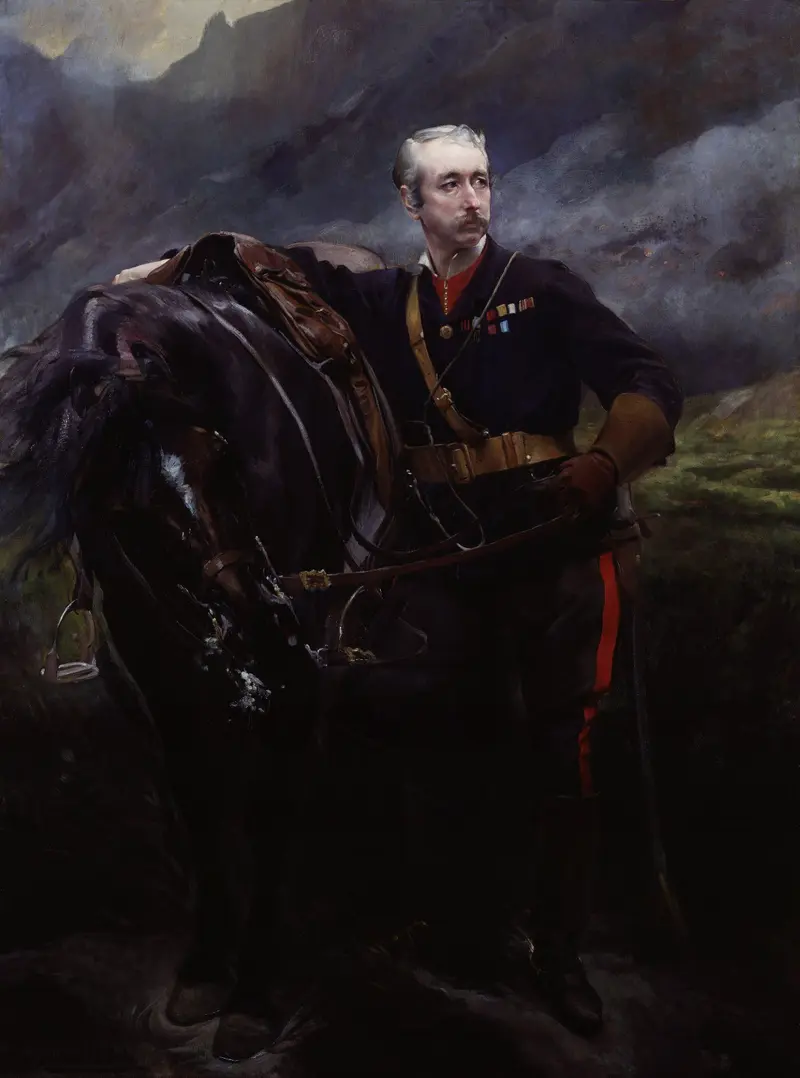
Garnet Joseph Wolseley, 1st Viscount Wolseley
Albert Besnard
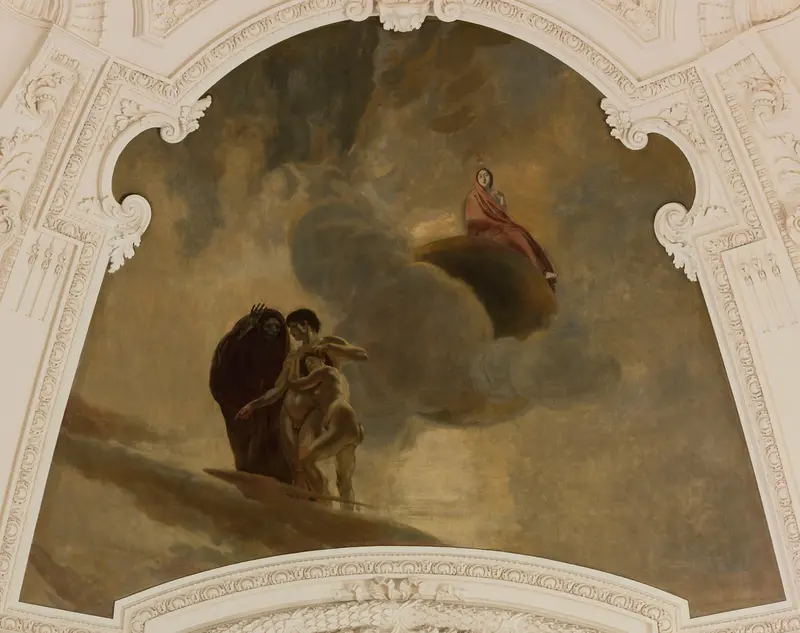
Besnard La Pensée DECOP00A(04) Petit Palais 01
Albert Besnard
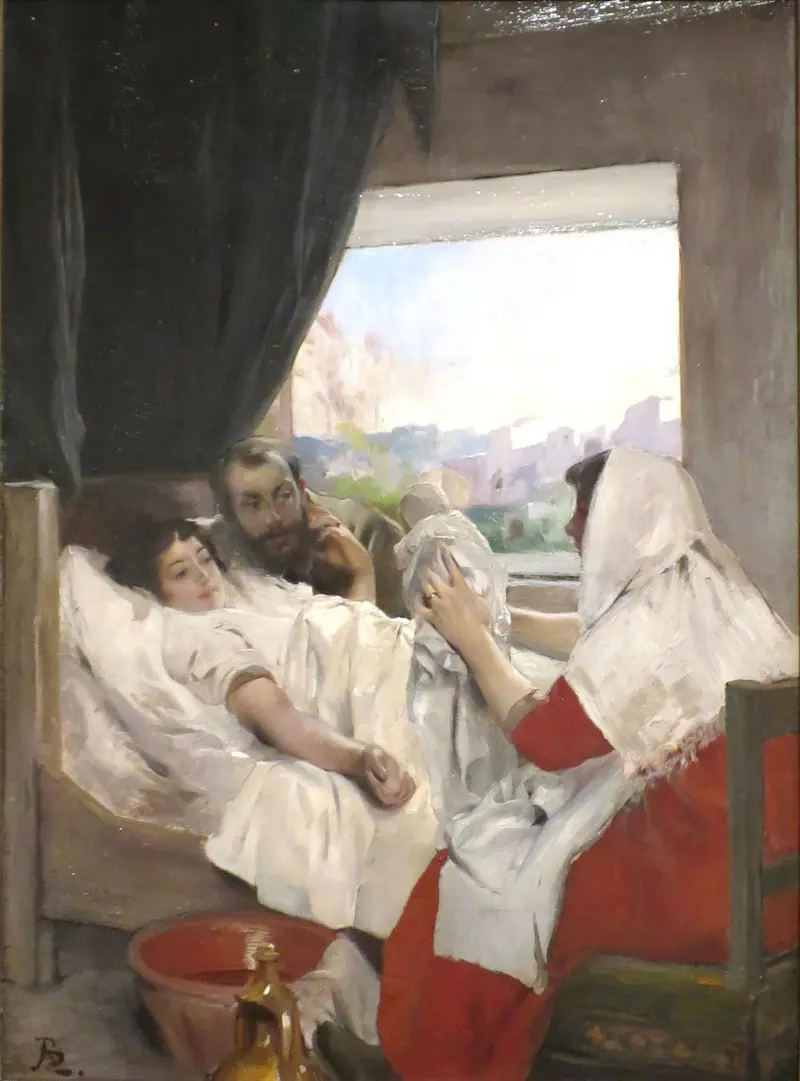
The First Morning (Albert and Charlotte Dubray Besnard and their Son, Robert)
Albert Besnard





