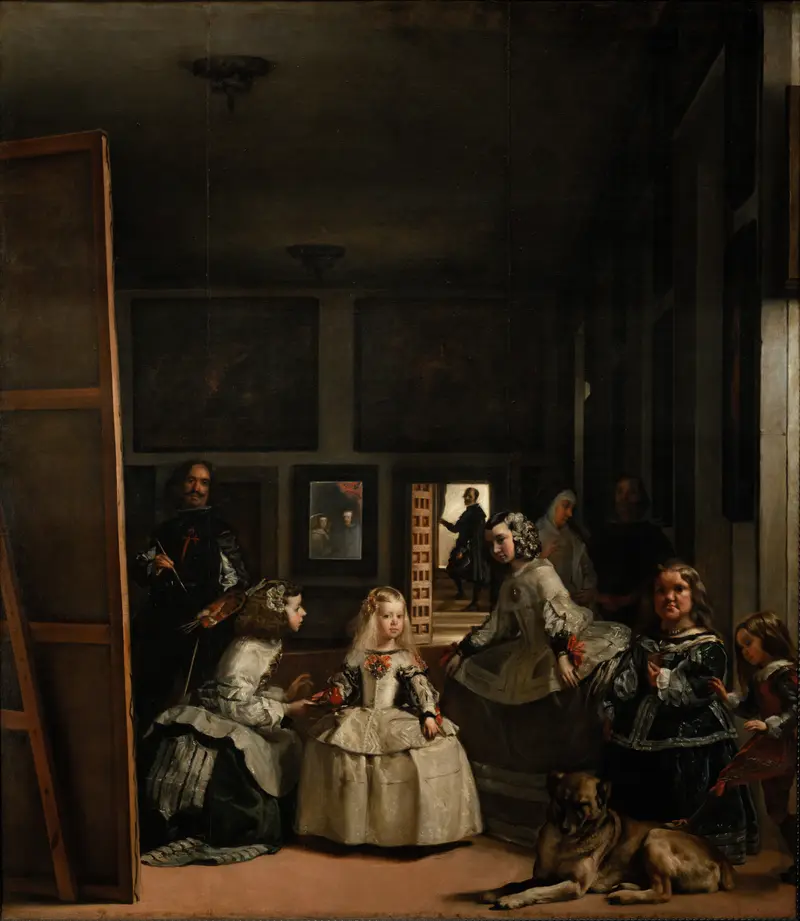
Alexander Arnold Hannay — History & Facts
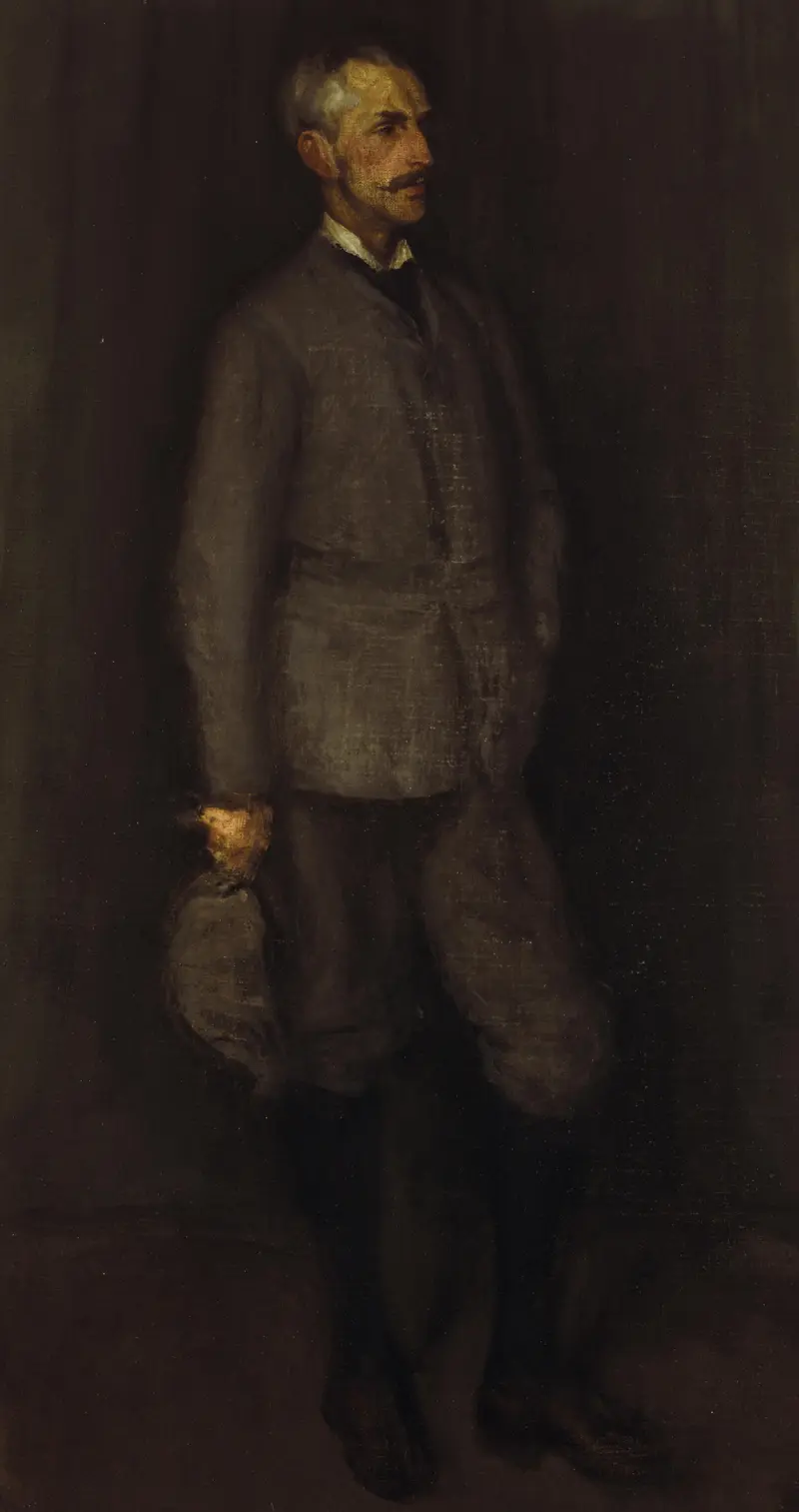
What first draws the eye in Alexander Arnold Hannay is not the man’s face, but the way he seems to hover in a haze of shadow and ochre, his dark coat dissolving into the background. The sitter stands, hands loosely clasped, as if caught in a moment of quiet hesitation. Whistler’s brushwork is soft, almost ghostly, blurring the boundaries between figure and wall so that the man appears both present and elusive.
The palette is restrained, the light gentle and indirect, lending the whole scene an air of introspection. Even the details—his carefully parted hair, the hint of a chair at the edge—serve to anchor him, yet he remains curiously out of reach. Painted around 1896, this portrait belongs to a period when artists like James McNeill Whistler were pushing the limits of what a likeness could be. Portraits in this era were not only records of appearance, but explorations of mood and presence, often commissioned by those who wished to assert their place in a rapidly changing society.
Whistler, known for his atmospheric style and tonal harmonies, was part of a broader late 19th-century movement that prized suggestion over precision. Today, the work resides in the National Gallery of Art, a quiet testament to the ways in which history sometimes leaves us with more questions than answers. Stand before it and let your gaze linger: what does the sitter reveal, and what does he choose to withhold?
More Artworks by James McNeill Whistler
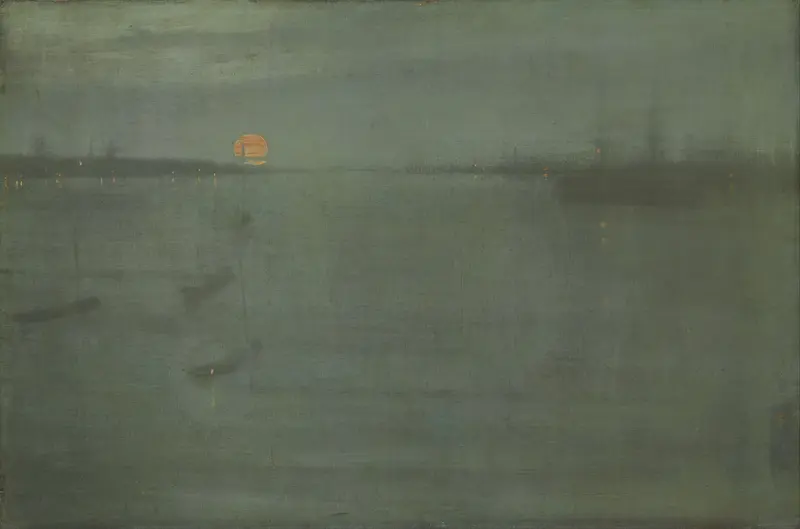
Nocturne: Blue and Gold—Southampton Water
James McNeill Whistler
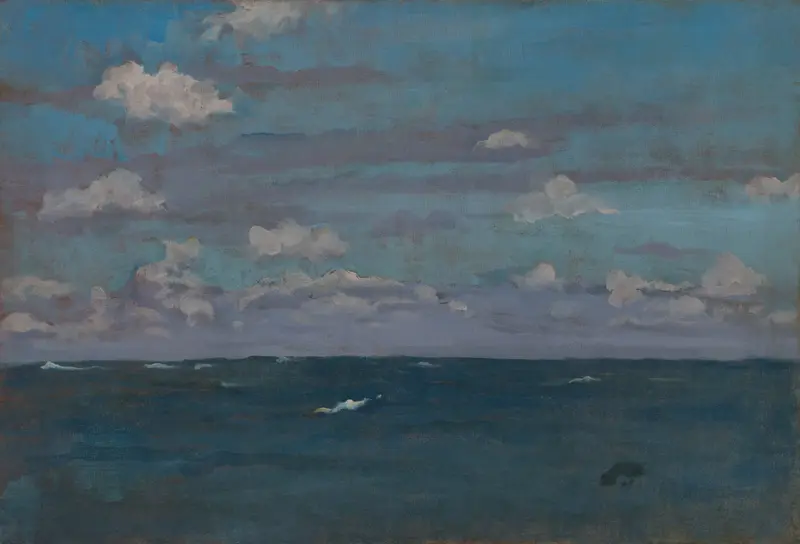
Violet and Silver—The Deep Sea
James McNeill Whistler
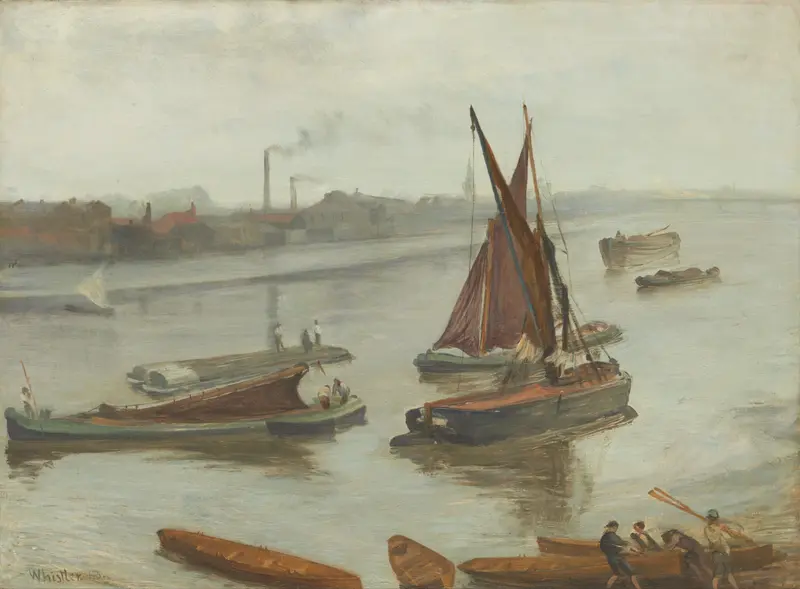
Grey and Silver: Old Battersea Reach
James McNeill Whistler
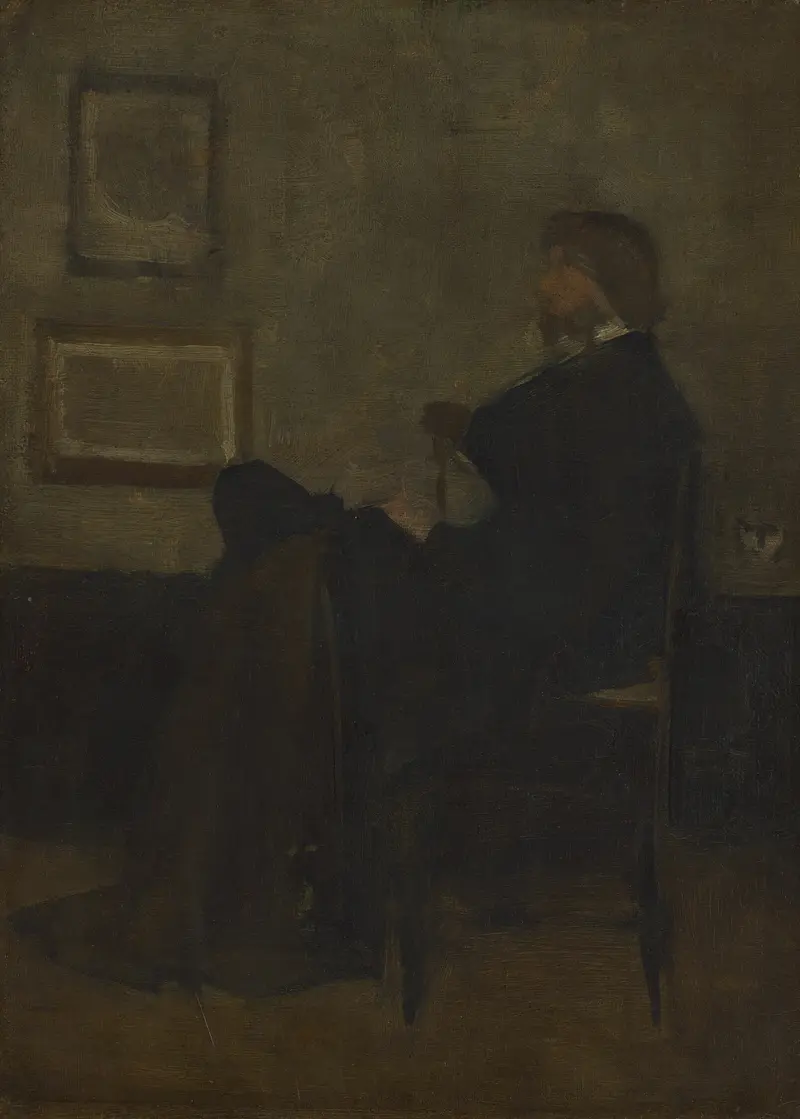
Study for "Arrangement in Grey and Black, No. 2: Portrait of Thomas Carlyle"
James McNeill Whistler
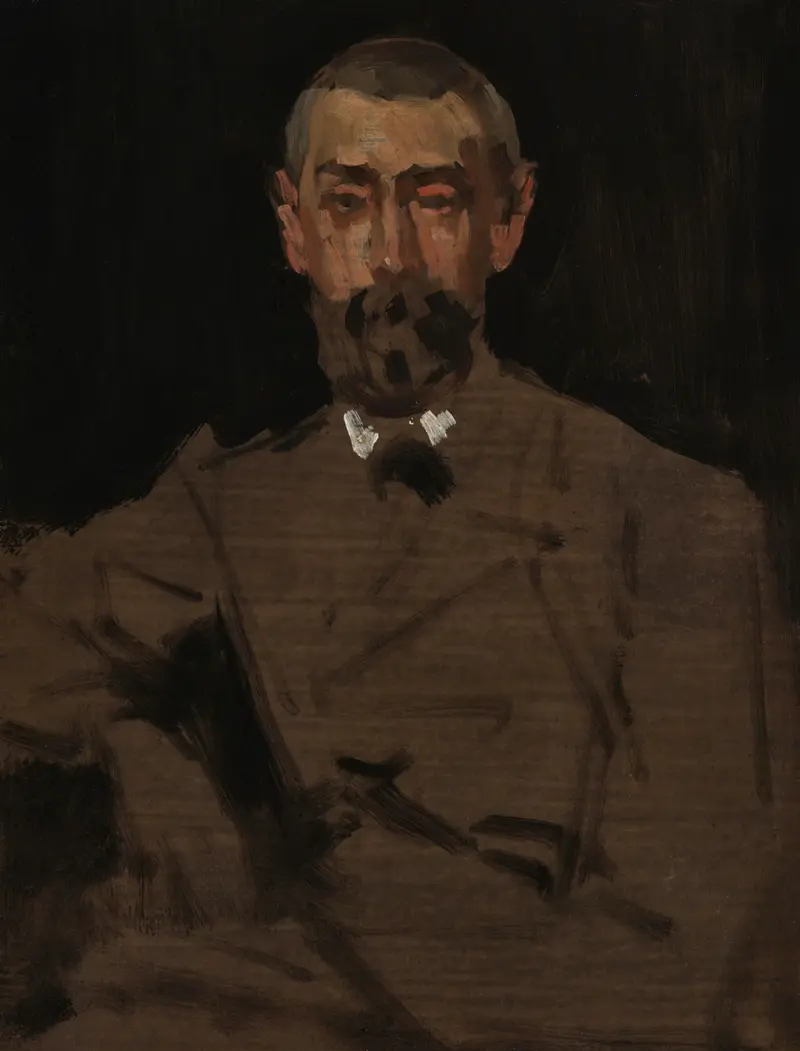
Portrait of M. R. Elden
James McNeill Whistler
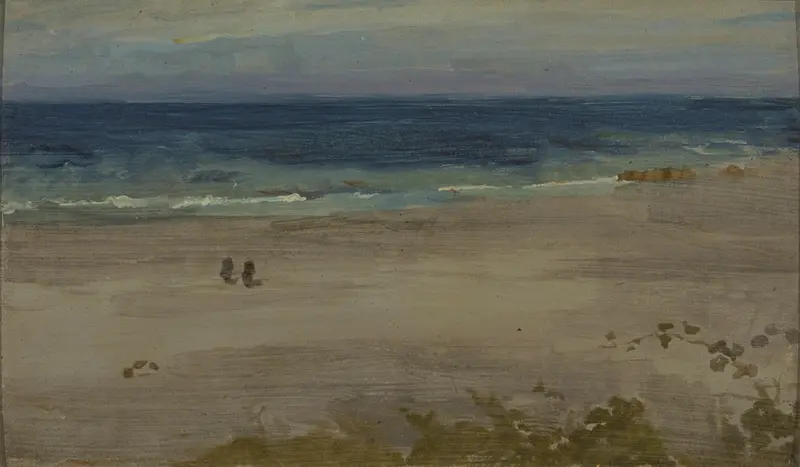
The Blue Sea
James McNeill Whistler
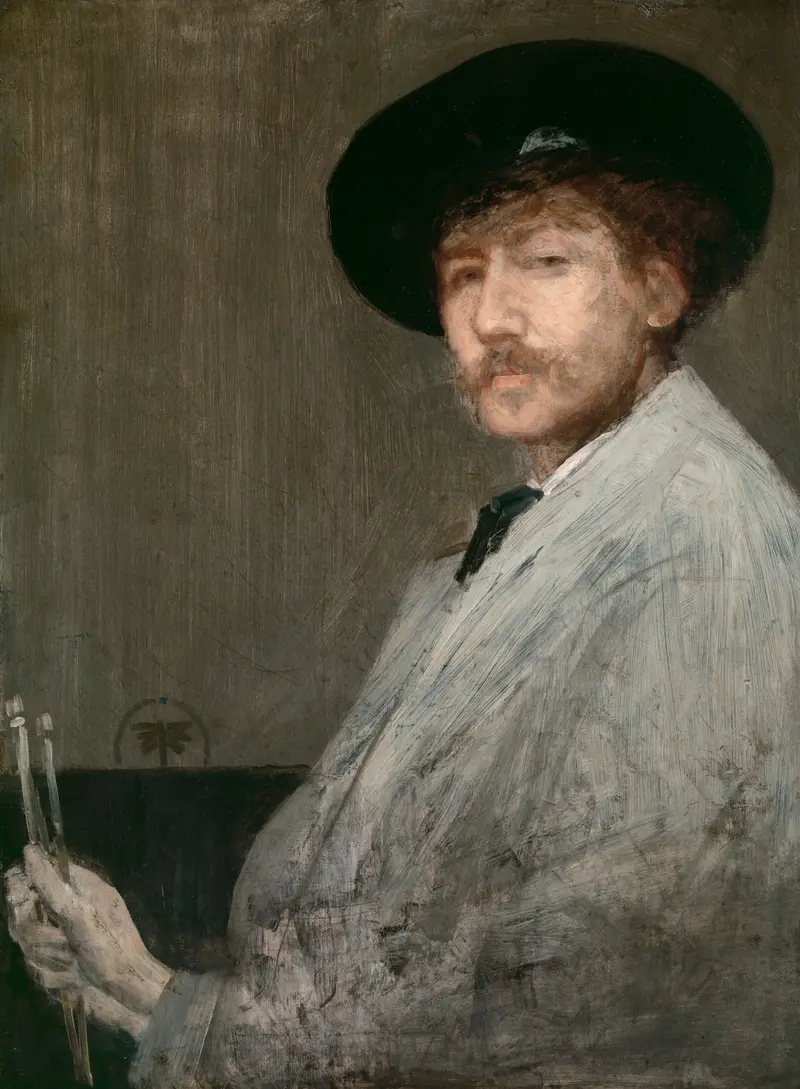
Arrangement in Gray: Portrait of the Painter
James McNeill Whistler
Arrangement in Grey and Green. Portrait of John James Cowan
James McNeill Whistler
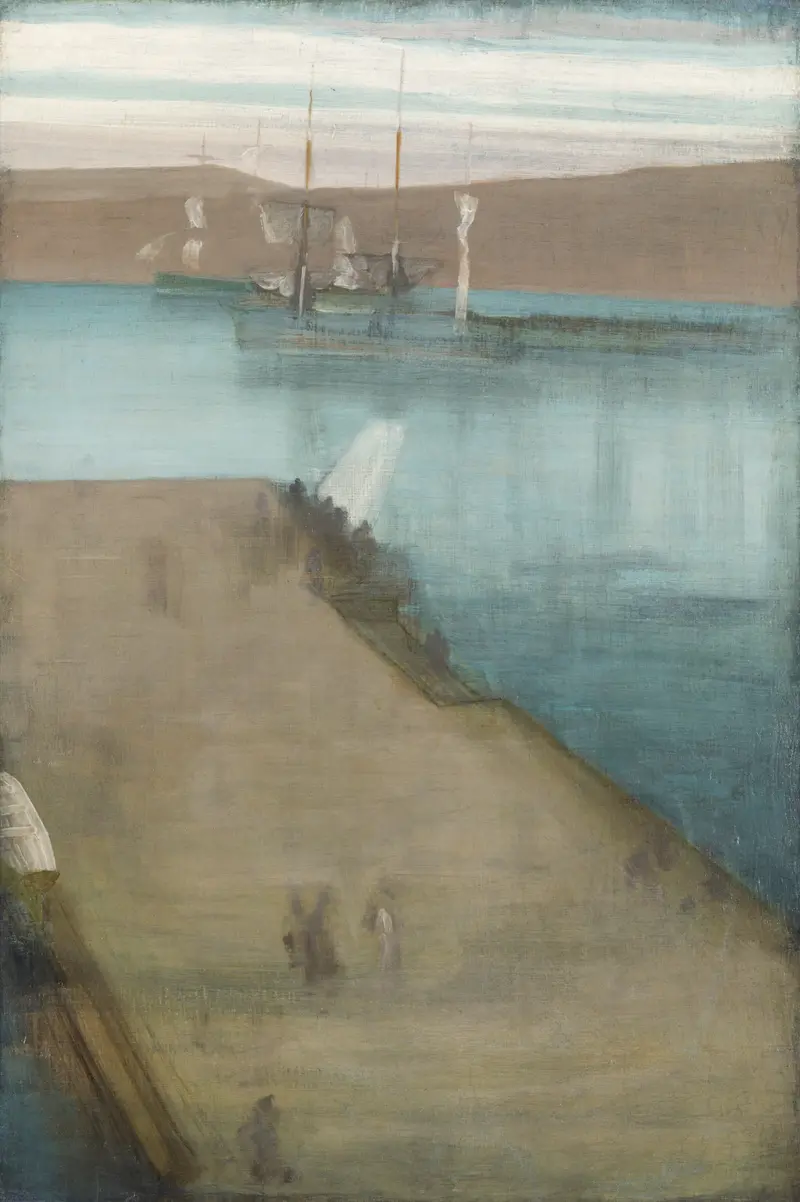
Valparaiso Harbor
James McNeill Whistler
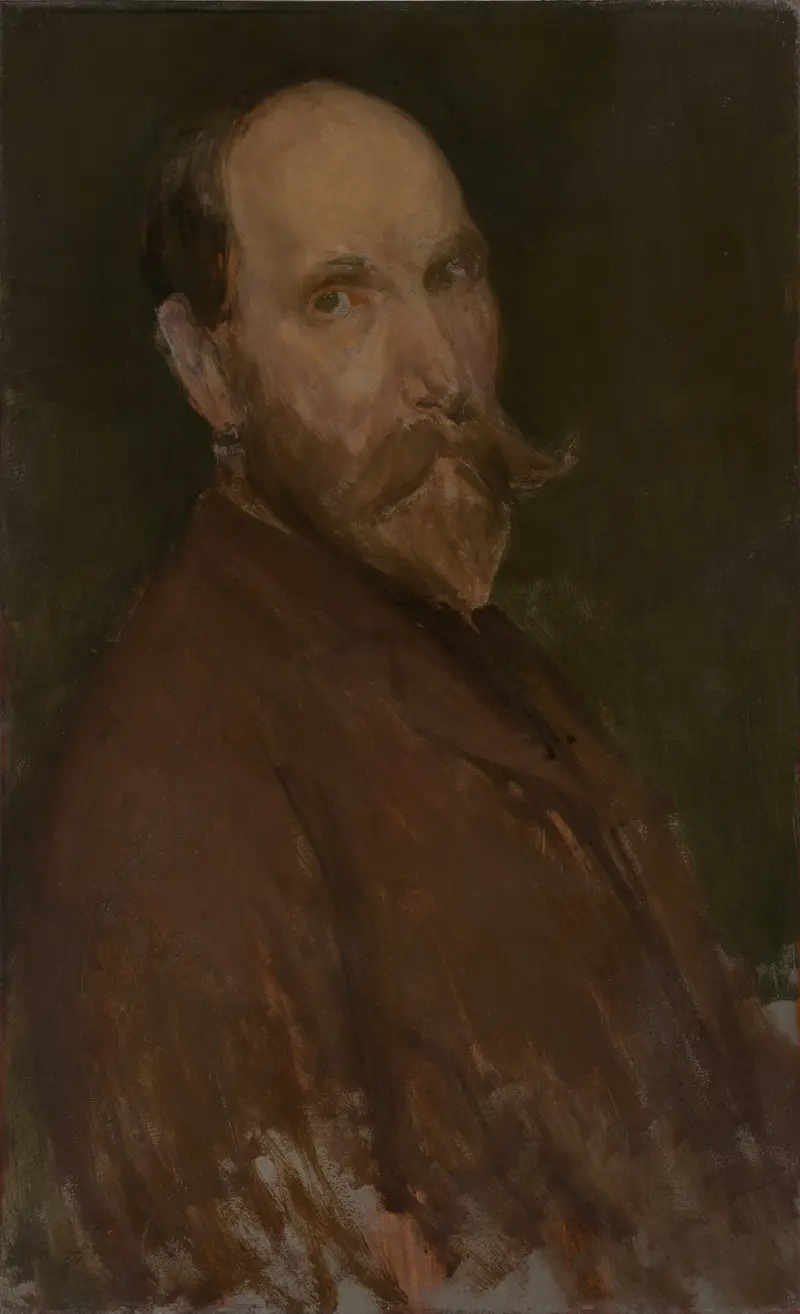
Charles Lang Freer
James McNeill Whistler