
Alexander consulting the Oracle of Apollo — History & Facts
A shaft of golden light falls on the statue at the center, drawing every eye to the poised, commanding figure of Apollo, his arm extended as if in mid-oracle. The hero—presumably Alexander—leans forward, his body tense, caught between the urging hand of the veiled priestess and the god’s silent authority. Smoke rises from the altar, curling into the vast shadows of the temple’s columns, blurring the line between mortal and divine.
Every gesture is loaded: the priestess’s raised hand signals revelation, the hero’s outstretched arm both questions and demands, while the distant figure to the right covers her mouth in awe or fear. The cool marble, the gleaming bronze, the scattered vessels—all play their part in a drama of expectation and power, as if the very air is thick with prophecy. Painted around 1789, Alexander consulting the Oracle of Apollo belongs to a world on the brink of revolution, when artists like Louis-Jean-François Lagrenée drew on ancient themes to reflect on destiny and leadership. History painting was the highest genre in the academies of late eighteenth-century France, often commissioned by patrons eager to align themselves with the virtues of antiquity.
The grand setting, the classical robes, the careful choreography of figures—all speak to the era’s fascination with the lessons of Greece and Rome, even as the old certainties were about to be overturned. This particular work, now documented in a modern collection, is a reminder that history sometimes leaves only images and questions, inviting us to look again and imagine what answers might have echoed through that smoky, marble hall.
More Artworks by Louis-Jean-François Lagrenée
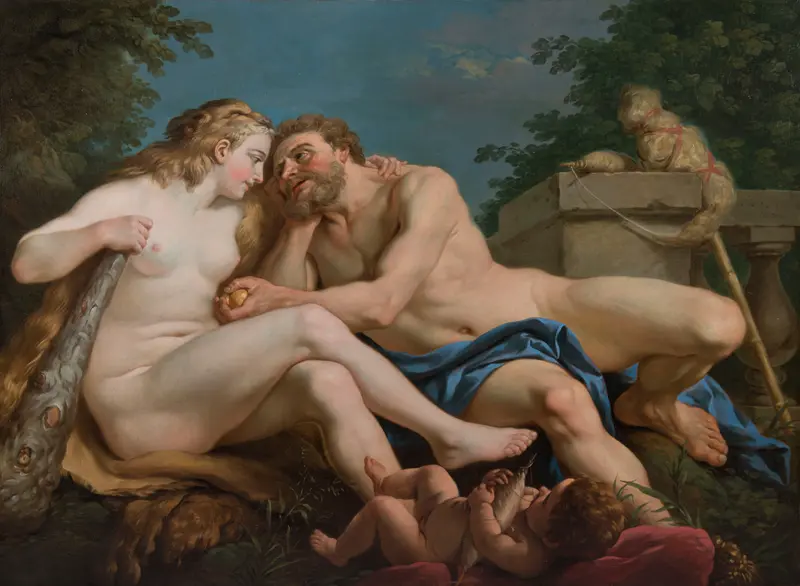
Herkules and Omphale
Louis-Jean-François Lagrenée
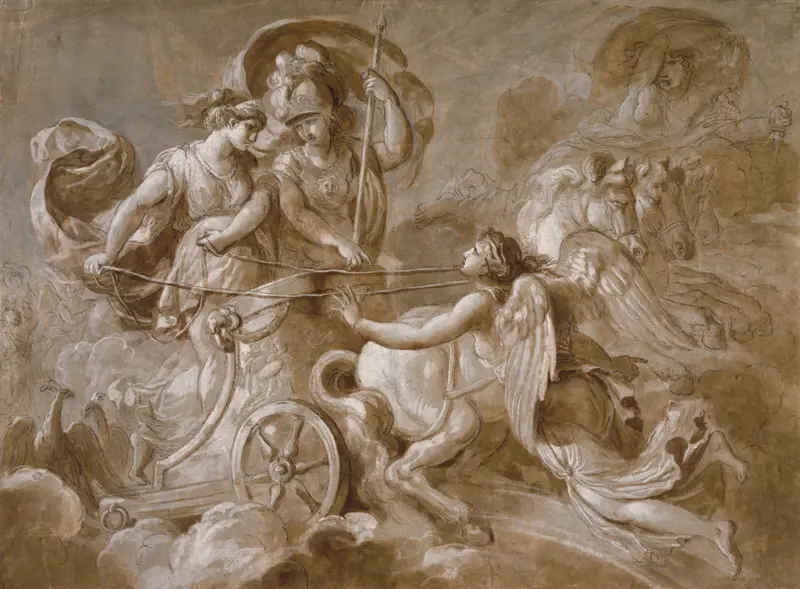
Iris Approaching Athena and Hera
Louis-Jean-François Lagrenée
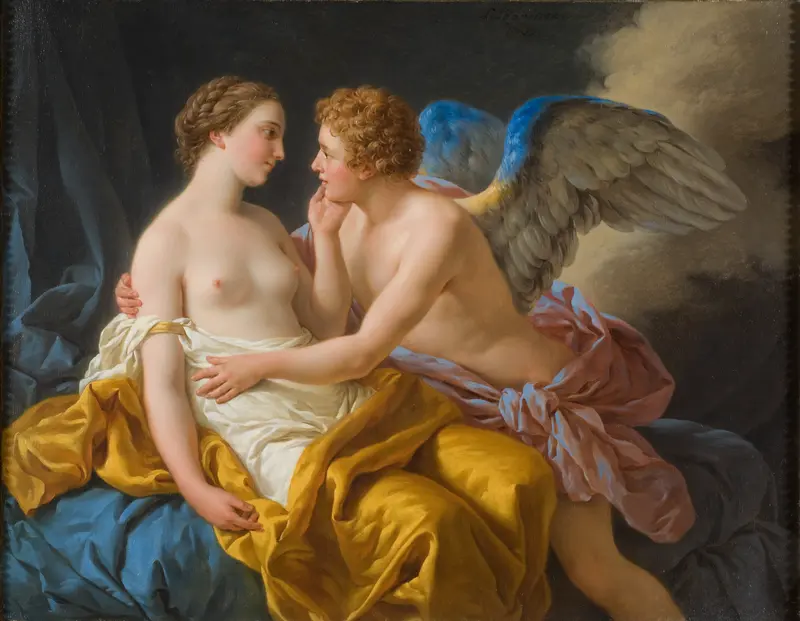
Cupid and Psyche
Louis-Jean-François Lagrenée
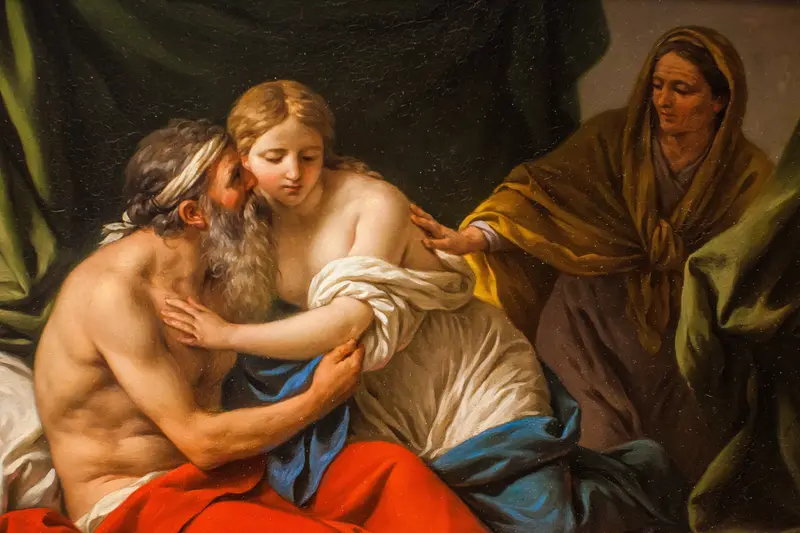
Sarah Presenting Hagar to Abraham
Louis-Jean-François Lagrenée
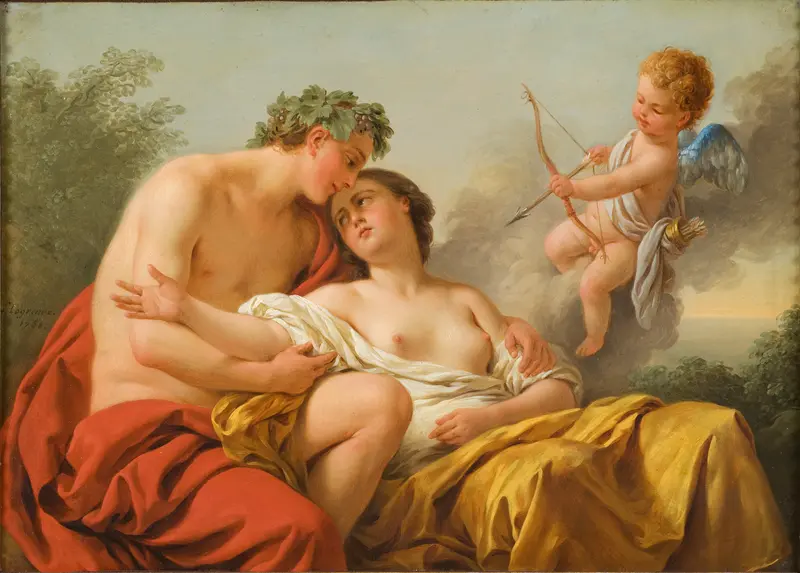
Bacchus and Ariadne
Louis-Jean-François Lagrenée
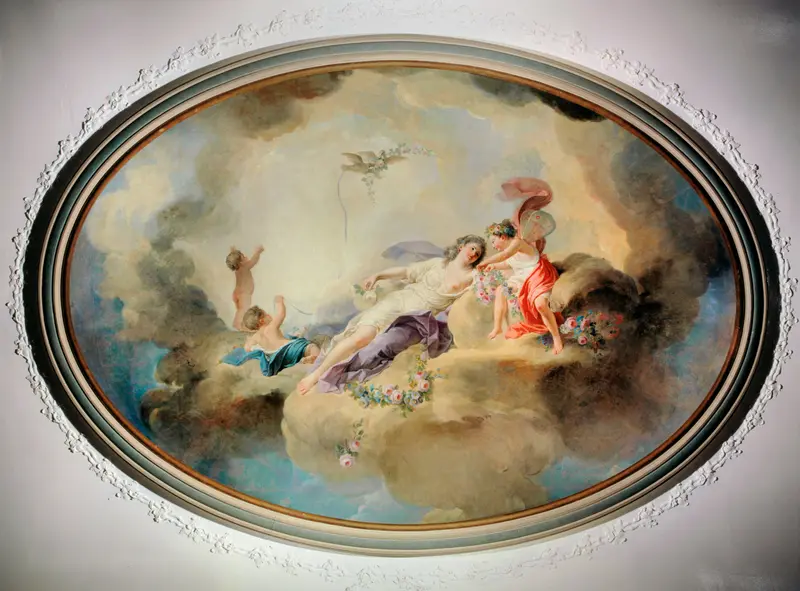
Louis Jean François Lagrenée Le triomphe de Flore P787 Musée Carnavalet
Louis-Jean-François Lagrenée
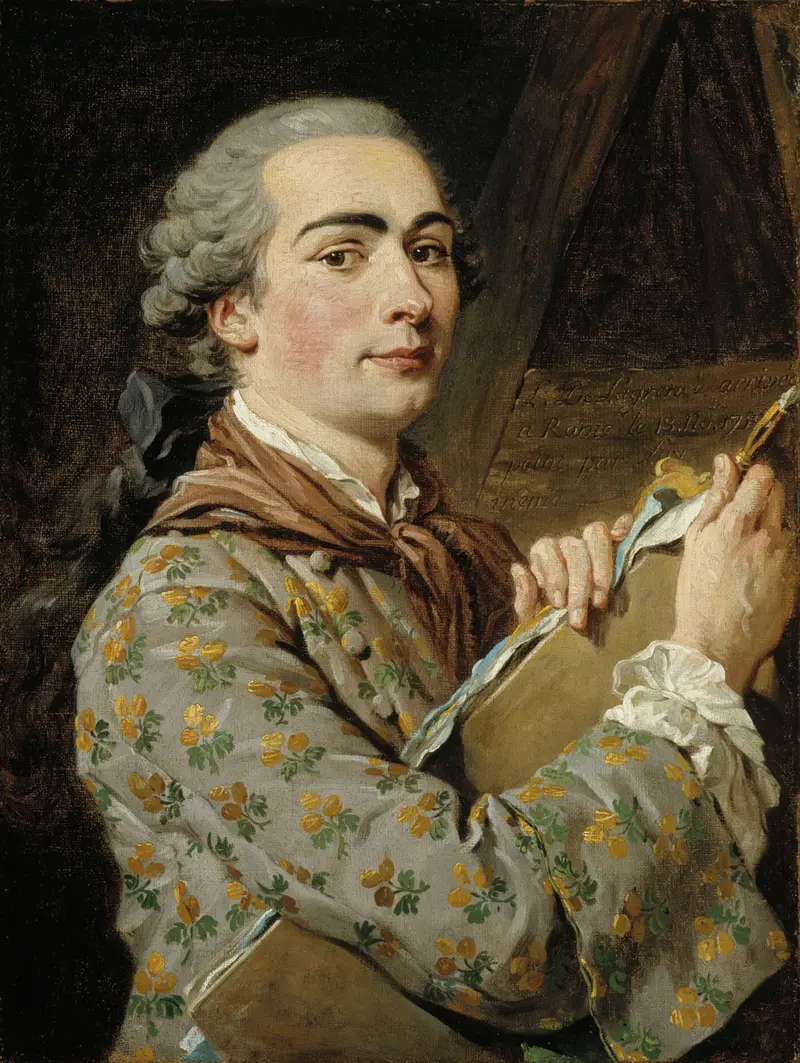
Self-Portrait
Louis-Jean-François Lagrenée
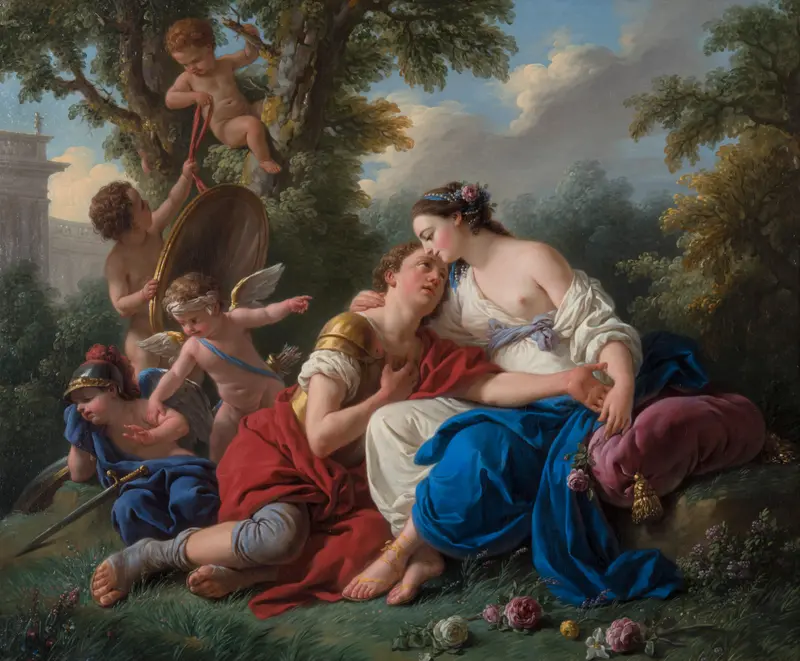
Rinaldo and Armida
Louis-Jean-François Lagrenée
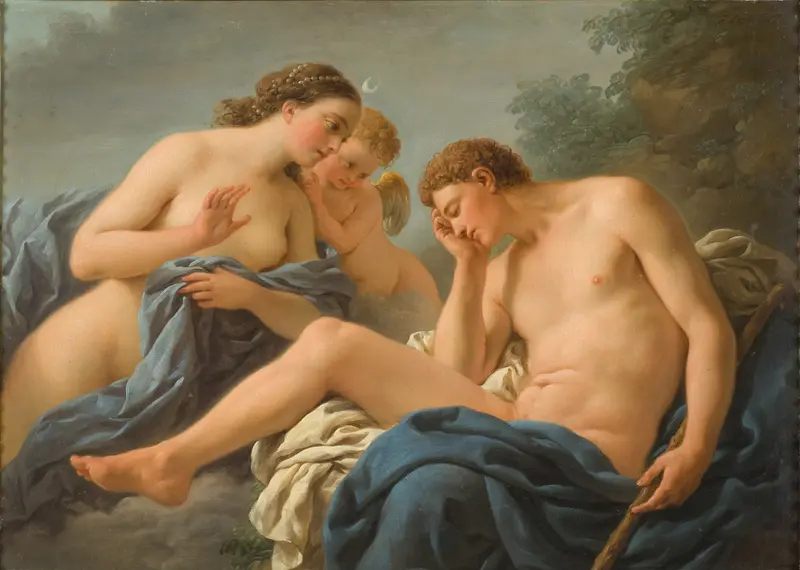
Diana and Endymion
Louis-Jean-François Lagrenée
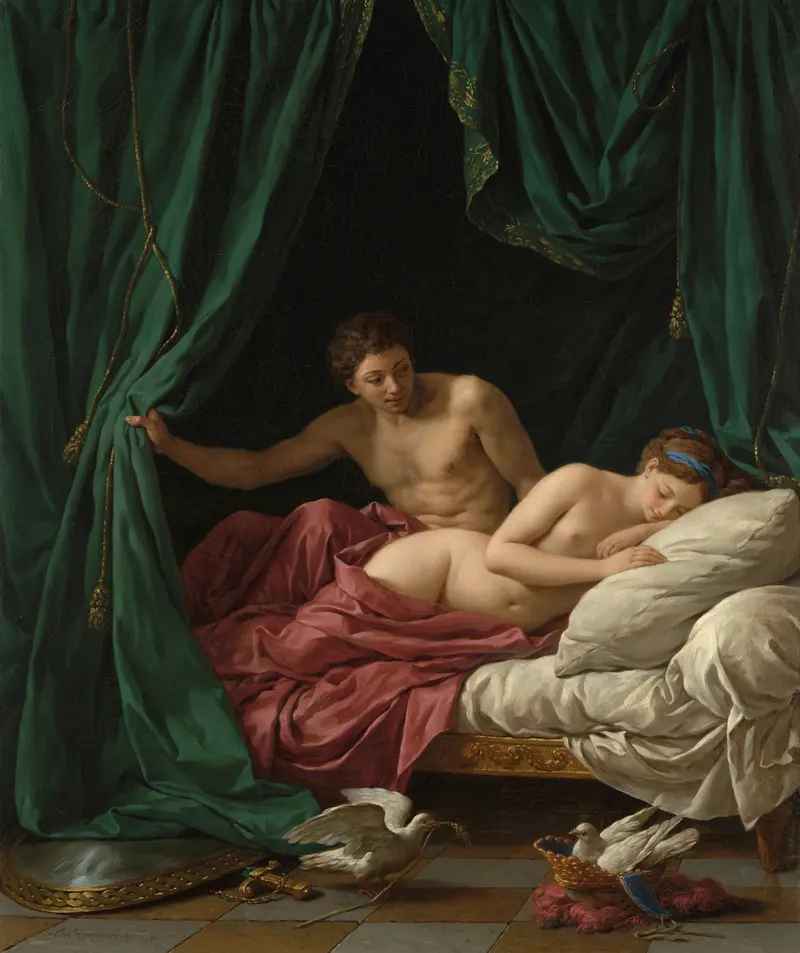
Mars and Venus, Allegory of Peace
Louis-Jean-François Lagrenée





