
Sarah Presenting Hagar to Abraham — History & Facts
A hush of tension and intimacy fills the scene, as three figures are drawn together in a moment that feels both tender and fraught. The painter guides our gaze with a masterful use of light, which falls most strongly on the young woman at the center—her bare shoulder and gentle, downcast eyes inviting both sympathy and curiosity. The older man’s grasp is gentle but firm, his weathered face turned toward her with a mixture of uncertainty and longing, while the woman standing behind, draped in earthy ochre, extends a hand in a gesture that hovers between encouragement and resignation.
The folds of fabric—crimson, blue, and olive—anchor each figure, while the dark, enveloping backdrop keeps our focus on their private drama. This is a scene about decisions and consequences, painted with a warmth that makes the viewer feel almost complicit in the exchange. Created in 1781 by Louis-Jean-François Lagrenée, this work belongs to a world where biblical and mythological stories were brought to life for a cultured audience hungry for both moral lessons and sensual beauty. In late eighteenth-century France, such paintings were often commissioned by private collectors or shown at salons, where the ability to convey psychological complexity within a familiar narrative was highly prized.
While little is recorded about the journey of this specific painting, its presence today—documented in a Flickr collection—reminds us how many works from this period survive outside the great museums, quietly carrying their stories forward. Look again at the hands, the glances, the careful choreography of bodies: each detail is a clue, left for us to decipher centuries later.
More Artworks by Louis-Jean-François Lagrenée
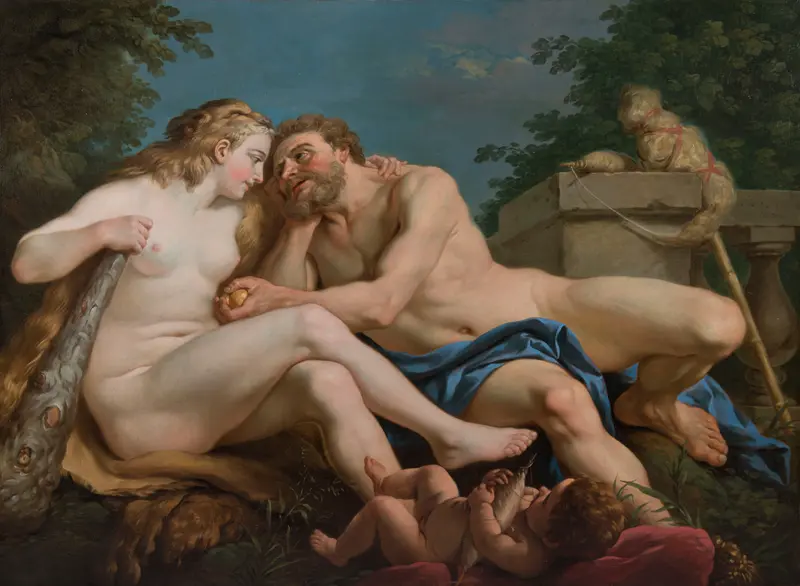
Herkules and Omphale
Louis-Jean-François Lagrenée
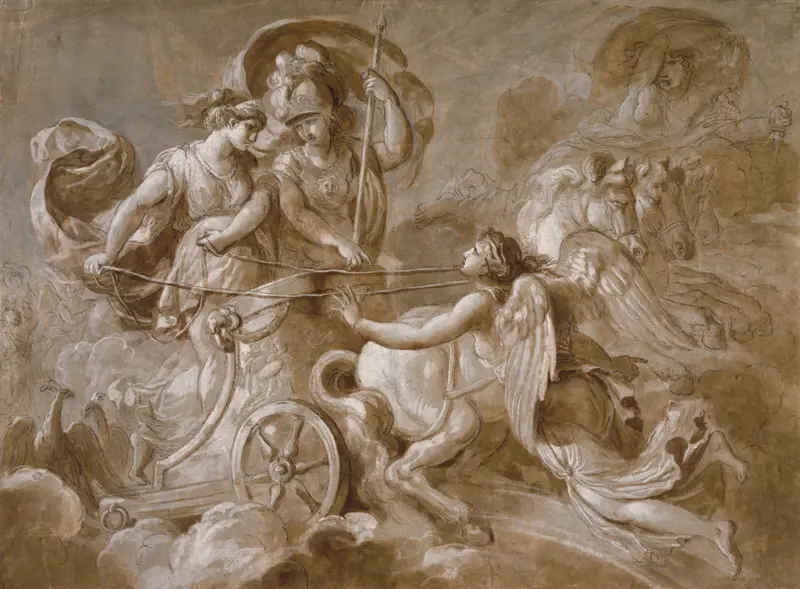
Iris Approaching Athena and Hera
Louis-Jean-François Lagrenée
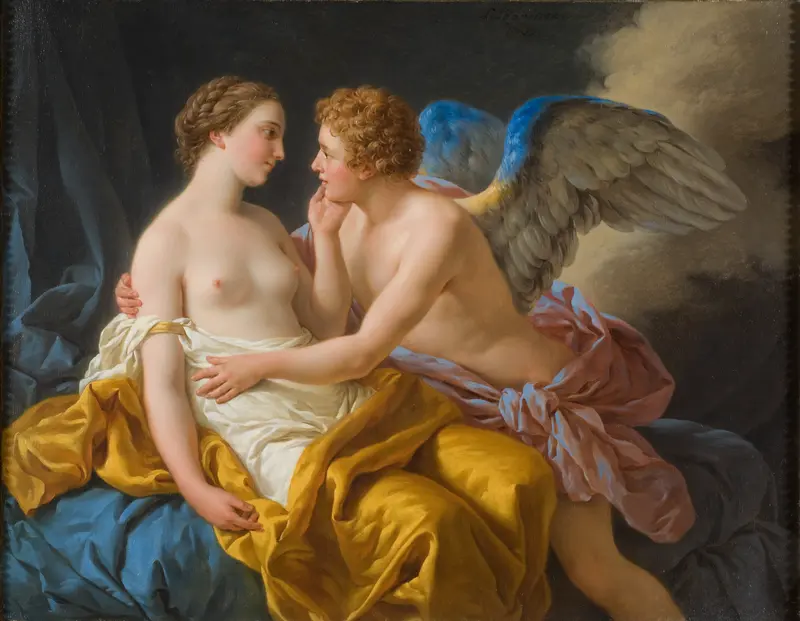
Cupid and Psyche
Louis-Jean-François Lagrenée
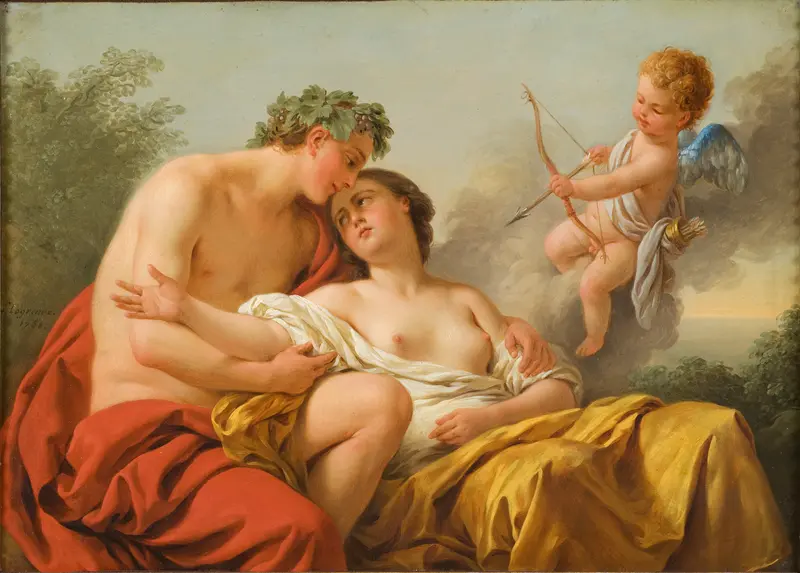
Bacchus and Ariadne
Louis-Jean-François Lagrenée
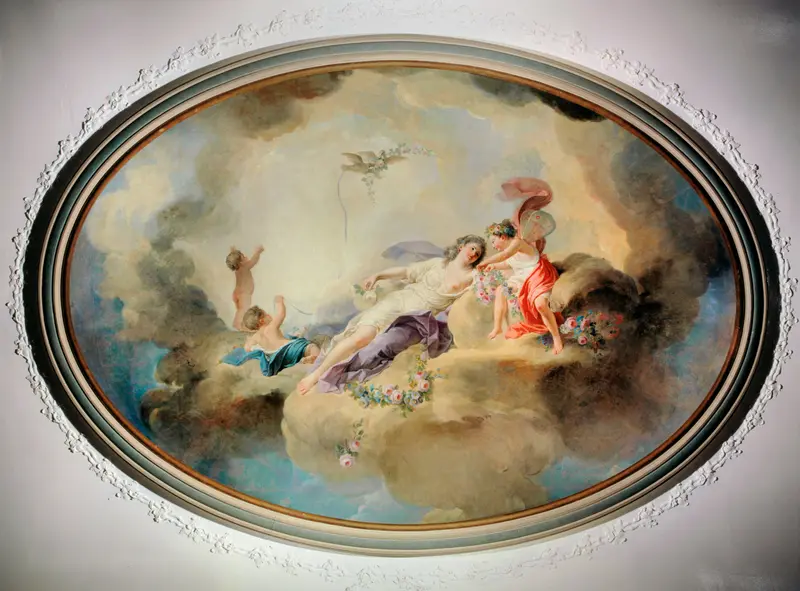
Louis Jean François Lagrenée Le triomphe de Flore P787 Musée Carnavalet
Louis-Jean-François Lagrenée
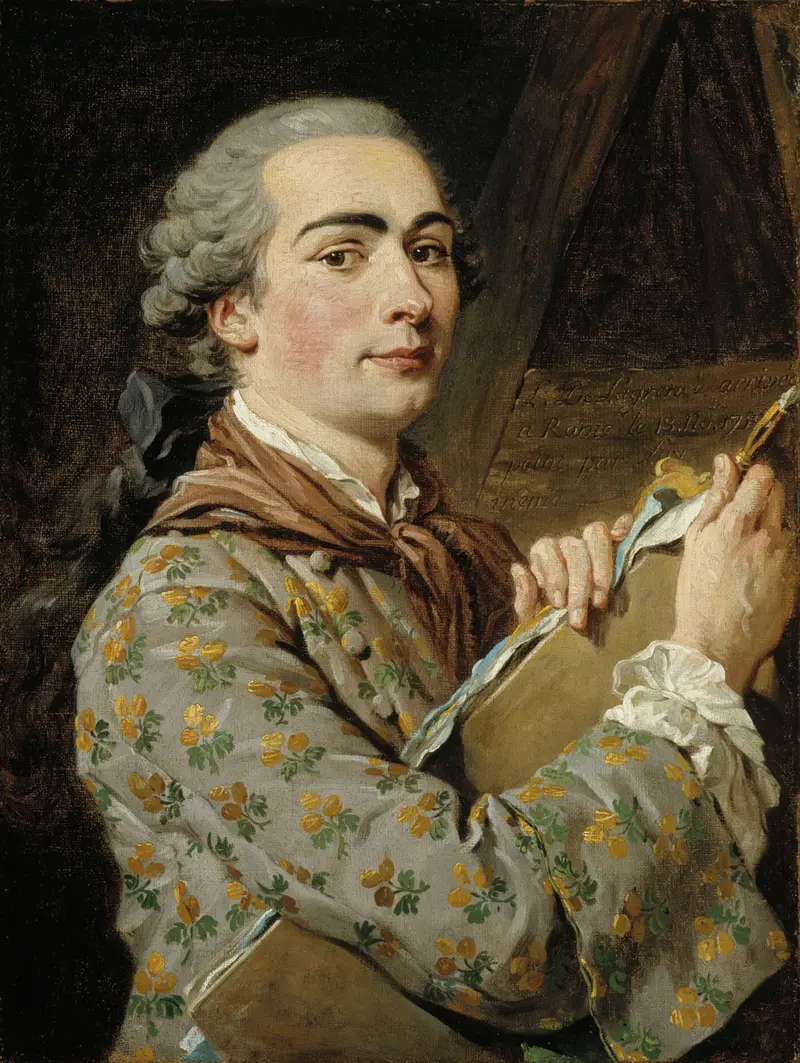
Self-Portrait
Louis-Jean-François Lagrenée
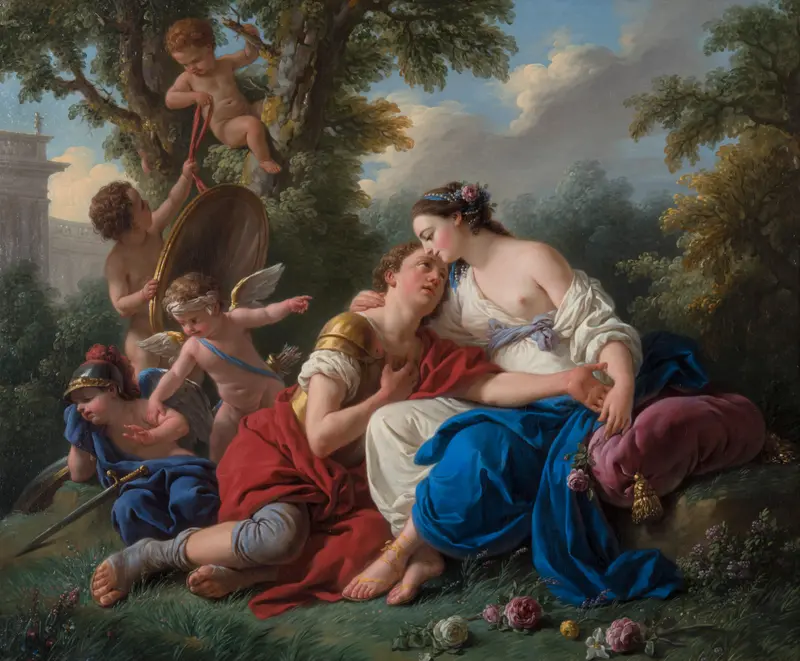
Rinaldo and Armida
Louis-Jean-François Lagrenée
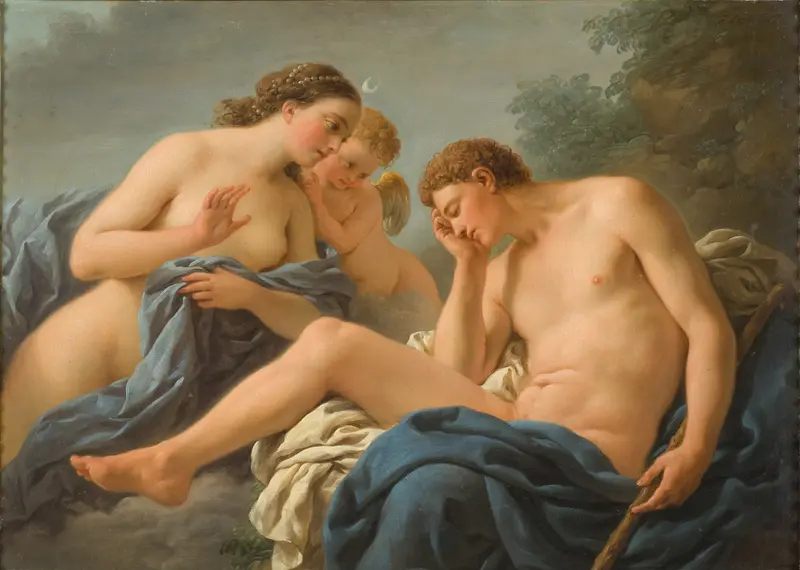
Diana and Endymion
Louis-Jean-François Lagrenée
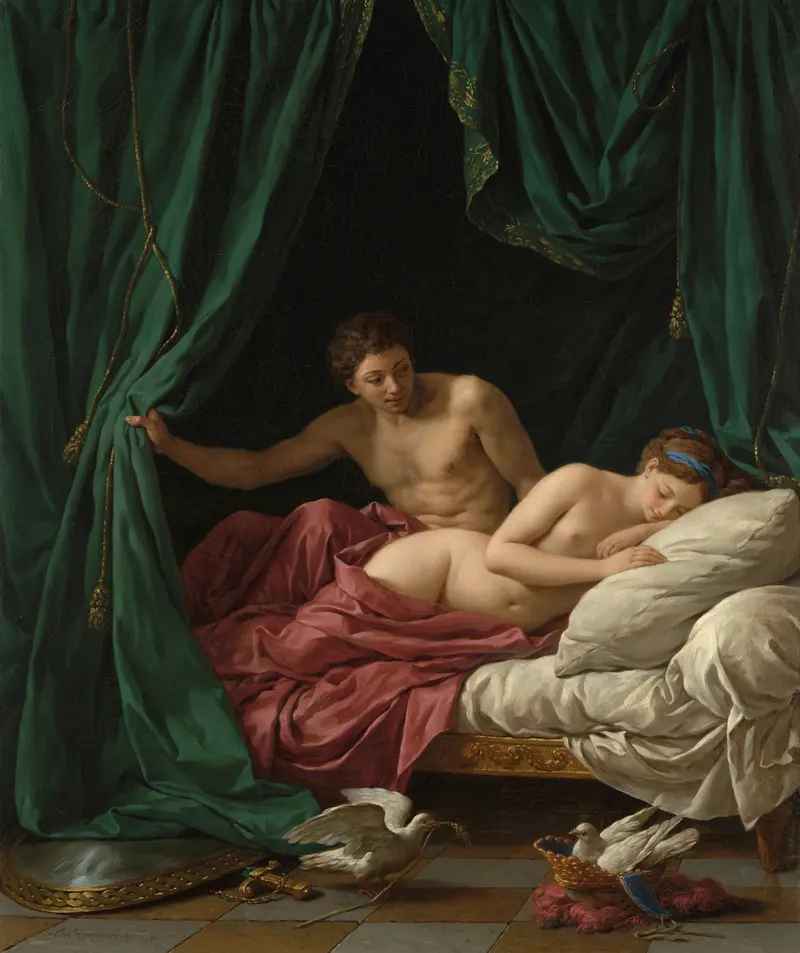
Mars and Venus, Allegory of Peace
Louis-Jean-François Lagrenée
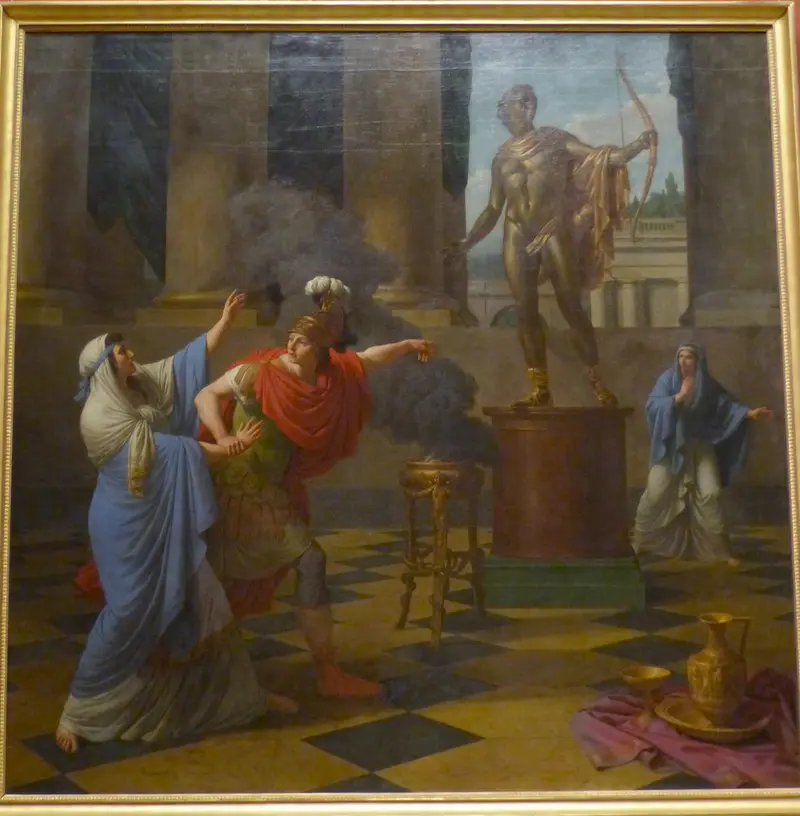
Alexander consulting the Oracle of Apollo
Louis-Jean-François Lagrenée





