
Feestmaal van Cleopatra — History & Facts
In the resplendent chaos of Feestmaal van Cleopatra, opulence breathes life into a moment fraught with tension—an exquisite portrayal of decadence that masks the turmoil beneath its gilded surface. As the eye wanders, the duality of pleasure and peril emerges, inviting contemplation of the fragility of beauty. Focus first on the lavish banquet table at the center, adorned with sumptuous dishes and rich fabrics that beckon the viewer closer. The vibrant reds and sumptuous golds evoke an atmosphere of indulgence, yet they also hint at underlying unrest.
Notice how the figures are captured mid-conversation, their gestures animated yet subtly discordant, with Cleopatra herself radiating a commanding presence that dominates the composition. As you delve deeper, the juxtaposition of joy and impending doom surfaces through intricate details. The lavishness surrounding Cleopatra contrasts sharply with the somber expressions of her attendants, suggesting a looming threat amid the feast. The chaotic arrangement of fruits and wine spills hints at the precarious nature of excess, while the shimmering light dances upon the characters, blurring lines between reality and illusion.
This delicate balance captures the essence of fleeting beauty, revealing how chaos simmers beneath the surface. Painted between 1675 and 1680, this work emerged during a time when Gerard de Lairesse was navigating the complexities of artistic ambition in the Netherlands. As he sought to elevate the status of painting through grand historical themes, the world around him was filled with political intrigue and social upheaval. Thus, this artwork serves not only as a celebration of beauty but also as a reflection of the turbulence of its era, weaving together the personal and the universal.
More Artworks by Gerard de Lairesse
Browse all →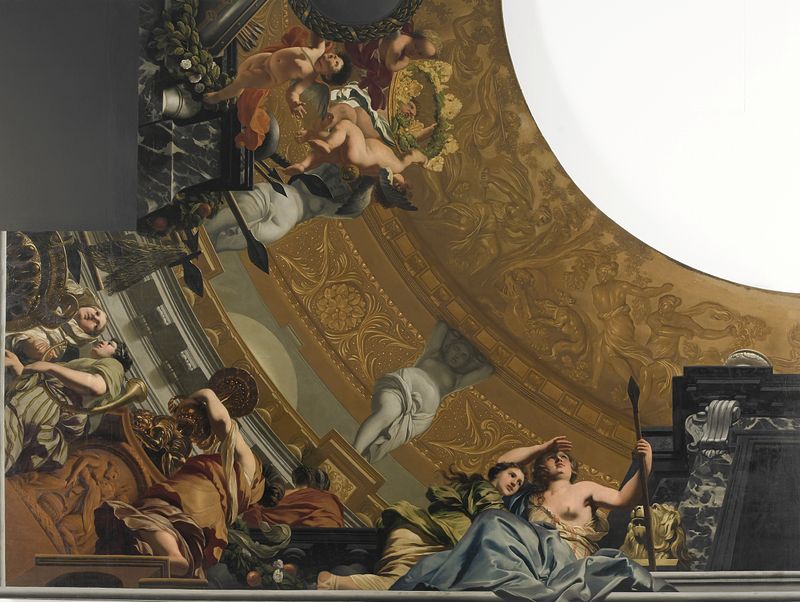
Ceiling painting with Diana and her companions
Gerard de Lairesse

Allegory of Fame
Gerard de Lairesse
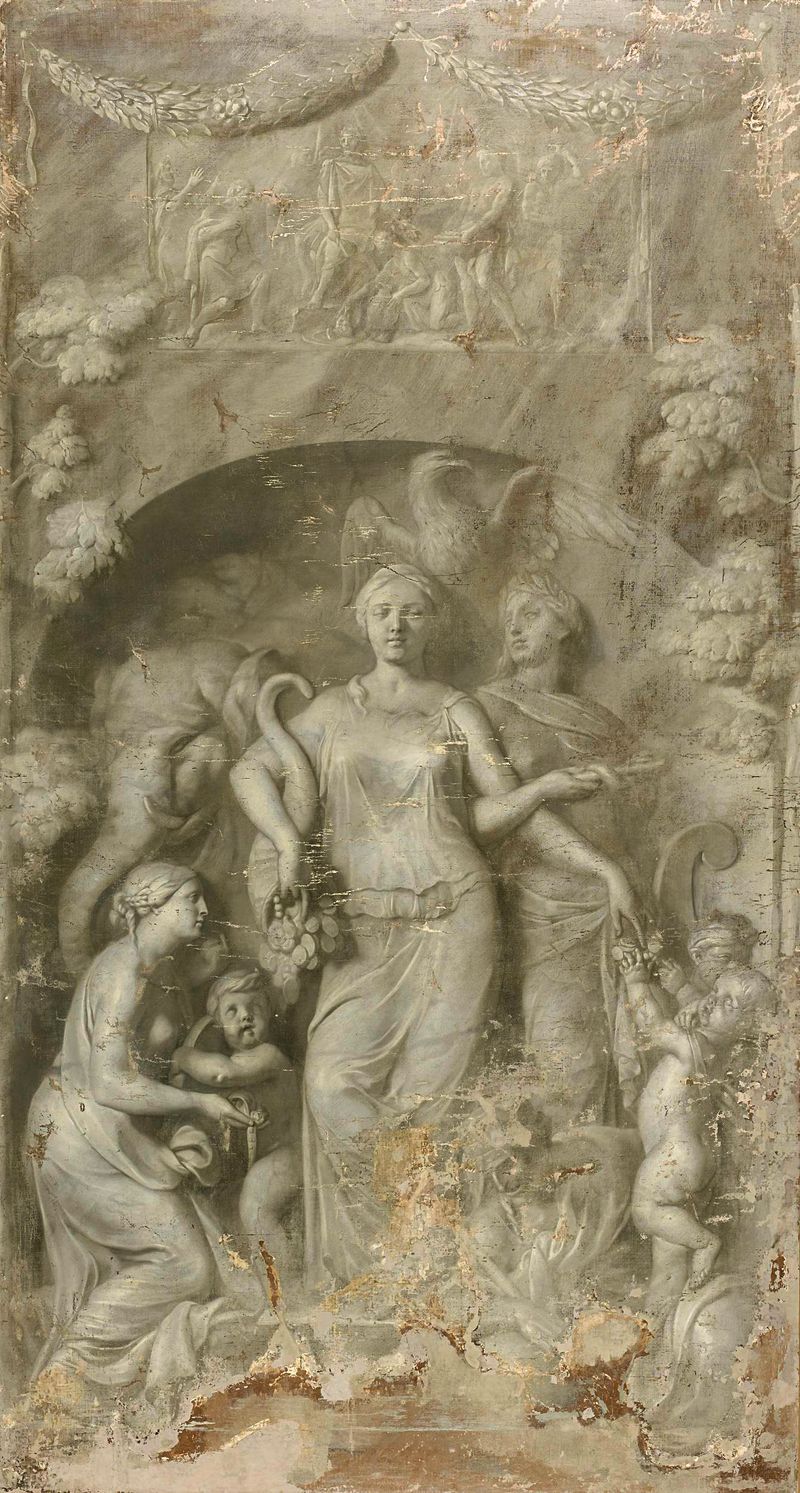
Allegory of Charity
Gerard de Lairesse

Allegory of Dawn
Gerard de Lairesse
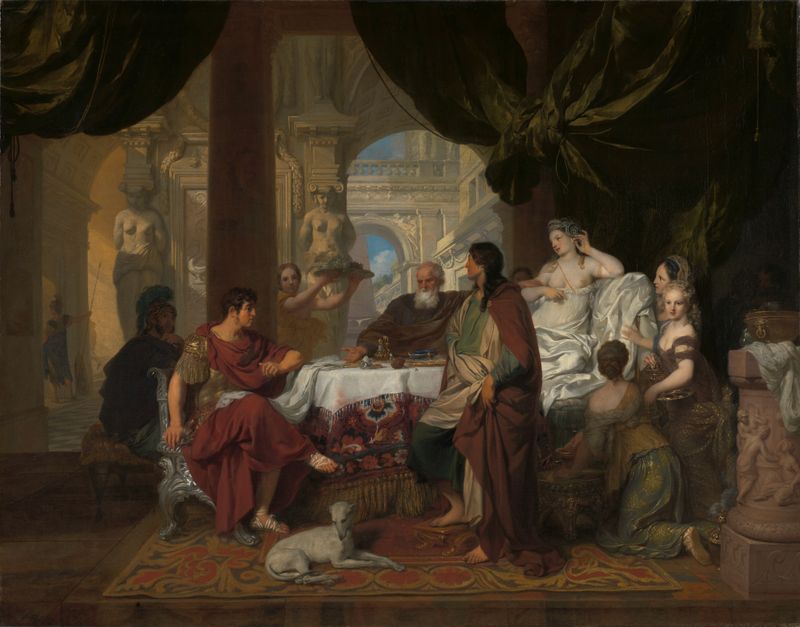
Cleopatra’s Banquet
Gerard de Lairesse
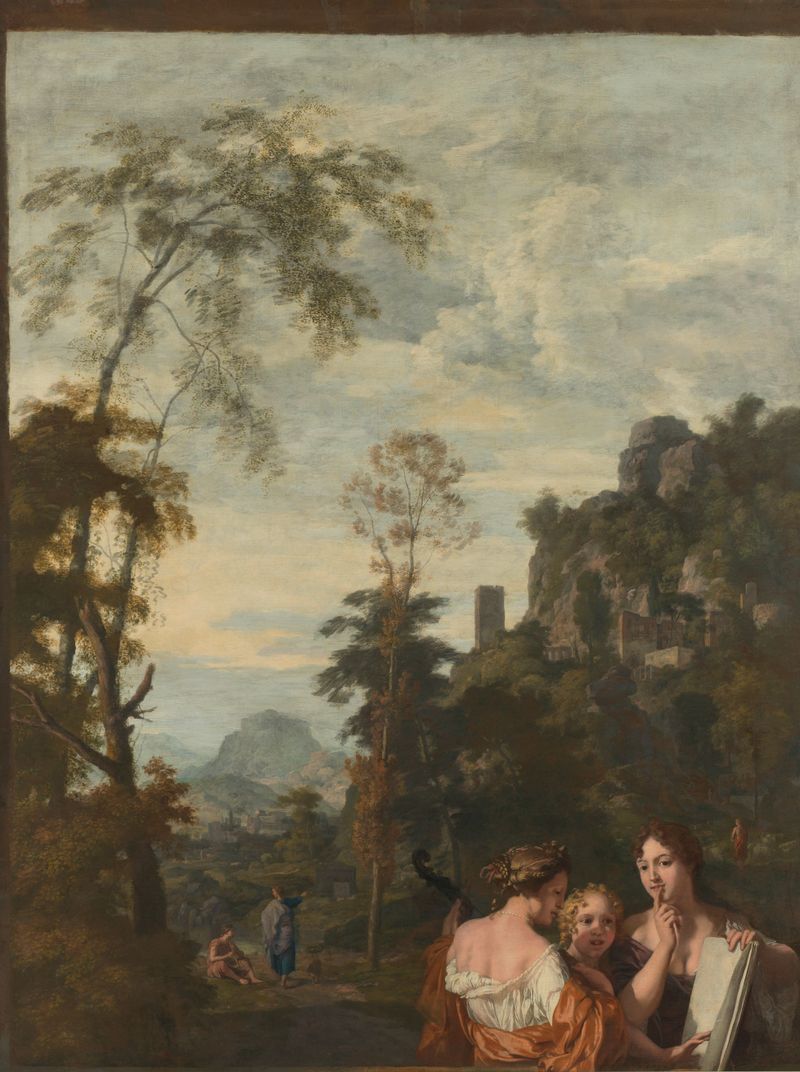
Italian Landscape with three Women Making Music
Gerard de Lairesse
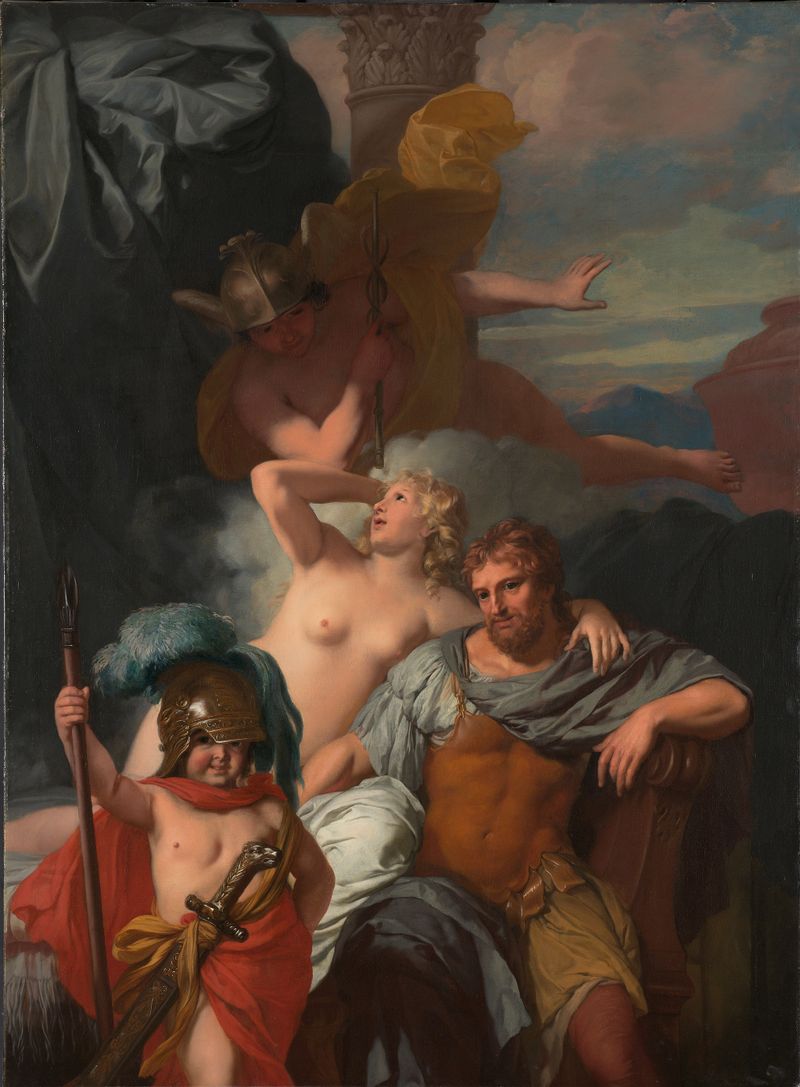
Mercury Ordering Calypso to Release Odysseus
Gerard de Lairesse
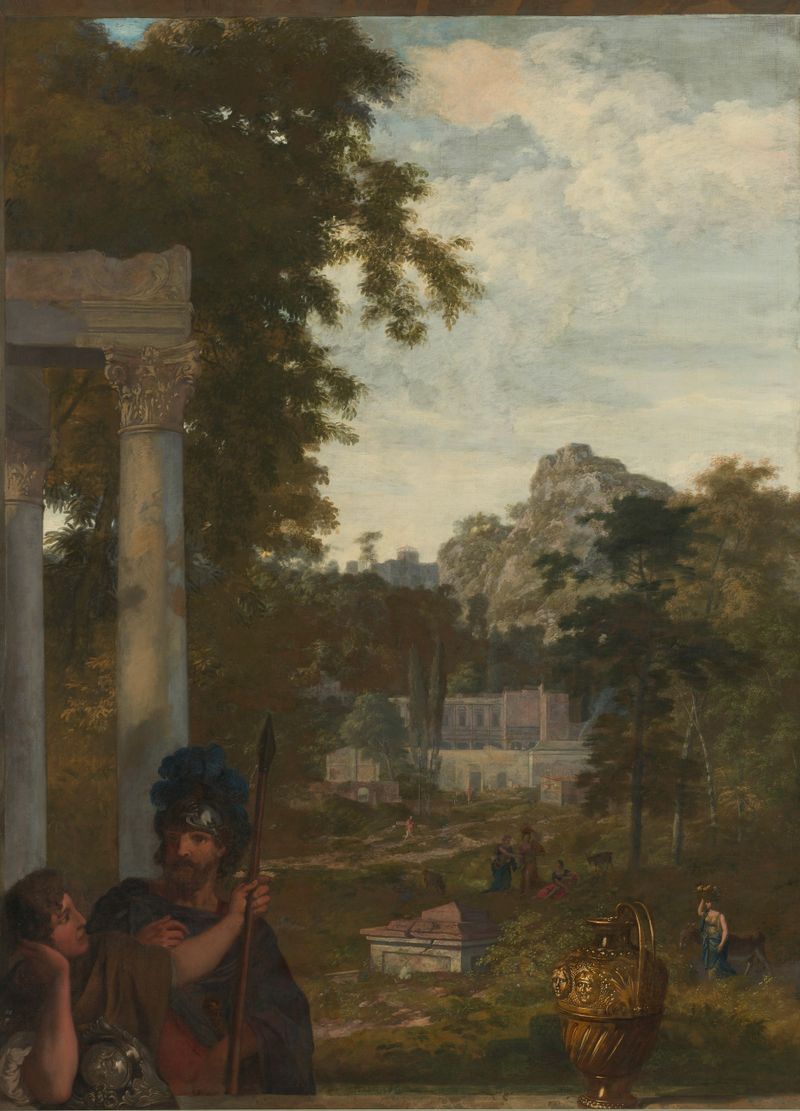
Italian Landscape with two Roman Soldiers
Gerard de Lairesse
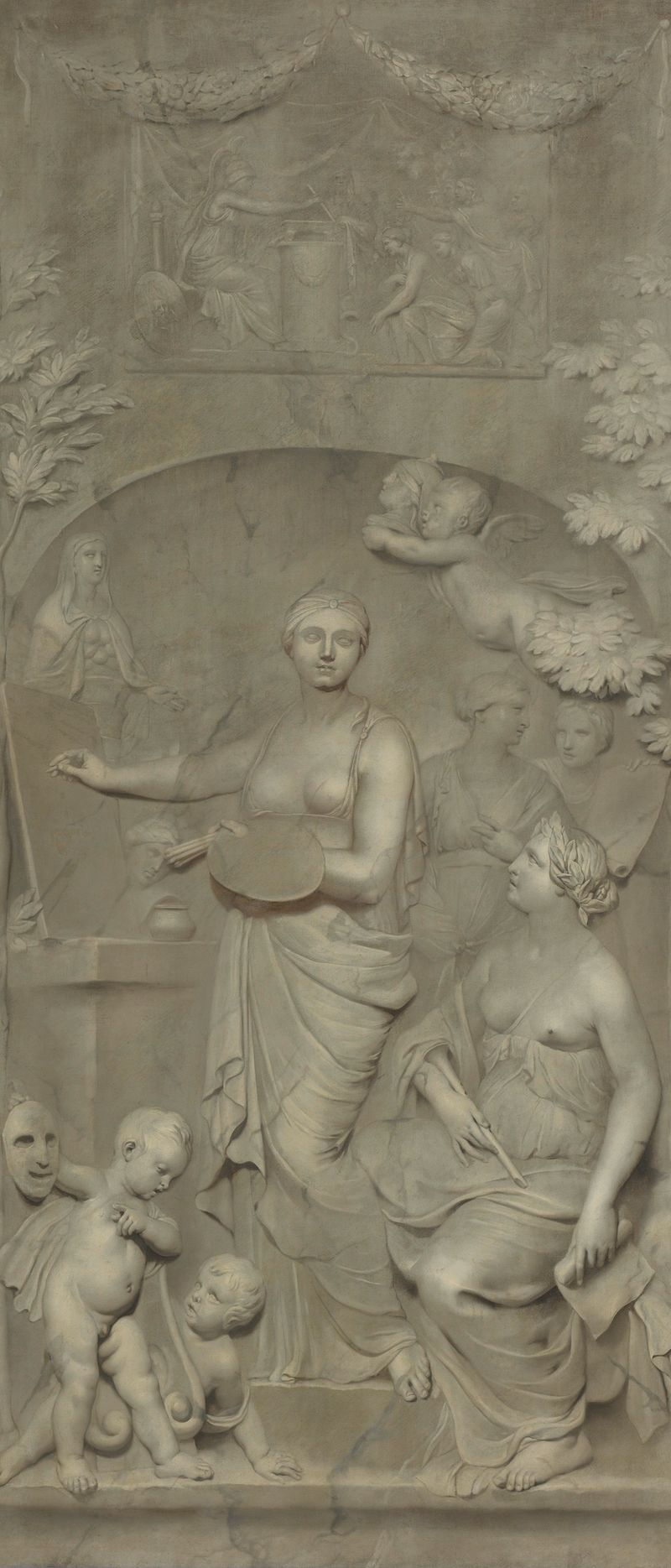
Allegory of the Arts
Gerard de Lairesse

Selene and Endymion
Gerard de Lairesse
More Historical Art
Browse all →
The Night Watch Militia Company of District II under the Command of Captain Frans Banninck Cocq
Rembrandt van Rijn

Lincoln Memorial
Henry Bacon

The Third of May 1808
Francisco de Goya

Isaac and Rebecca, Known as ‘The Jewish Bride’
Rembrandt van Rijn

The Charge of the Mamelukes (1814)
Francisco de Goya

De vier ruiters van de apocalyps
Albrecht Dürer