
Allegory of human life — History & Facts
In Allegory of Human Life, Godfried Schalcken presents a rich tapestry of colors, predominantly deep browns and golds. The painting features figures that symbolize different stages of life, surrounded by objects that represent mortality. The setting is intimate, with a dark background that enhances the luminous quality of the figures.
Light plays a crucial role, illuminating the faces and gestures of the characters, drawing the viewer's attention to their expressions. This artwork is executed in oil on panel, a medium that allows for fine detail and rich texture. The dimensions are approximately 60 x 80 cm, making it a medium-sized painting that invites close inspection. The brushwork is meticulous, with a focus on chiaroscuro to create depth and volume in the figures.
The use of light and shadow is characteristic of the Dutch Golden Age, enhancing the dramatic effect of the scene. Godfried Schalcken was known for his ability to capture light and shadow, often focusing on themes of mortality and the passage of time. This particular work, Allegory of Human Life, reflects the artist's interest in the fleeting nature of existence. An interesting fact about this painting is that it was likely created during a time when allegorical works were popular in Dutch art, serving both as a moral lesson and a visual feast for the viewer.
More Artworks by Godfried Schalcken

Young Man and Woman Studying a Statue of Venus, by Lamplight
Godfried Schalcken

Portrait of an Artist in His Studio
Godfried Schalcken
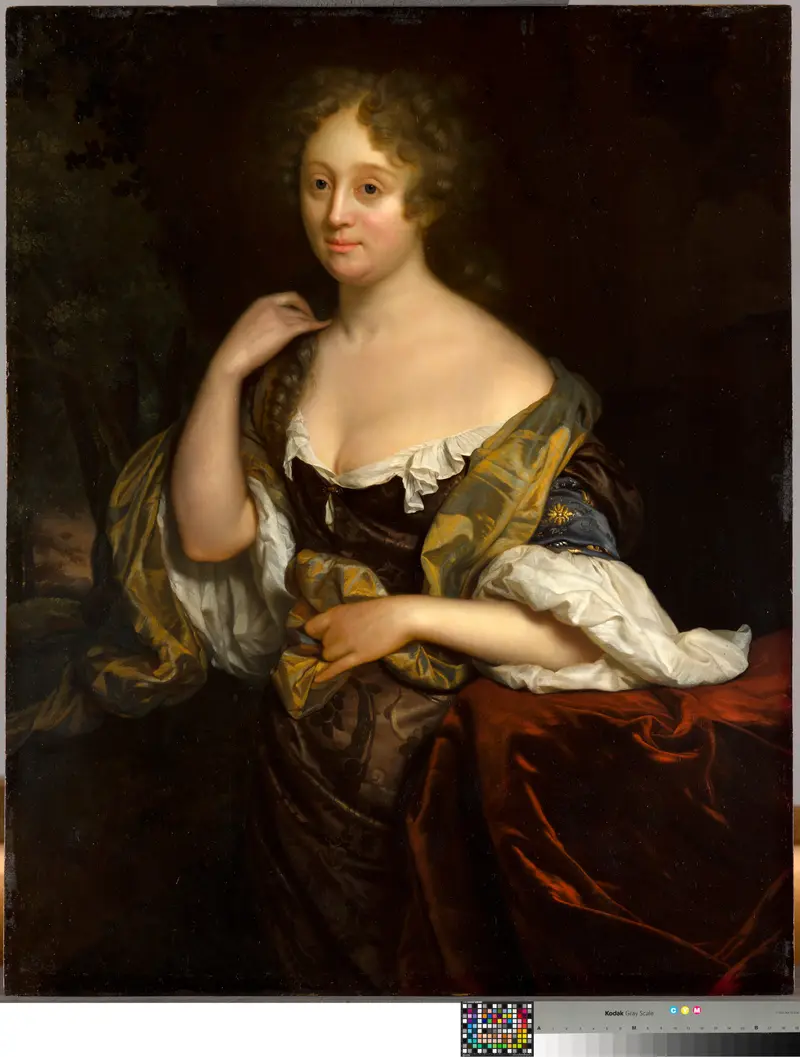
Portrait of Isabella Agneta Deutz
Godfried Schalcken
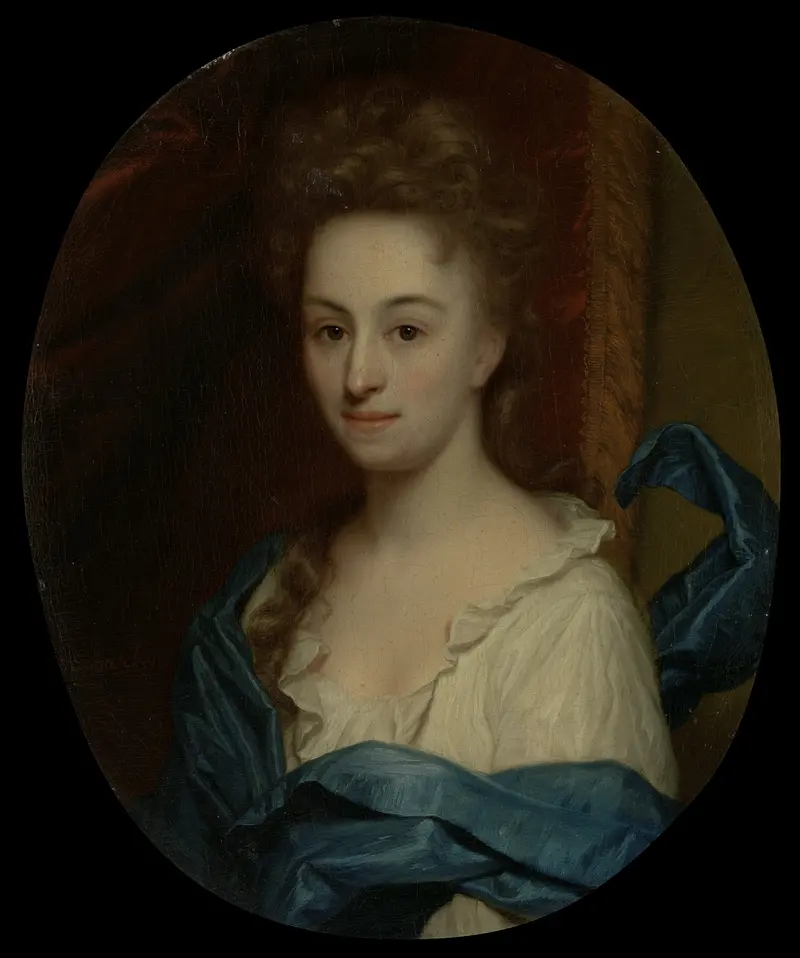
Portrait of Josina Clara van Citters (1671-1753), daughter of Josina Parduyn
Godfried Schalcken
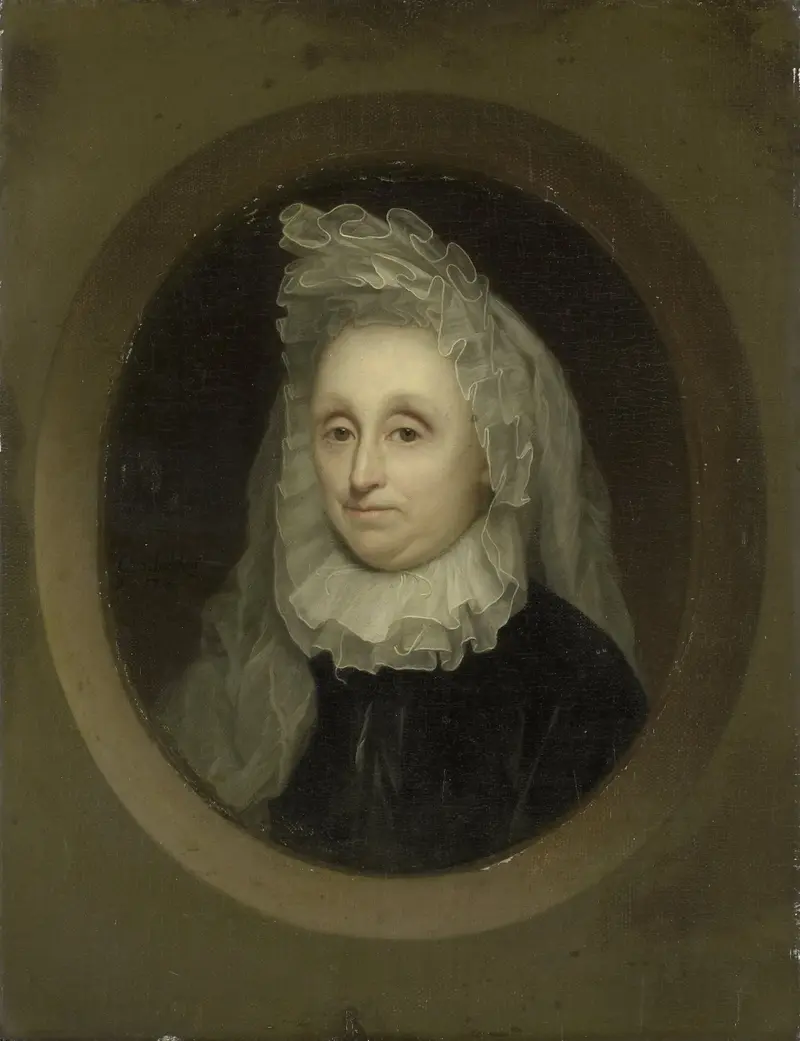
Portrait of Josnia Parduyn (1642-1718), second wife of Aernout van Citters
Godfried Schalcken
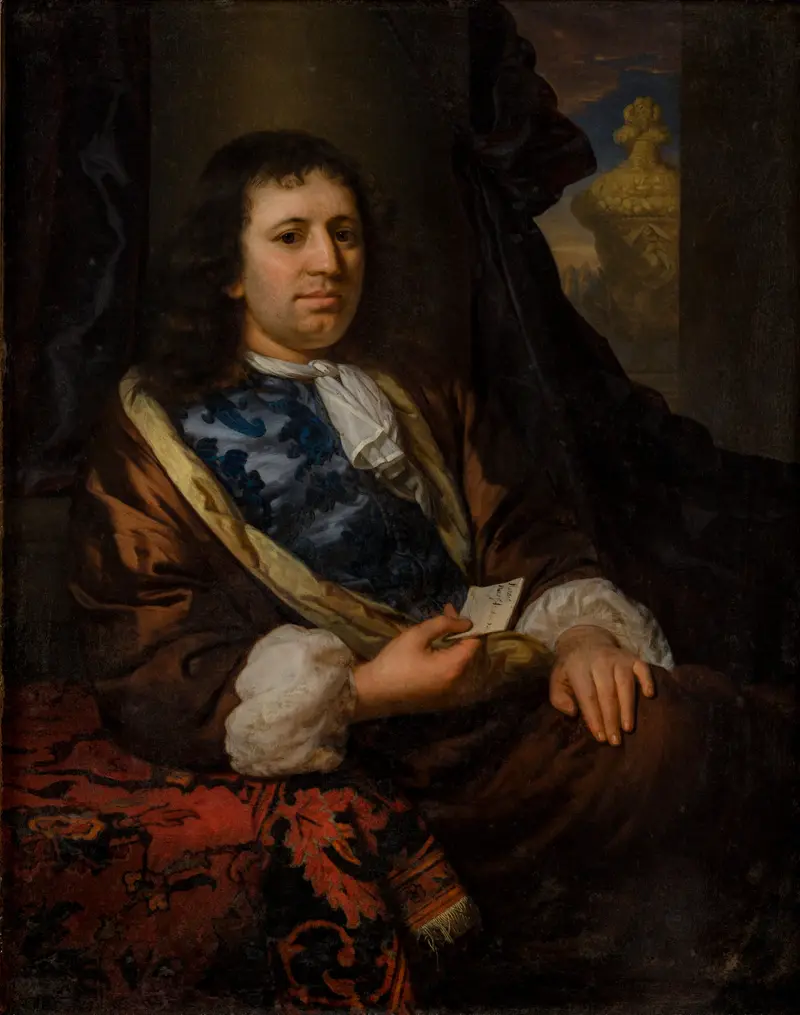
Portret van Johan de Bruin (1678-
Godfried Schalcken
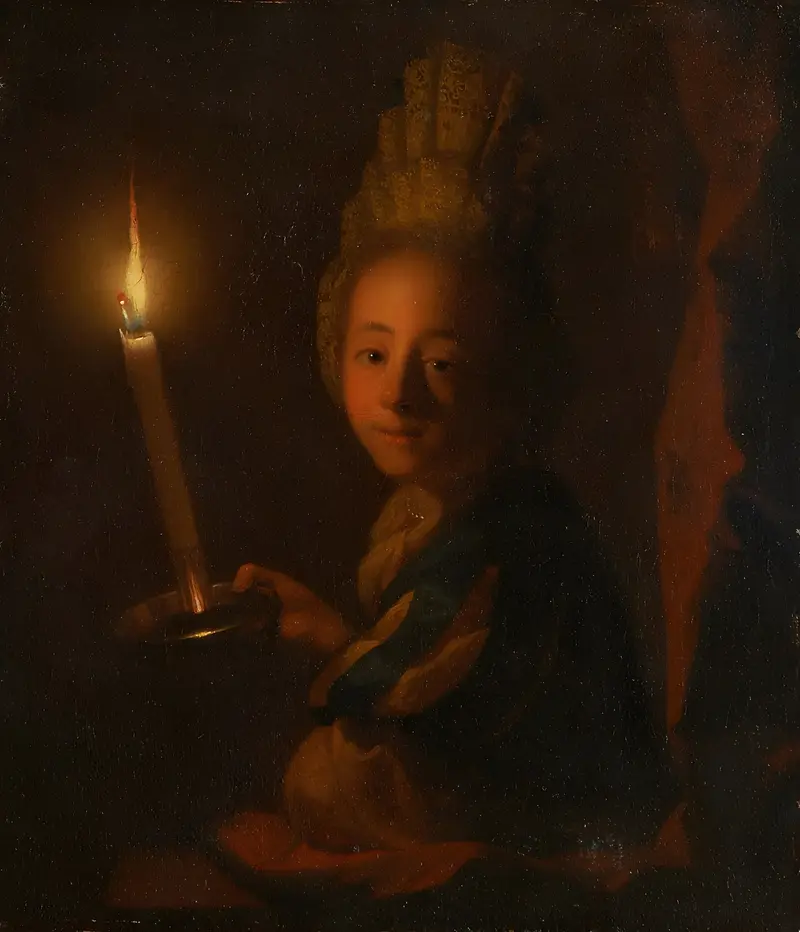
Girl with Burning Candle
Godfried Schalcken
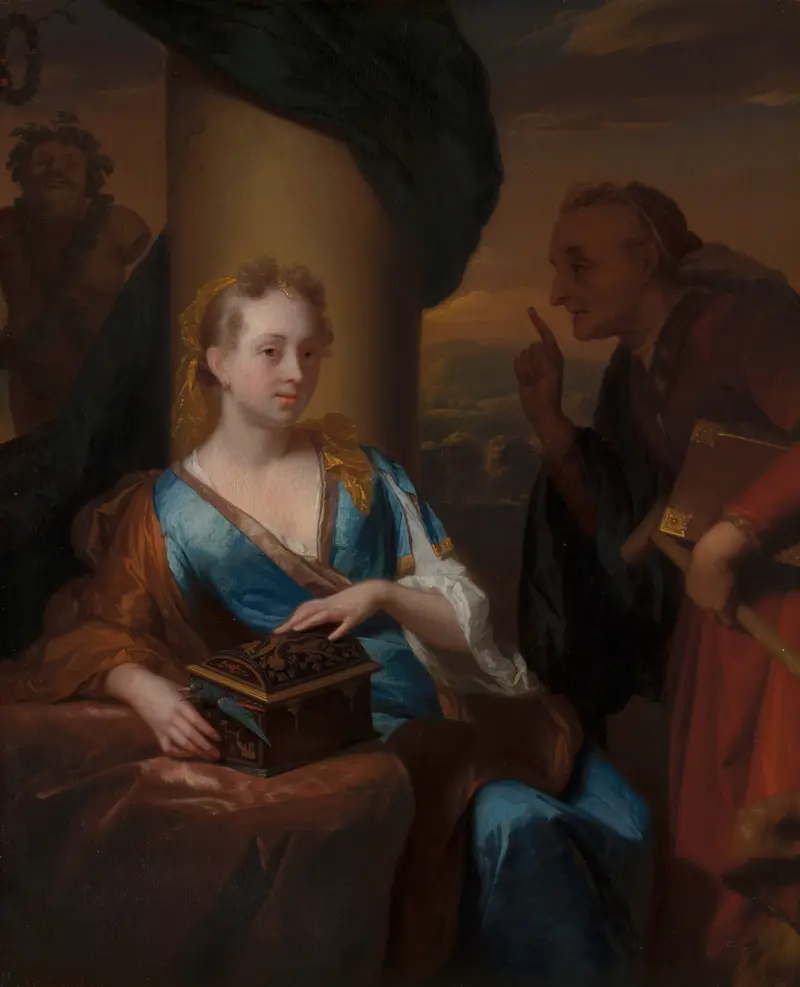
A Useless Moral Lesson
Godfried Schalcken
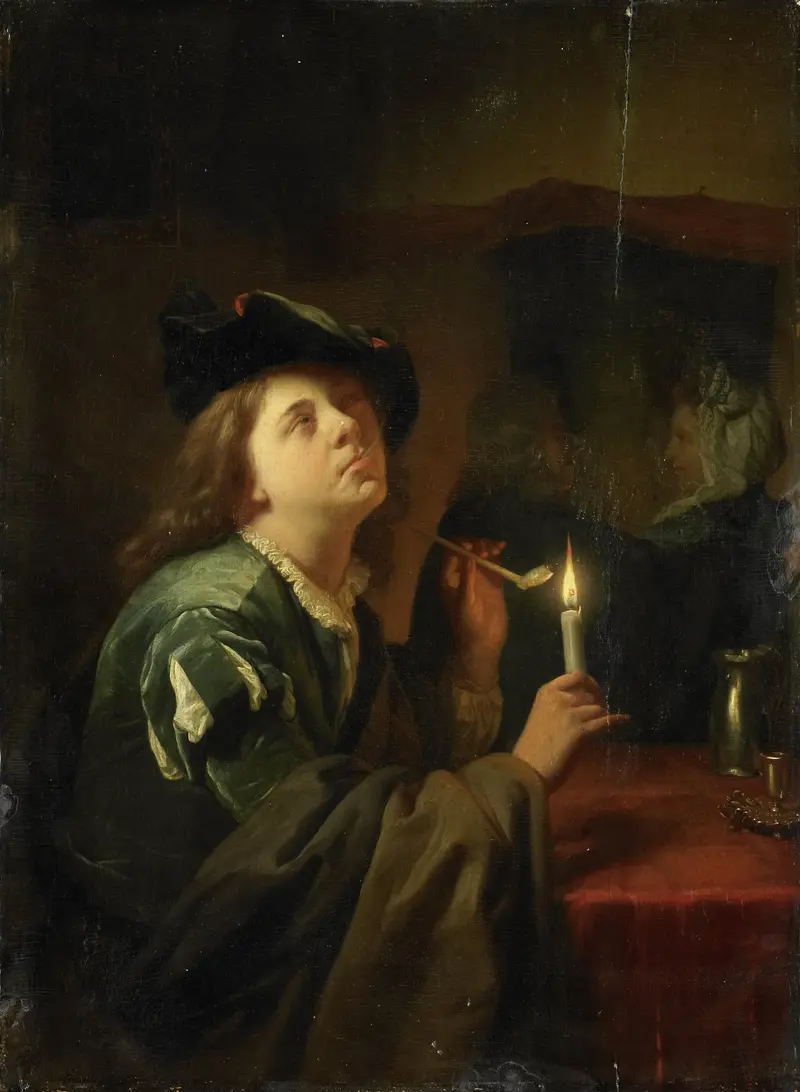
‘Differing tastes’
Godfried Schalcken
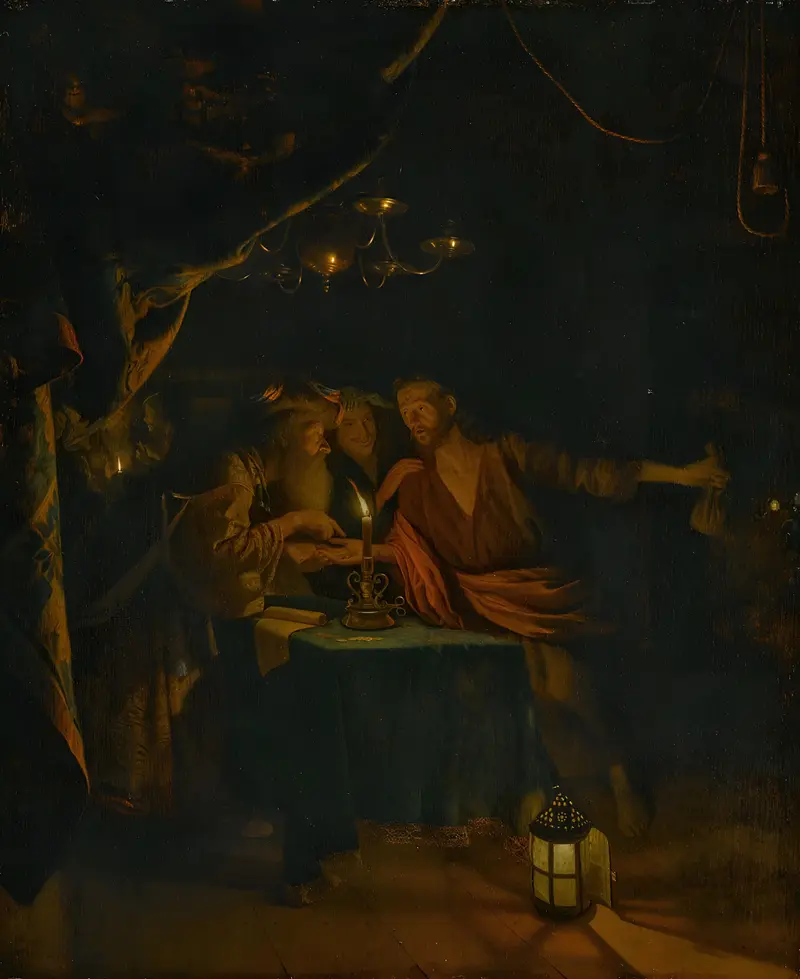
The betrayal of Judas
Godfried Schalcken





