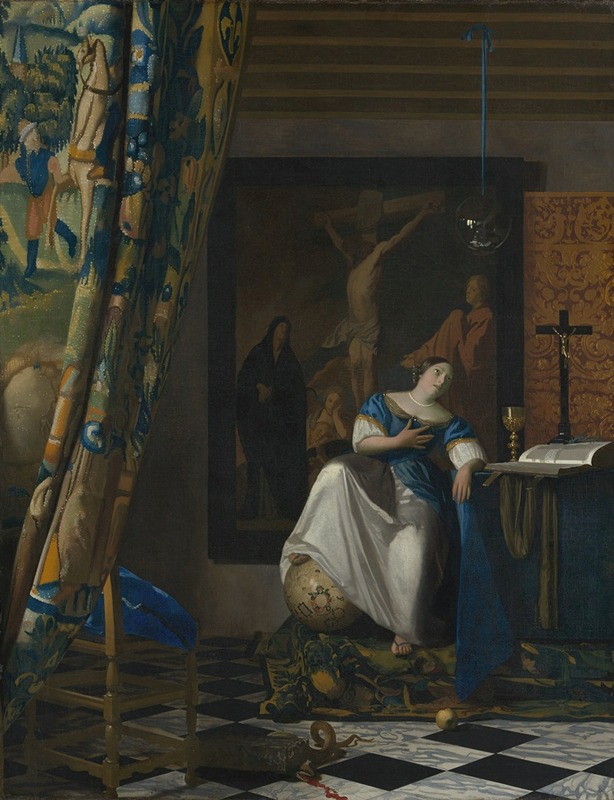
Allegory of Riches — History & Facts
In Allegory of Riches, the viewer is drawn into a world where wealth is not merely material but a transformative force, embodying both allure and peril. Here, opulence transcends the ordinary, inviting contemplation of what it means to possess and be possessed by fortune. Look to the center of the canvas, where golden drapery cascades like a waterfall, shimmering in tones of yellow and amber. Notice the carefully arranged figures, their expressions a delicate balance between delight and trepidation.
The artist employs chiaroscuro, casting soft shadows that dance across their features, enhancing the tension of the moment. The lavish textures, from the gleaming fabrics to the intricate details of the objects, draw the eye and serve as a reminder of the fragility of abundance. Beneath the surface, the painting speaks to the duality of wealth—its promise of joy intertwined with the potential for greed and despair. The contrasting figures, one reveling in riches while the other gazes pensively, encapsulate the moral quandaries that accompany affluence.
Small details, like the scattered coins and the wilted flowers, suggest the fleeting nature of success and the price of excess, offering a powerful meditation on the human condition. Gerard de Lairesse created Allegory of Riches between 1675 and 1683 during a time when the Dutch Golden Age was at its zenith. As a prominent painter and theorist, he sought to elevate the genre of allegorical painting. This work reflects not only his artistic ambition but also the societal values of an era marked by wealth accumulation and the philosophical debates surrounding it.
More Artworks by Gerard de Lairesse
Browse all →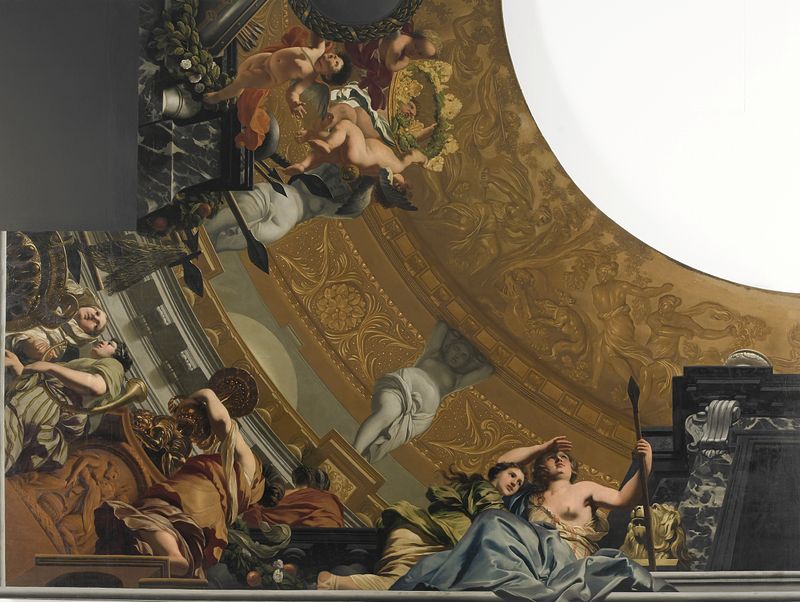
Ceiling painting with Diana and her companions
Gerard de Lairesse

Allegory of Fame
Gerard de Lairesse
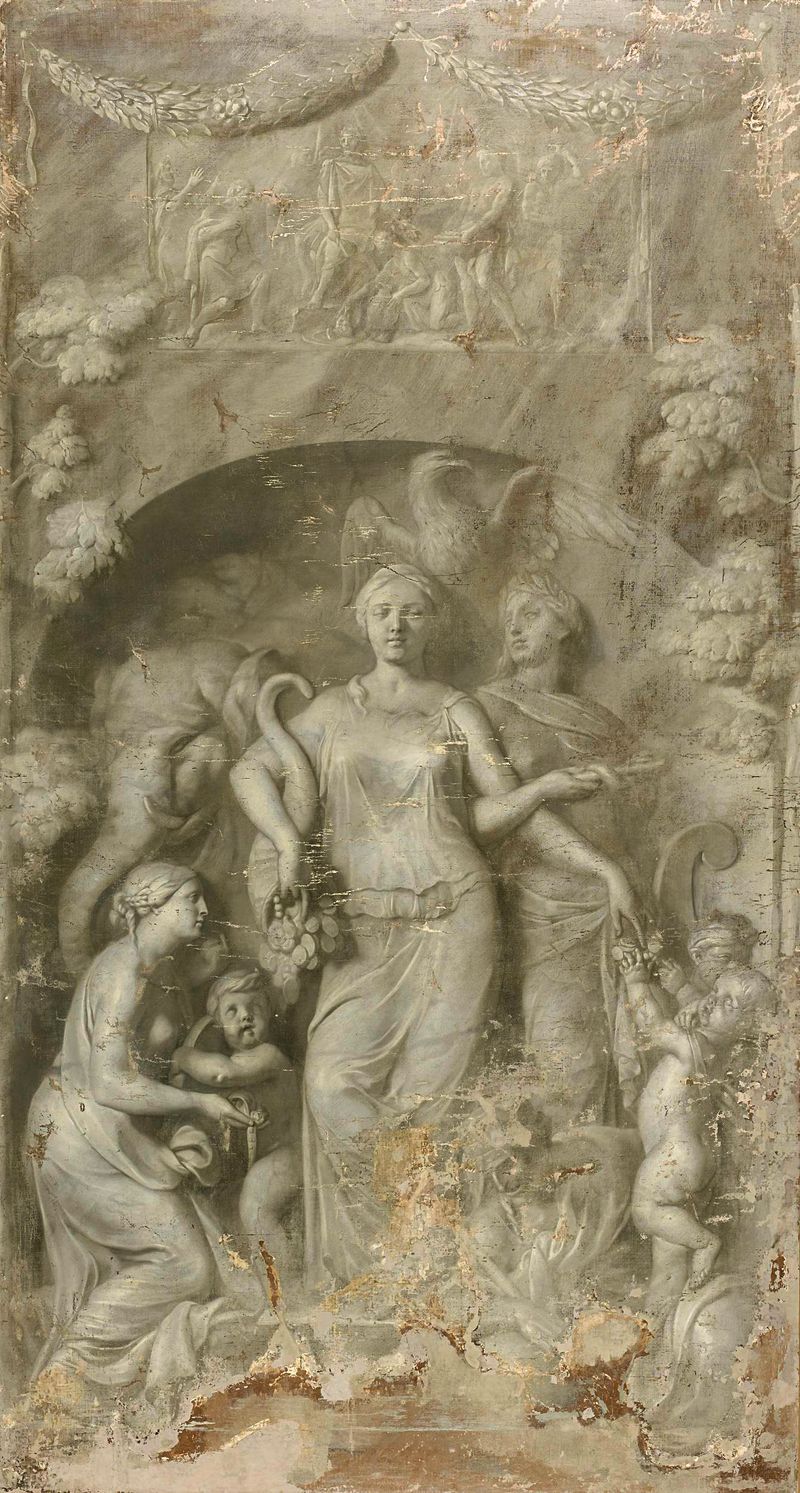
Allegory of Charity
Gerard de Lairesse

Allegory of Dawn
Gerard de Lairesse
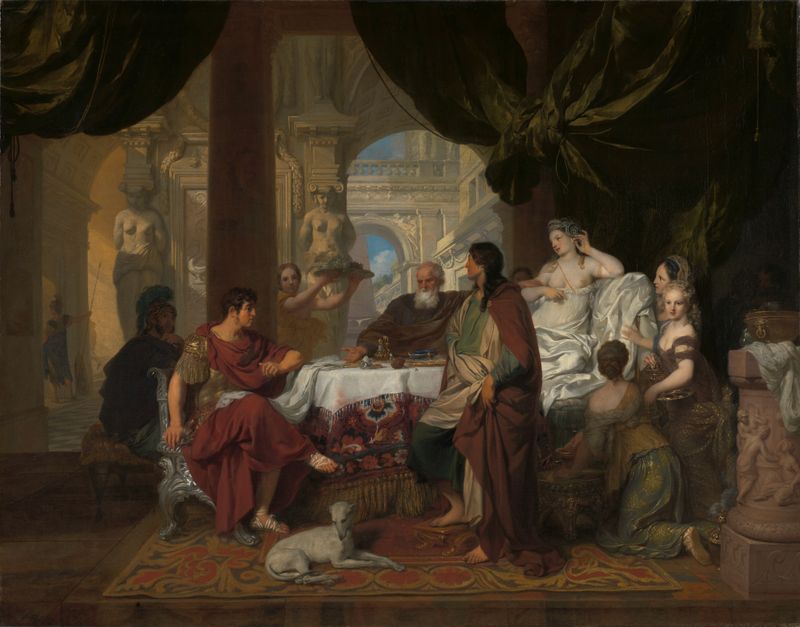
Cleopatra’s Banquet
Gerard de Lairesse
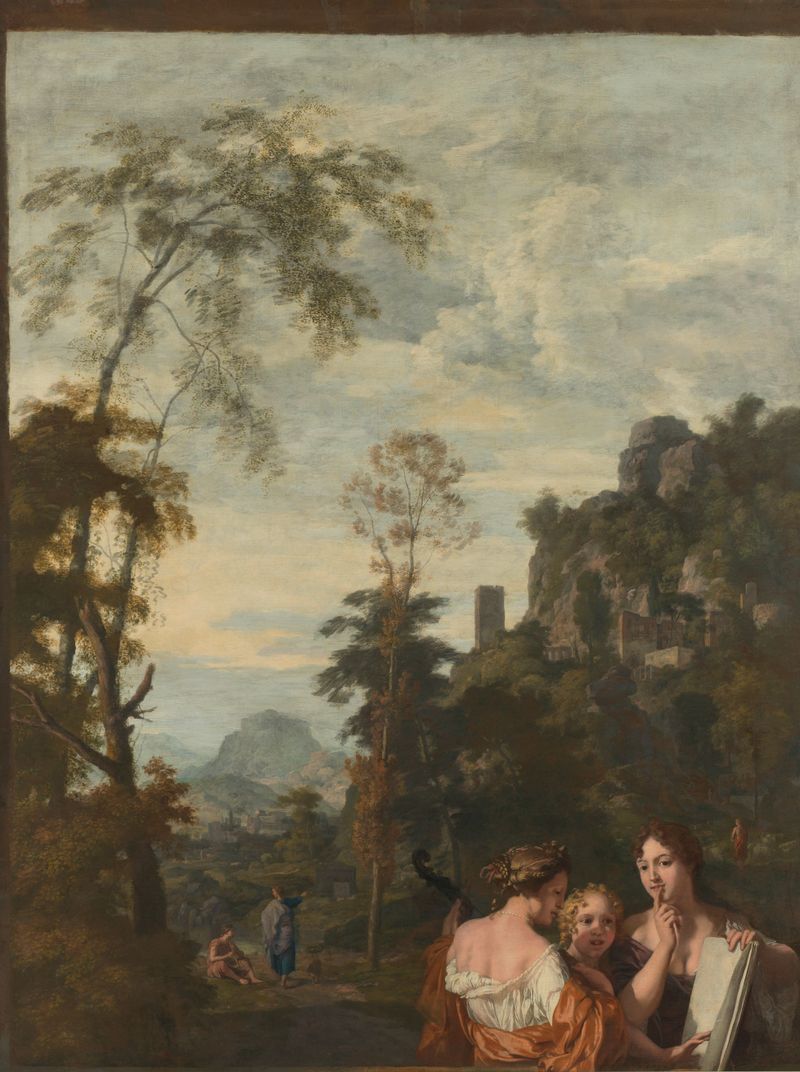
Italian Landscape with three Women Making Music
Gerard de Lairesse
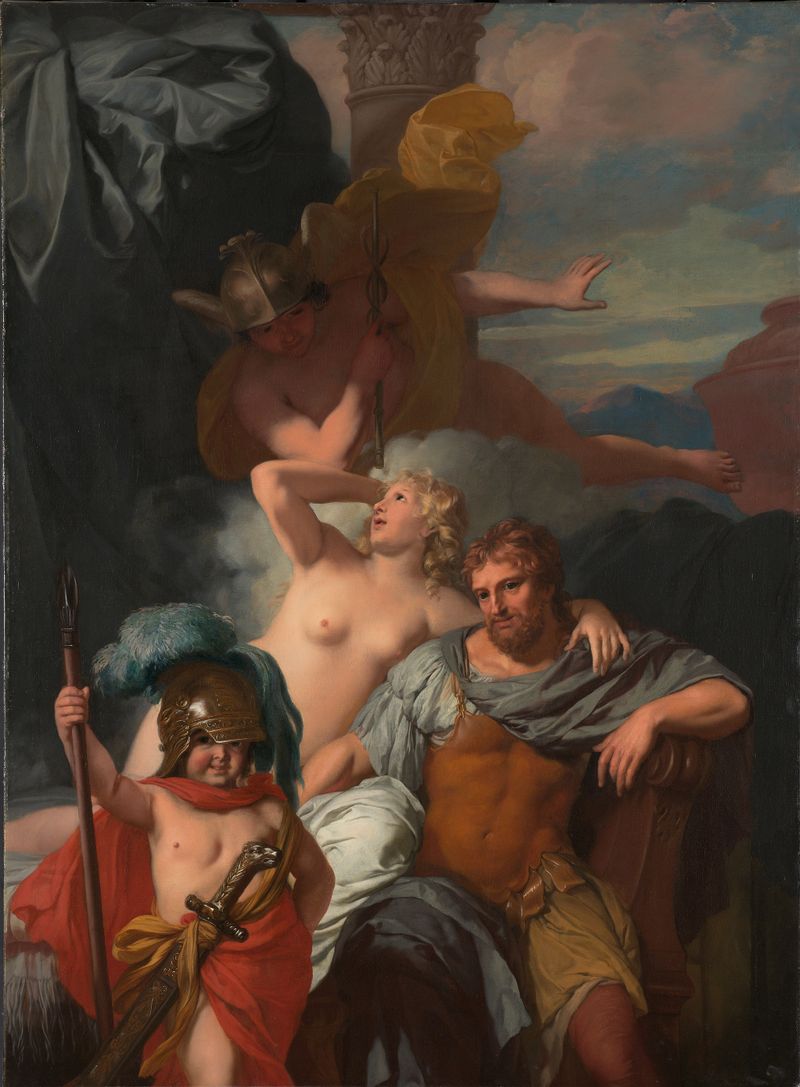
Mercury Ordering Calypso to Release Odysseus
Gerard de Lairesse
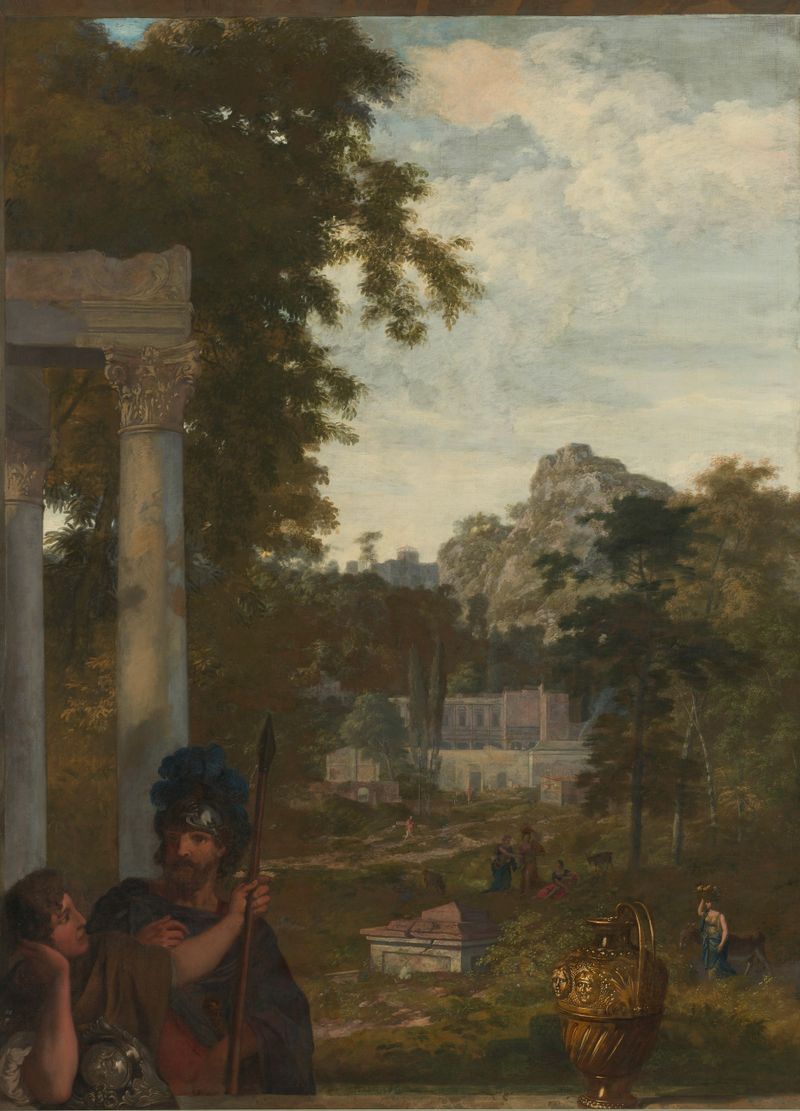
Italian Landscape with two Roman Soldiers
Gerard de Lairesse
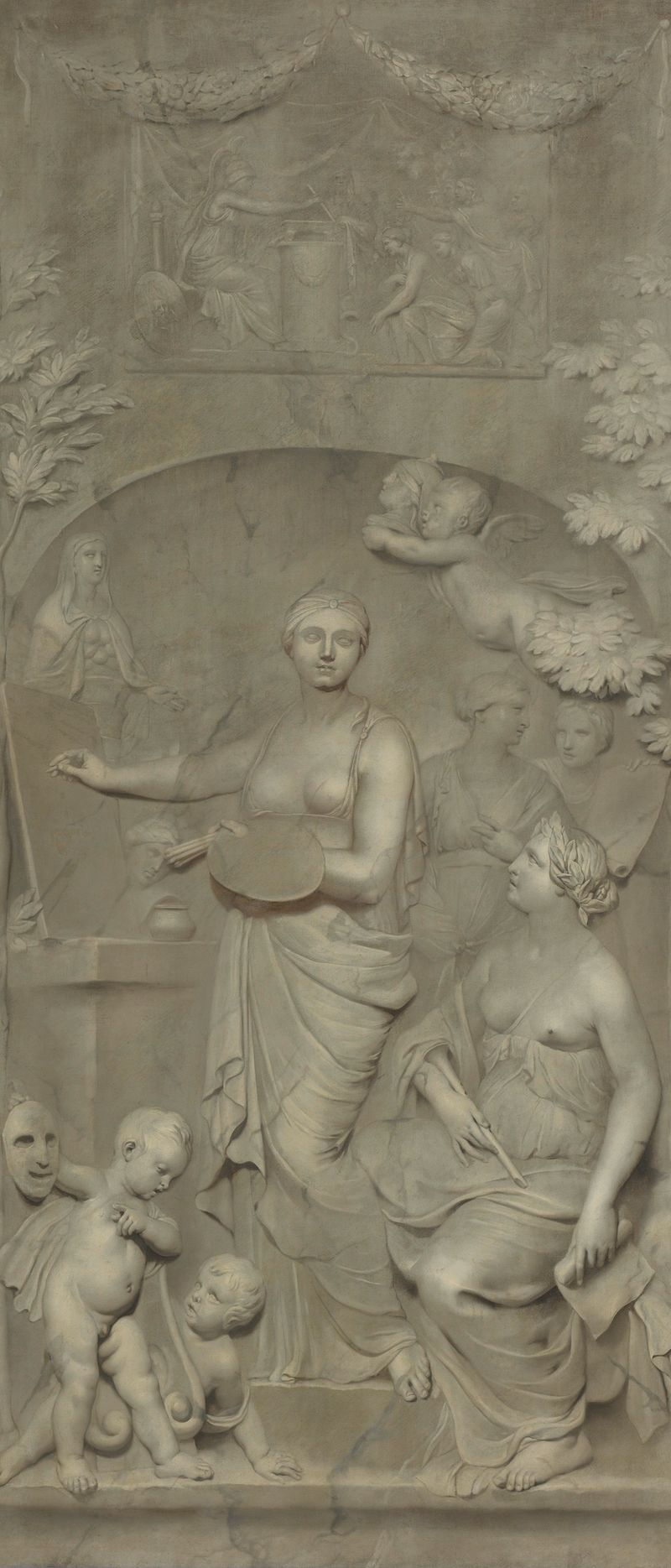
Allegory of the Arts
Gerard de Lairesse

Selene and Endymion
Gerard de Lairesse