
Along the Seine — History & Facts
In this moment of fleeting beauty, the ephemeral nature of life is captured on canvas, whispering secrets of decay and renewal. Focus on the swirling strokes of blue and green that weave together to form the banks of the Seine. Notice how the vibrant colors collide, creating a rhythm that invites the viewer's eye to dance across the landscape. The light reflected on the water's surface glimmers with a pulsating energy, while the hints of autumnal hues remind us of the passage of time.
Here, each brushstroke becomes a pathway inviting exploration, revealing Van Gogh's emotional intensity and innovative technique. Digging deeper, one can sense the contrast between the lively strokes and the underlying tension of decay. The nearby trees, with their fiery orange leaves, evoke a bittersweet nostalgia, suggesting the inevitable cycle of life and death. Each element breathes a story of impermanence, reflecting Van Gogh's own struggles with mental health and artistic identity.
The vibrant scene, while beautiful, carries an undercurrent of loss, making it a poignant meditation on the fragility of existence. In 1887, while living in Paris, the artist painted this piece during a period of significant artistic evolution. Experimenting with color and form, he was influenced by Impressionism and Pointillism, seeking solace in the landscapes he cherished. This era was marked by personal challenges, yet it fueled his desire to capture the world around him with unparalleled passion, culminating in works that resonate with profound emotional depth.
More Artworks by Vincent van Gogh
Browse all →
Starry Night
Vincent van Gogh

The Bedroom
Vincent van Gogh
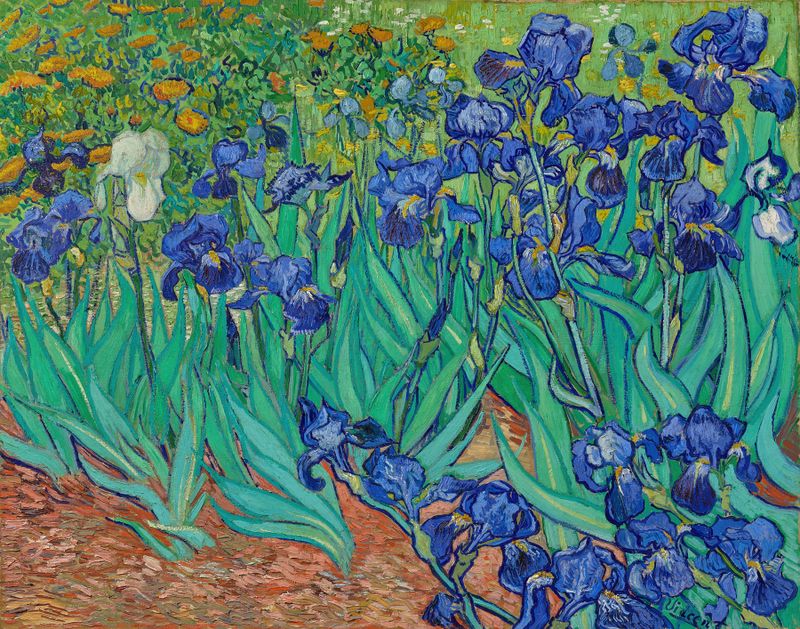
Irises
Vincent van Gogh
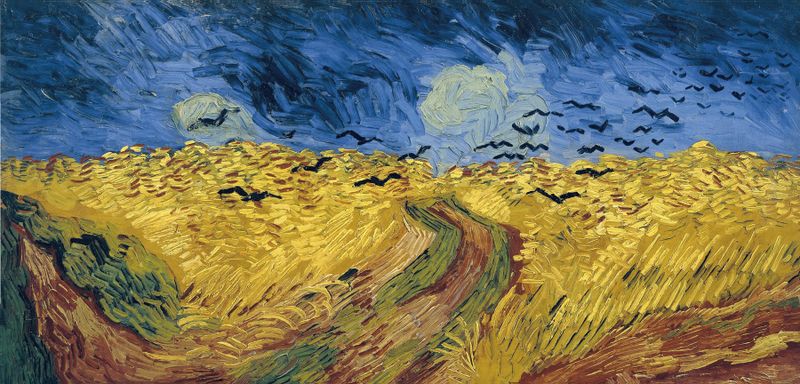
Wheatfield with Crows
Vincent van Gogh
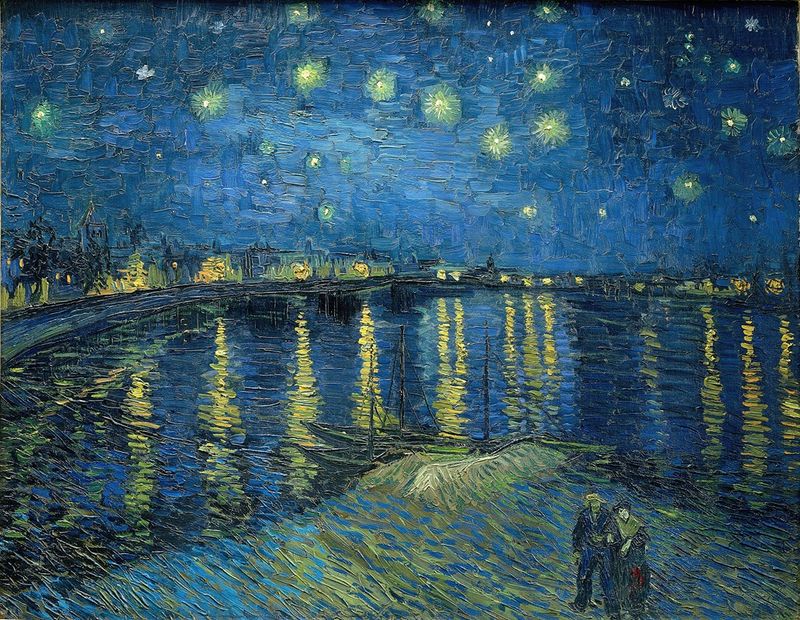
Starry Night over the Rhone
Vincent van Gogh

The yellow house
Vincent van Gogh
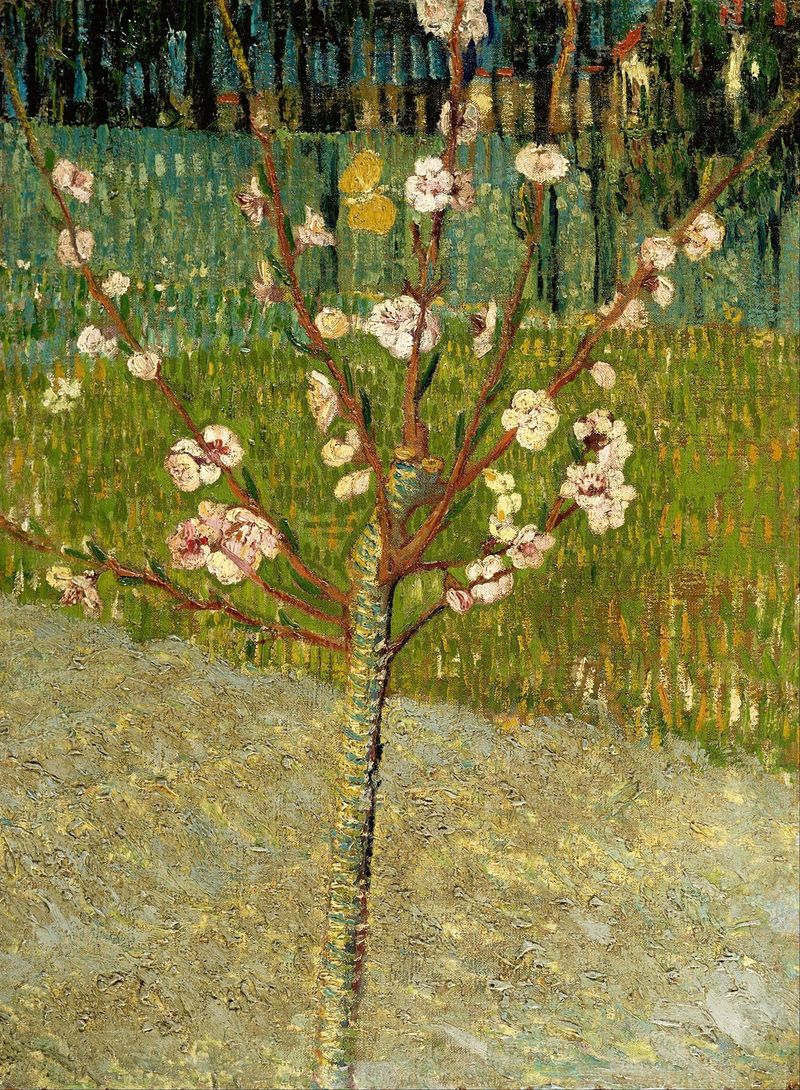
Almond tree in blossom
Vincent van Gogh

Portrait of Dr Gachet
Vincent van Gogh

The Church in Auvers-sur-Oise, View from the Chevet
Vincent van Gogh

Self-Portrait
Vincent van Gogh





