
Alto from Reggio, Morning — History & Facts
Where does light end, and longing begin? In the stillness of Alto from Reggio, Morning, that question reverberates like a whispered secret, inviting the viewer to linger in its tranquil embrace. Look to the horizon, where the first blush of dawn spills golden hues across the undulating landscape. The soft, diffused light bathes the hills in warmth, accentuating the gentle curves of the terrain. Notice how the brushstrokes coalesce into a delicate dance, creating a sense of movement that breathes life into the scene.
The pastel palette, with its harmonious blend of oranges, yellows, and blues, evokes a serene morning, where the earth awakens slowly, as if reluctant to leave the dreams of night behind. Yet, beneath this peaceful exterior lies a profound tension. The interplay of light and shadow suggests a world in transition, reflecting both the promise of a new day and the inevitable passage of time. Small details, like the interplay of clouds and sunlight, hint at hidden emotions—the yearning for connection, the bittersweet nature of fleeting moments.
Each element within the composition resonates with an unspoken narrative, amplifying the quiet ache of anticipation that accompanies dawn. In 1896, George Elbert Burr painted this piece during a period of artistic exploration in America, where the Impressionist movement was beginning to flourish. Living in a time when artists sought to capture the ephemeral effects of light, Burr's work resonated with a growing desire to express nature's beauty and emotional depth. This painting reflects his deep appreciation for the landscapes of his youth and a pursuit of artistic revelation during a transformative era.
More Artworks by George Elbert Burr
Browse all →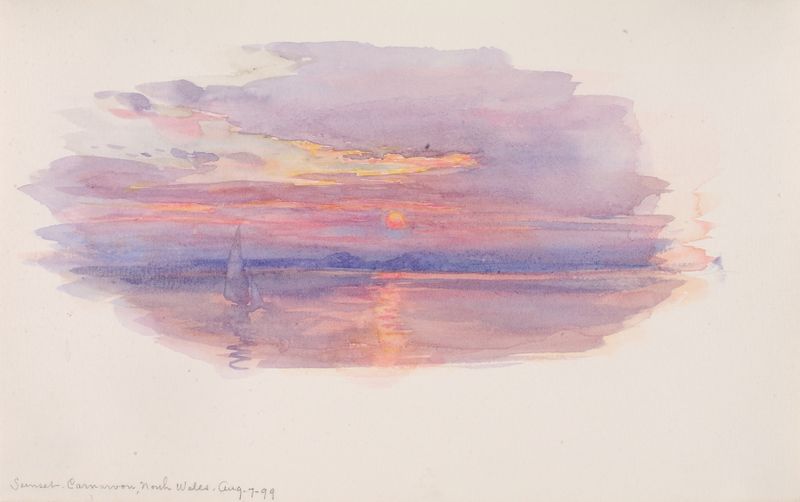
Sunset, Caernarvon, North Wales
George Elbert Burr
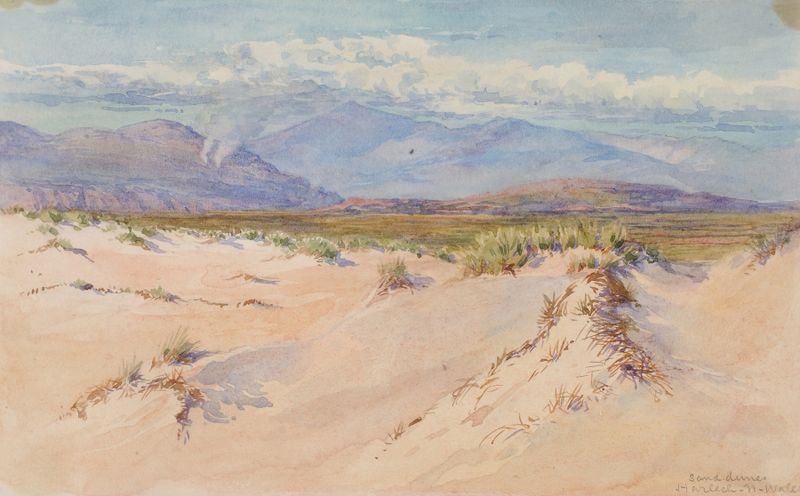
Sand Dunes, Harlech, North Wales
George Elbert Burr

From Pincio, Rome
George Elbert Burr

The Wye near Ross
George Elbert Burr

Venice
George Elbert Burr
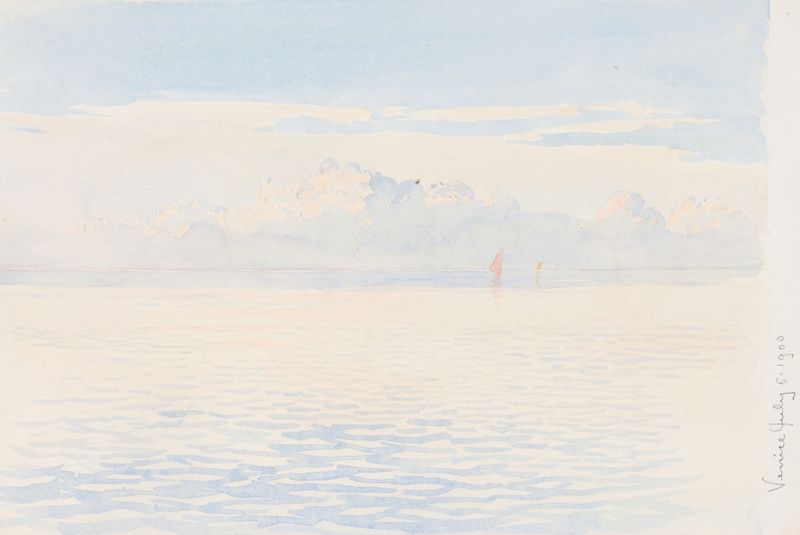
Venice II
George Elbert Burr

Shore at Pwllheli, N. Wales
George Elbert Burr

The Wye at Wilton Castle (Wales)
George Elbert Burr

Venice
George Elbert Burr

Criccieth, N. Wales II
George Elbert Burr





