
Am Kanal, Holland — History & Facts
In the quiet of twilight, the undulating surface of the canal reflects a world both lost and found, a moment steeped in longing. The hues of dusk envelop the scene, hinting at the melancholy that grips the heart and reverberates in the mind. Look to the left, where the water glimmers softly, a blend of blues and grays that draws the eye into its depths. The canal, flanked by shadowy silhouettes of trees, creates a sense of enclosure, as if the viewer is peering into a secret world.
Notice how the brushwork dances lightly across the canvas, each stroke a testament to the fleeting nature of this moment, while the play of light evokes an intimate dialogue between serenity and sorrow. As you explore the details, consider the emotional weight carried by the darkened figures along the water's edge. Their presence, tinged with a sense of solitude, casts a stark contrast against the serene backdrop, suggesting a narrative of loss or yearning. The swirling colors and gentle ripples evoke the idea that grief can transform into beauty, hinting at the healing power of nature amidst life’s turmoil. In 1913, Lesser Ury was living in Berlin, navigating the thriving yet tumultuous art scene as a prominent figure in the Expressionist movement.
This period saw him grappling with personal challenges, including the loss of loved ones. His artistic evolution during this time reflects a deeper exploration of emotion, which is vividly captured in the ambiance of this piece, resonating with the tensions of a world on the brink of monumental change.
More Artworks by Lesser Ury
Browse all →
Unter den Linden mit Blick auf das Brandenburger Tor
Lesser Ury
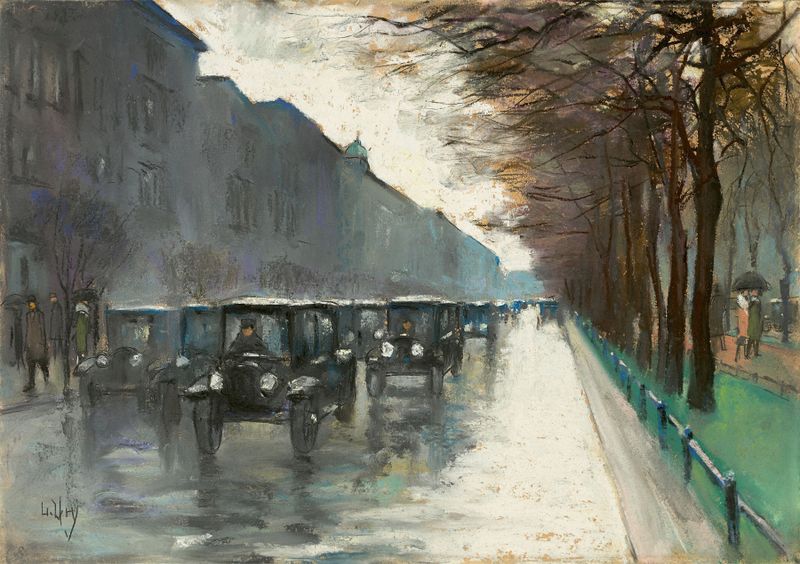
Unter den Linden mit Droschken im Regen
Lesser Ury

Berliner Straßenszene im Spätherbst
Lesser Ury
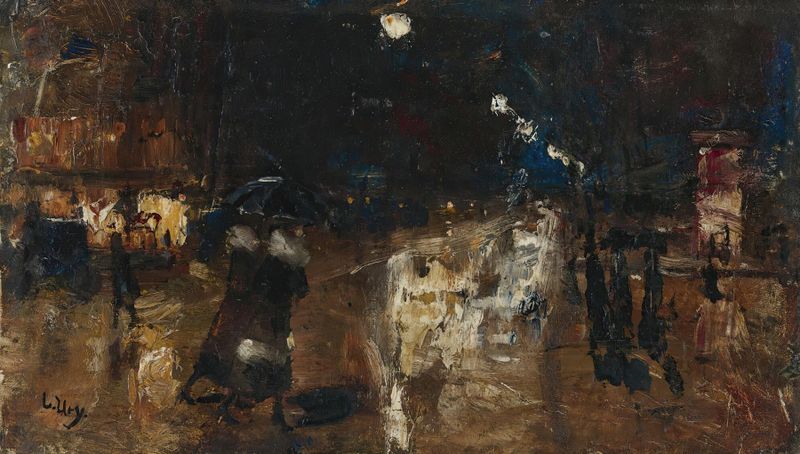
Rainy Street
Lesser Ury
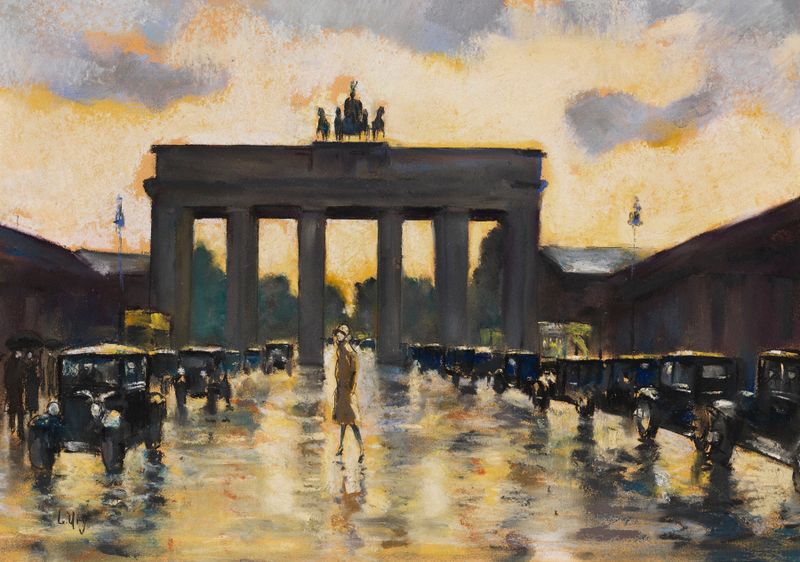
Brandenburger Tor vom Pariser Platz aus gesehen
Lesser Ury

Motiv aus dem Grunewald
Lesser Ury

Straße bei Nacht im Regen (Berlin)
Lesser Ury
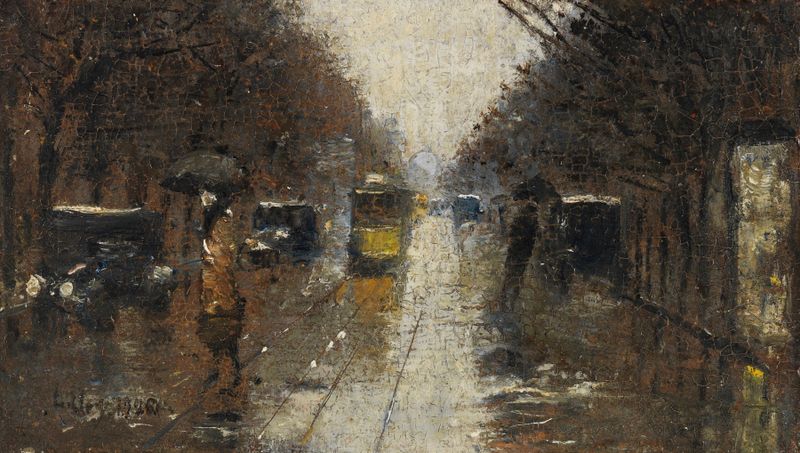
Straßenszene bei Regen, Berlin
Lesser Ury
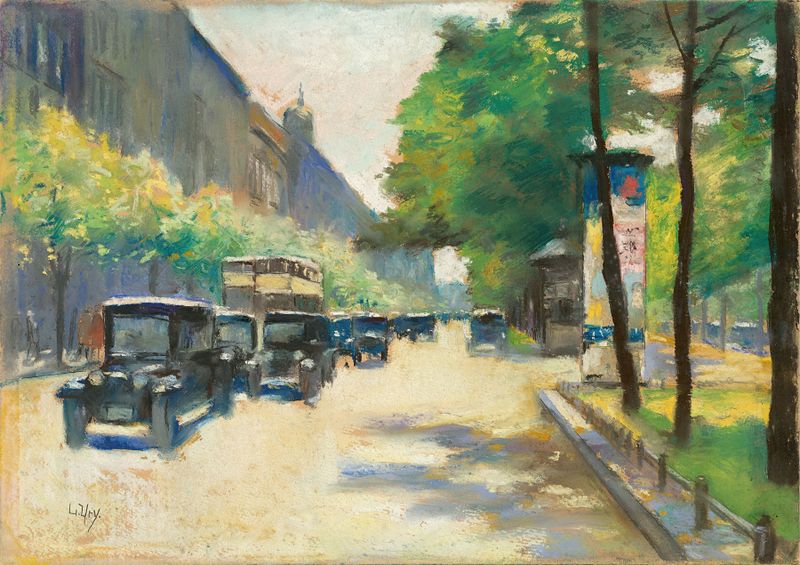
Unter den Linden, Berlin
Lesser Ury
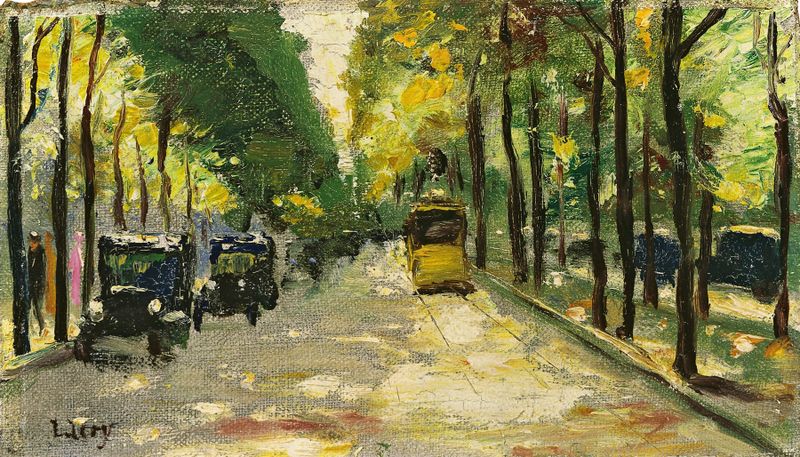
Berliner Straße im Sonnenschein
Lesser Ury





