
Amstelodamum, no. 1 — History & Facts
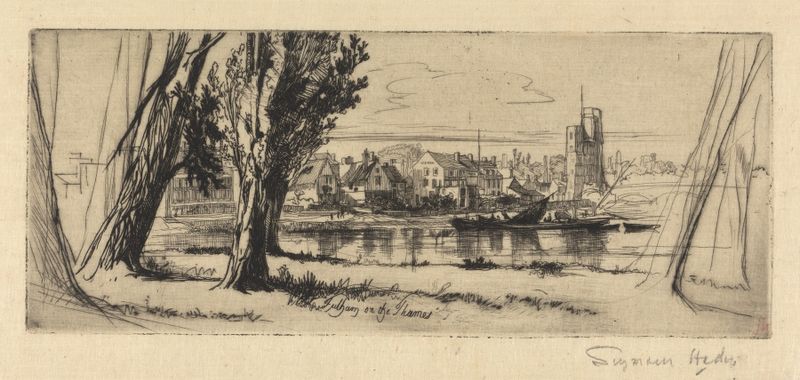
Desire, both fervent and ephemeral, can take on many forms, shimmering like light on water. In the realm of art, this concept is beautifully encapsulated by the delicate etchings of the 19th century, where longing finds solace on the page. Look closely at the intricate lines of the etching, where the viewer's eye is first drawn to the sinuous curves of the Amstel River flowing peacefully through the bustling city. The sinuous strokes capture the rhythmic dance of water, while the gentle shading reveals the play of light filtering through the trees along the banks.
In the background, the buildings rise like silent witnesses to the ebb and flow of life, their forms elegantly rendered yet tinged with a sense of nostalgia. Beneath the surface lies a profound emotional contrast: the calm of the landscape is juxtaposed against an undercurrent of longing. Each detail, from the whimsical reflections in the water to the distant silhouettes of figures, speaks to the human experience of yearning for connection and the passing of time. The etching beckons the viewer to ponder the stories hidden in the shadows, suggesting that beauty often arises from the depths of desire and loss. In 1863, Francis Seymour Haden created this work during a period marked by innovation and exploration in art.
Working in London, he was part of a growing interest in etching as a serious artistic medium, moving beyond traditional boundaries. This piece reflects both his personal journey as an artist and the broader transformation in visual representation, capturing the essence of a city and its unspoken stories.
More Artworks by Francis Seymour Haden
Browse all →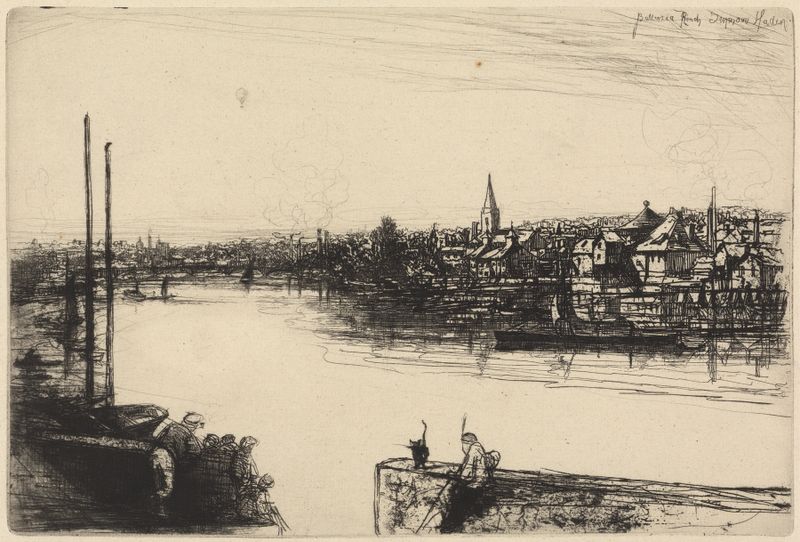
Battersea Reach
Francis Seymour Haden

Nine Barrow Down
Francis Seymour Haden
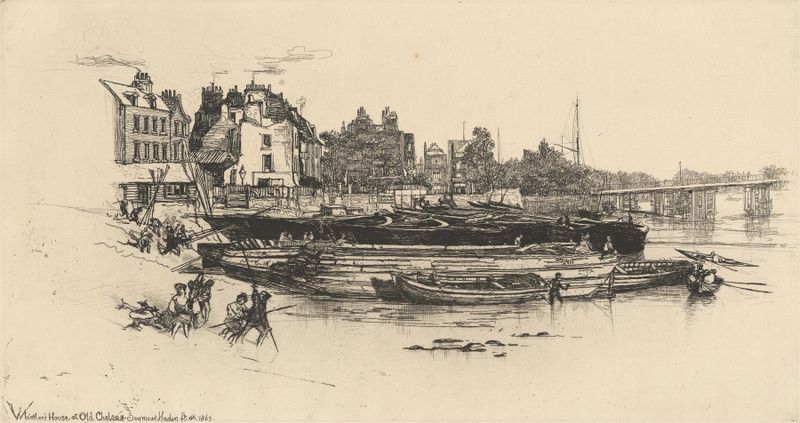
Whistler’s House at Old Chelsea
Francis Seymour Haden

The Mill-Wheel
Francis Seymour Haden
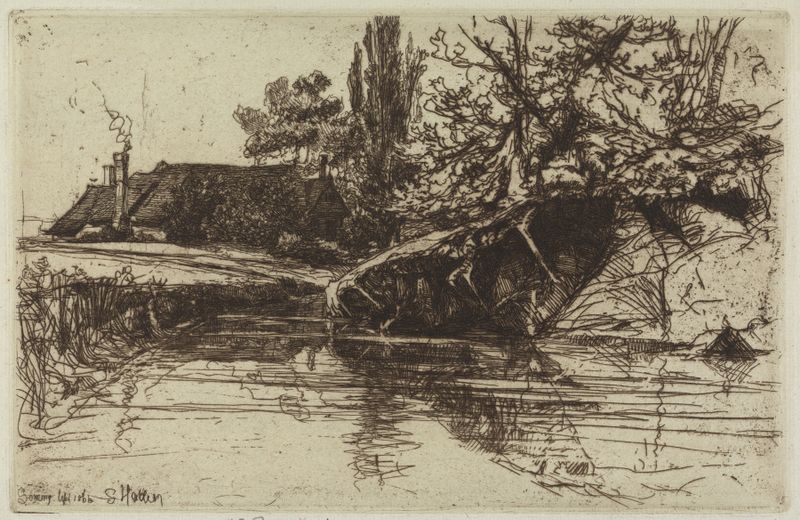
The Moat House
Francis Seymour Haden

By Twickenham
Francis Seymour Haden

Newcastle Emlyn
Francis Seymour Haden
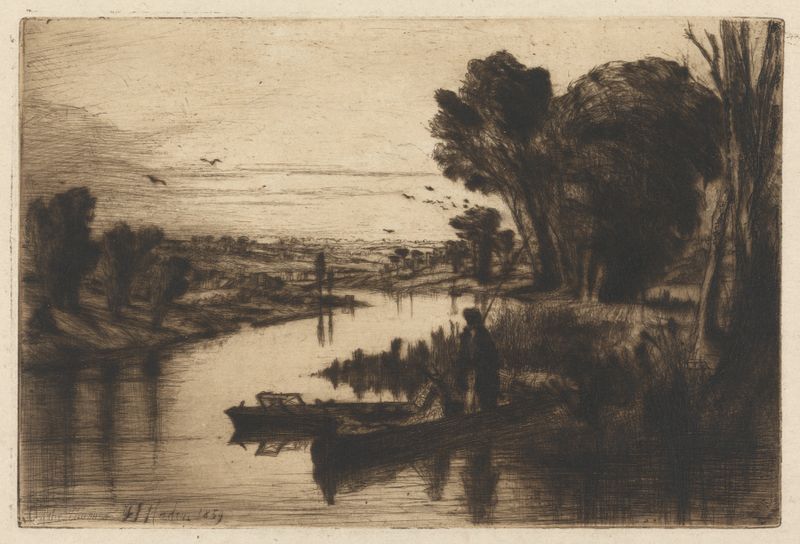
On the Thames
Francis Seymour Haden

Kidwelly Castle
Francis Seymour Haden
Fulham on the Thames
Francis Seymour Haden





