
An Addition to the Monastery — History & Facts
What first draws the eye in An Addition to the Monastery is the gentle pride written across the monk’s face as he presents his unlikely treasures: a bundle of kittens, nestled in the folds of his apron. The light, soft and deliberate, falls across the kittens and the monk’s snowy beard, coaxing warmth from the otherwise cool, stony interior. The painter lingers on the details—the velvet ears, the tiny paws, the playful tangle of tails—inviting us to share in the quiet humor of the moment.
The monk’s half-smile and closed eyes suggest a private pleasure, as if he is savoring a joke only he and the kittens understand. The battered barrel, pewter pot, and rough-hewn walls frame the scene in humble domesticity, but it is the vivid green of the apron that lifts the eye and signals the heart of the picture. Painted by Adolf Humborg by 1921, this work belongs to a tradition of genre painting that flourished in 19th- and early 20th-century Central Europe, where scenes of monastic life were often rendered with a wink and a nod. Such images were rarely commissioned by religious institutions themselves; instead, they found eager buyers among the urban middle class, who delighted in glimpses of cloistered life tinged with humor or sentiment.
Humborg was known for his affectionate, sometimes mischievous portrayals of monks, and here he channels a world where the sacred and the ordinary meet in the daily rituals of care. The painting’s current presence in a Viennese auction house, as documented in 2021, is a reminder that history has kept few traces of its journey—but the moment it captures is as fresh and inviting as the kittens themselves.
More Artworks by Adolf Humborg
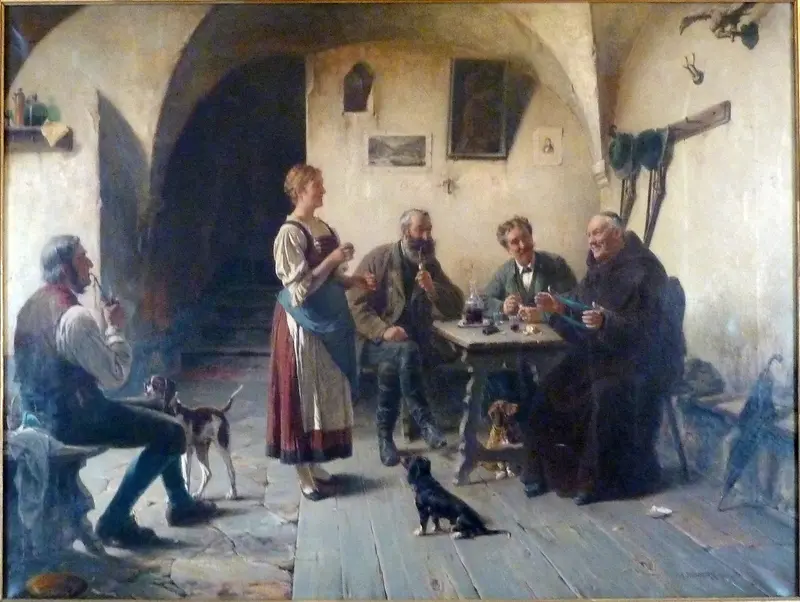
A. Humborg painting (title unknown)
Adolf Humborg
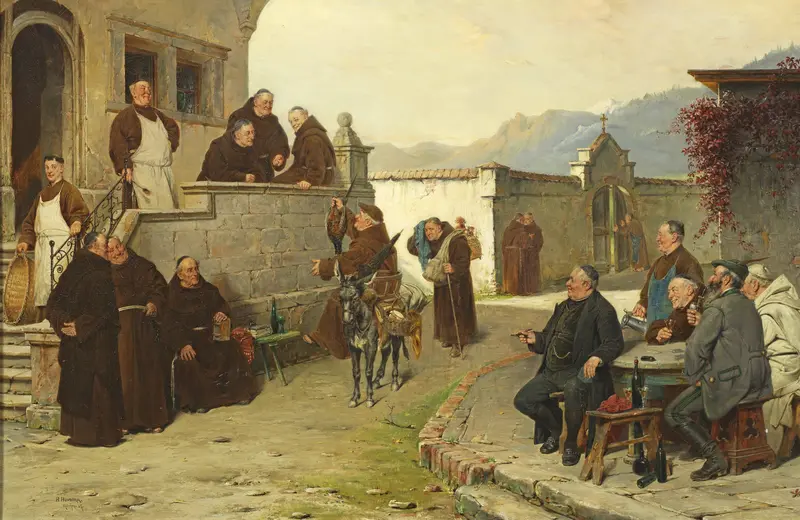
Ankunft der Bettelmönche im Kloster(hofe)
Adolf Humborg
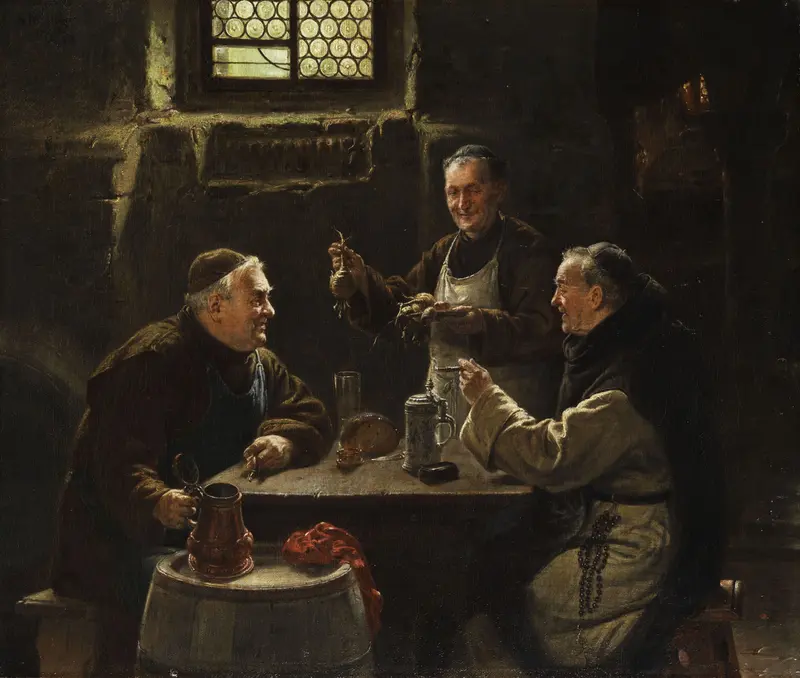
Drei Mönche bei der Vesper Mahlzeit
Adolf Humborg

Kirschen für die Kinder
Adolf Humborg
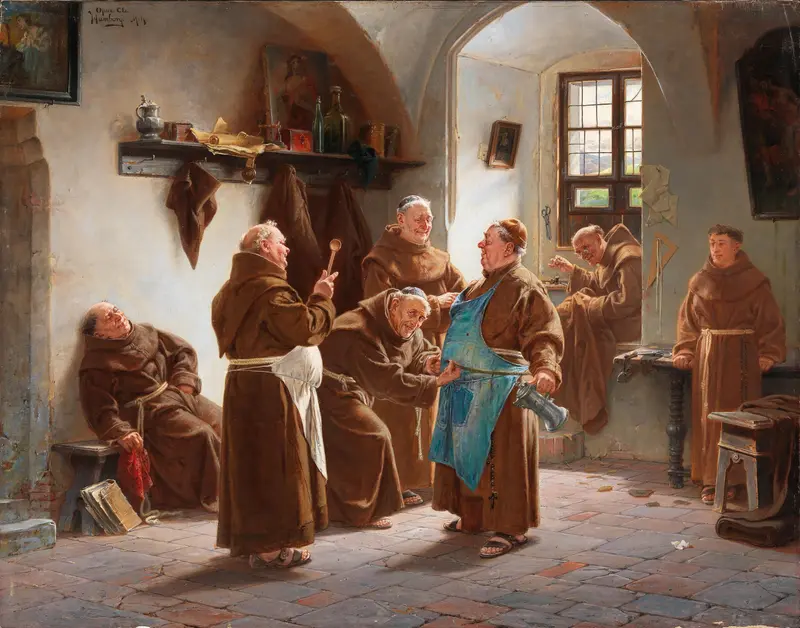
Who is Slimmer?
Adolf Humborg
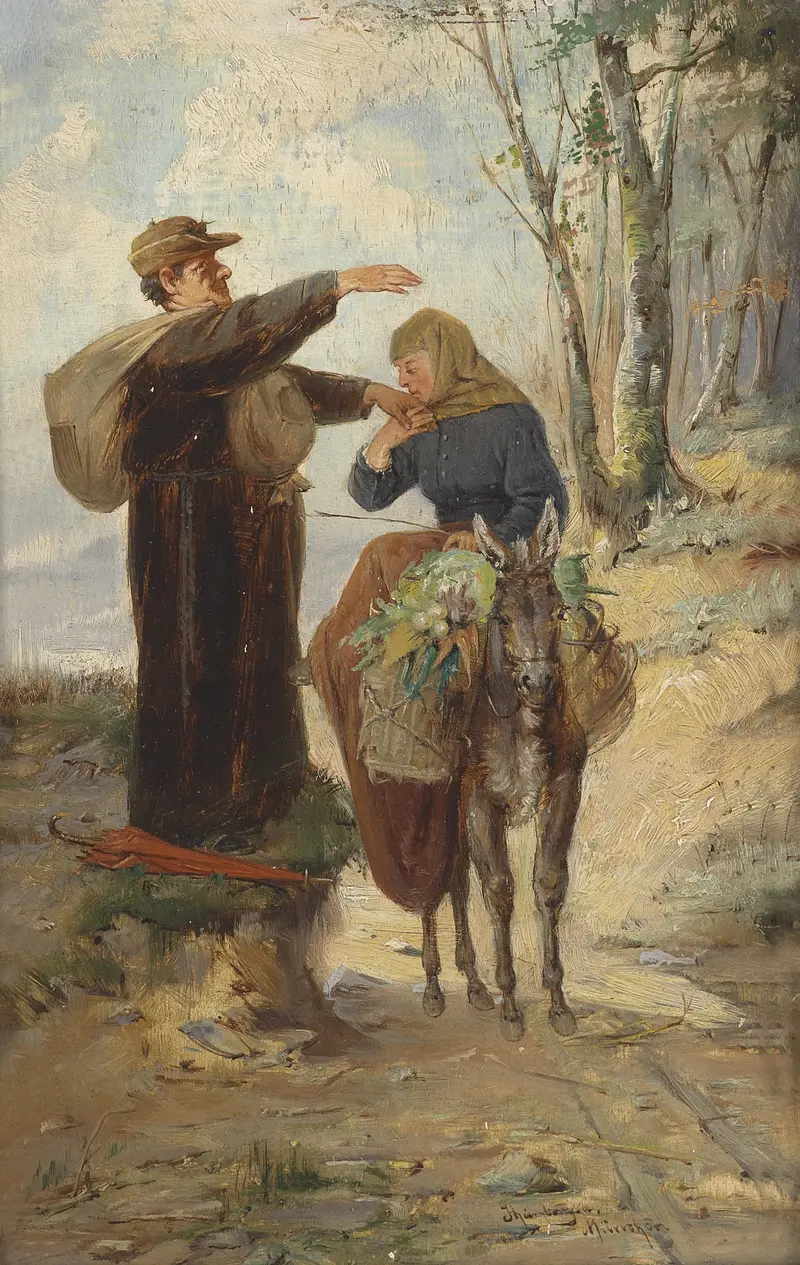
Begegnung auf der Landstraße
Adolf Humborg
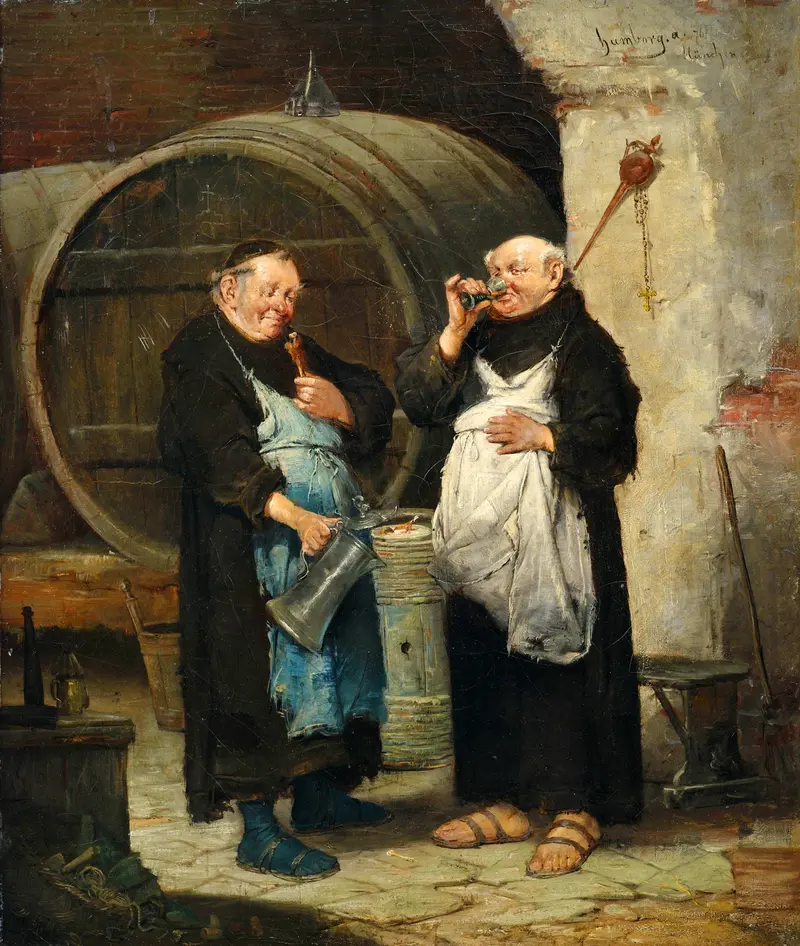
Zwei Mönche im Weinkeller
Adolf Humborg
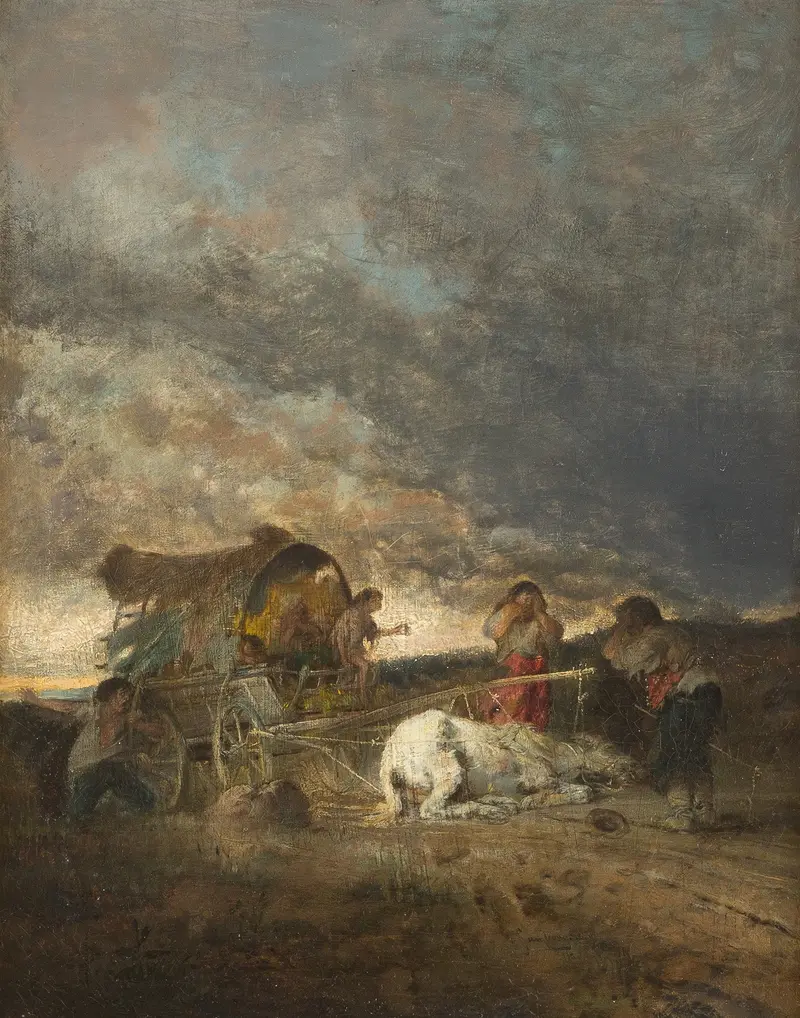
The accident
Adolf Humborg
More Genre Scene Art

Banquet of the Officers of the St George Civic Guard
Frans Hals

Rembrandt and Saskia in the Scene of the Prodigal Son
Rembrandt van Rijn

Bal du moulin de la Galette
Pierre-Auguste Renoir

Quadrille at the Moulin Rouge
Henri de Toulouse-Lautrec

A Burial at Ornans
Gustave Courbet

When Will You Marry?
Paul Gauguin