
An Alpine Scene — History & Facts
Could a single brushstroke hold eternity? In An Alpine Scene, the vastness of the mountains seems to whisper loneliness, capturing the solitude inherent in the human condition. Look to the left at the imposing peaks, their rugged silhouettes etched against a pale sky. Notice how the artist employs a cool palette of blues and greens, which evokes a sense of distance and isolation. The foreground, almost barren, draws your eye to a solitary figure standing at the edge of a precipice, dwarfed by nature's majesty.
Courbet's loose brushwork creates texture, allowing the viewer to feel the chilling winds that sweep across the Alpine landscape. There’s a stark contrast here between the grandeur of the mountains and the vulnerability of the lone figure. This tension speaks to the existential struggle faced by humanity when confronted with the infinite. The clouds gather ominously above, hinting at an approaching storm, further amplifying the sense of impending solitude.
Each stroke seems to encapsulate an echo of both despair and acceptance, as if the mountains themselves bear witness to the solitude of existence. In 1874, Courbet painted this work during a pivotal moment in his career, while he was navigating the evolving dynamics of realism and impressionism. Living in France, he sought to capture the raw beauty of nature, reflecting his dedication to portraying life as it is. This period marked a significant shift in the art world, where the artist engaged deeply with themes of nature, solitude, and the human experience.
More Artworks by Gustave Courbet
Browse all →
Marine
Gustave Courbet
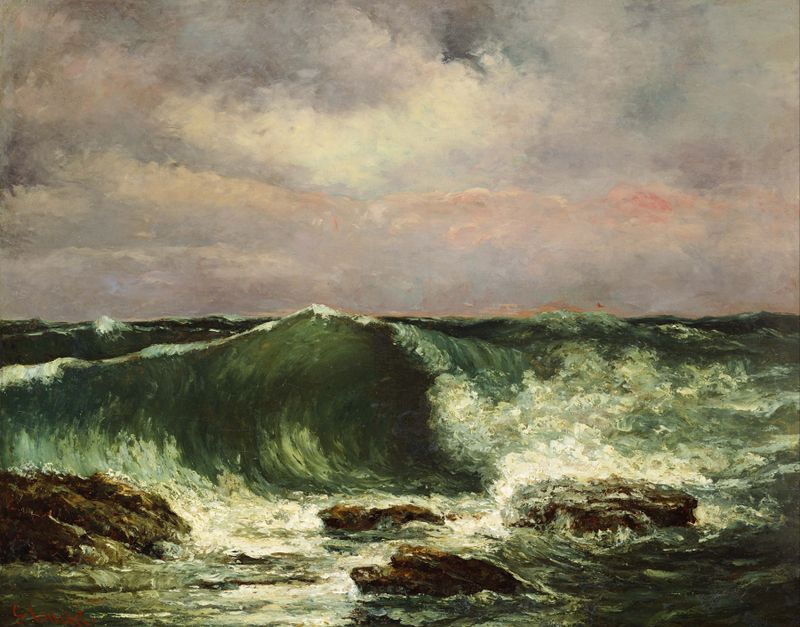
Waves
Gustave Courbet

Étretat; Les Falaises
Gustave Courbet
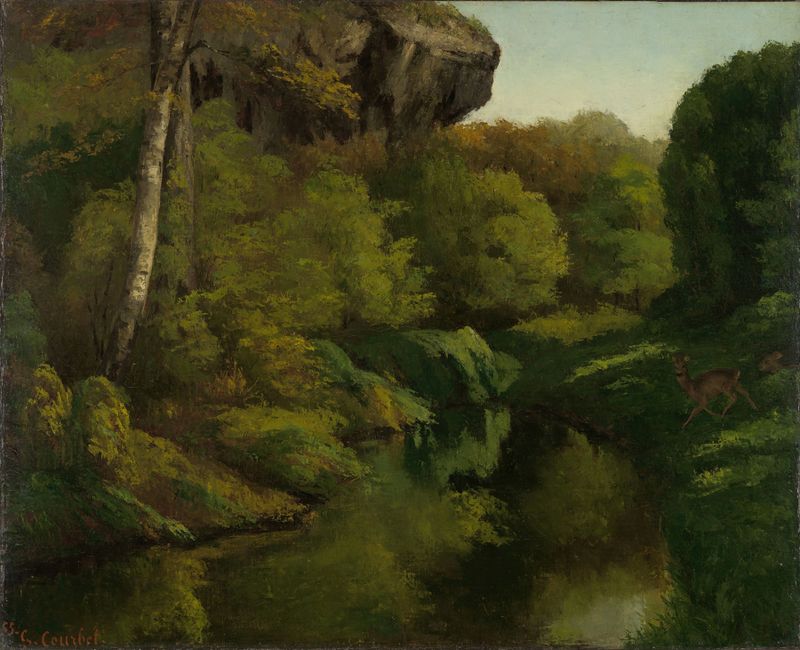
View in the Forest of Fontainebleau
Gustave Courbet
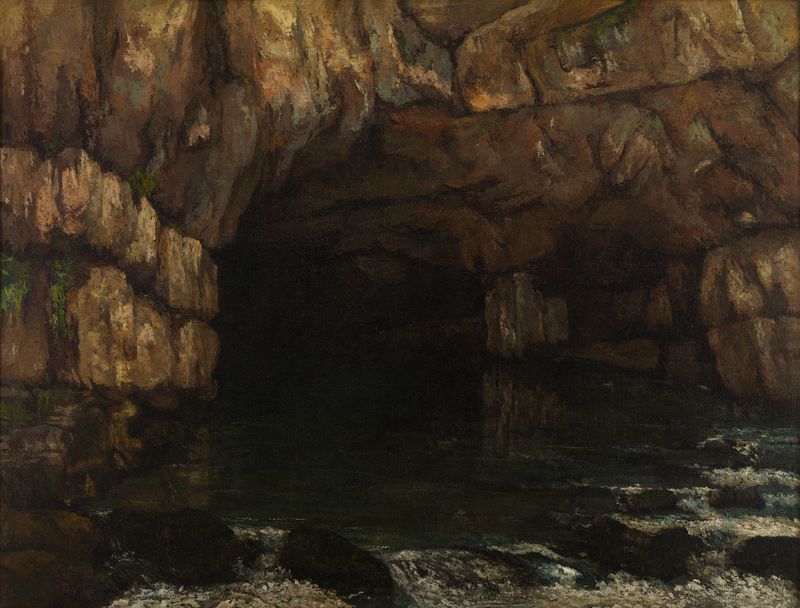
La source de la Loue (The Source of the Loue)
Gustave Courbet

Low Tide at Trouville
Gustave Courbet
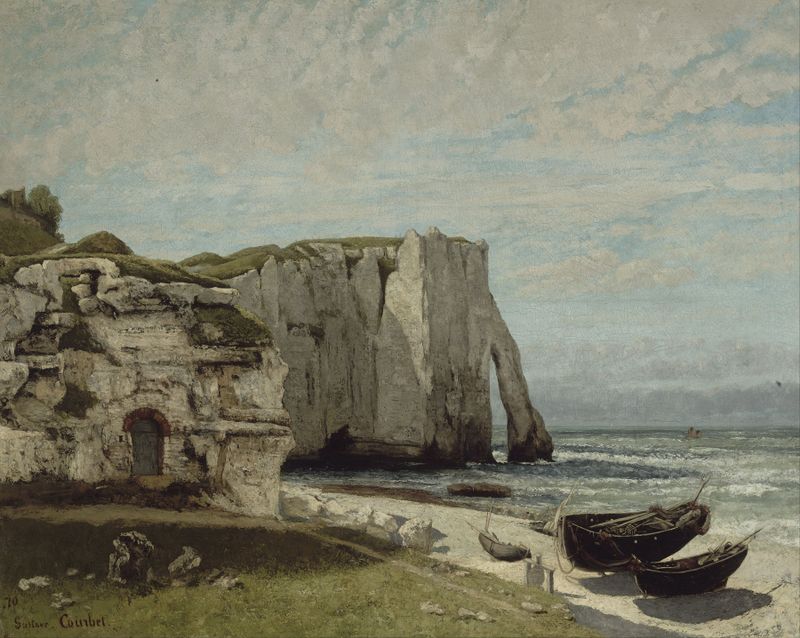
The Etretat Cliffs after the Storm
Gustave Courbet
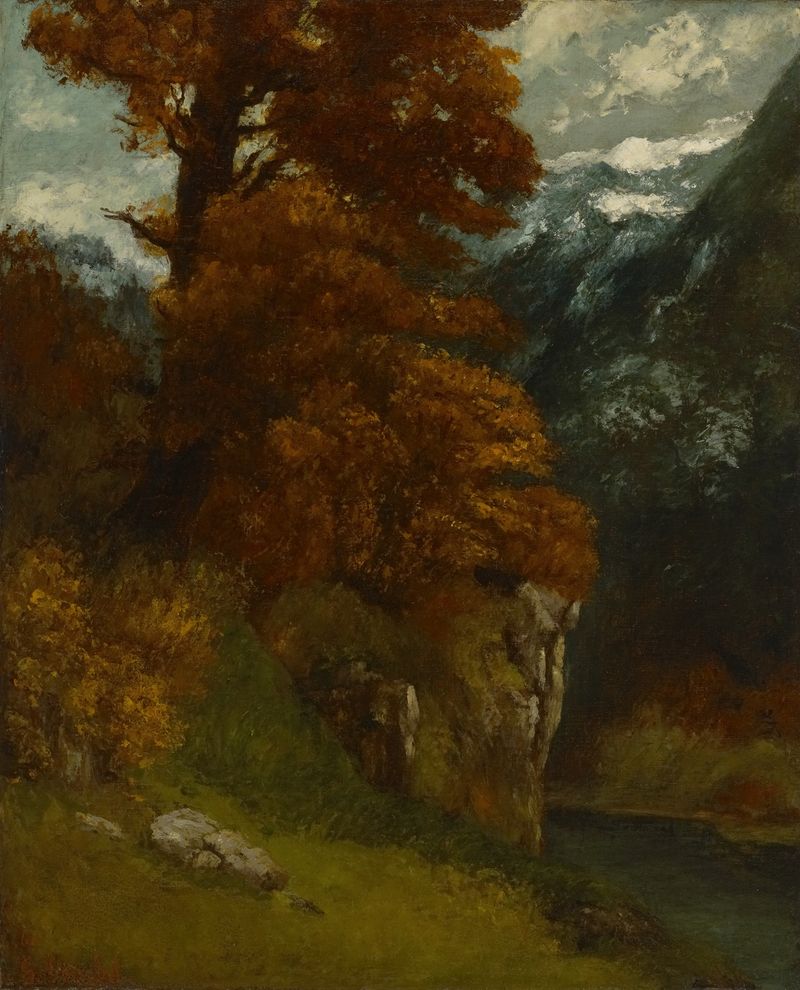
The Glen at Ornans (Bords du Doubs; Effet d’Automne)
Gustave Courbet
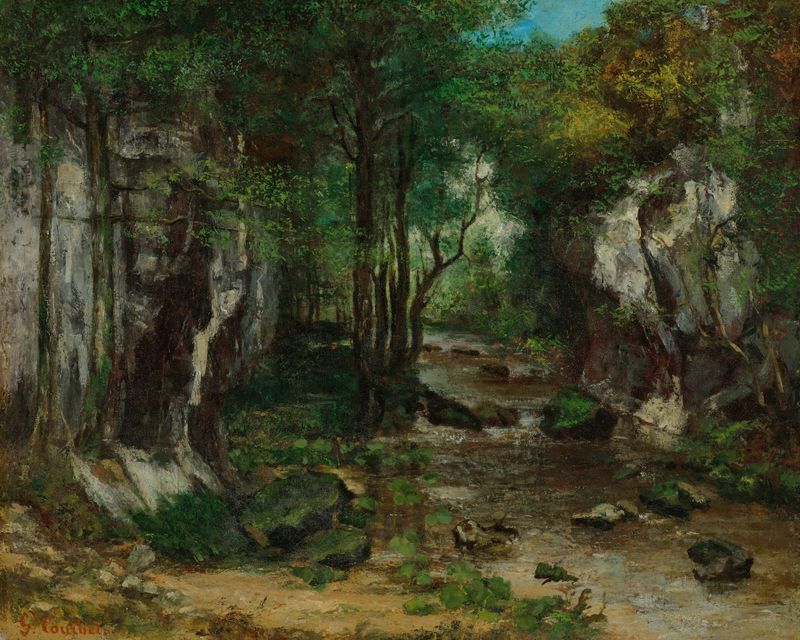
Le Ruisseau de Puits Noir
Gustave Courbet
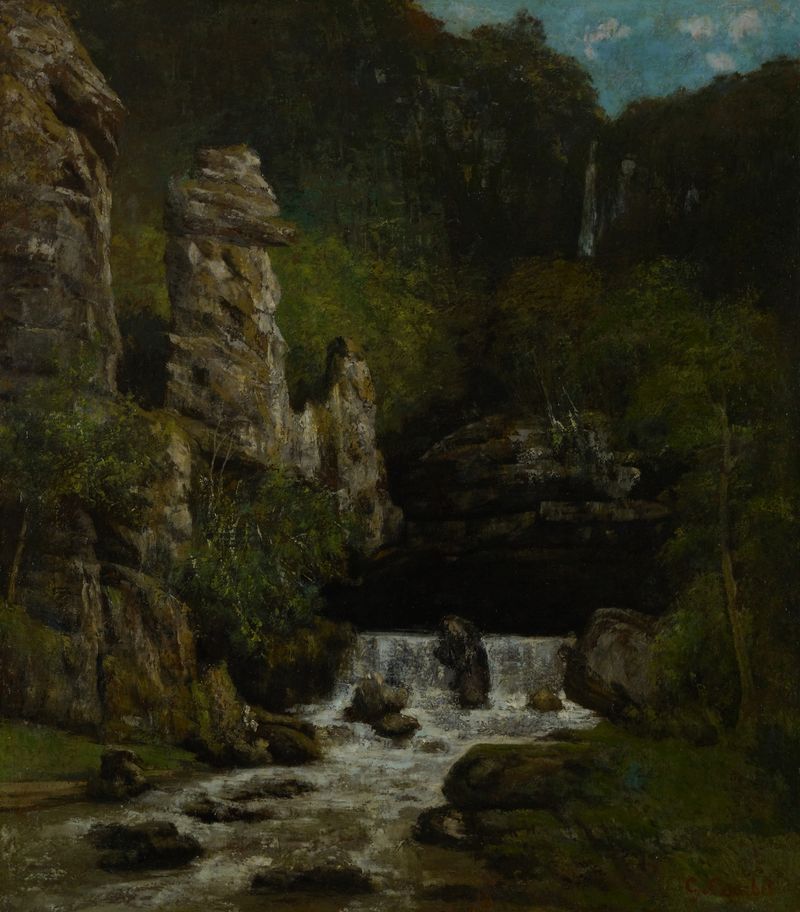
Landscape with a Waterfall
Gustave Courbet





