
An August’s Night — History & Facts
In the stillness of an August night, the landscape beckons us to explore its depths, pulling at the heart's yearning for connection and understanding. Look to the left at the softly illuminated sky, where deep indigos meld seamlessly with hints of burnt orange, suggesting the last embrace of daylight before twilight takes over. The horizon is dotted with treetops, their silhouettes dark against the glowing backdrop, creating a contrast that emphasizes both the tranquility and the promise of mystery. Notice how the brushstrokes capture the gentle ripples of a nearby water body, reflecting the interplay of colors like whispers of dreams just out of reach. As the viewer’s gaze wanders, subtle details emerge—an almost palpable stillness envelops the scene, with not a single figure in sight, emphasizing solitude and the deep sense of longing.
The small cluster of stars just beginning to twinkle serves as a reminder of the vastness beyond our immediate reality, evoking both wonder and a hint of melancholy. The palette, so rich yet understated, speaks volumes about the emotional weight of the moment, a silent invitation to reflect on our own desires. In 1898, while creating An August’s Night, the artist found himself at a crossroads. Living in England, Finch was influenced by the broader art movements of Impressionism and Post-Impressionism taking root across Europe.
His focus on atmospheric conditions and emotional resonance marked a pivotal phase in his work, as he sought to capture fleeting moments of beauty—the kind of beauty that resonates deeply in the human experience.
More Artworks by Alfred William Finch
Browse all →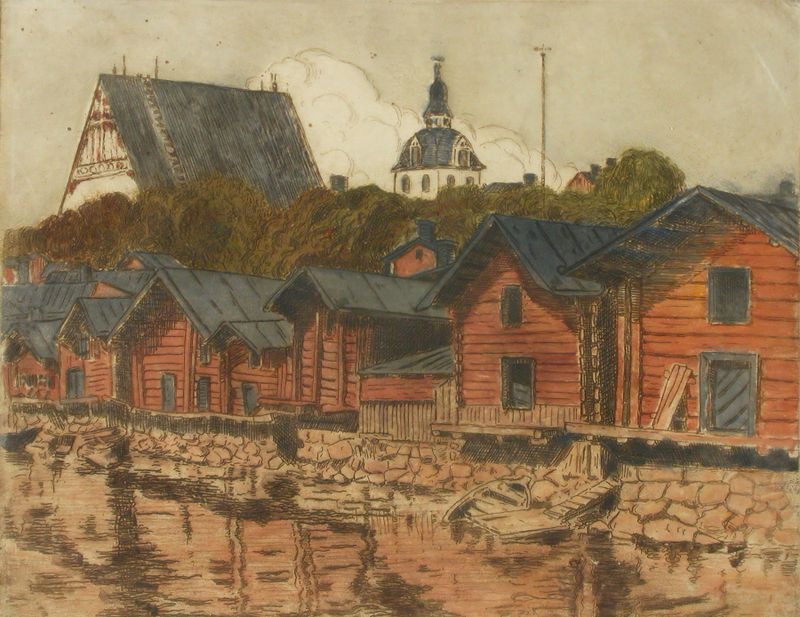
Porvoon ranta-aittoja
Alfred William Finch
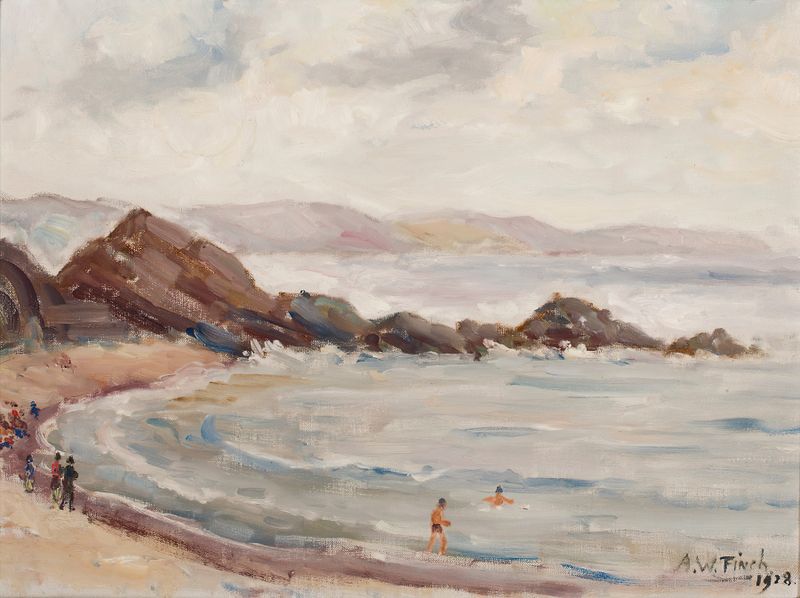
Looen rantaa
Alfred William Finch

Richmond, a River Landscape
Alfred William Finch
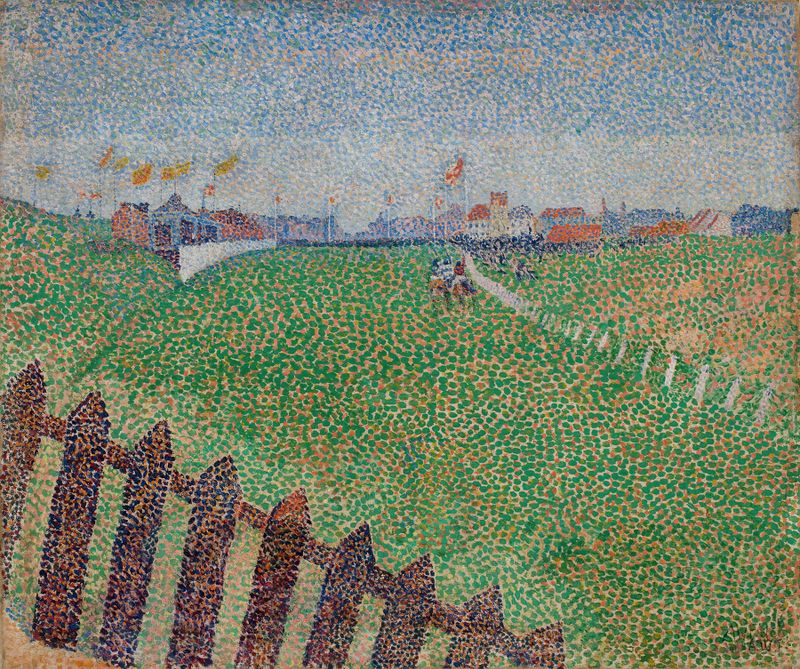
The Wellington Racecourse in Drizzle (Ostende)
Alfred William Finch
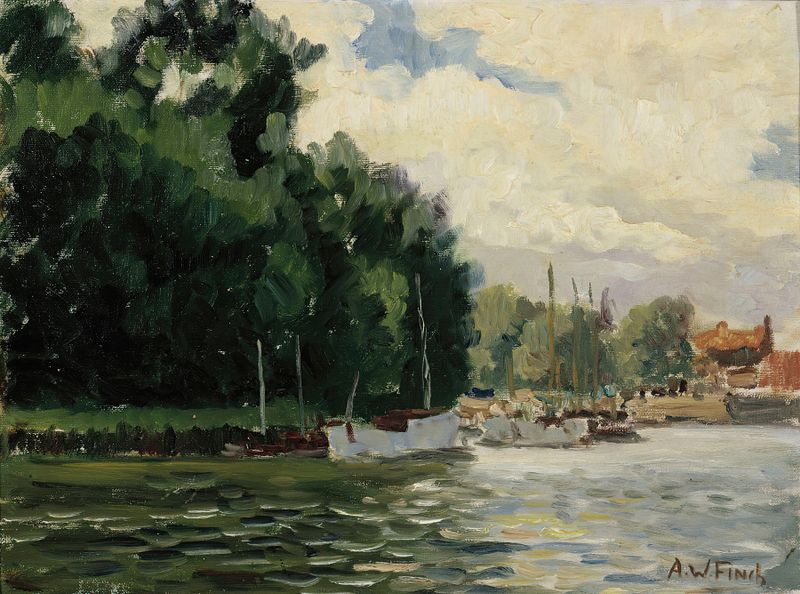
Richmond, Thames
Alfred William Finch
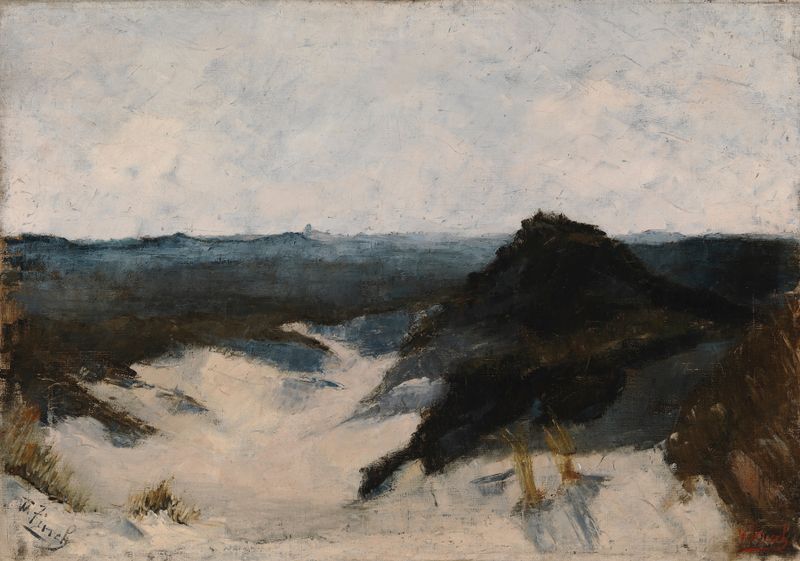
Shore View, Knocke
Alfred William Finch
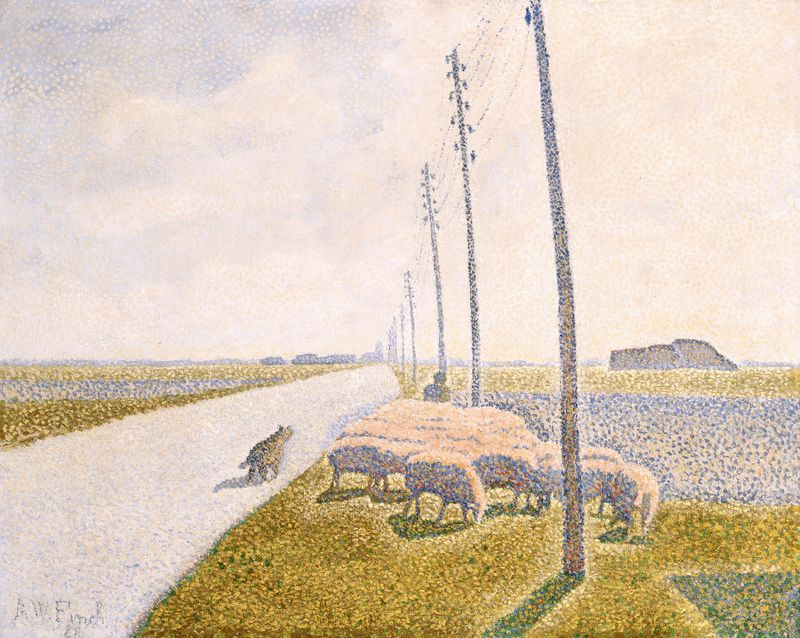
The Road to Nieuport
Alfred William Finch

Bushes
Alfred William Finch
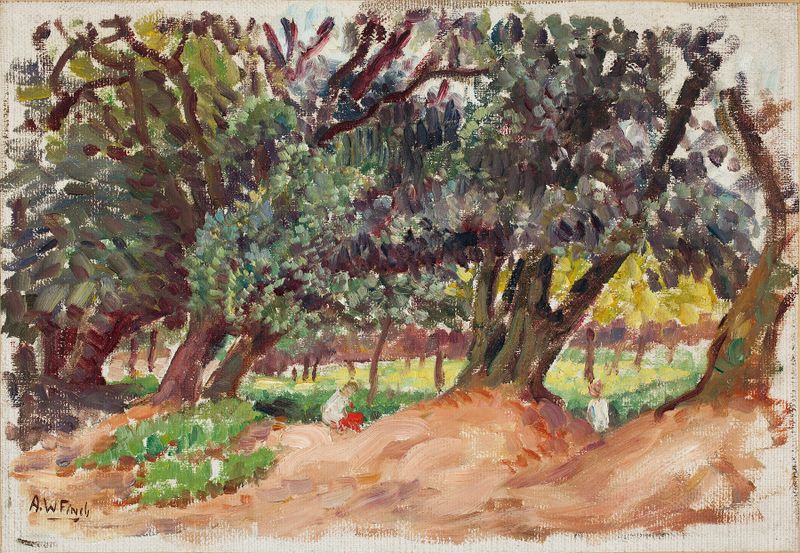
Puistokuva Englannista
Alfred William Finch
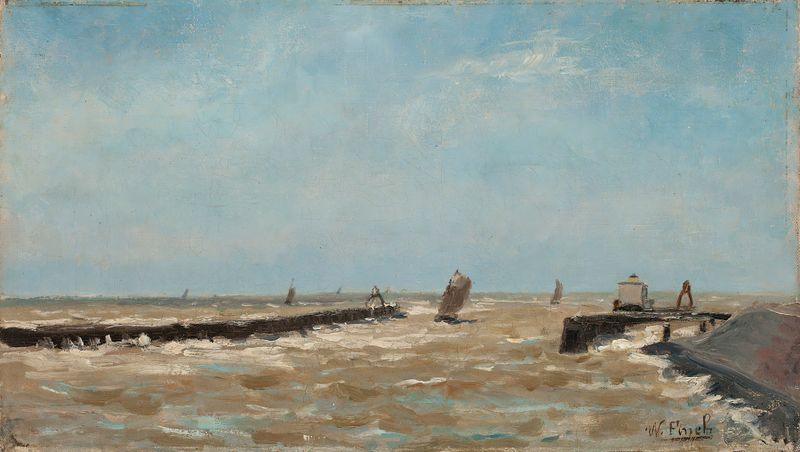
A Belgian harbour
Alfred William Finch





