
Richmond, Thames — History & Facts
Could beauty survive in a century of chaos? In Richmond, Thames, the artist captures a moment suspended between time and decay, inviting us to ponder the resilience of nature amid human turmoil. Look closely at the foreground, where the gentle ripples of the Thames reflect muted hues of green and blue, drawing the eye towards the riverbanks. Notice how soft brushwork creates a sense of tranquility, contrasting with the more defined lines of the distant boats and buildings. The palette is rich yet understated, suggesting the weariness of a world caught between the nostalgia of a bygone era and the inevitable march of modernity. As you explore the painting, consider the interplay of light and shadow.
The sun casts a warm golden glow on the trees, hinting at the vibrancy of life, while the somber undertones of the water echo the lingering effects of decay. The juxtaposition of lush foliage against the stark, weathered structures in the background speaks to the fragility of human artistry in the face of nature’s persistence. This tension encapsulates a broader reflection on how beauty endures, even as it begins to fray at the edges. In 1924, the artist was navigating a post-World War I landscape that was marked by both artistic experimentation and societal unrest.
Working in England, Finch sought to capture the essence of urban life while also acknowledging its transience. This period saw a shift in the art world, where traditional forms were being challenged, yet Finch remained devoted to the serene beauty of his surroundings, as evident in this evocative landscape.
More Artworks by Alfred William Finch
Browse all →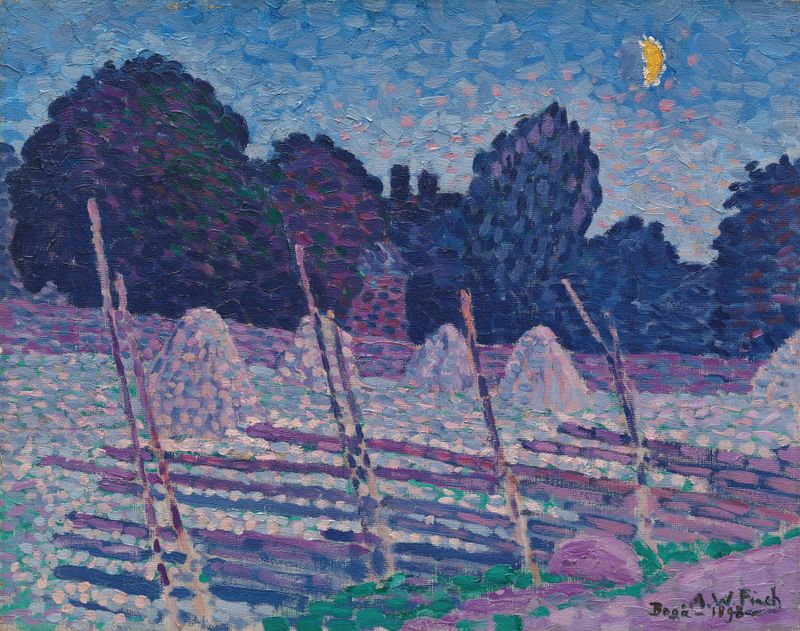
An August’s Night
Alfred William Finch
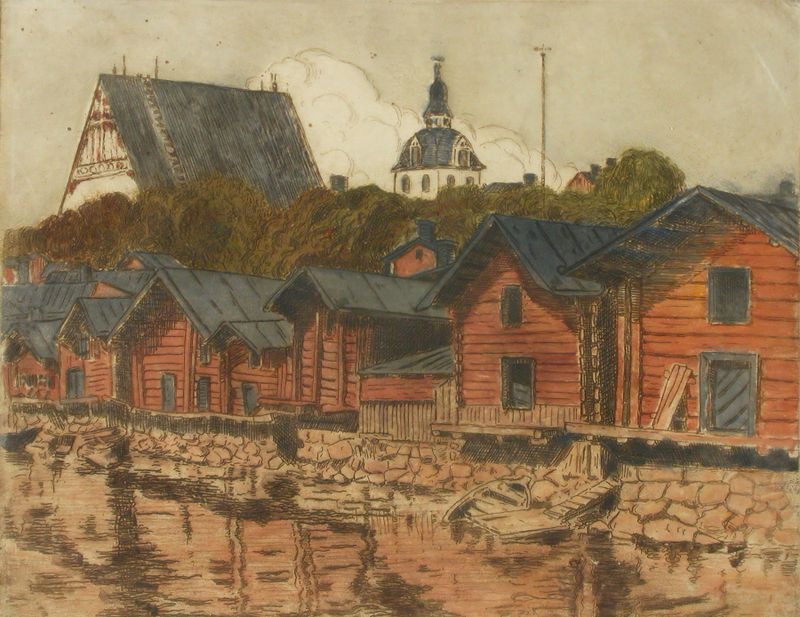
Porvoon ranta-aittoja
Alfred William Finch
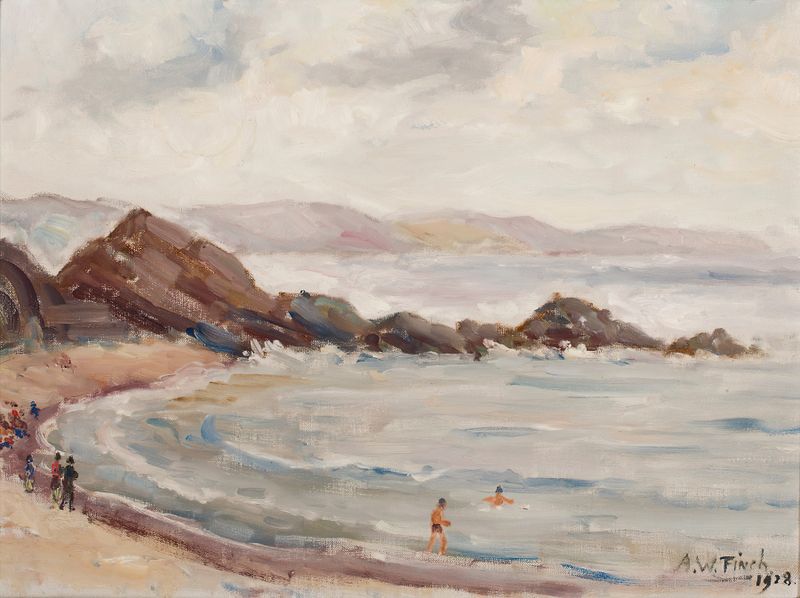
Looen rantaa
Alfred William Finch

Richmond, a River Landscape
Alfred William Finch
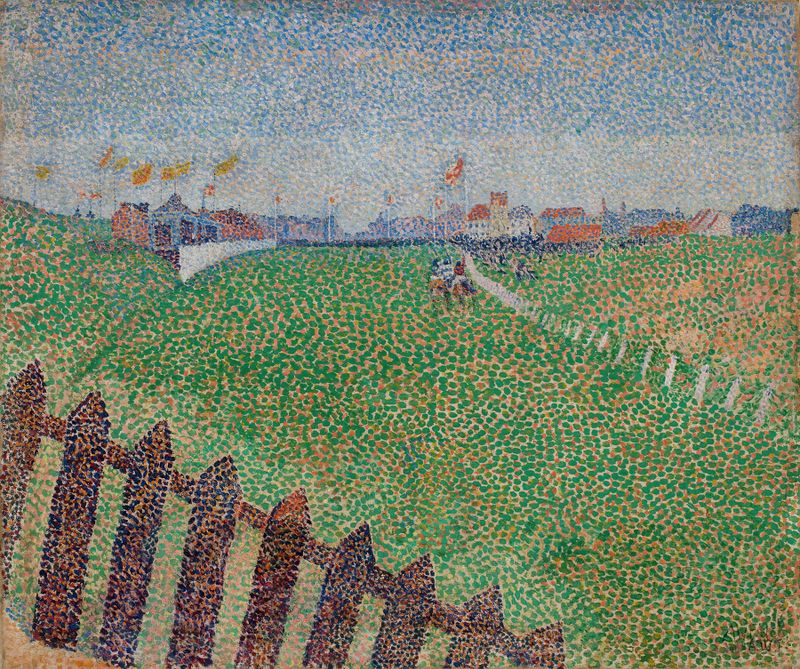
The Wellington Racecourse in Drizzle (Ostende)
Alfred William Finch
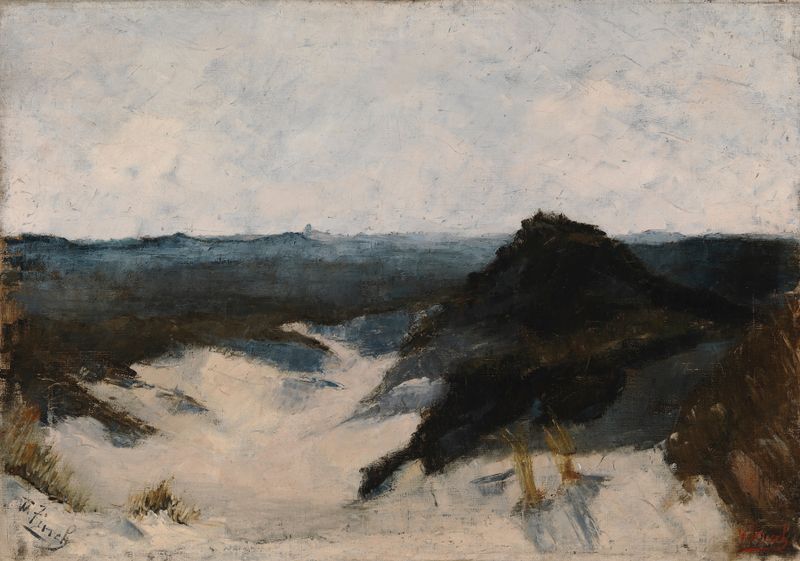
Shore View, Knocke
Alfred William Finch
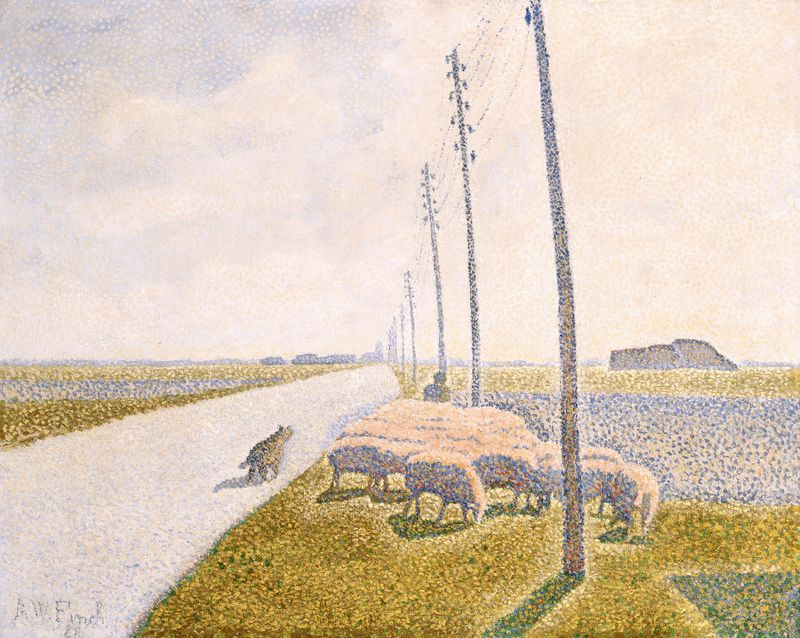
The Road to Nieuport
Alfred William Finch

Bushes
Alfred William Finch
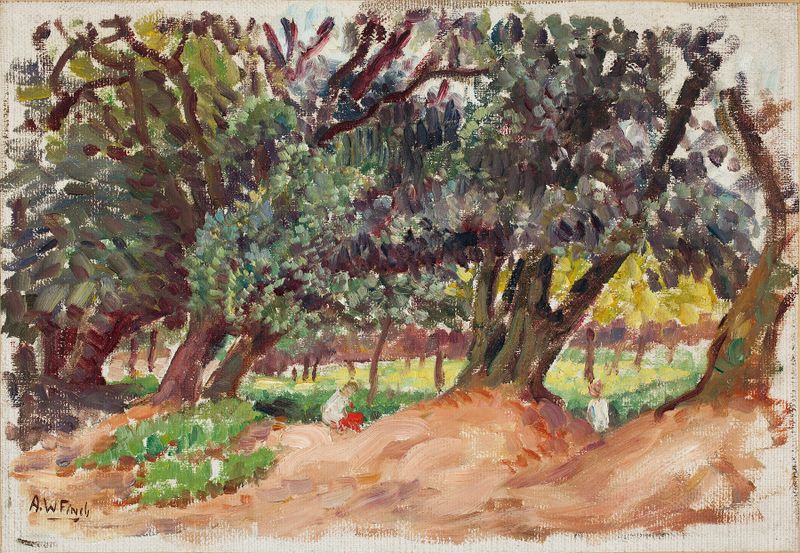
Puistokuva Englannista
Alfred William Finch
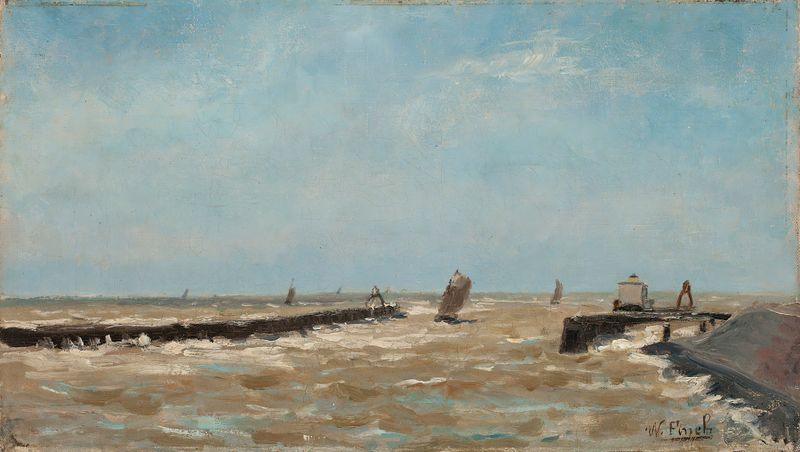
A Belgian harbour
Alfred William Finch





