
Porvoon ranta-aittoja — History & Facts
Could a single brushstroke hold eternity? In Porvoon ranta-aittoja, the delicate interplay of color and form invites a contemplation of balance—between nature and human endeavor, stillness and movement. Look to the warm hues that wash over the landscape, particularly the soft oranges and earthy browns blending seamlessly in the buildings lining the riverbank. Notice how the reflections ripple in the water, creating a mirror image that blurs the lines between solid architecture and fluid nature. The composition cleverly leads the eye from the foreground, where rustic structures stand firm, to the horizon, suggesting an infinity that lies beyond the frame. As you study the work, observe the subtle tension between light and shadow, which emphasizes the tranquility of the scene amidst the signs of human habitation.
The fishermen’s boats, poised yet still, speak of a life in rhythm with the river’s pulse. Each detail—the texture of the aged wood, the gentle undulation of the water—echoes a harmony that transcends time, emphasizing how human presence can coexist with serene landscapes. In 1902, Alfred William Finch created this piece while living in Finland, amidst a flourishing interest in capturing natural beauty through impressionistic techniques. The late 19th and early 20th centuries saw a shift in art towards portraying everyday scenes with immediacy, and this work exemplifies that movement.
During this period, Finch was deeply inspired by the Finnish landscape, reflecting both his personal journey and the artistic currents of the time.
More Artworks by Alfred William Finch
Browse all →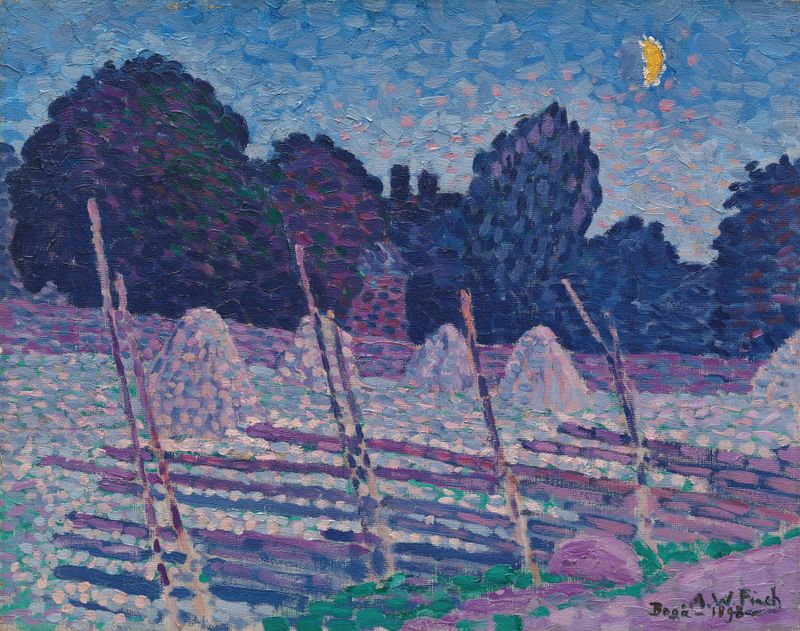
An August’s Night
Alfred William Finch
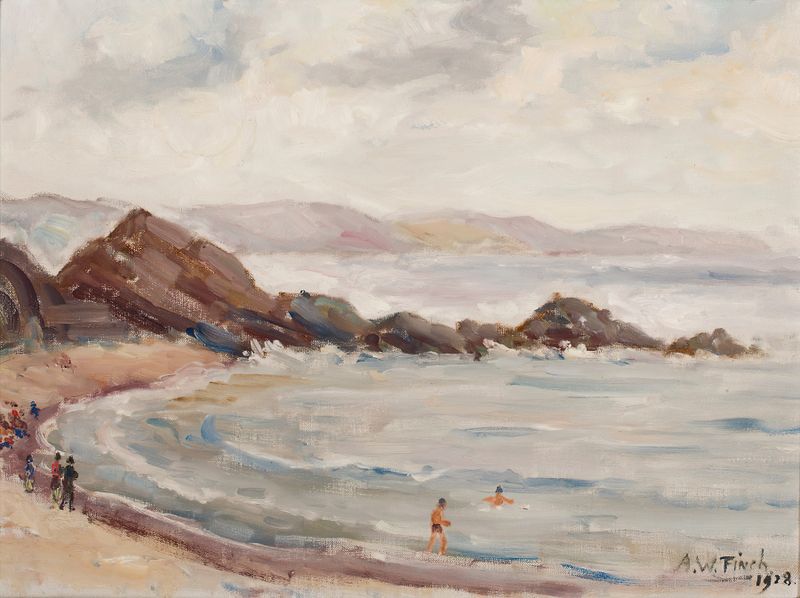
Looen rantaa
Alfred William Finch

Richmond, a River Landscape
Alfred William Finch
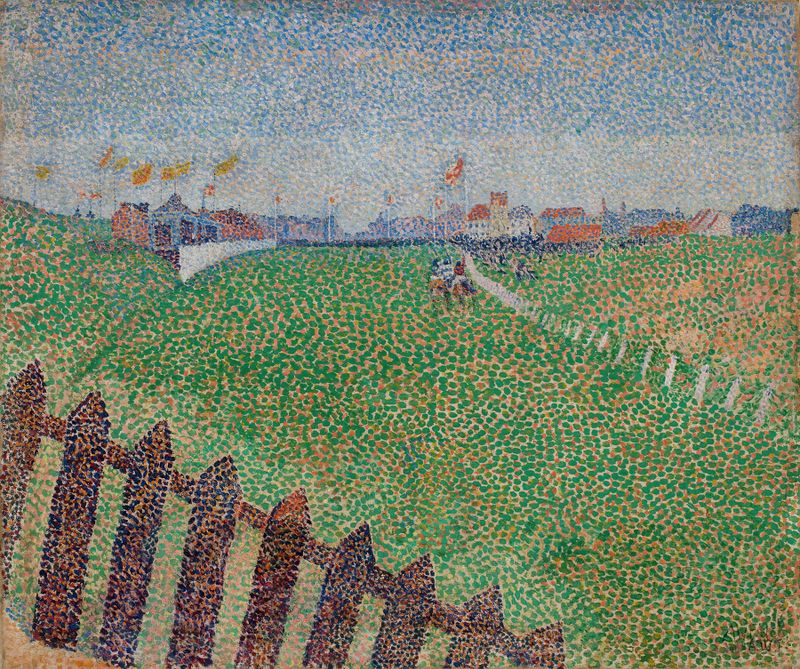
The Wellington Racecourse in Drizzle (Ostende)
Alfred William Finch
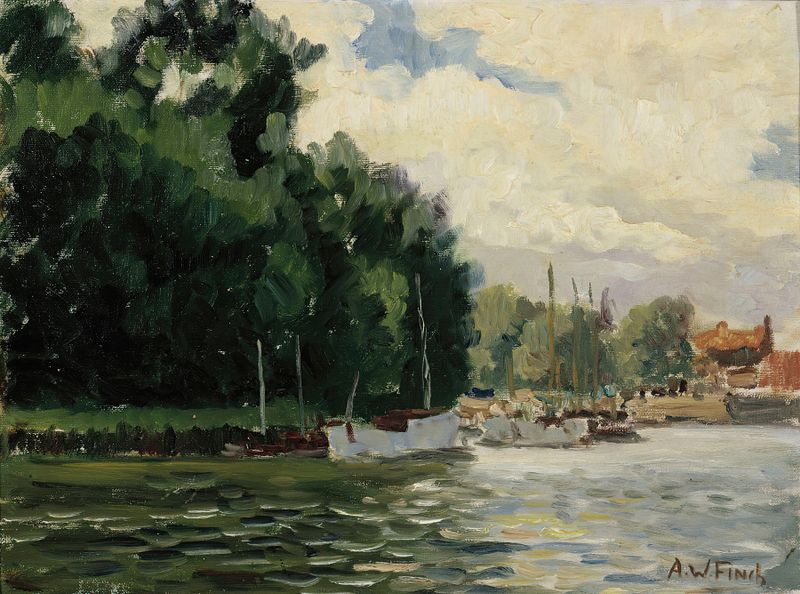
Richmond, Thames
Alfred William Finch
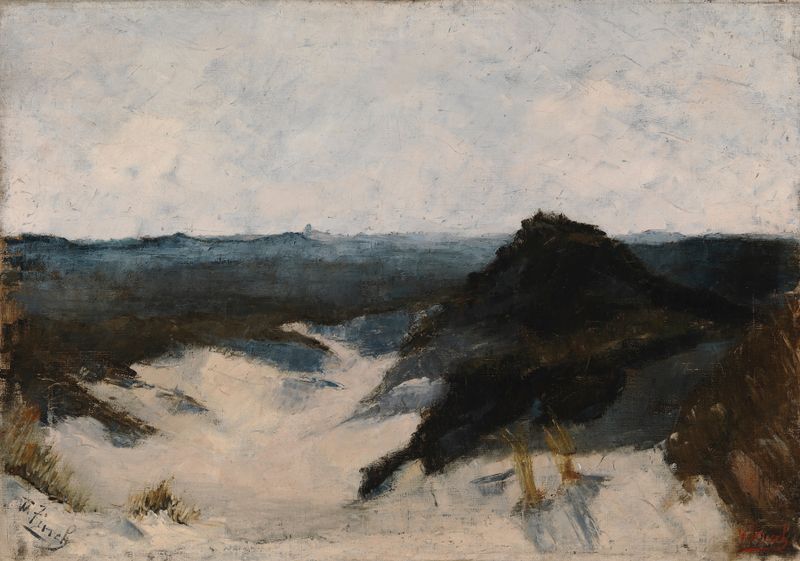
Shore View, Knocke
Alfred William Finch
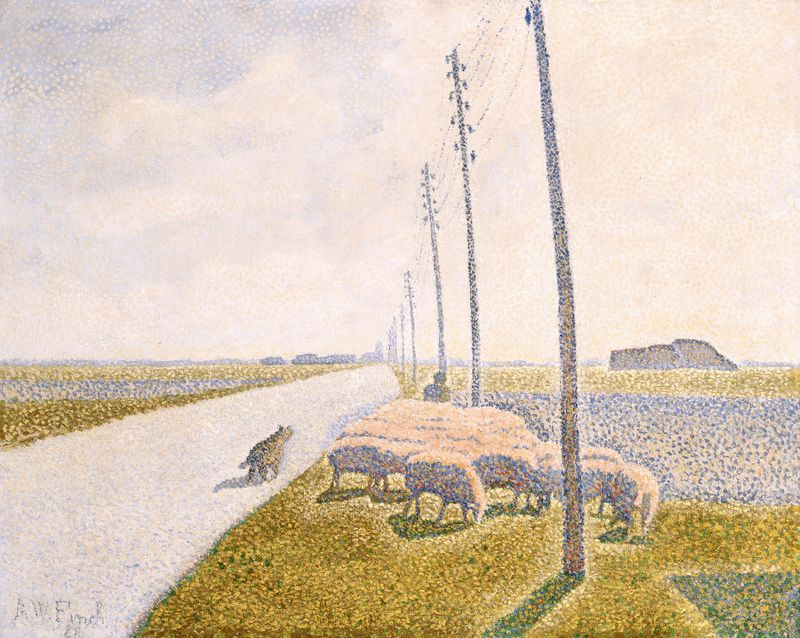
The Road to Nieuport
Alfred William Finch

Bushes
Alfred William Finch
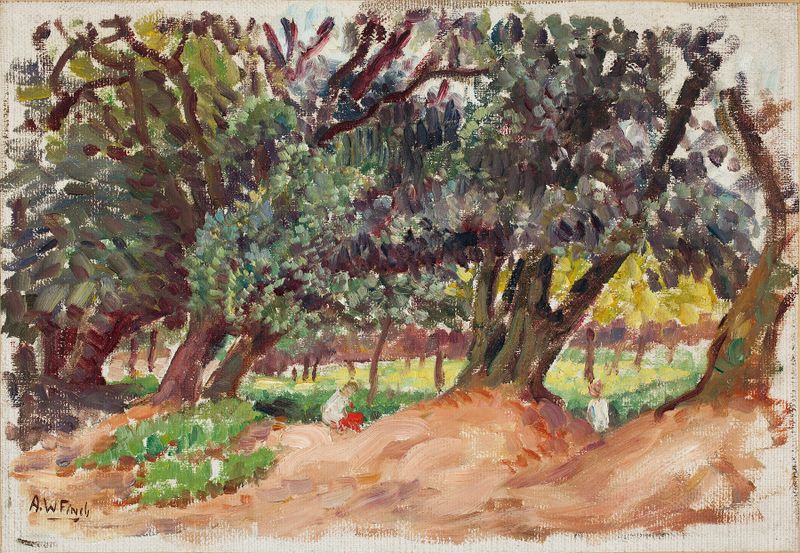
Puistokuva Englannista
Alfred William Finch
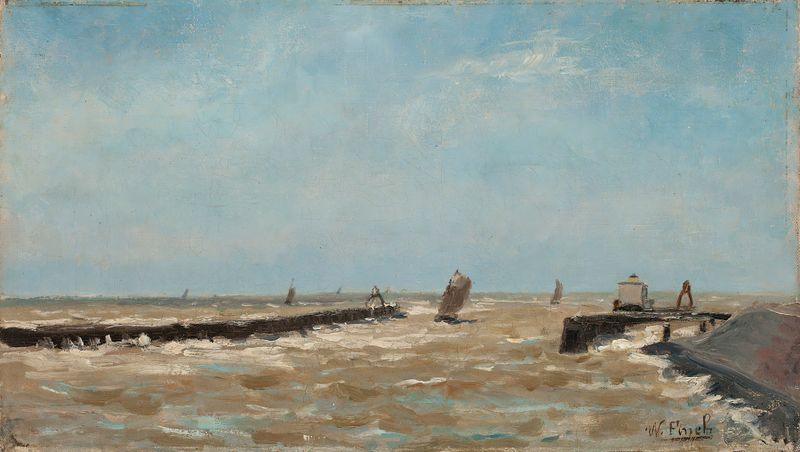
A Belgian harbour
Alfred William Finch





