
The Road to Nieuport — History & Facts
Can paint confess what words never could? In The Road to Nieuport, the vibrant hues and restless brushstrokes evoke a sense of madness, capturing the tumult of the human condition amidst serene landscapes. Focus on the winding road that leads the viewer’s eye toward the horizon, where sky and earth intertwine in a dance of color. Notice how the rich greens of the grass blend with the yellows of blossoming flowers, creating an atmosphere that is both inviting and disquieting. The light, dappled and flickering, plays tricks on the mind, suggesting movement and the passage of time, as if the landscape itself is alive with whispers of the past. Delve deeper into the interplay of tranquility and chaos inherent in this piece.
The vibrant brushwork communicates an underlying tension—the idyllic scene belies a sense of urgency, a hint of something darker lurking beneath. The figures, though serene, seem to carry the weight of their thoughts, their postures suggesting introspection or perhaps a lingering madness that the beauty of nature cannot wholly drown out. Each detail—the stormy clouds, the twisting path—invites contemplation of the fragile balance between sanity and the chaos that often accompanies existence. In 1888, when this artwork was created, Alfred William Finch was living in England, having turned increasingly toward Impressionism.
The art world was shifting, with artists exploring unconventional techniques and subjects, driven by modernity and the complexities of the human psyche. Against this backdrop, Finch's work resonates with the period's struggles, manifesting both the aesthetic beauty of nature and the tumult of individual experience.
More Artworks by Alfred William Finch
Browse all →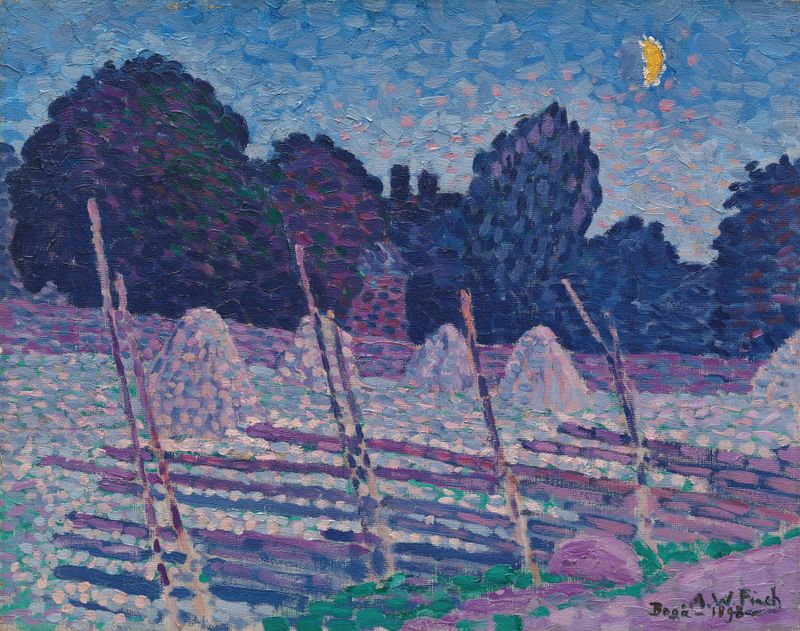
An August’s Night
Alfred William Finch
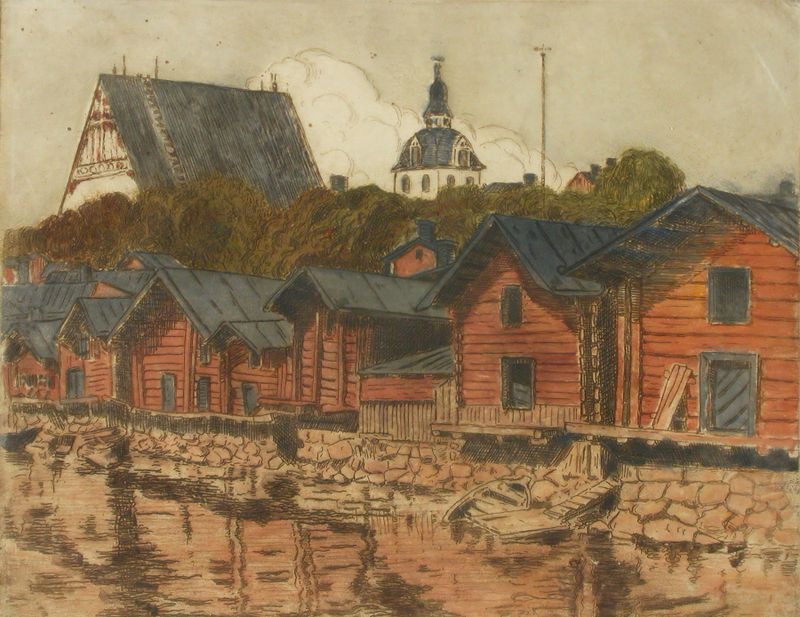
Porvoon ranta-aittoja
Alfred William Finch
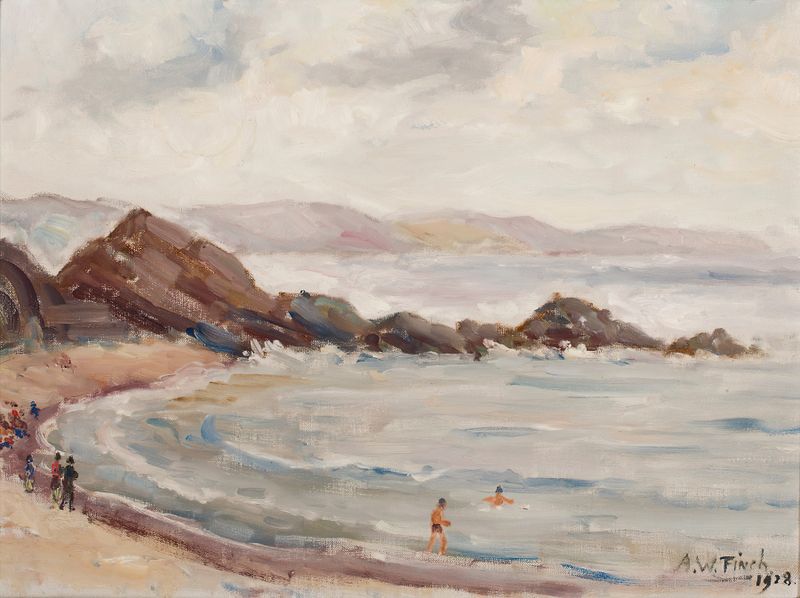
Looen rantaa
Alfred William Finch

Richmond, a River Landscape
Alfred William Finch
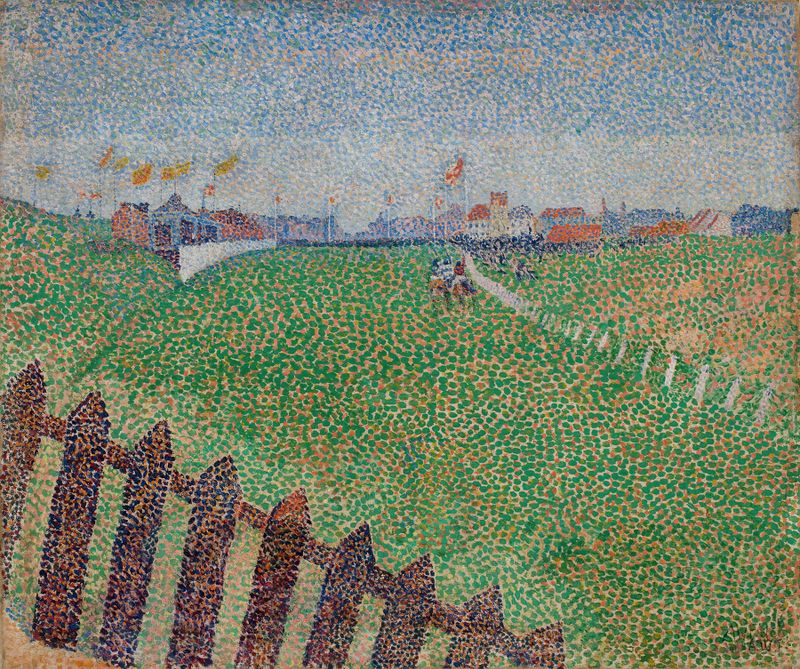
The Wellington Racecourse in Drizzle (Ostende)
Alfred William Finch
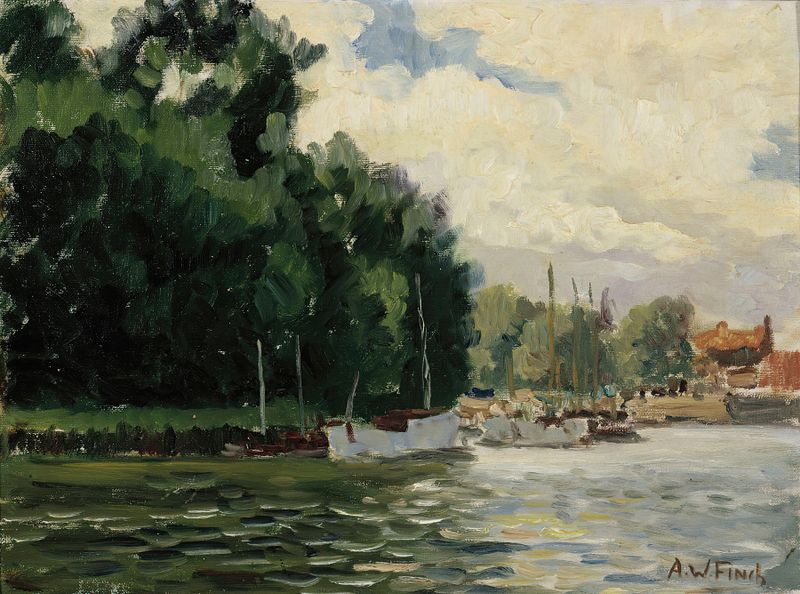
Richmond, Thames
Alfred William Finch
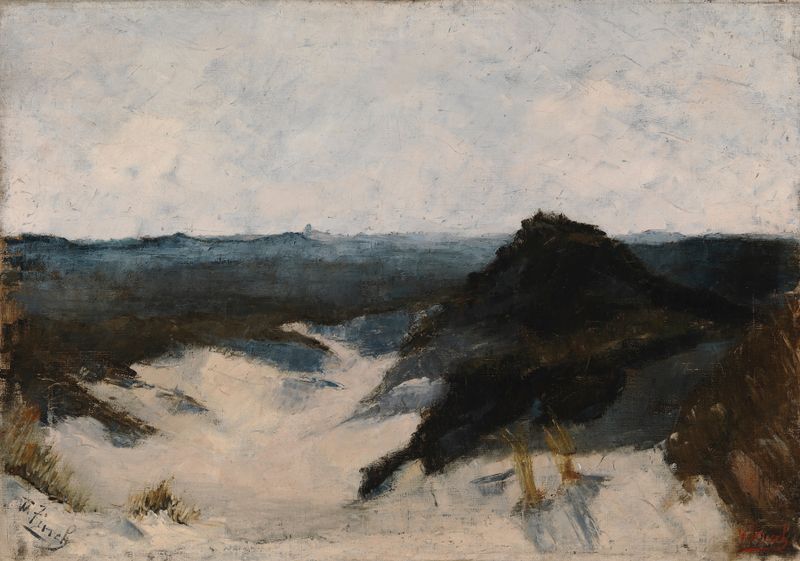
Shore View, Knocke
Alfred William Finch

Bushes
Alfred William Finch
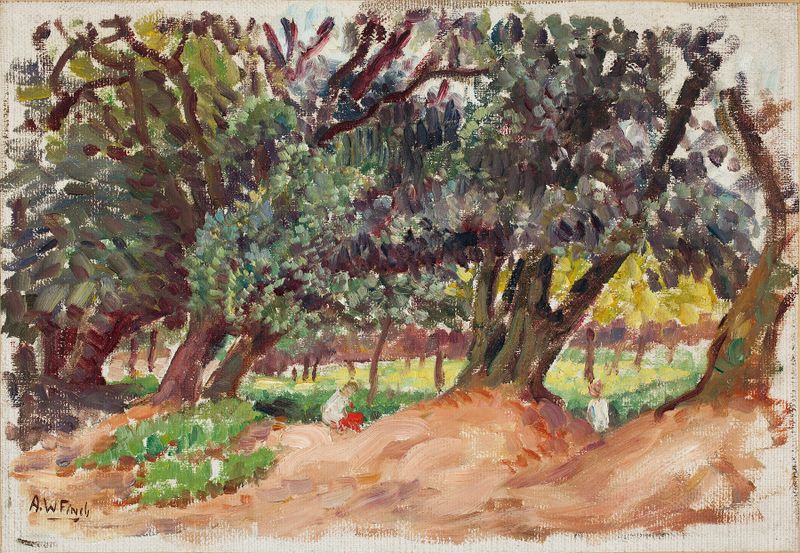
Puistokuva Englannista
Alfred William Finch
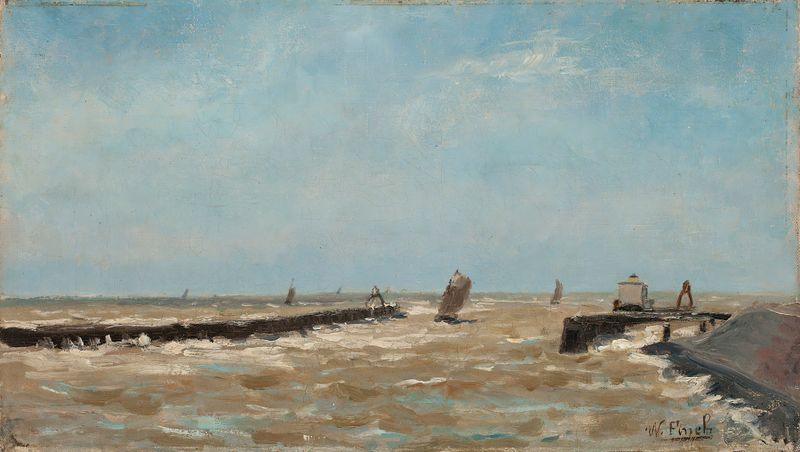
A Belgian harbour
Alfred William Finch





