
Puistokuva Englannista — History & Facts
In the quiet stillness of paint, truths whisper, yearning to be unveiled. Look to the bottom right where verdant foliage beckons, an intricate tapestry of greens that reveals the artist’s skillful brushwork. Notice how the delicate sunlight filters through the leaves, casting dappled shadows that invite you into a serene, secluded garden. Each stroke tells a story of meticulous observation, from the gentle undulations of the ground to the soft yet vibrant blooms that punctuate the scene, creating a harmony that feels both alive and contemplative. Beneath the apparent serenity lies a deeper narrative.
The juxtaposition of light and shadow plays with the concept of visibility and hidden depths, suggesting that not all truths are immediately apparent. The vibrant blossoms, while beautiful, speak of fleeting moments — a reminder of impermanence in nature. This tension between the lush garden and the quiet, enveloping shadows invites viewers to reflect on their own layers, evoking feelings of nostalgia and introspection. In 1921, amid a post-war society yearning for renewal, the artist crafted this piece while living in England, a time marked by social and artistic shifts.
The world was grappling with the aftermath of conflict and seeking solace in nature and beauty, influencing the tranquil yet poignant character of his work. Finch’s connection to the English landscape provided fertile ground for his explorations, establishing him as a voice resonating with the desire for authenticity and truth in a changing world.
More Artworks by Alfred William Finch
Browse all →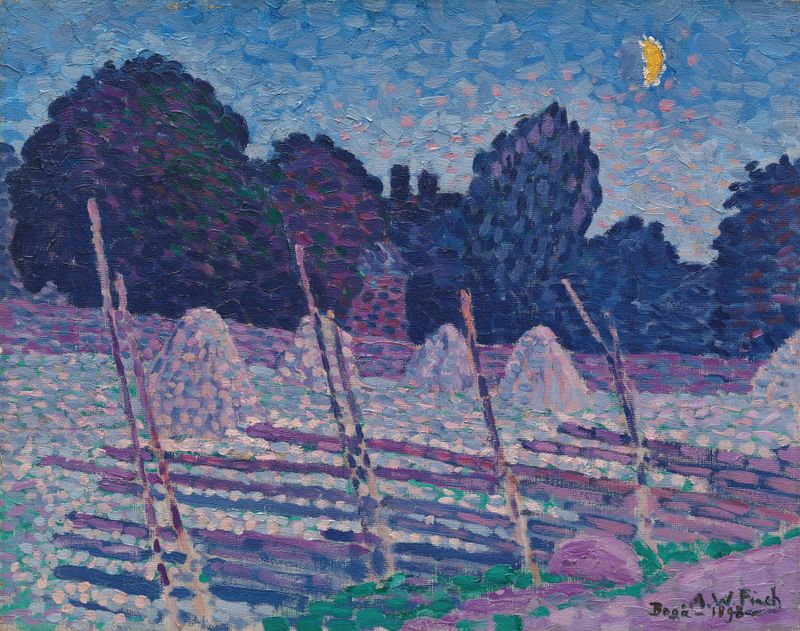
An August’s Night
Alfred William Finch
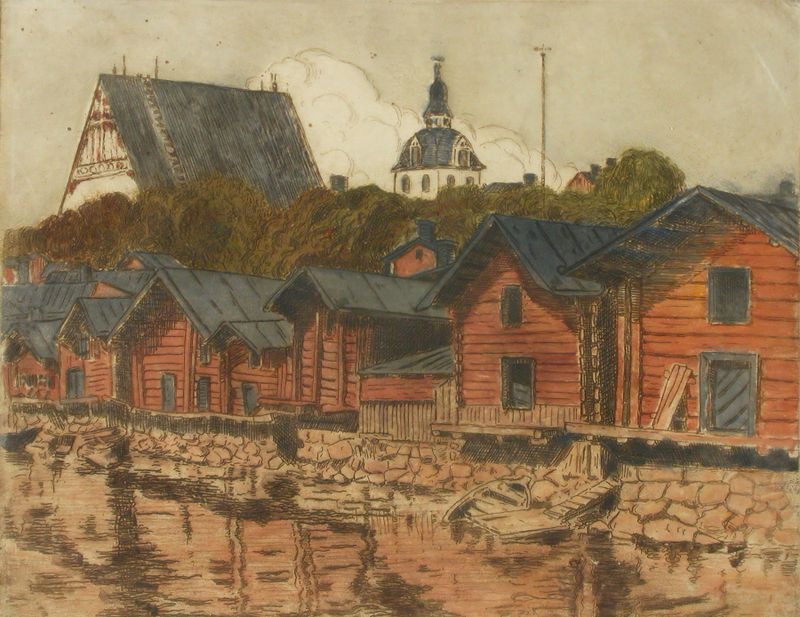
Porvoon ranta-aittoja
Alfred William Finch
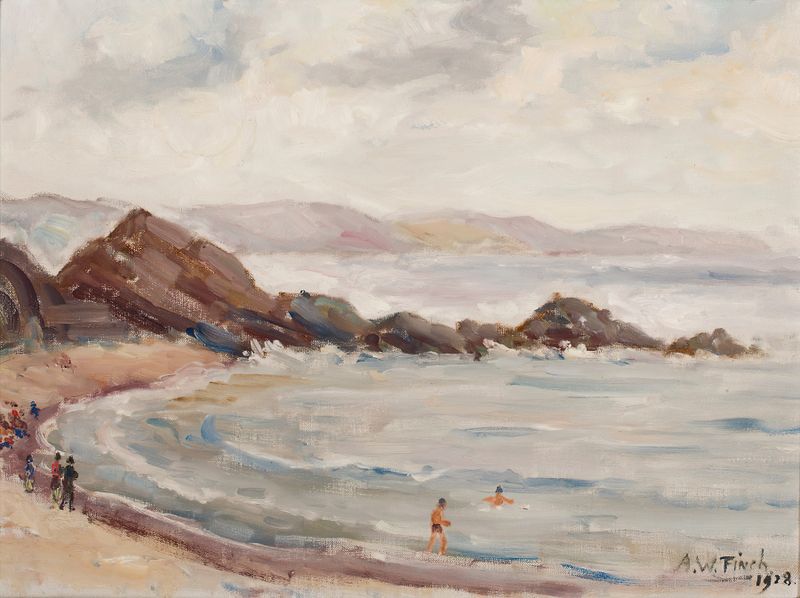
Looen rantaa
Alfred William Finch

Richmond, a River Landscape
Alfred William Finch
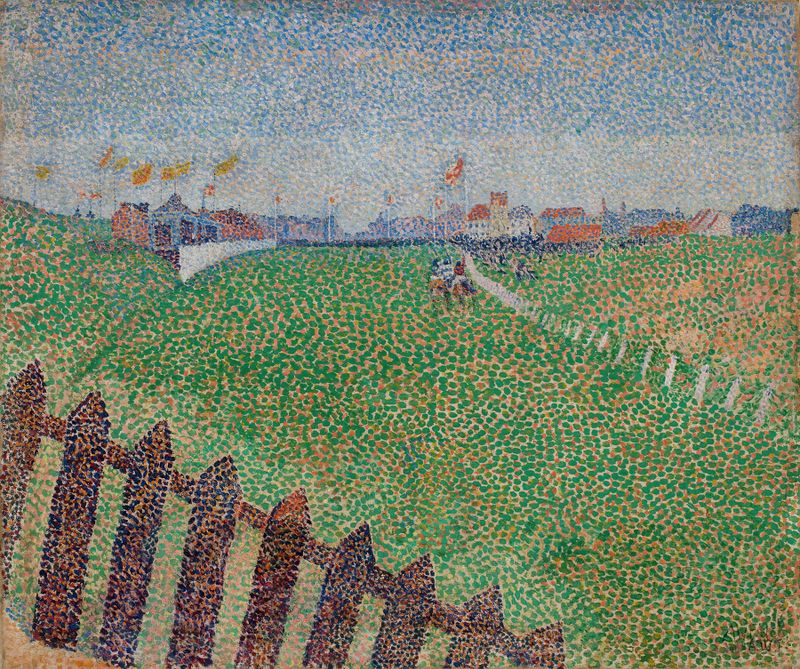
The Wellington Racecourse in Drizzle (Ostende)
Alfred William Finch
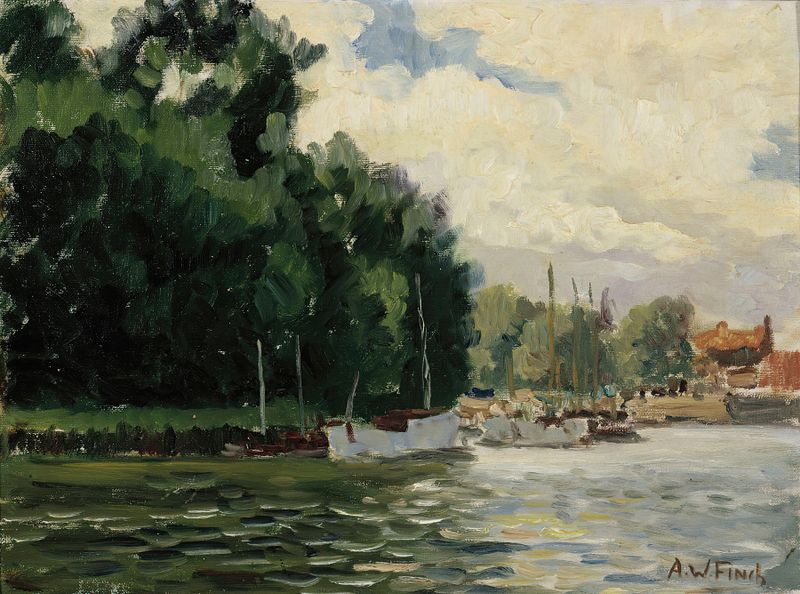
Richmond, Thames
Alfred William Finch
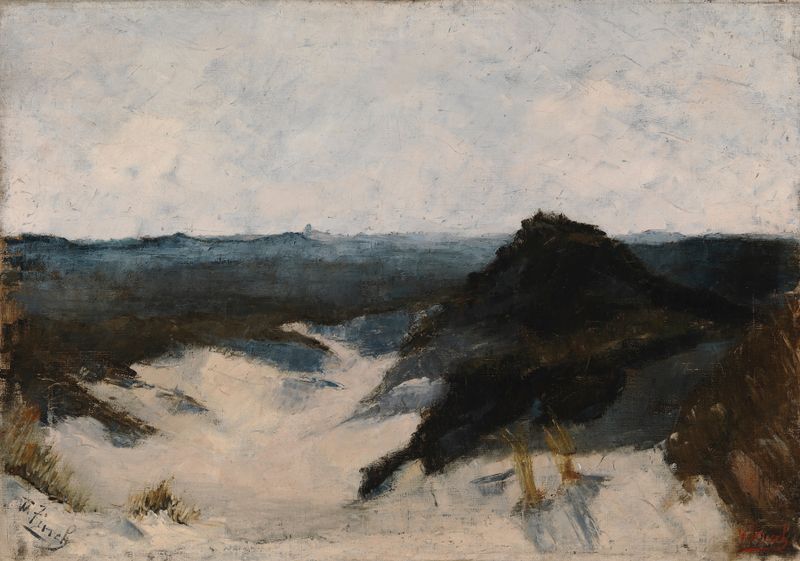
Shore View, Knocke
Alfred William Finch
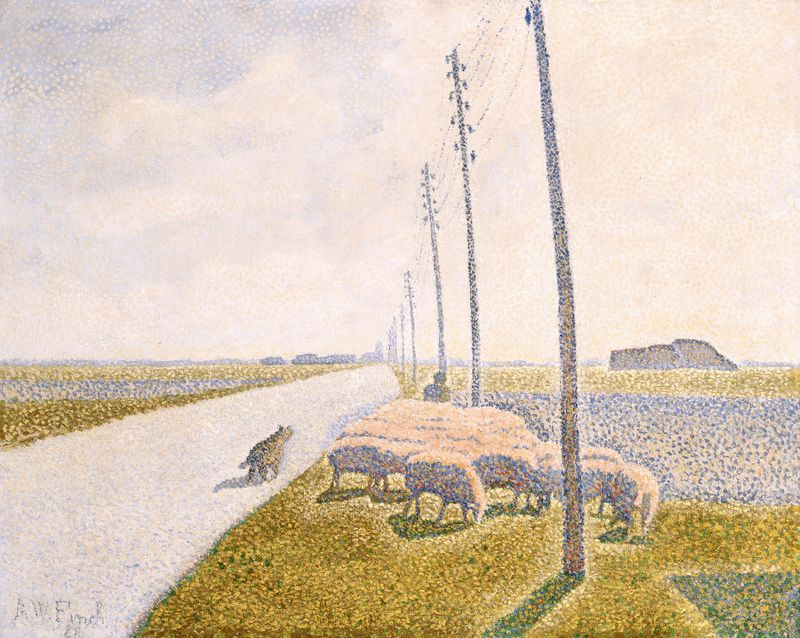
The Road to Nieuport
Alfred William Finch

Bushes
Alfred William Finch
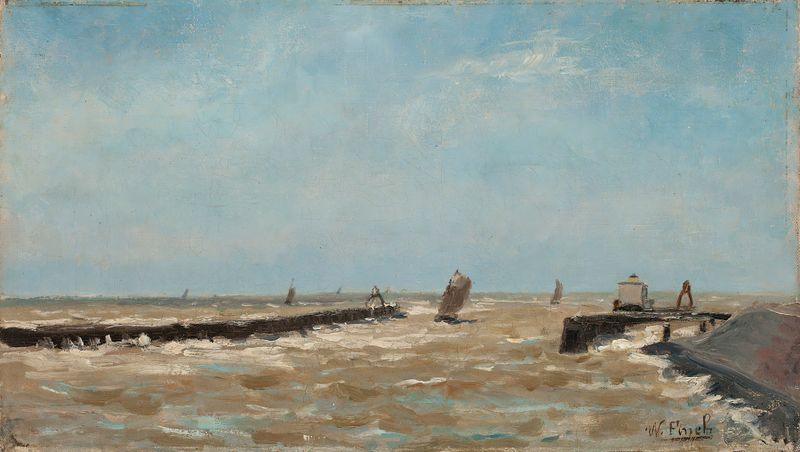
A Belgian harbour
Alfred William Finch





