
The Wellington Racecourse in Drizzle (Ostende) — History & Facts
Could a single brushstroke hold eternity? In the delicate interplay between weather and light, fleeting moments intertwine with deeper echoes of betrayal and longing. Look to the left at the misty figures, where jockeys poised on their horses appear almost spectral against the overcast sky. Their forms, painted with swift, expressive strokes, seem to dance and sway with the rhythm of the drizzle, each muscle taut with anticipation. A wash of muted greens and grays envelops the scene, allowing the soft but persistent raindrops to blend seamlessly into the landscape, transforming the racecourse into a dreamlike tableau. As the eye wanders, notice how the hazy atmosphere creates a veil, suggesting both intimacy and distance.
The blurred outlines of the spectators, huddled beneath umbrellas, evoke a sense of shared experience, yet speak to the isolation that often accompanies anticipation. The tension of the race is palpable, yet it is shrouded in mystery, inviting questions about the outcomes not just of the event, but of trust and allegiance, as the drizzle hints at unspoken deceptions. In 1888, while residing in Ostende, Alfred William Finch painted The Wellington Racecourse in Drizzle, a moment captured during a time of personal evolution and change in the art world. This era saw an emergence of impressionistic techniques, as artists sought to convey emotion and atmosphere over realism.
Finch, influenced by these trends, used this work to convey the ambivalence of life’s choices amidst the backdrop of his own artistic journey, where the racecourse became a metaphor for the unpredictable nature of fate and relationships.
More Artworks by Alfred William Finch
Browse all →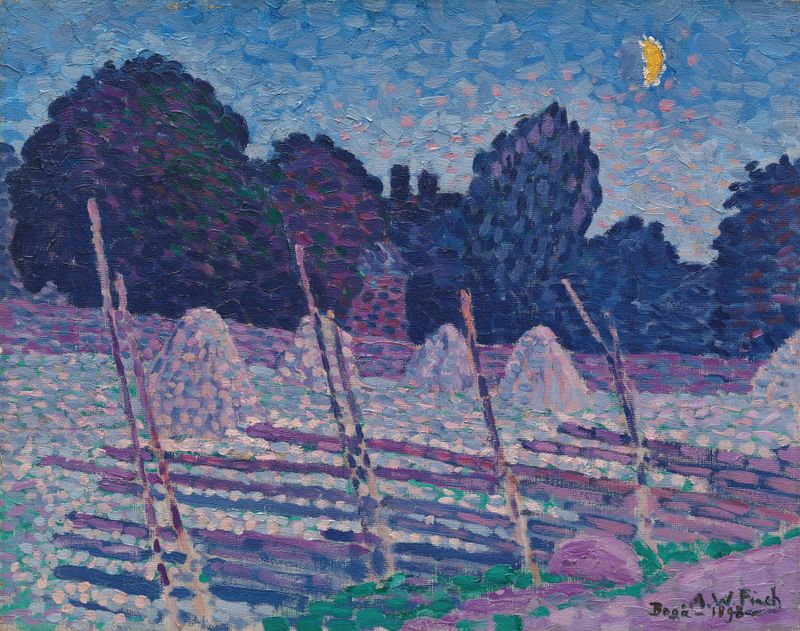
An August’s Night
Alfred William Finch
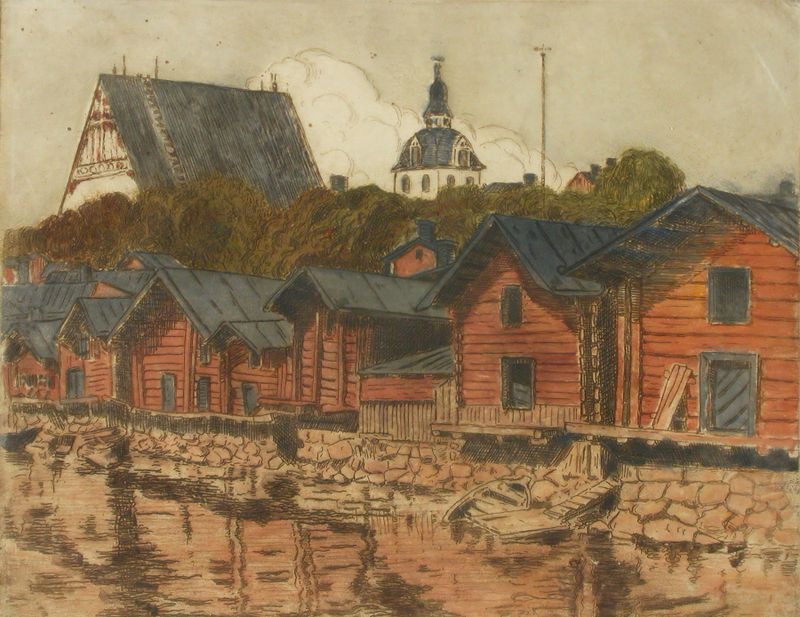
Porvoon ranta-aittoja
Alfred William Finch
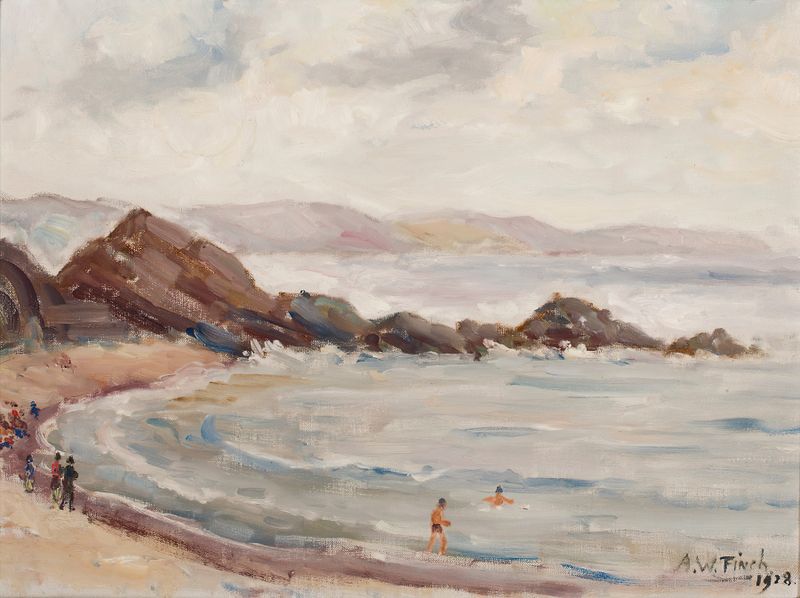
Looen rantaa
Alfred William Finch

Richmond, a River Landscape
Alfred William Finch
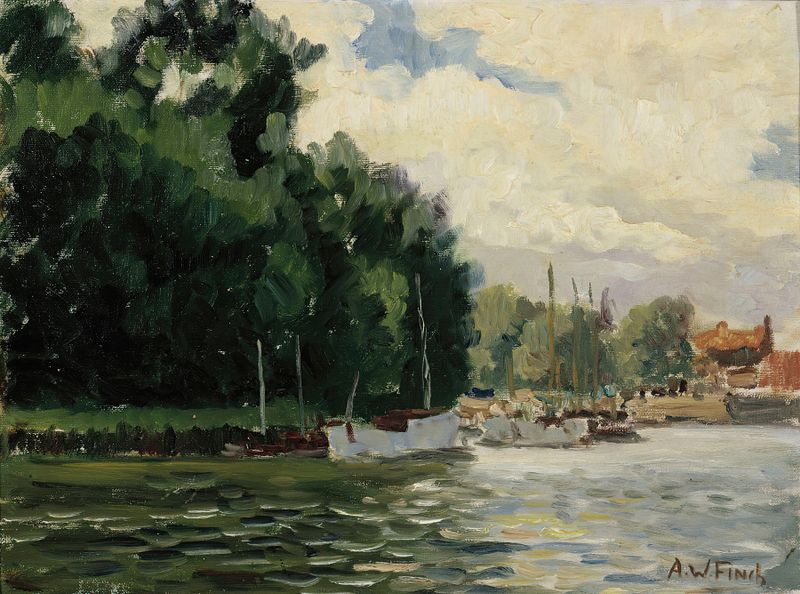
Richmond, Thames
Alfred William Finch
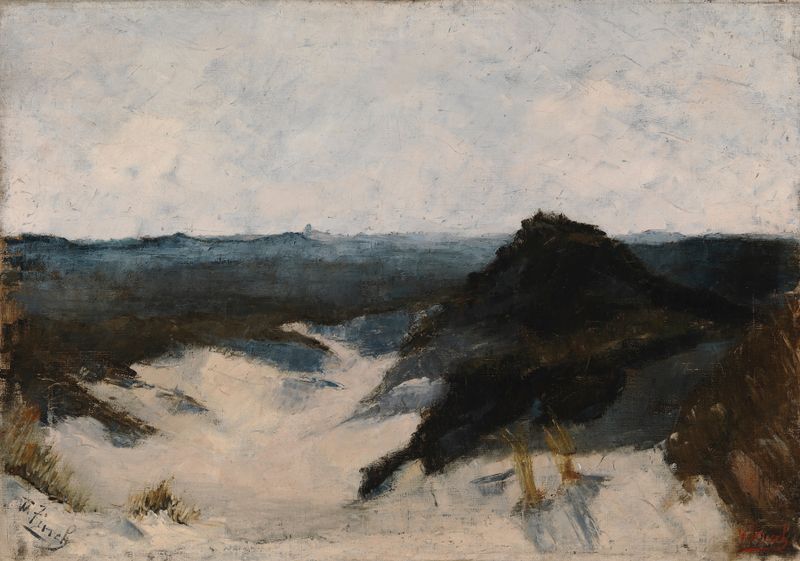
Shore View, Knocke
Alfred William Finch
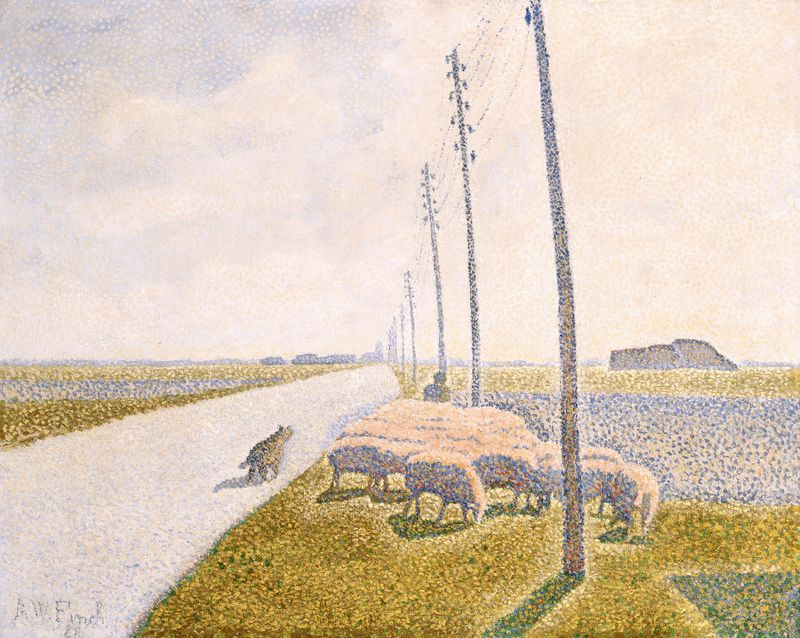
The Road to Nieuport
Alfred William Finch

Bushes
Alfred William Finch
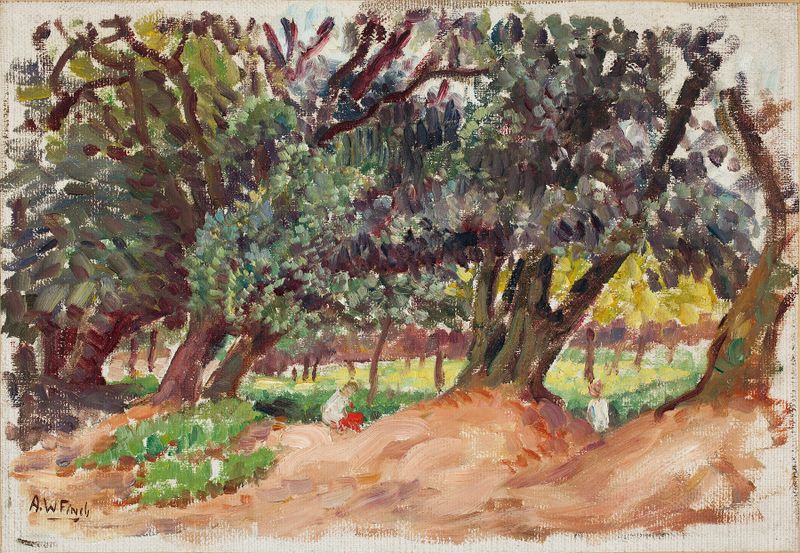
Puistokuva Englannista
Alfred William Finch
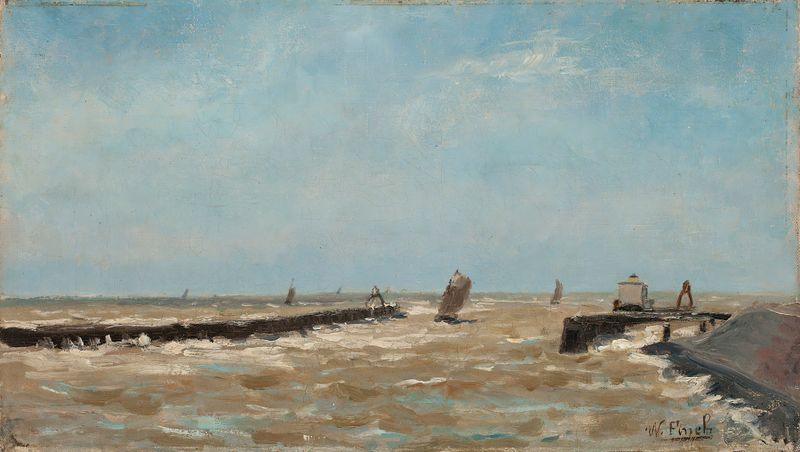
A Belgian harbour
Alfred William Finch





