
Bushes — History & Facts
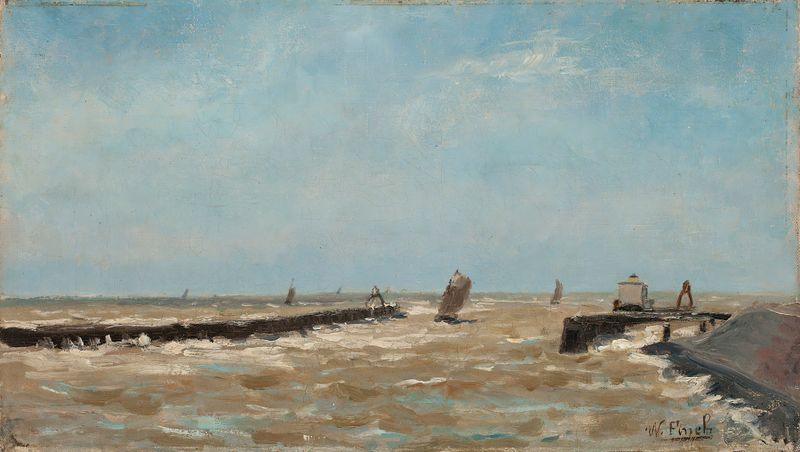
In the realm of art, where time is captured yet fleeting, one can’t help but ponder the profound weight of mortality. Focus on the vibrant greenery that fills the canvas; the lush bushes stand as protective sentinels, brimming with life yet whispering of transience. Notice how the dappled light dances across their leaves, revealing a rich tapestry of greens, punctuated by delicate hints of shadow. Each stroke seems to breathe, layering texture and depth, inviting viewers to explore the serenity and complexity contained within this seemingly quiet scene. Behind the vibrant foliage lies a deeper exploration of life’s impermanence.
The juxtaposition of abundant growth against the stillness of the landscape evokes a tension between vitality and the inevitable decay that follows. Each leaf might suggest a memory, a moment, or a cherished experience, inviting reflection on what it means to exist amidst beauty while acknowledging the passage of time. The whispers of nature hold stories untold, hinting at both joy and loss. In 1919, Alfred William Finch painted this work during a tumultuous time in Britain, after the end of World War I.
The landscape genre was evolving, moving towards more intimate and personal expressions. Finch, having faced the devastation of war, sought solace in the natural world, capturing its resilience and beauty as a counterpoint to the fragile state of human existence. This piece reflects not only his artistic journey but also the broader cultural desire to reconnect with nature in the aftermath of profound societal change.
More Artworks by Alfred William Finch
Browse all →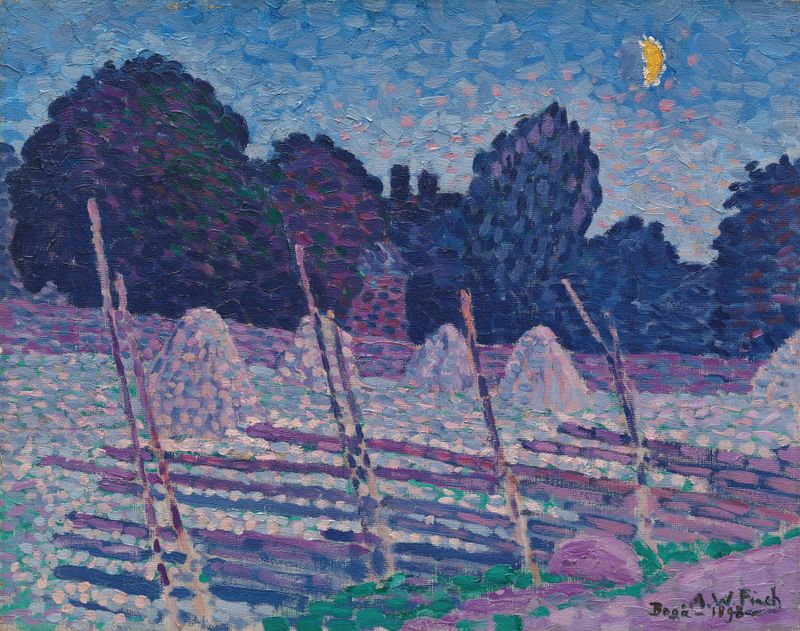
An August’s Night
Alfred William Finch
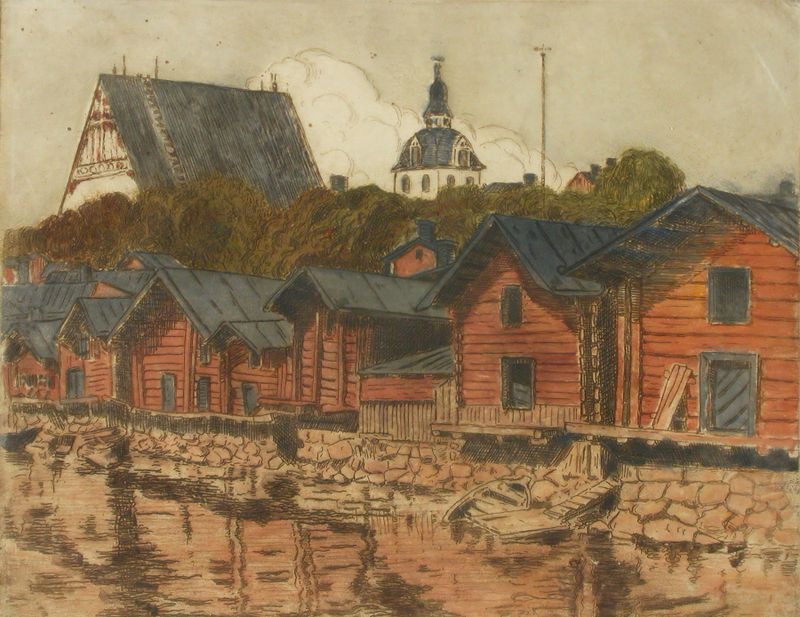
Porvoon ranta-aittoja
Alfred William Finch
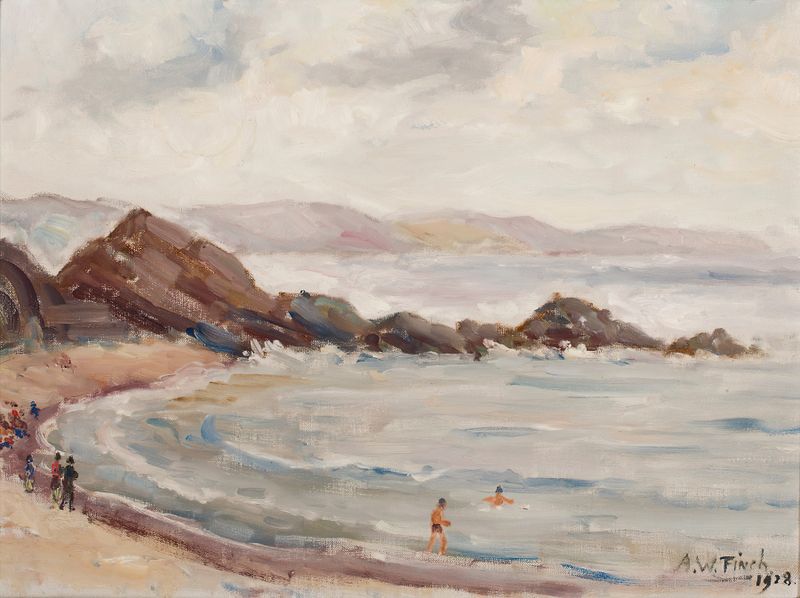
Looen rantaa
Alfred William Finch

Richmond, a River Landscape
Alfred William Finch
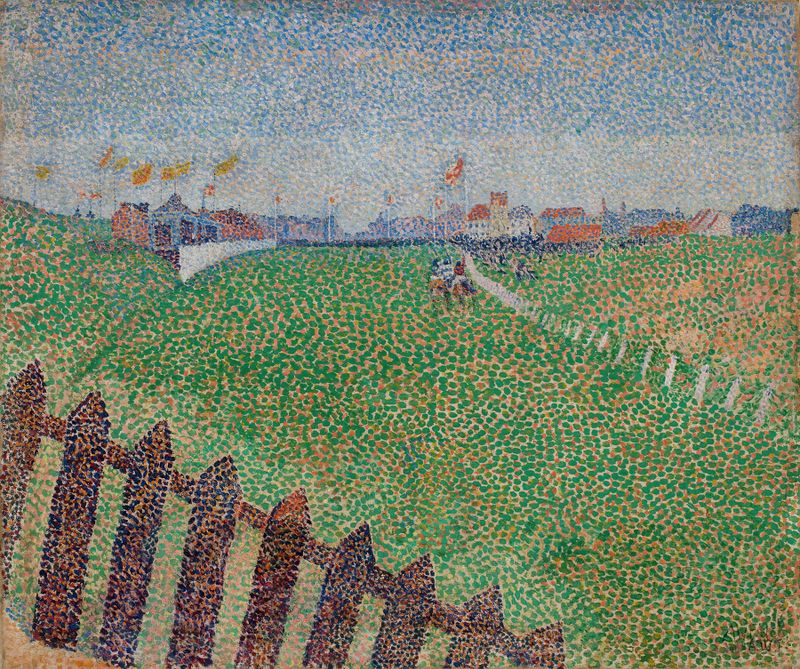
The Wellington Racecourse in Drizzle (Ostende)
Alfred William Finch
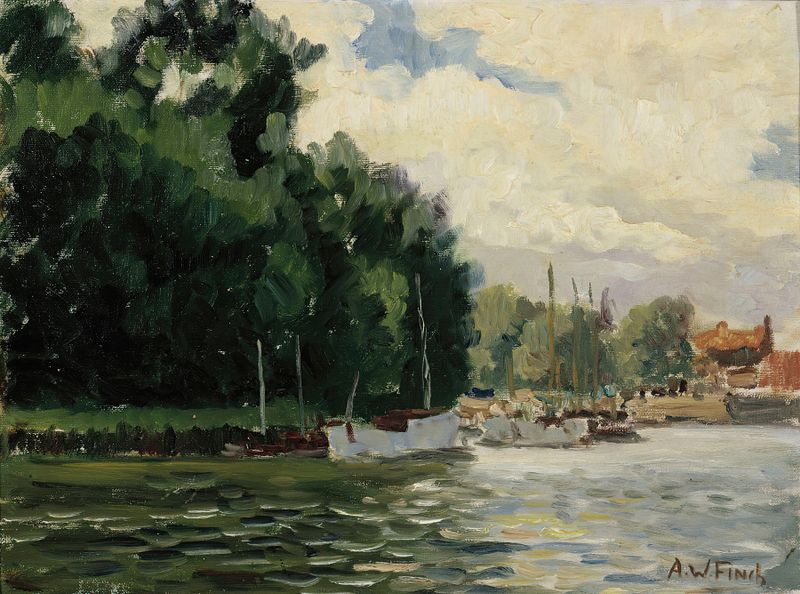
Richmond, Thames
Alfred William Finch
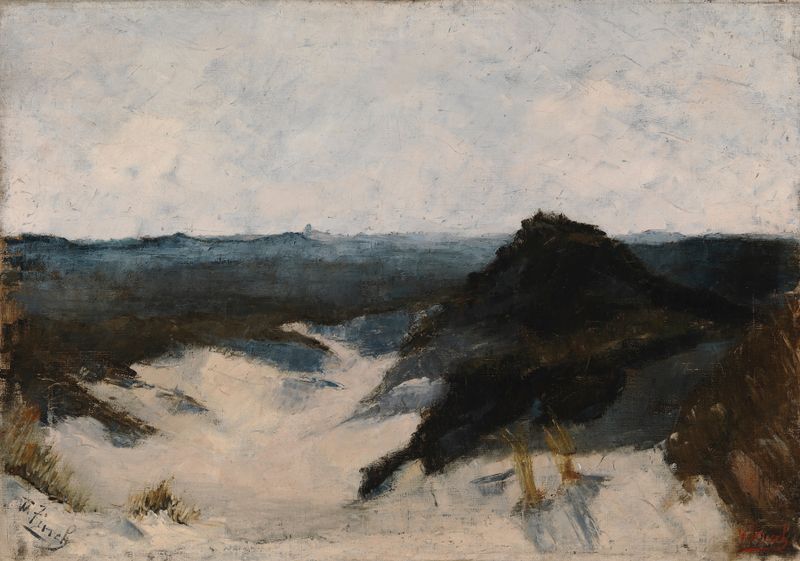
Shore View, Knocke
Alfred William Finch
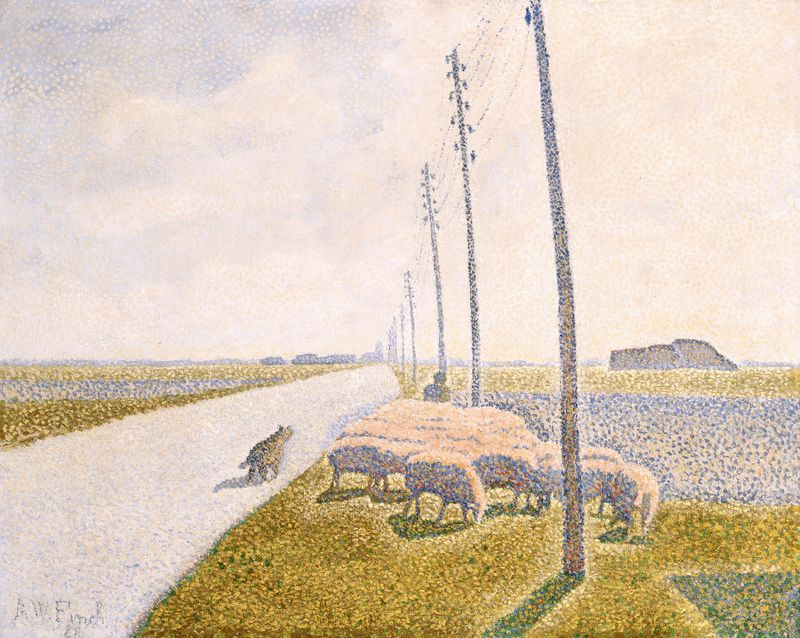
The Road to Nieuport
Alfred William Finch
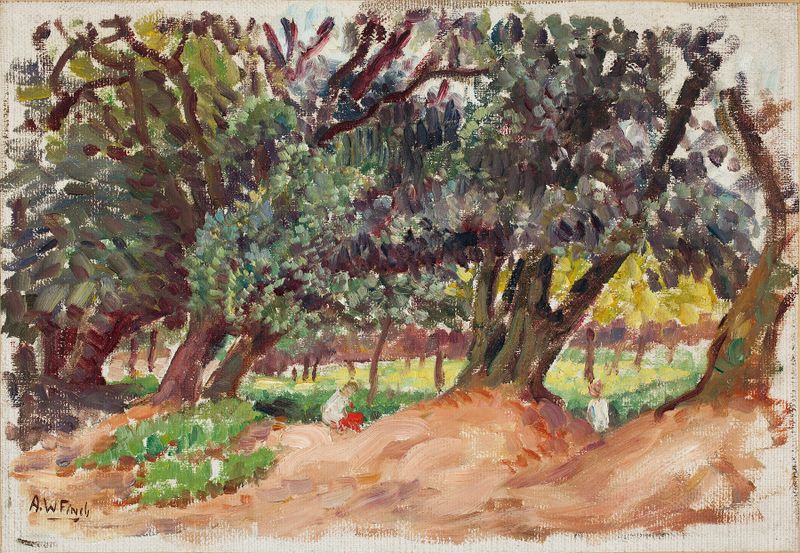
Puistokuva Englannista
Alfred William Finch
A Belgian harbour
Alfred William Finch





